There are plenty of ways for an audience to make its presence known during a livestream: a comment, a follow, a clipped reaction, an ill-timed request for the streamer to check a corner of the screen. Swatting is not one of them. It is not audience participation, it is not a prank with an unfortunate landing, and it is certainly not a feature anybody should have to accept as part of broadcasting online.
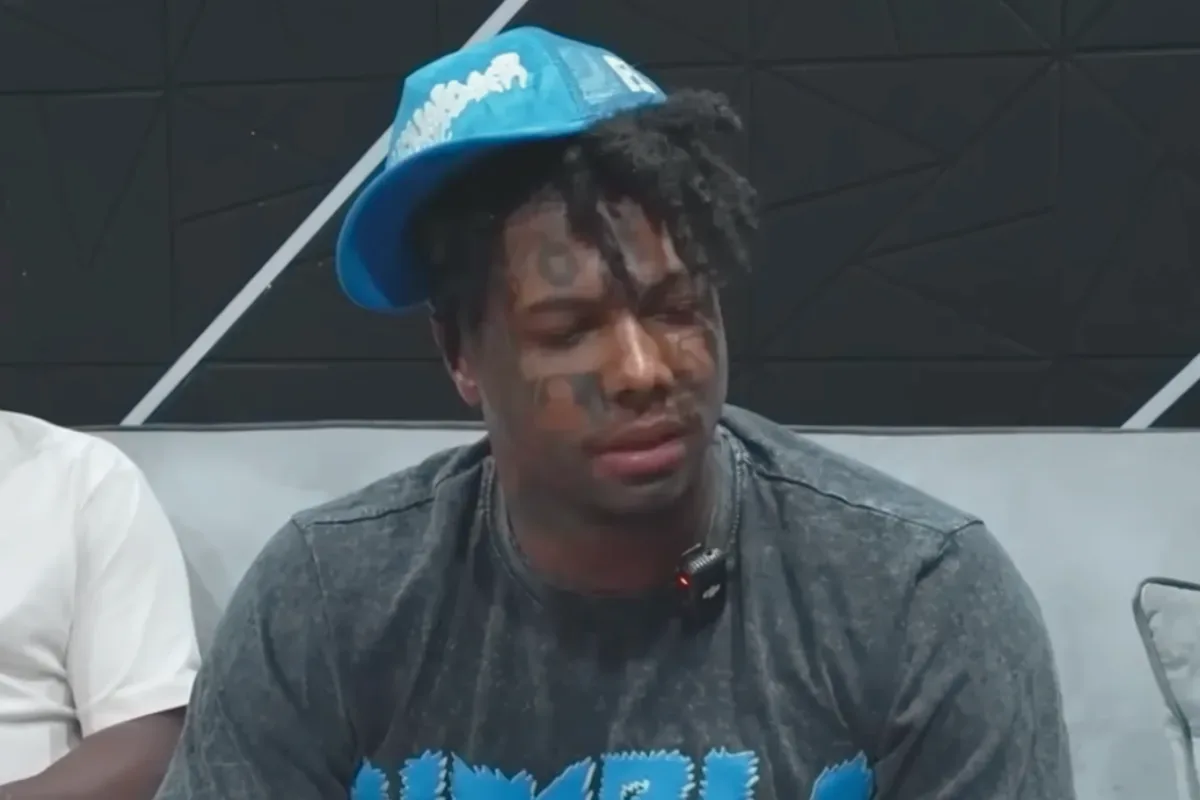
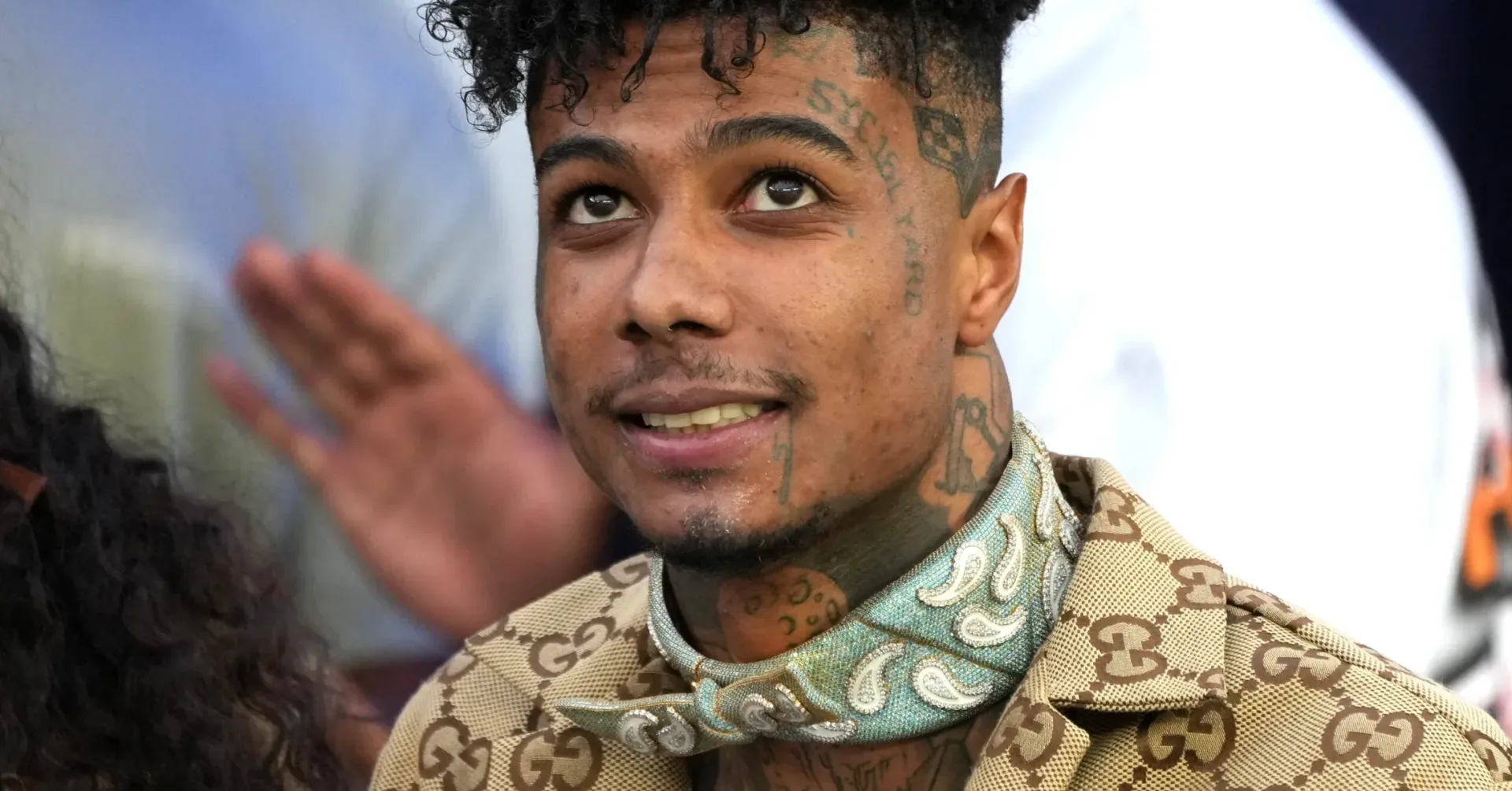
Blueface has addressed another alleged swatting incident, this time in Miami. The rapper has previously dealt with false emergency reports at homes in California, and he described the latest situation as a familiar hazard of being a high-profile streamer whose life is broadcast in real time.
Swatting is the term used for making a false report intended to bring law enforcement to someone’s location under the belief that a grave and immediate threat is unfolding. Reports can allege a violent crime, a hostage scenario, or another emergency serious enough to require an urgent response. Officers must treat those reports with the seriousness they demand until the situation can be assessed. That is exactly why the act is so reckless: a fabricated call can pull emergency resources away from genuine crises while putting the target, people nearby, and responding officers into a tense and potentially dangerous encounter.
Blueface’s account of the Miami episode stressed the live element of streaming. In his view, some viewers want to feel as if they can influence what is happening on screen, and a false police report becomes an extreme, destructive way to force themselves into the moment. He characterized the calls as false reports that waste everyone’s time.
When the chat tries to become the plot
The basic appeal of livestreaming is immediacy. Unlike a prerecorded video, a stream offers the sense that anything can happen and that viewers are present for it as it unfolds. That immediacy can be entertaining, connective, and creatively useful. It can also encourage a damaging misconception: that a performer being visible online makes every part of their real life available for an audience to manipulate.
A chat message can be ignored. A donation alert lasts seconds. A clip can circulate long after the broadcast ends. Swatting attempts to override all of those normal boundaries by dragging real-world institutions, emergency personnel, and a person’s physical address into content that was never meant to include them. It converts private safety into a forced spectacle.
That distinction matters. A public figure may choose to stream, post, perform, or engage fans directly, but none of those choices amount to consent for strangers to manufacture a crisis. The fact that an audience can watch a person live does not give it a right to intrude on that person’s home, travel, or interactions with first responders.
In Blueface’s case, the reported pattern makes the issue especially concerning. The Miami incident follows prior reports involving California residences, rather than standing as a single isolated disruption. Repeated incidents can mean repeated uncertainty: a caller’s allegation has to be investigated, yet the person being targeted knows the emergency was allegedly invented to provoke precisely that response.
Why false emergency reports carry consequences far beyond a stream
It is tempting for online spectators to reduce a swatting report to an absurd viral moment, particularly when a creator’s content already attracts volatility or controversy. But the mechanics are alarming even before any clip reaches social media. Responding officers receive information that may indicate a severe threat. The people at the location may be confused about why police have arrived. Family, visitors, neighbors, and staff can all be caught up in the response.
There is also no neat reset button once the call has been placed. The disruption is not confined to the minutes of a livestream. It can affect a target’s willingness to go live, reveal surroundings, host guests, or maintain ordinary routines. It creates a reason to wonder whether a strange sound outside is mundane or the start of another emergency response prompted by someone chasing attention.
The resource cost is significant, too. First responders sent to a fabricated emergency cannot be elsewhere at the same time. Blueface’s observation that such calls waste time is blunt, but it is accurate in the most literal sense. Time, attention, vehicles, communications, and personnel are all committed to determining whether a reported danger is real.
That is why the language used around swatting deserves care. Calling it “drama” risks minimizing the problem, as if the event were merely another twist in an influencer’s ongoing storyline. A more useful description is an alleged false emergency report with consequences that can touch far more people than the intended target.
Visibility can increase risk without creating responsibility
Blueface suggested that getting swatted can come with the territory of prominent streaming. There is an understandable realism in that comment: creators who are constantly live, highly recognizable, and surrounded by an active audience can face unusual exposure. Still, “comes with the territory” should not be mistaken for an endorsement of the territory.
Some online spaces have normalized boundary testing as a form of participation. Viewers may compete to get noticed, seek a reaction, or try to turn an ordinary broadcast into something unpredictable enough to travel across platforms. The most harmful version of that impulse treats the person on camera not as a person but as a machine for generating reactions.
That is a parasocial failure. Audience members can feel familiar with a creator because they hear personal stories, observe daily routines, or exchange messages in a chat. Yet familiarity flows only one way. The viewer may know many details about the broadcaster, while the broadcaster does not know the viewer at all. When that asymmetry is ignored, entitlement can replace appreciation.
There is an important difference between a fan wanting a streamer to read a message and a person attempting to control a streamer’s immediate circumstances. One belongs to the established give-and-take of a live broadcast. The other introduces coercion, fear, and public resources into a private setting. No amount of perceived closeness makes that leap acceptable.
A problem that should not be priced into online work
Livestreaming has made the divide between digital identity and offline life thinner than it once was. Cameras can follow creators through homes, cars, events, studios, and travel. Viewers often reward spontaneity and authenticity, which can pressure performers to share more access than they might otherwise choose. But the solution to swatting cannot simply be that every creator becomes invisible.
Creators can think carefully about what details a stream exposes, but the responsibility for a false report remains with the person who makes it. Public visibility is not an invitation to weaponize emergency services. Nor should repeated victimization be converted into a supposed occupational cost, as though a performer’s popularity naturally transfers blame for someone else’s dangerous decision.
The broader digital culture has a role here as well. People who encounter footage of an apparent swatting incident can choose not to circulate it as entertainment, speculate about locations, or reward the person claiming responsibility with attention. The internet is exceptionally good at turning harmful conduct into a temporary event. Refusing that framing is one small way to keep the focus on the seriousness of the alleged act rather than its spectacle.
Blueface’s Miami incident also arrives in an era when livestreams can become news almost instantly. The same speed that makes live content compelling can magnify risks and turn disruptions into widely shared moments before the people involved have processed what happened. Gaming and streaming communities have long wrestled with the downside of attention economies; even seemingly harmless platform trends can attract copycats, as explored in this look at imitation and visibility around PC releases. In swatting cases, however, the stakes are much higher than a trend or a joke.
The key point is not celebrity
Blueface’s profile may make this episode more visible, but swatting is not concerning merely because it allegedly happened to a celebrity. It is concerning because false emergency calls place anyone in an avoidable and potentially volatile situation. A well-known streamer may have a large platform for discussing the experience; many other targets may not.
His remarks point to a bleak contradiction at the center of online fame. The live format is built on connection, but a small number of bad actors may interpret connection as access and access as control. A stream is not a public utility for viewers to hijack. It is not a permission slip to turn someone’s address into the setting for a fabricated emergency.
As Blueface deals with another reported incident after earlier California cases, the clearest takeaway is also the least complicated: a false crisis is not content. The people making the call may be seeking a reaction, but the proper response is to recognize the act for what it is—an alleged misuse of emergency systems that risks real harm for the sake of forced attention.