Livestreaming has made entertainment feel immediate: viewers can react in real time, creators can speak without a production filter, and a moment can travel from a phone screen to a wider audience in seconds. But that same immediacy carries a grim vulnerability when people watching decide to interfere beyond the chat. Blueface’s latest reported police encounter in Miami is a stark example of how quickly a stream can become something much more dangerous.
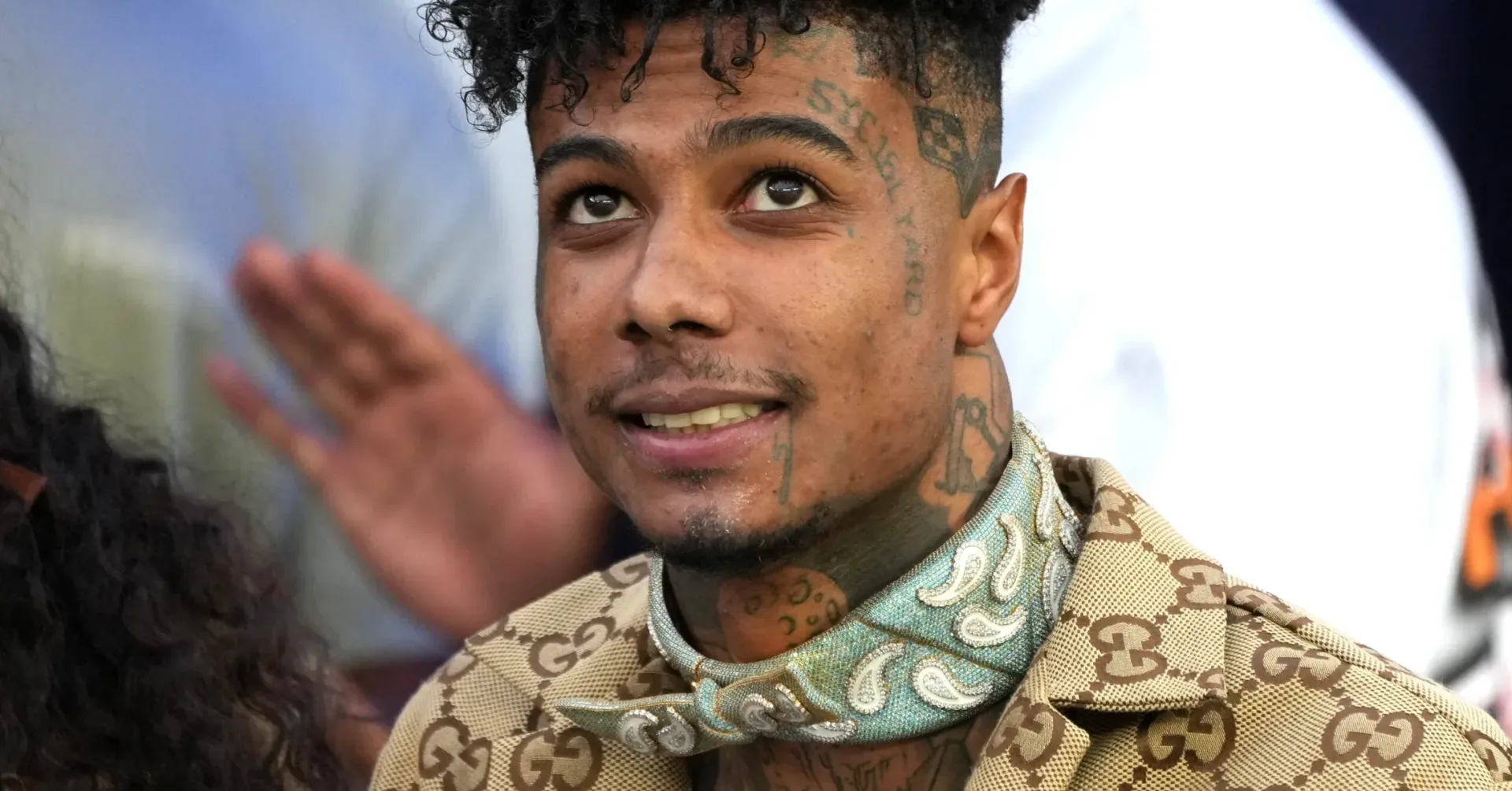
The California rapper was broadcasting from a Miami home when a large police presence reportedly arrived with weapons drawn. Blueface characterized the incident as swatting, the term used when someone makes a false emergency report intended to send armed law-enforcement officers to another person’s location. The allegation is especially alarming because it follows multiple reported swatting episodes connected to his livestreams in recent months.
It is tempting for online audiences to treat a police arrival as another dramatic clip in an endless feed. The reality is not a prank level, a bit of creator drama, or a chaotic live-event mechanic. A false report can put residents, relatives, neighbors, officers and the person being targeted into a high-pressure confrontation based on information that is not true.
A livestream’s openness can become a security problem
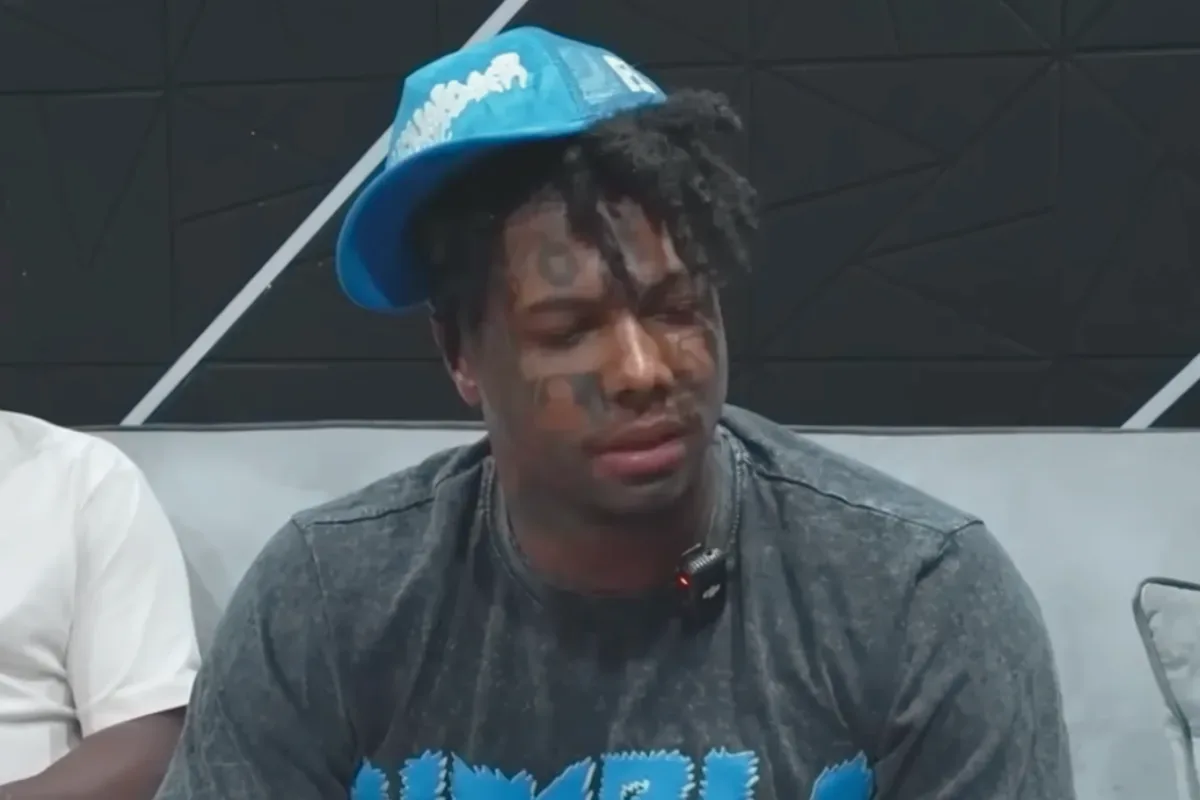
Blueface has publicly described swatting as one of the risks that comes with broadcasting live. When a creator is on stream, viewers may know where that person is or can make guesses based on a recognizable home, business, background detail, travel update, or casual reference. Even without a precise address shown on camera, a determined bad actor may try to turn fragments of public information into a false emergency call.
That is a troubling mismatch between the logic of online attention and the stakes of an emergency response. On a platform, the person filing a false report may be chasing a reaction, trying to disrupt a broadcast, or attempting to prove that they can affect somebody more visible than themselves. In the physical world, officers responding to a report of severe violence must initially treat the possibility seriously. Everyone involved is then forced into a situation shaped by a lie.
The Miami incident appears to underscore the scale of that danger. Reports described officers arriving in significant numbers and with guns drawn while Blueface was live. No independently verified account of the initial report or of any resulting enforcement action was included with the available details, but the central point remains clear: the response was serious enough to interrupt a stream with an armed police presence outside the property.
Three reported incidents in a short span
The Miami call was not presented as an isolated occurrence. In July, authorities were reportedly sent to Blueface’s Canyon Country home during a livestream after someone called 911 with claims that several people had been shot and killed. The caller also allegedly claimed that Blueface had killed his girlfriend and was holding her child inside the home.
Those accusations were extreme, and they predictably prompted an urgent response. Blueface reportedly told viewers at the time that he believed he was being swatted as deputies surrounded the residence. A calm explanation on camera does not eliminate the immediate risk, however. Responding officers cannot safely assume a caller is lying before they have assessed the scene, and a target cannot assume every officer has received the same information at the same time.
Another reported incident followed in August at King of Crabs, Blueface’s restaurant in Santa Clarita. He was reportedly with his ex-girlfriend, Nevaeh Akira, and their newborn son, Jonathan Jr., when deputies responded to another call alleging serious violence.
Blueface was detained at gunpoint while his family was present. Accounts of the encounter said he cooperated with deputies, walking backward with his hands raised, and that all involved were released after authorities determined that no crime had occurred. That outcome is important, but it does not make the episode harmless. The fact that a family, including a newborn child, was reportedly caught up in the response shows how far the consequences of a false call can spread beyond the person whose name may have motivated it.
Why “nothing happened” is the wrong takeaway
When a reported swatting incident ends without an injury or an arrest, online commenters sometimes reduce it to an interruption. That response misses what the incident already required: dispatchers and officers had to devote time and resources to a fabricated report, people at the scene had to react to armed police, and a false allegation of lethal violence was introduced into a real emergency system.
In cases involving a public livestream, the problem can also invite a particularly ugly spectator mindset. A viewer might see police vehicles, hear urgent commands, or watch a creator respond under stress and think of it as content. But the event is not a scripted stunt simply because a camera happened to be rolling. A livestream can document a crisis; it cannot make the crisis fictional.
The reported sequence involving Blueface also illustrates why patterns matter. A residence, then a business, then a Miami home represent different settings with different groups of people exposed to the response. The alleged callers do not only disrupt a celebrity. They potentially involve employees, customers, family members, nearby residents and law enforcement personnel, all of whom have no reason to be part of an online feud or an audience member’s attempt at notoriety.
Public figures are visible, but the threat is broader
Blueface’s visibility makes these encounters widely discussed, yet swatting is not a problem limited to musicians or major streamers. Anyone who shares location details or maintains an identifiable online presence can face similar risks. The core danger comes from converting digital access into a physical intervention, while hiding the person who started it behind a phone call or online account.
Creators who build their work around access face a difficult balancing act. Audiences often reward the feeling that they are present in a creator’s daily life. That can mean showing the room they are in, naming a local venue, streaming from a business, posting travel plans, or interacting directly with viewers at all hours. Those habits can strengthen a community, but they can also make boundaries harder to maintain when a viewer decides attention is not enough.
There is no simple universal fix. Avoiding exact locations, delaying posts until after leaving a venue, carefully moderating chats, and maintaining private channels for concerns are sensible precautions, but they cannot guarantee safety against someone willing to invent an emergency. The responsibility for a swatting call lies with the person making the false report, not with the target for appearing online.
That distinction matters because public figures are frequently told that exposure is the price of visibility. It is not. Being famous, outspoken, controversial, or active on a livestream does not turn a fabricated report of violence into acceptable audience participation. Nor does it make an armed police response an inevitable feature of the entertainment business.
The creator economy cannot normalize real-world interference
Blueface’s situation arrives at a time when creators, artists, athletes and entertainers increasingly communicate directly with fans through live video. The format can be spontaneous and compelling, but its more volatile side deserves equal attention. Platforms and communities may have plenty of tools for managing spam, harassment, impersonation and abusive messages. A false emergency call is more severe because it attempts to use public safety infrastructure as a weapon.
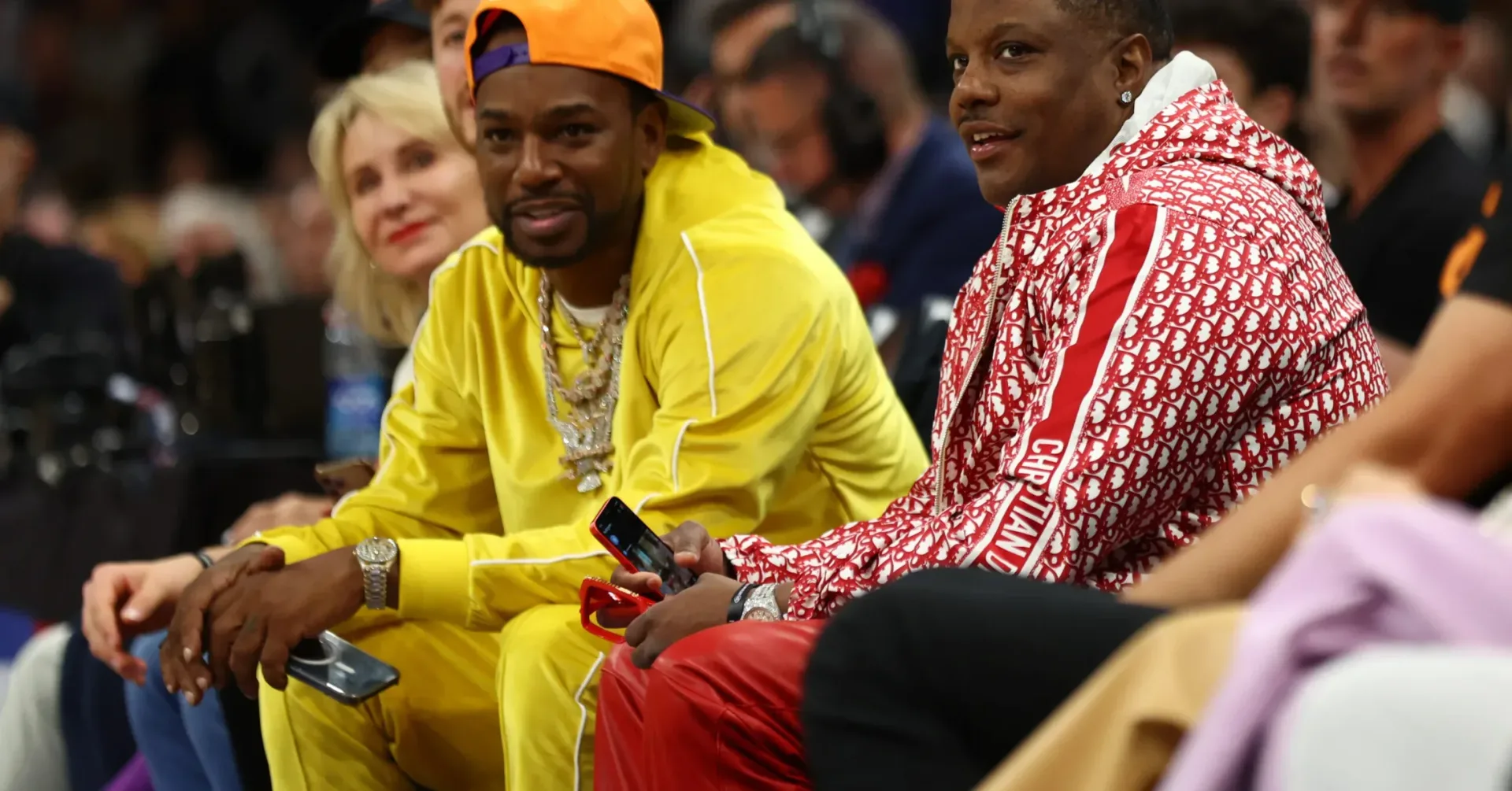
For readers following the wider overlap between music personalities, online culture and public-facing media, there is more creator-world coverage in our look at Cam’ron and Ma$e bringing back It Is What It Is for Season 9. The common thread is that modern entertainment does not stop at a finished song, episode, or performance; public figures are often expected to be constantly reachable. That expectation should never be confused with permission to endanger them.
As reported, Blueface’s Miami experience is another reminder that swatting has consequences far beyond a momentary viral clip. July’s Canyon Country report, August’s Santa Clarita restaurant response, and the latest Miami police presence form a disturbing run of incidents. Even where officers ultimately find no crime, the danger exists in every minute before that determination is made.
The appropriate response from viewers is remarkably simple: watch without trying to control the scene, treat location information with care, and recognize that emergency services are not an extension of a livestream chat. The boundary between online entertainment and real life must remain firm, because false claims can erase it in an instant.