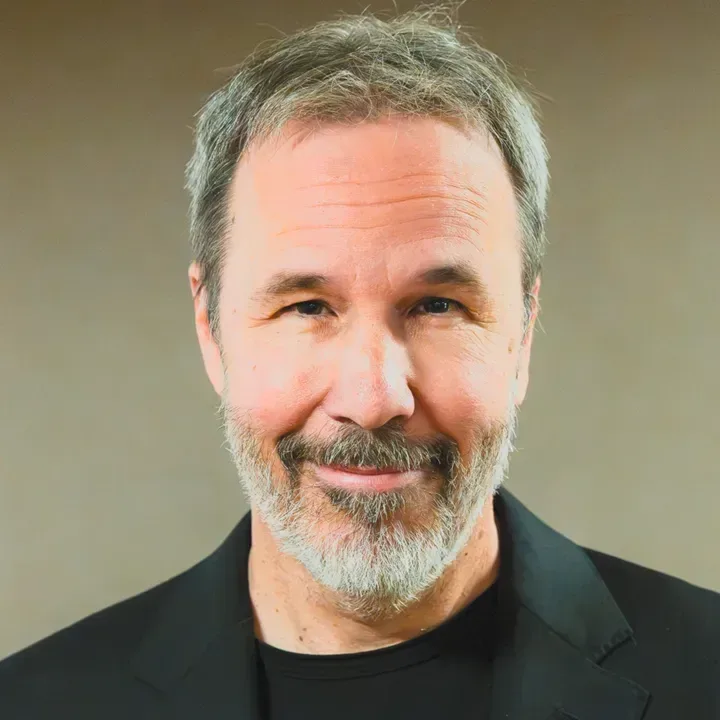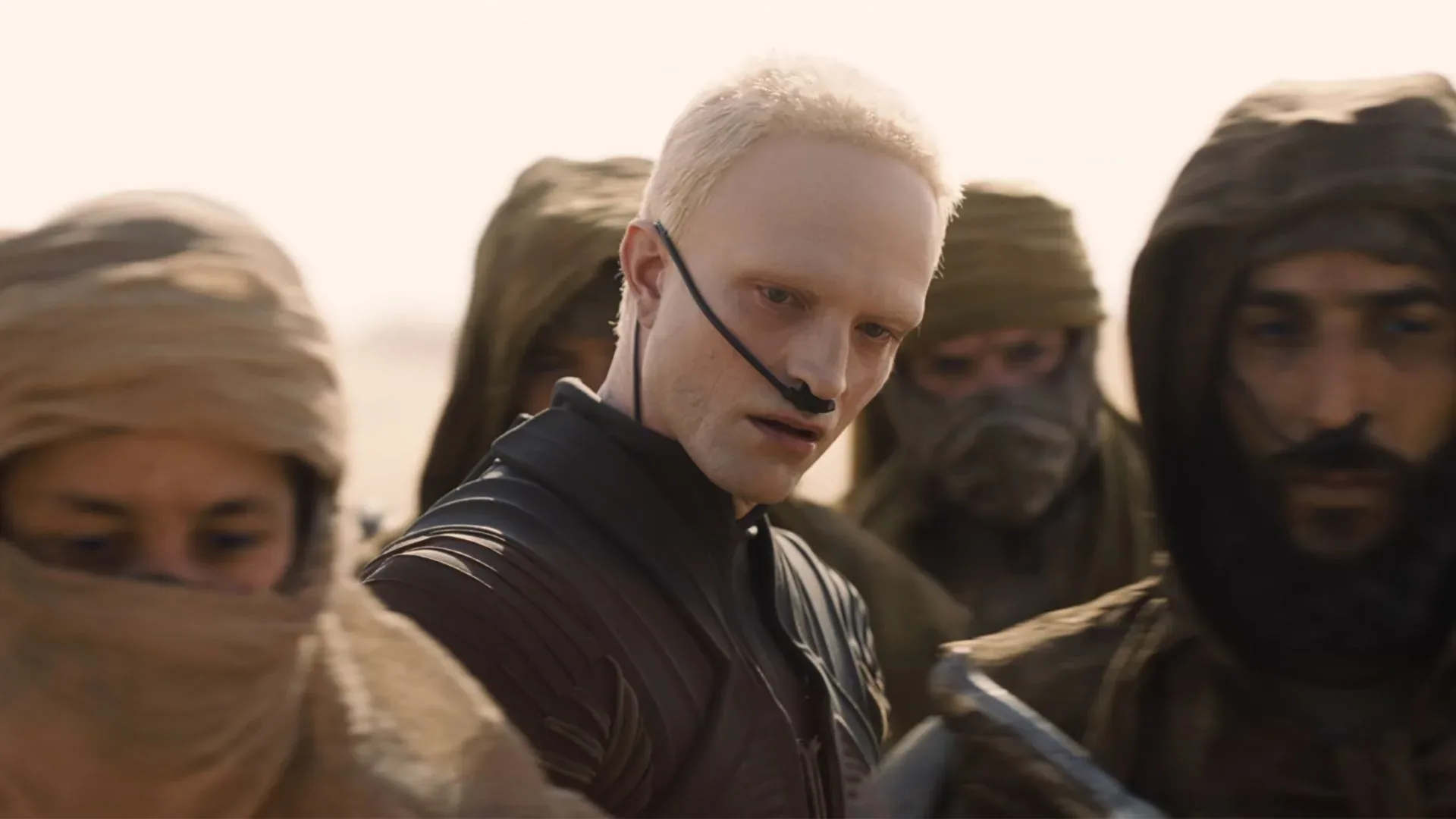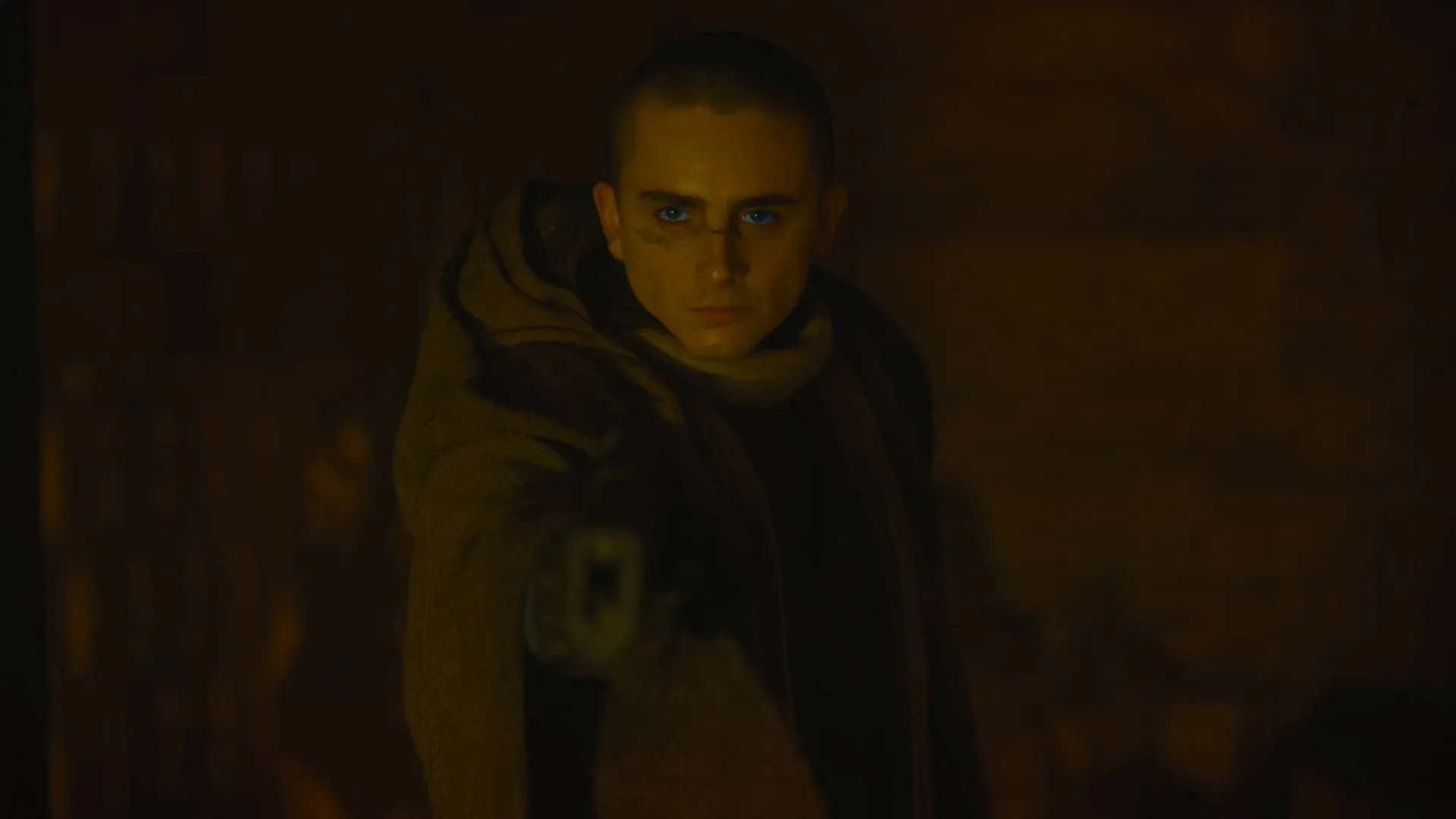
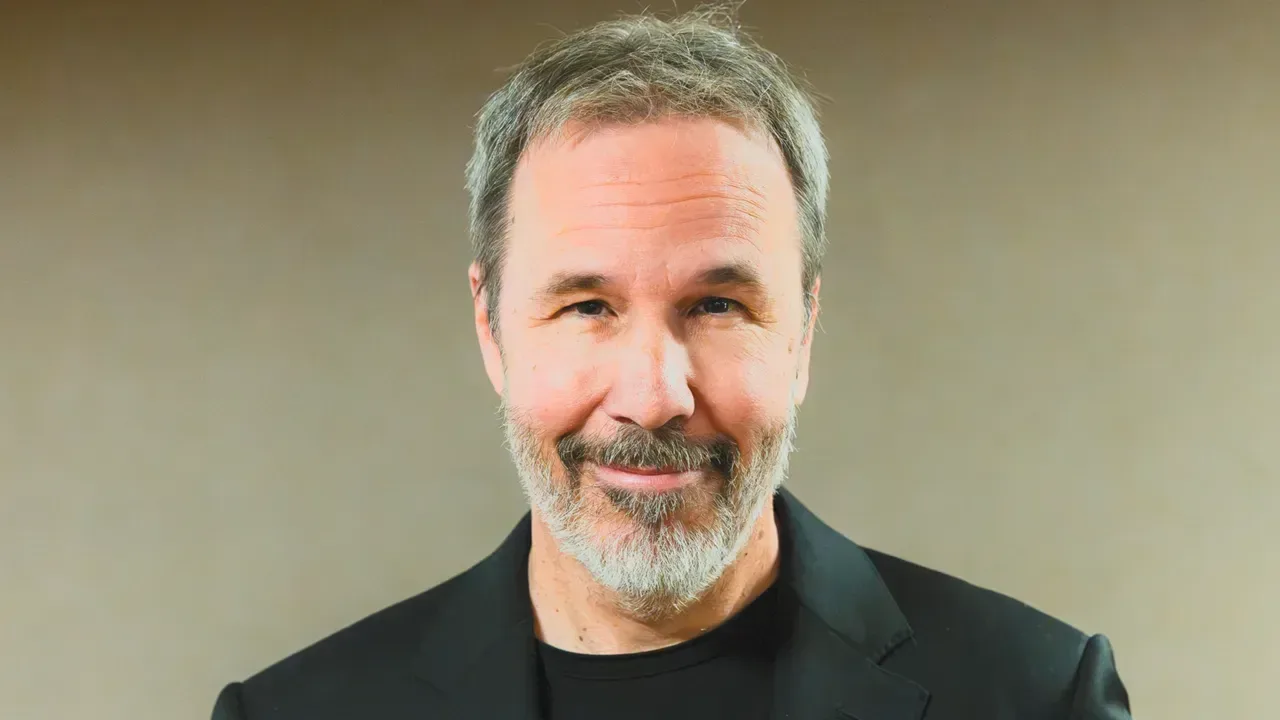
Denis Villeneuve is setting expectations plainly for Dune: Part 3: it will draw on Frank Herbert’s Dune Messiah, but it is not intended to reproduce that novel scene for scene. The filmmaker has described the upcoming movie as his own work, made with respect for the book but shaped by the choices required to turn it into a feature film.
That distinction matters because Villeneuve’s first two Dune films have received broad praise while also prompting continuing objections from some readers over altered, streamlined, or omitted material. For viewers who expected the third movie to restore every missing thread or follow every character and development from Herbert’s text, Villeneuve’s comments point the other way. Part 3 is positioned as the conclusion to his screen trilogy and as a continuation of the version of the universe those films have already established.
Why the title is Dune: Part 3 rather than Dune Messiah
Villeneuve has said the name is an honest signal of the movie’s relationship to its source. He considers the adaptation free enough that calling it Dune Messiah would be misleading. The film uses Herbert’s second novel as a foundation, but the director does not present it as a literal screen equivalent of that book.
His example is striking: an opening battle that runs for about 15 minutes in the film comes from a single sentence in the novel. That is more than compression or a change in dialogue. It is an expansion of the story’s dramatic material for a visual medium, turning a brief textual reference into a sustained sequence with its own cinematic weight.
That choice also clarifies a technical point often blurred in adaptation debates. Fidelity can mean preserving plot events, dialogue, themes, character emphasis, tone, or simply the broad intent of a work. A film cannot always maximize all of those forms of fidelity at once. Villeneuve’s approach appears focused on retaining key ideas and selected dramatic arcs while reorganizing the material around what he considers most powerful on screen.
A chamber piece brought into a blockbuster frame
Villeneuve characterizes Dune Messiah as a chamber piece: a story driven substantially by people meeting indoors, speaking, maneuvering, and responding to a tense political situation. In theater and film discussion, a chamber piece generally refers to an intimate, contained drama rather than an event built principally around large-scale action. That does not mean the material is simple. Villeneuve calls the novel complex, paranoid, and depressing.
The director also frames the novel as a corrective to how the first Dune book could be received. He notes that the original novel can resemble an elegy for a hero, while Herbert wanted to warn readers about messianic figures. In that reading, Dune Messiah does not merely extend Paul Atreides’ journey; it interrogates the implications of treating a charismatic leader as a savior.
That thematic purpose is important to the adaptation conversation. A viewer may reasonably want more of the book’s political conversations or specific supporting characters. Villeneuve, however, is treating adaptation as selection. The question guiding the film is not simply what exists in the novel, but what can carry the warning about power, belief, and messianic leadership in a visual narrative constructed for this trilogy.
“When you adapt, you kill,” Villeneuve said, arguing that adaptation requires choices rather than total preservation.
The phrase is blunt, but its meaning is less dismissive than it first sounds. A filmmaker may remove an idea not because it lacks value, but because a feature film has finite space, a distinct rhythm, and a need for a clear dramatic focus. The alternative is not necessarily a wholly complete version of the book; it may be a movie burdened by too many competing priorities.
The Bene Gesserit are the trilogy’s chosen lens
Villeneuve has identified the Bene Gesserit angle as the aspect of Herbert’s material he found especially inspiring, relevant, and cinematic. That statement provides a useful guide to the trilogy’s priorities. Rather than trying to give equal emphasis to every major concept in the wider Dune universe, the films have elevated this organization and its influence within the story.
In practical terms, choosing a lens is how an adaptation becomes a coherent movie instead of an inventory of lore. The Bene Gesserit focus gives the films a throughline that can connect personal decisions, inherited plans, religious symbolism, and political control. It also means other material can remain outside the frame.
Villeneuve specifically pointed to another possible center for a different adaptation: the idea that humanity fought artificial intelligence and banned machines. He did not say that concept lacks importance. He said it is too much to carry alongside everything else his films are doing. That is a revealing boundary. A future Dune adaptation could reasonably foreground that history, but Dune: Part 3 is not designed to become that project at the end of a trilogy already oriented around other themes.
For book readers, this is the clearest reason to separate two valid experiences. Reading Dune Messiah can offer the novel’s complete shape, including the elements a film leaves behind. Watching Dune: Part 3 will offer Villeneuve’s interpretation of its most cinematic and thematically urgent material. Neither experience replaces the other, and the director is not claiming they should.
What audiences should and should not expect
The available details suggest audiences should expect a film that continues the story of Paul Atreides and Arrakis through Villeneuve’s established visual and thematic approach. They should also expect departures from the book’s structure, including newly enlarged action material and a concentration on particular ideas rather than the whole breadth of Herbert’s setting.
They should not expect the title Dune: Part 3 to function as a promise of page-by-page Dune Messiah coverage. The title instead separates the movie from the novel while acknowledging its inspiration. It is a useful label for a work that wants to finish a film trilogy on its own terms.
That does not end the book-purist debate; no adaptation philosophy can do that. Some viewers value exact narrative preservation above all else, while others accept larger changes when the new medium creates its own effective version of a story. Villeneuve’s argument is that respect is compatible with alteration. His trilogy has made its choice of emphasis, and its final chapter will follow that path rather than attempt a late course correction.
Release date and cast
Dune: Part 3 is scheduled to premiere on December 18, 2026. Timothée Chalamet, Zendaya, Jason Momoa, Robert Pattinson, Florence Pugh, and Anya Taylor-Joy are among the announced cast.
The date places the film opposite Avengers: Doomsday, another major franchise release scheduled for December 18. The shared date has already inspired the nickname “Dunesday,” though the two films represent very different blockbuster propositions: one closes Villeneuve’s Dune trilogy, while the other is a Marvel event film.
For fans thinking about the tangible side of a theatrical release—tickets, commemorative containers, and other venue items—basic product research still matters. A barcode scan can help identify an item, but it should not be treated as a complete answer on authenticity, edition, or value; this guide explains why collectors should treat a barcode result as a starting point.