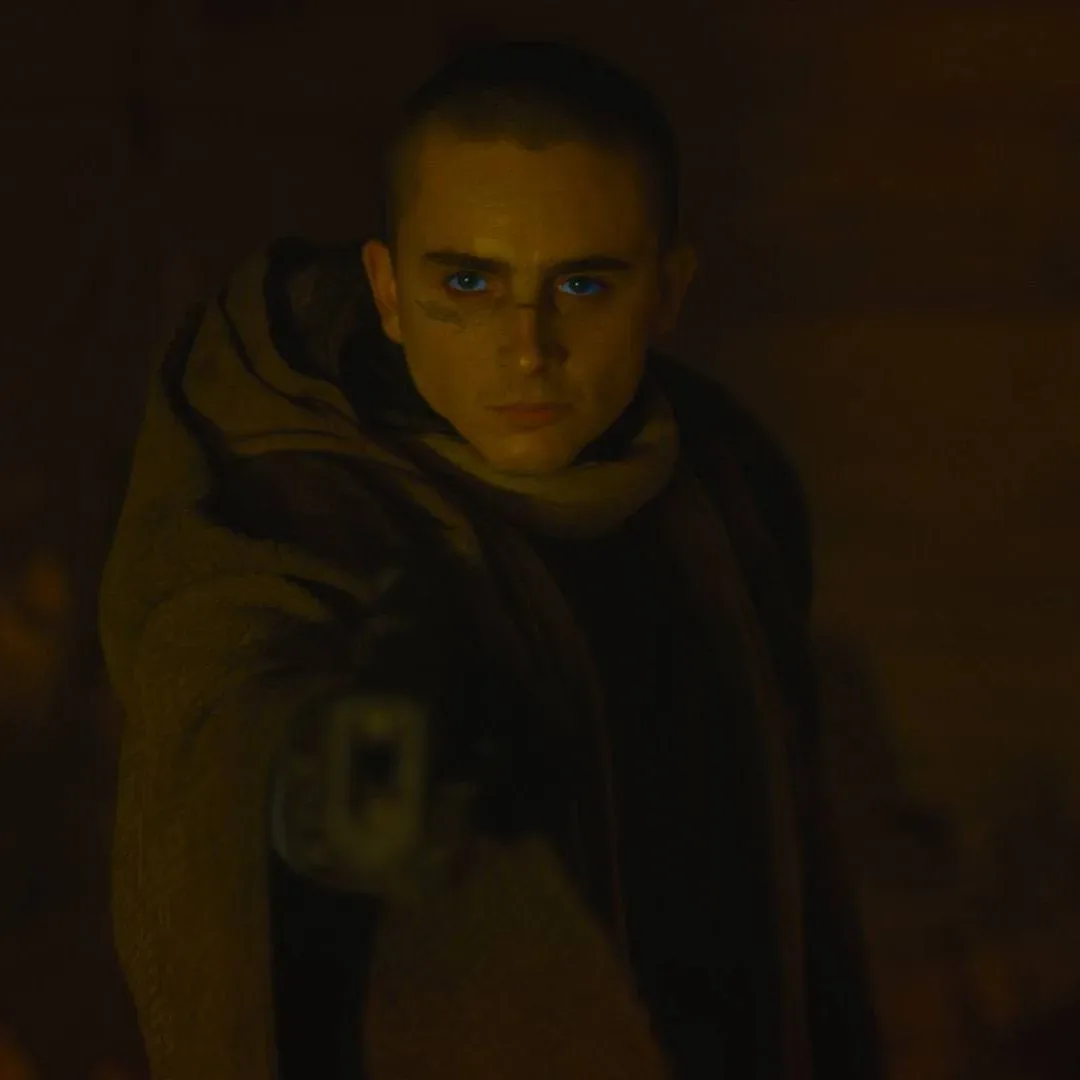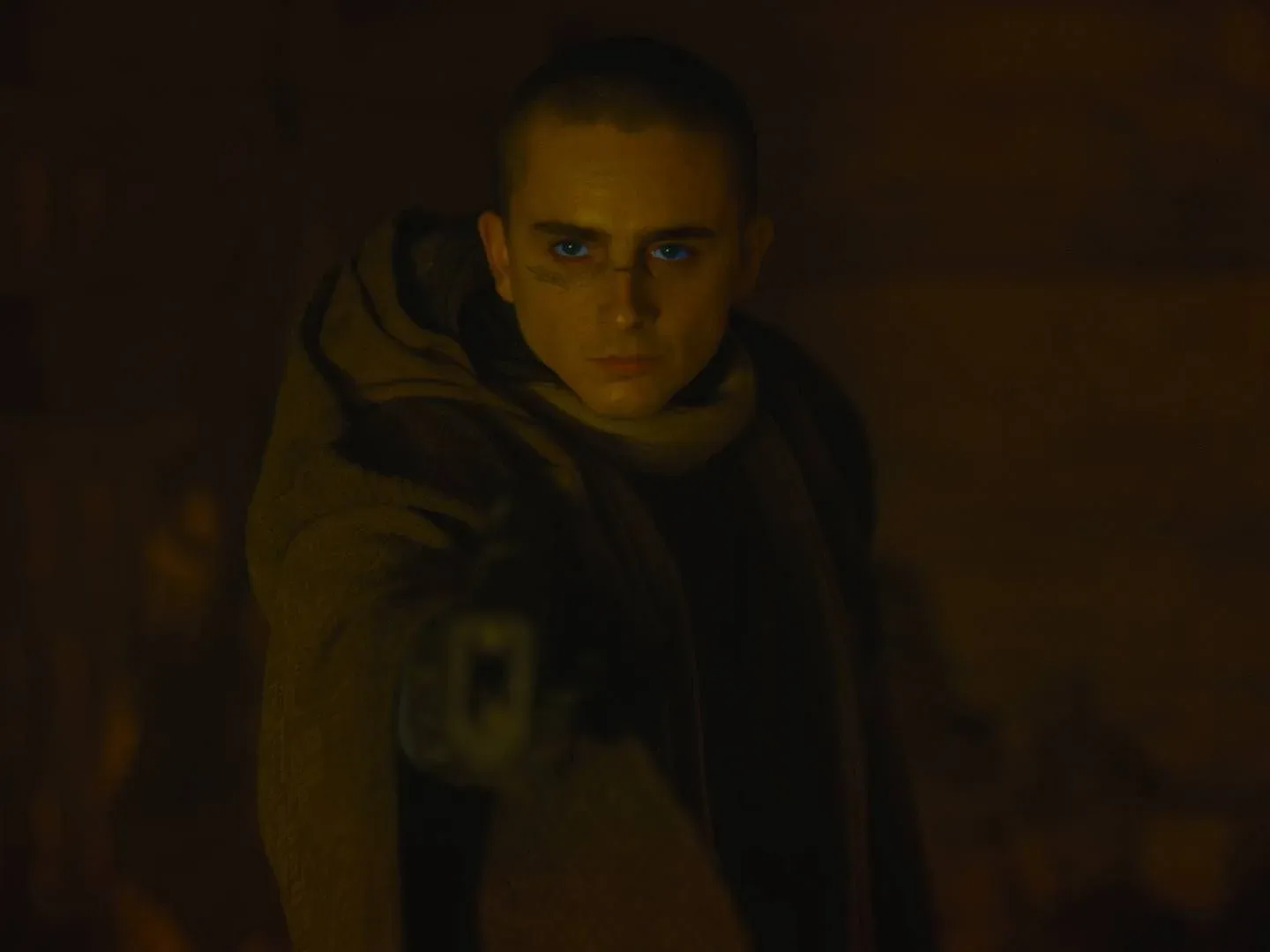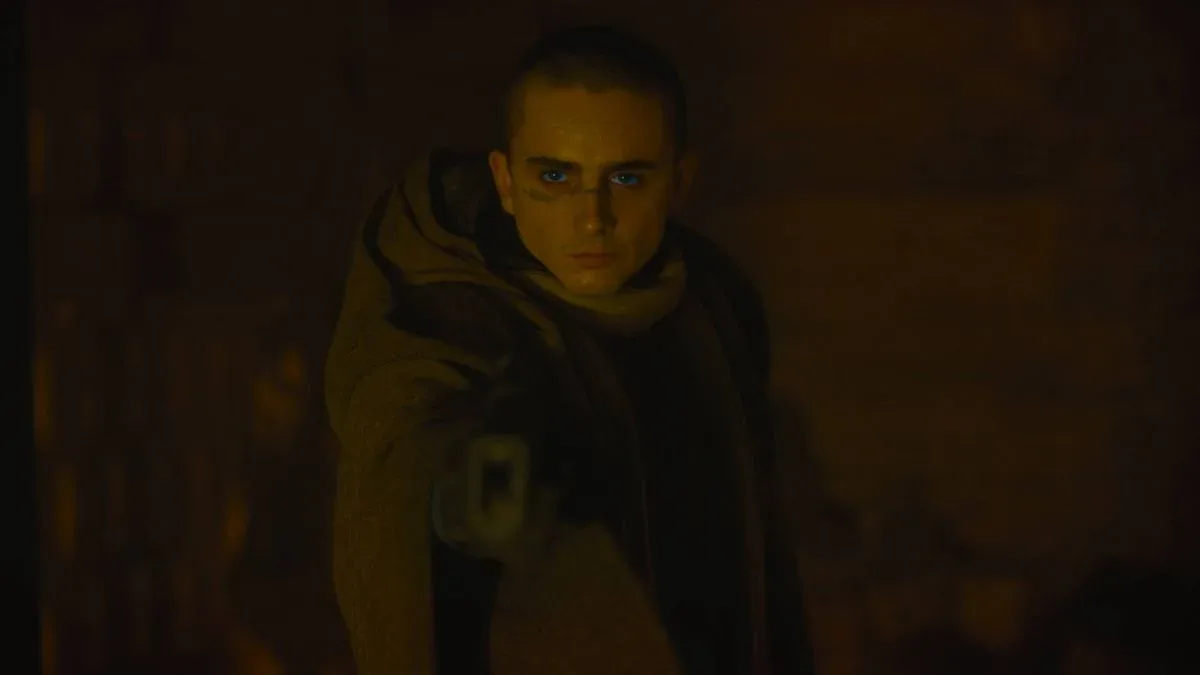
Major discussion of the existing Dune films follows, alongside book-story references beyond Dune: Messiah.
With Dune: Part Three approaching its December 18 theatrical release, a set of fan theories has put an unusually fitting question at the center of discussion: what if the differences between Denis Villeneuve’s films and Frank Herbert’s novels are not merely adaptation choices, but evidence that the films depict a different possible future seen by Paul Atreides?
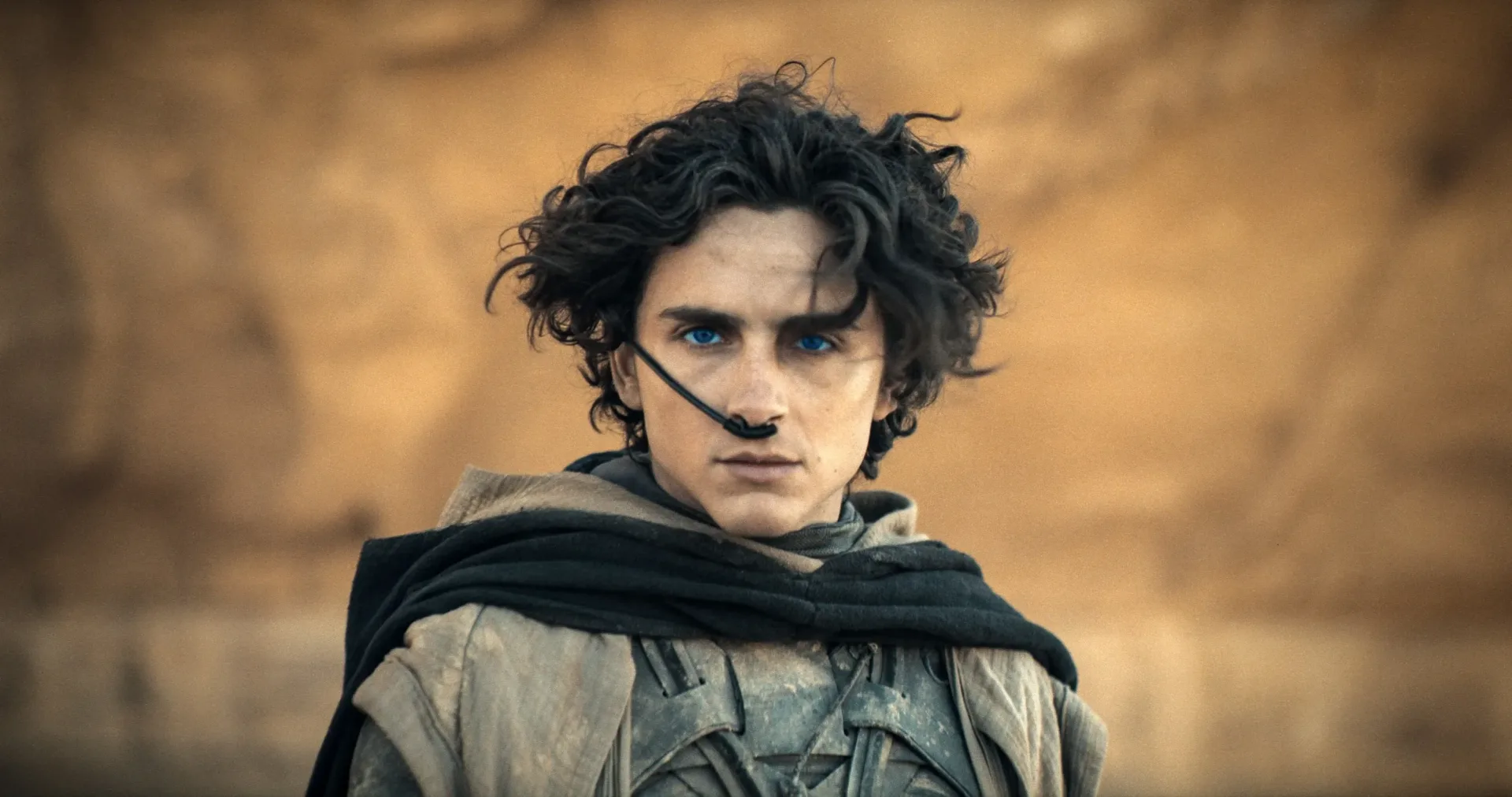
It is an interpretive theory rather than a confirmed plot reveal. Still, it has traction because the movies have already made Paul’s visions a core part of their language. Futures arrive in fragments, people appear in roles they do not ultimately occupy, and the images are often emotionally meaningful even when they do not become literal events. That gives viewers room to examine what they have seen without treating every departure from the novels as a continuity error.
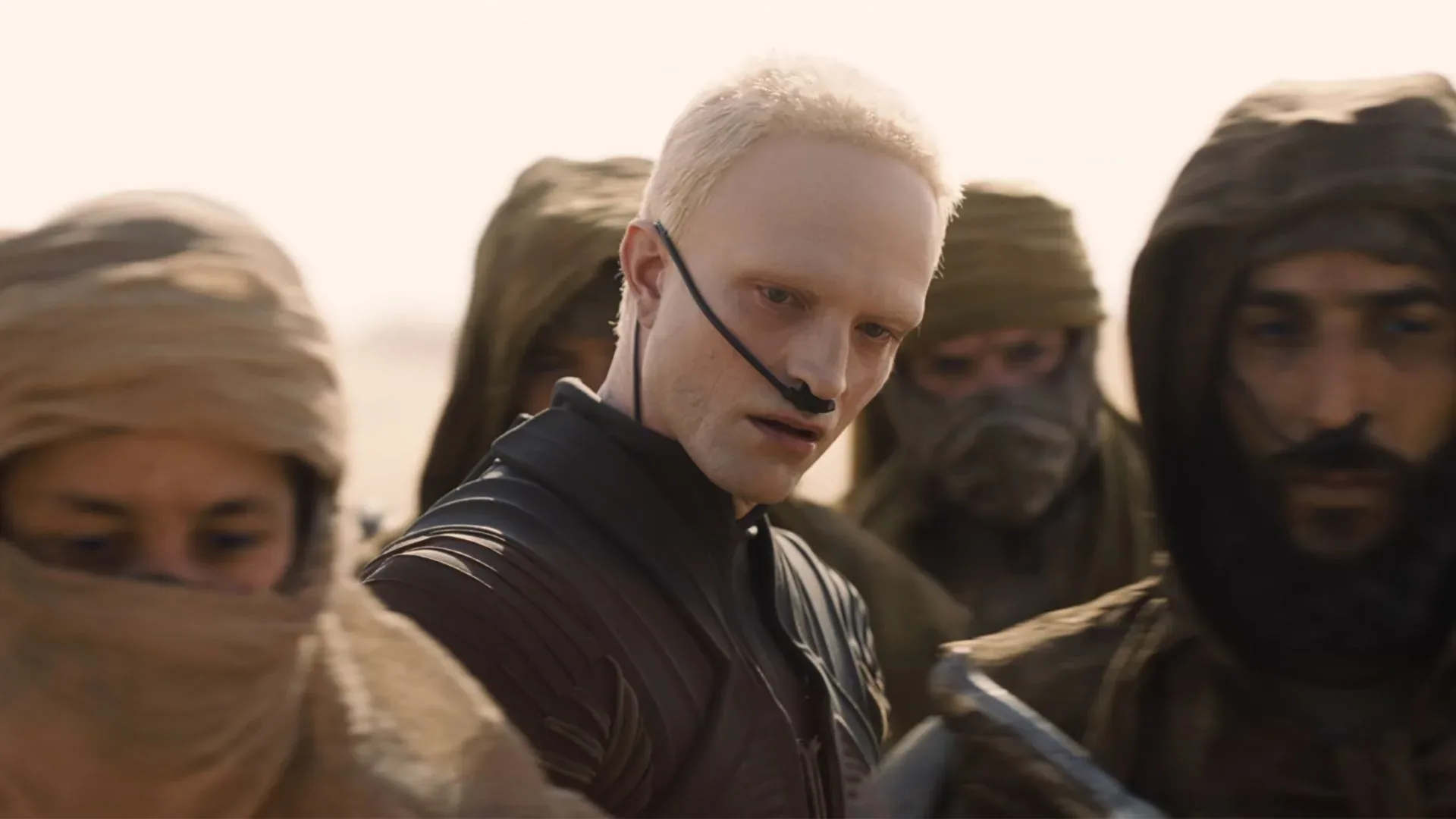
The theory also comes at a useful time. The forthcoming film is positioned to complete Villeneuve’s trilogy, while the material already shown points to an increasingly isolated and dangerous Paul. The trailer includes Arrakis action, Robert Pattinson’s Scytale, and Zendaya’s Chani seemingly attempting to kill Paul. Timothée Chalamet has said he is “absolutely satisfied” with the ending, but the precise meaning of that ending remains unknown.
The alternate-vision theory, explained
The central idea is straightforward: the film trilogy could be understood as one of the alternate timelines available to Paul’s prescient awareness, while the novels represent another. In that reading, both versions can sit inside a shared broader universe without requiring their events to match exactly.
Prescience, in this context, means an ability to perceive possible futures rather than simply predicting one guaranteed outcome. That distinction matters. A vision is not necessarily a promise; it can be a warning, a temptation, a path avoided, or a future made possible by a particular decision. The films repeatedly encourage that ambiguity by showing Paul visions that have emotional force even when the exact scenario does not occur.
The fan argument does not establish that Villeneuve has secretly built an alternate-timeline framework into the trilogy. There is no confirmation of that. But it provides a way to connect a storytelling device already visible on screen—Paul’s fractured awareness of future possibilities—with the inevitable changes that occur when a dense novel is translated into a film series.
The Baron Harkonnen example
The clearest example raised by fans concerns Baron Harkonnen’s death. In the novel, Alia kills her grandfather. In Dune: Part Two, Paul kills the Baron instead. The books also include a future Paul imagines in which he is the one who kills the Baron.
Under the alternate-vision reading, the film event is not simply a replacement for the book event. It could be the realization of a path that the literary Paul saw as a possibility. That is the elegant part of the theory: it uses a difference between versions as its supporting evidence, rather than trying to argue the difference away.
There is also a more grounded explanation, of course. Films often redistribute events and character actions to fit their own pacing and dramatic priorities. A theory should not erase that practical reality. Yet Dune is especially inviting terrain for this sort of interpretation because its protagonist’s relationship with the future is explicitly complicated. Paul is not a conventional hero who simply receives spoilers for his own life; he is someone confronted with branching consequences, including catastrophic ones.
Jamis and Chani show why visions should not be read literally
The two existing films already supply useful evidence for why viewers should be careful with Paul’s foresight. In Dune: Part One, Paul sees Jamis as a friend and ally. But Jamis, played by Babs Olusanmokun, is killed by Paul at the end of that film. The vision therefore cannot be treated as a direct preview of the one future that must happen.
That does not make the vision meaningless. It can still reveal a route Paul might have taken, a relationship that could have developed, or an emotional truth about the life and guidance he loses through the duel. It also establishes a crucial viewing rule for the films: a future image may be informative without being literal.
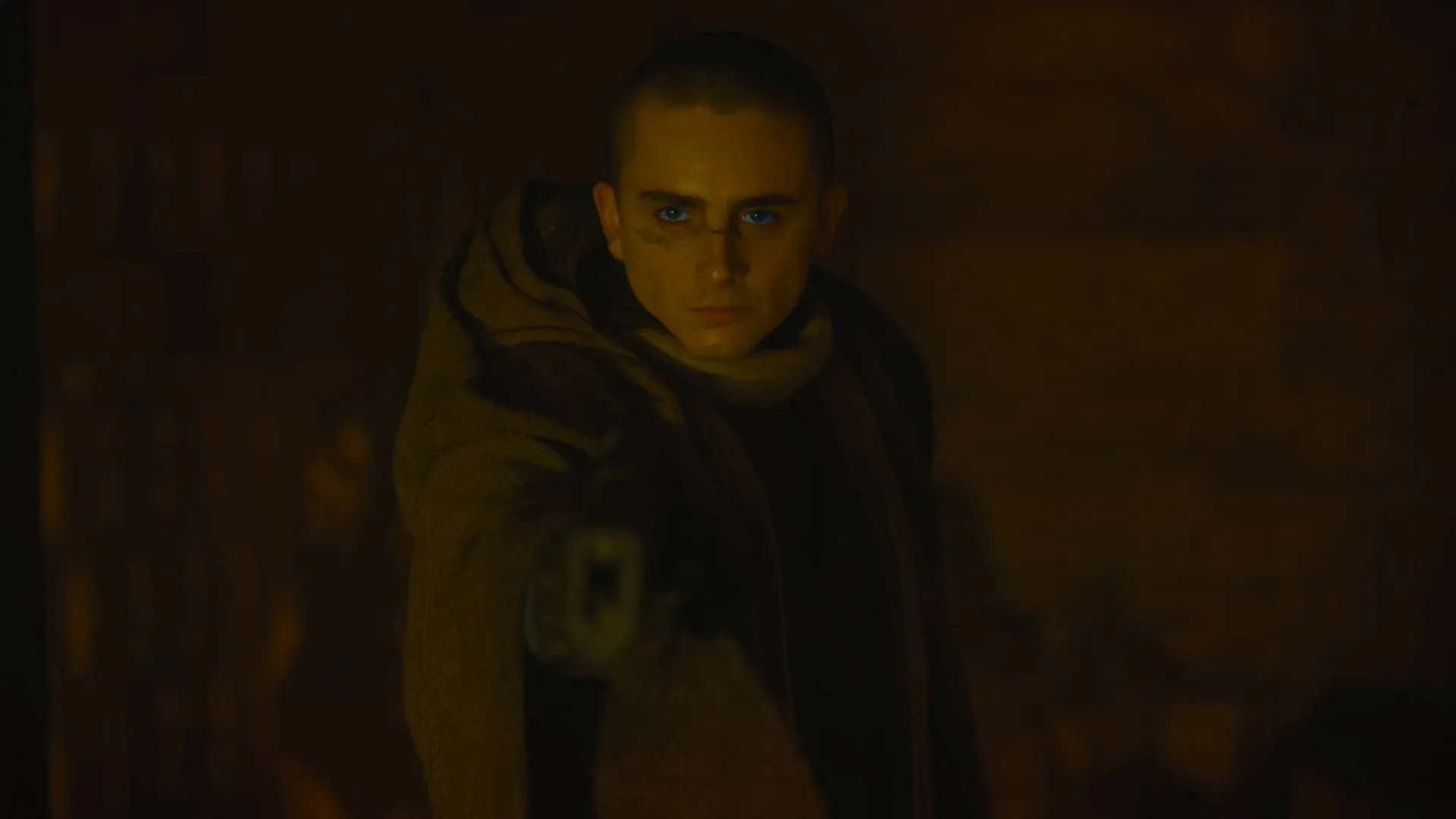
Chani offers an even broader example. Part One includes a vision of her beside Paul as he unleashes the Fremen on the universe. The ending of Part Two, however, places her in direct opposition to what Paul has become and the violence carried out in his name. The material associated with Part Three indicates that the conflict has intensified by the time of the new film, set 19 years later.
Again, the vision and the eventual course of events do not line up in a simple way. The image could represent an unrealized future, an emotional connection that persists despite political rupture, or a deliberately unsettling glimpse of the path Paul fears and helps bring about. It cannot be treated as proof that Chani eventually accepts Paul’s campaign. The end of Part Two supplies strong reason to resist that assumption.
For viewers revisiting the first two films before December, the practical takeaway is simple: note who appears in each vision, but also note the context and the consequences. A vision’s value may lie in what it says about Paul’s choices rather than in its accuracy as a scene-by-scene forecast.
What the Kwisatz Haderach label adds
Paul’s role as the Kwisatz Haderach is essential to this conversation. The term refers to his extraordinary abilities, including the capacity to see across possible timelines. It is why the alternate-vision theory is at least compatible with the story’s internal rules. The films do not need an external multiverse-style explanation for fans to imagine divergent outcomes; Paul’s own perception supplies the mechanism.
That does not mean every visual or narrative difference should be filed under “prescience.” It is more useful as a lens than a catch-all answer. The lens helps explain why Dune’s visions feel unlike ordinary prophetic dreams. They do not merely announce what will occur. They burden Paul with awareness of what could occur, while making his attempts to act on that knowledge part of the machinery that leads toward catastrophe.
This is also why the theory fits the films’ increasingly grim view of Paul’s ascent. His future sight does not grant easy control. It makes him more aware of the terrifying scale of the outcomes connected to his decisions. Chani’s rejection of him at the end of Part Two ensures that the human cost is not hidden beneath a victory narrative.
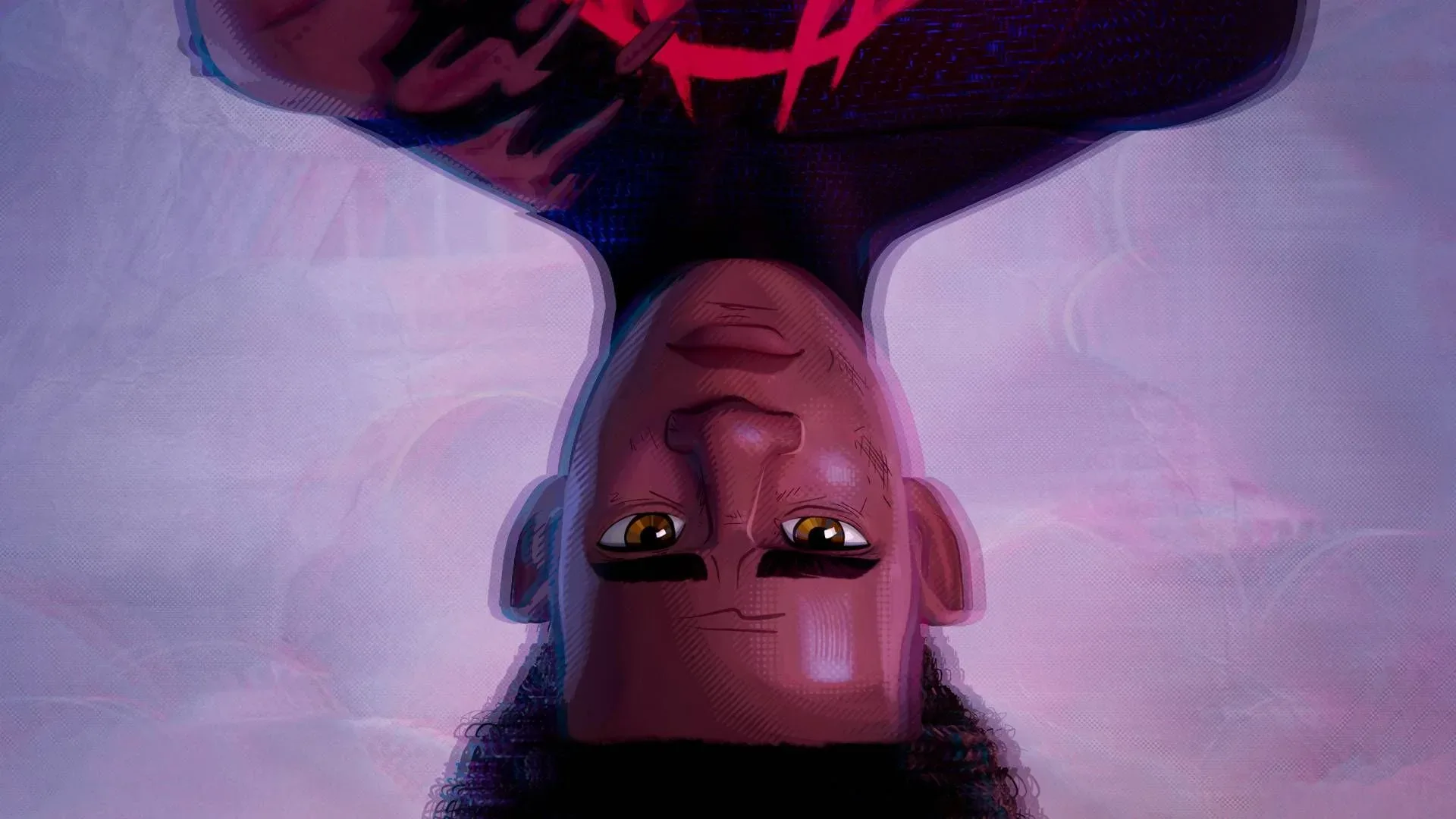
Fans looking for more genre discussion while waiting can also see how another major franchise is building anticipation around its next chapter in this update on Beyond the Spider-Verse.
The opening-voice theory goes much further
A separate fan idea makes a much bolder claim about the mysterious voice heard at the beginning of Dune: Part One. Rather than identifying it only as a Sardaukar throat-singer, the theory suggests it could belong to God Emperor Leto II: a descendant of Paul from thousands of years in the future.
This is a substantial book spoiler for readers who have not gone beyond Dune: Messiah. The key claim is that Leto II could function as a narrator and final historical witness because he carries genetic memories and has access to Paul’s full journey in that sense.
The appeal is obvious. It would turn a striking opening sound into a connection across an enormous sweep of the saga’s history. It also resonates with Dune’s fascination with ancestry, inherited memory and lives shaped by forces far larger than a single generation.
But this theory is markedly more speculative than the alternate-vision interpretation. The supplied evidence does not confirm the identity of the voice as Leto II, nor does it establish that the trilogy intends to reach that far into the chronology. It is best enjoyed as a provocative possibility, not as a clue viewers should assume has been solved.
What is actually known about Part Three
The confirmed picture is narrower but still substantial. Dune: Part Three is set to finish Villeneuve’s trilogy and is scheduled for theaters on December 18, the same day as Avengers: Doomsday. Chalamet has expressed satisfaction with the ending. Pattinson’s Scytale appears in the most recent trailer, while Chani’s conflict with Paul is foregrounded.
There is also one notably enormous production detail: Pattinson has said a 350-foot-long sandworm model was used on set. That speaks to the physical scale involved in creating Arrakis, although it does not reveal anything definitive about the story or the film’s final shape.
What viewers should avoid is converting fan pattern-spotting into expectation. Neither the alternate-timeline idea nor the opening-voice theory has been confirmed. A theory can make a repeat viewing richer without becoming a prediction that the film is obligated to fulfill.
Why these theories are worth discussing anyway
At their best, these readings draw attention to what Dune has already made dramatically important: the tension between seeing the future and choosing within it. The movies have used visions not as a simple answer machine, but as an engine of uncertainty. Jamis can be imagined as a companion and still die. Chani can appear near Paul in a future image and still reject the atrocities linked to his rule. A vision can illuminate a possibility without absolving the person who pursues it.
The alternate-timeline framework takes that uncertainty and applies it to the relationship between page and screen. Whether or not it proves intentional, it offers a thoughtful way to appreciate the adaptation as a work with its own internal dramatic logic. The Leto II theory, meanwhile, shows how one unsettling audio choice can invite fans to consider Dune on a far larger historical scale.
For now, the only responsible certainty is that these are theories. The completed trilogy will determine whether any hidden connection is made explicit—or whether the most revealing answer remains the one Dune has emphasized all along: knowing possible futures is very different from escaping their cost.