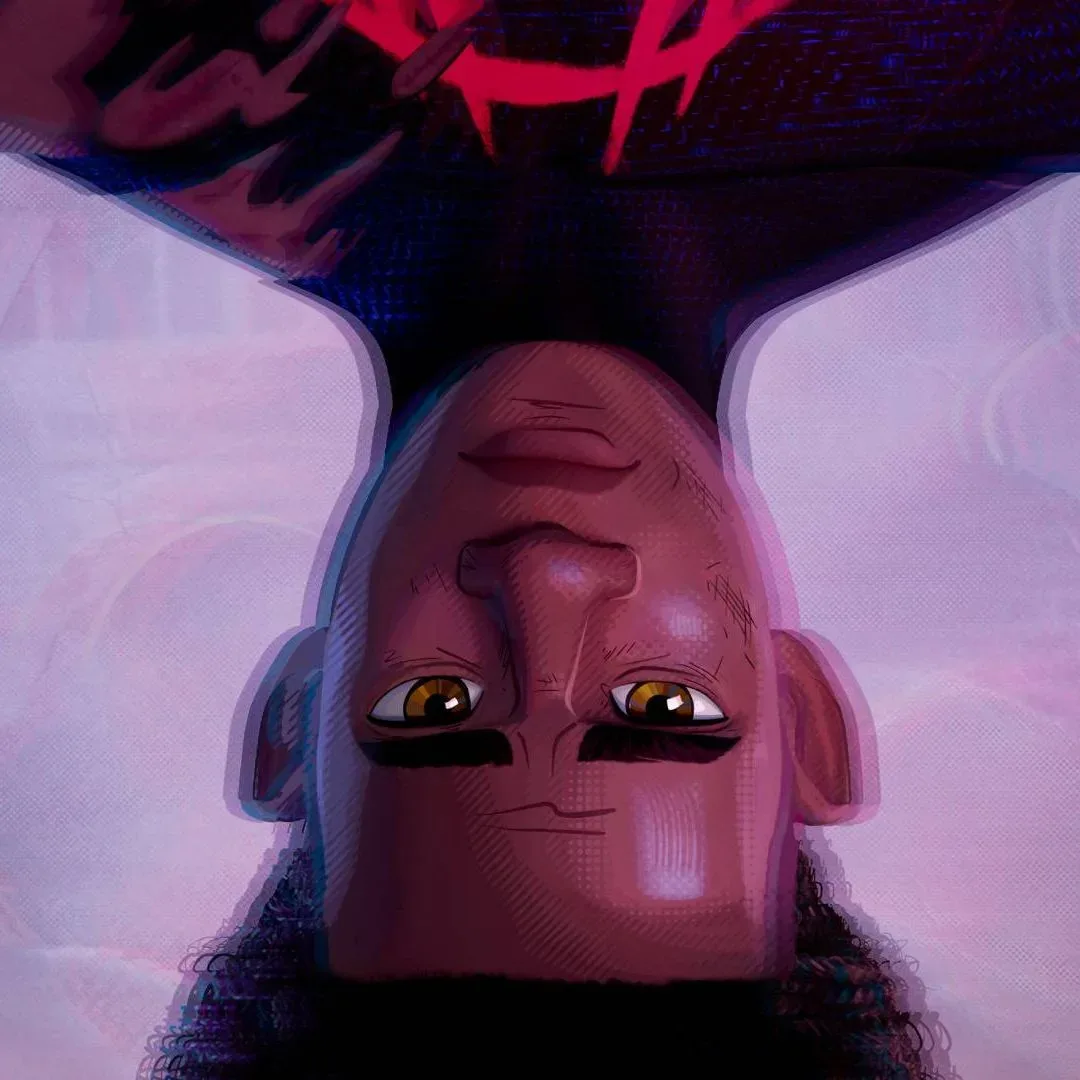
Spider-Man: Beyond the Spider-Verse is still a considerable distance from theaters, but composer Daniel Pemberton has offered an encouraging update on the state of its story. Pemberton said that the most recent version he watched made him cry multiple times, despite being an early animatic cut rather than a finished film.
That distinction matters. An animatic is an in-progress assembly used to establish the rhythm, staging, narrative clarity, and emotional flow of a movie before its final visual polish is complete. In animation, that can mean viewers are responding to edited storyboard-style material and temporary elements rather than the fully realized imagery audiences will eventually see. If a sequence is already communicating its intended feeling at that stage, it suggests the filmmakers believe its dramatic framework is working before the final layers are added.
“The last cut I saw made me cry multiple times,” Pemberton said. “And when something can do that when it's an animatic, and it's still early, it's like – I think everyone's going to be in for a real treat.”
Pemberton also framed the project in unusually high-stakes terms, saying the team knows it has to create “the greatest ending to a trilogy ever.” That is an ambitious standard, particularly for a finale arriving after a cliffhanger designed to leave viewers waiting for resolution.
An early emotional response, not a finished-film verdict
It is worth drawing a firm line between Pemberton’s reaction and a broader assessment of the finished movie. He is a key creative contributor discussing a developing production, and the film remains unfinished. His comments are not a substitute for completed footage, audience response, or a guarantee that every viewer will have the same experience.
Still, the detail that he reacted emotionally to an animatic is notable. A movie’s final music, color, sound design, vocal performances, and completed animation can all intensify a scene. But those elements generally work best when the sequence already has a clear emotional purpose. Pemberton’s comments point to confidence in the underlying story and edit, rather than simply confidence in surface-level spectacle.
For a series known for bold visual construction and multiverse-scale stakes, that is potentially reassuring. The challenge for a concluding chapter is not just to be bigger; it needs to give its major characters and its central conflict a satisfying destination. Pemberton’s reaction suggests the team is focused on that internal payoff.
The wait now ends in June 2027
Beyond the Spider-Verse is scheduled to arrive on June 18, 2027. The film had previously been set for 2024, making the current date a substantial delay. It will also create a four-year gap from the 2023 installment.
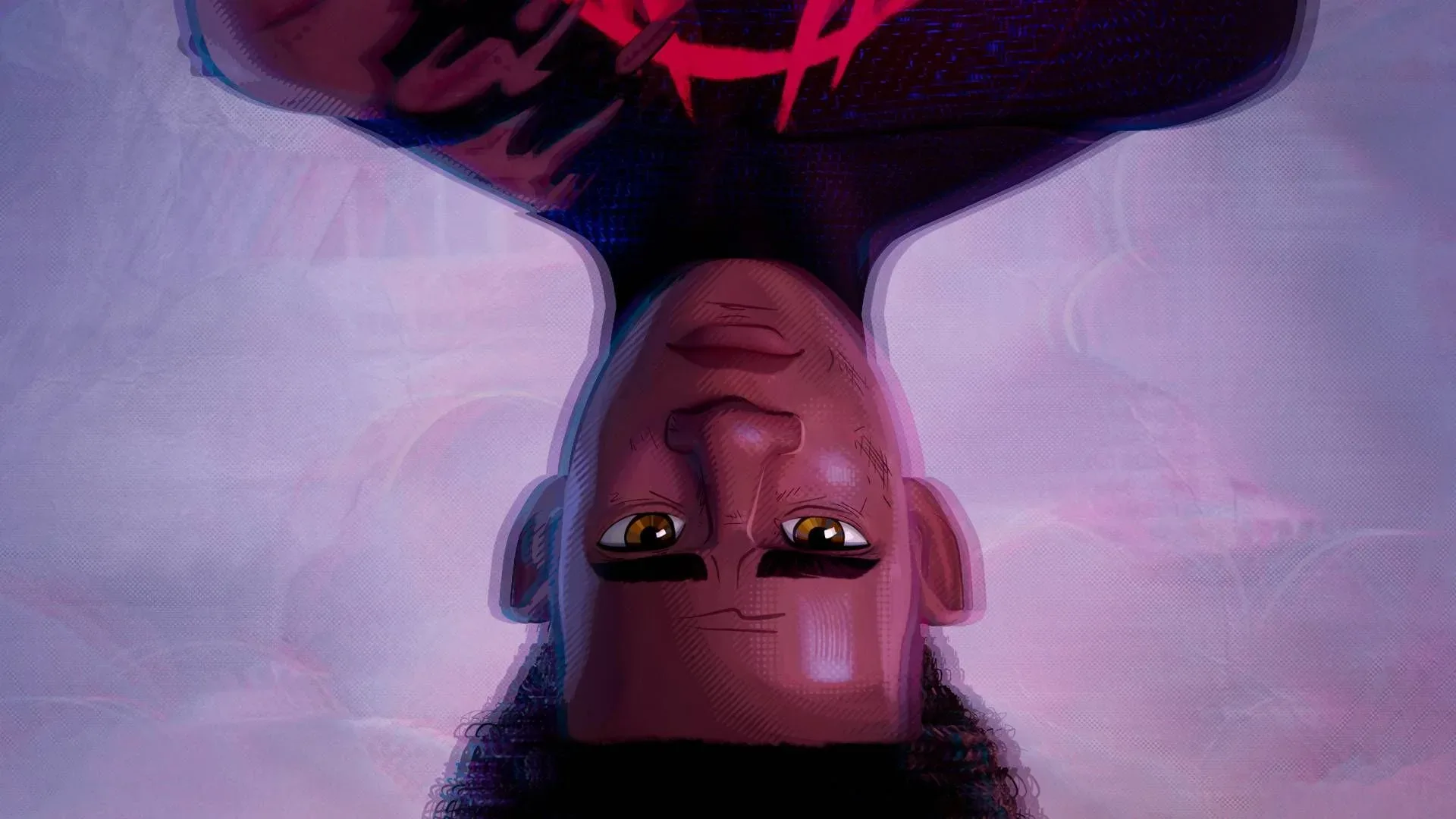
That lengthened wait is especially acute because the earlier film ended with Miles Morales stuck in the wrong universe and confronted by a version of himself operating as the Prowler. That ending did not merely tease another adventure; it paused Miles at a direct personal confrontation while broader questions about his circumstances remained unresolved.
As a result, the final chapter has several kinds of expectation to meet at once. It has to return to the immediate situation involving Miles and his Prowler counterpart. It also needs to justify the delay in emotional terms, providing a resolution that feels earned rather than simply delayed. Pemberton’s remarks do not reveal plot details, but they indicate that the material being assembled aims for a powerful response.
Why the “trilogy ending” target matters
Producer Christopher Miller has previously said that the filmmakers place the greatest pressure on themselves. He described the driving goal as surpassing what came before, showing audiences things they have not seen and making the experience feel new, while also producing something worthy of the first two films.
That perspective helps explain why the team may be treating the final installment as more than a conventional sequel. A trilogy finale has to function as its own movie, but it also carries the accumulated meaning of the preceding entries. It is expected to reward long-running character arcs, pay off cliffhangers, and preserve the distinct identity that brought audiences to the series in the first place.
The balance is tricky. Escalation can refer to scale, but scale alone does not resolve the personal stakes established by a story. The immediate unresolved thread here is deeply tied to Miles himself: he is stranded, displaced, and face-to-face with an alternate version of his own identity. That premise naturally creates room for a conclusion centered on character as well as multiverse mechanics.
Pemberton’s language puts the emphasis on emotion, while Miller’s comments emphasize the creative standard the team has set. Taken together, those remarks suggest a final film being built around the dual challenge of delivering something visually and structurally ambitious without losing the human stakes that make the premise matter.
What an animatic can tell filmmakers
An animatic is not the same as final animation, and it should not be interpreted as evidence that the movie is nearly complete. It is better understood as a planning and storytelling tool. By putting scenes into sequence, creators can judge whether information arrives at the right time, whether momentum holds, and whether a dramatic turn lands.
That process is particularly important for a film that must pick up from a cliffhanger. The filmmakers need to orient viewers after the gap between releases while maintaining the tension created by the previous ending. They also have to move from a startling reveal into a story substantial enough to carry a feature-length conclusion.
The emotional test Pemberton describes is one useful signpost in that process. If an early version can generate a strong reaction, the team has something concrete to protect as it continues refining the movie. It does not mean no changes will happen. In-progress cuts can evolve significantly. But it gives the creative team a benchmark: preserve the clarity and feeling that caused the response in the first place.
A measured reason for optimism
There is no new footage, plot synopsis, or final creative reveal in Pemberton’s comments. Fans should not mistake an emotional reaction to an unfinished cut for confirmation of specific character outcomes or story events. The central confirmed details remain straightforward: the film is in development, Pemberton has seen an early animatic version, and it is set for June 18, 2027.
Even so, the update is meaningful because it speaks to the aspect of a long-awaited finale that is hardest to quantify: whether it can land emotionally. A visually inventive sequel can surprise viewers. A satisfying trilogy closer must also make its biggest story beats feel consequential.
For now, audiences have a release date and a cautiously promising creative update from the composer. The wait for Miles Morales’ next move continues, but Pemberton’s reaction suggests the team sees the unfinished film as more than a technical exercise in scale. It is aiming to make its ending felt.
For more film development news, see the latest on the 1408 sequel in development.