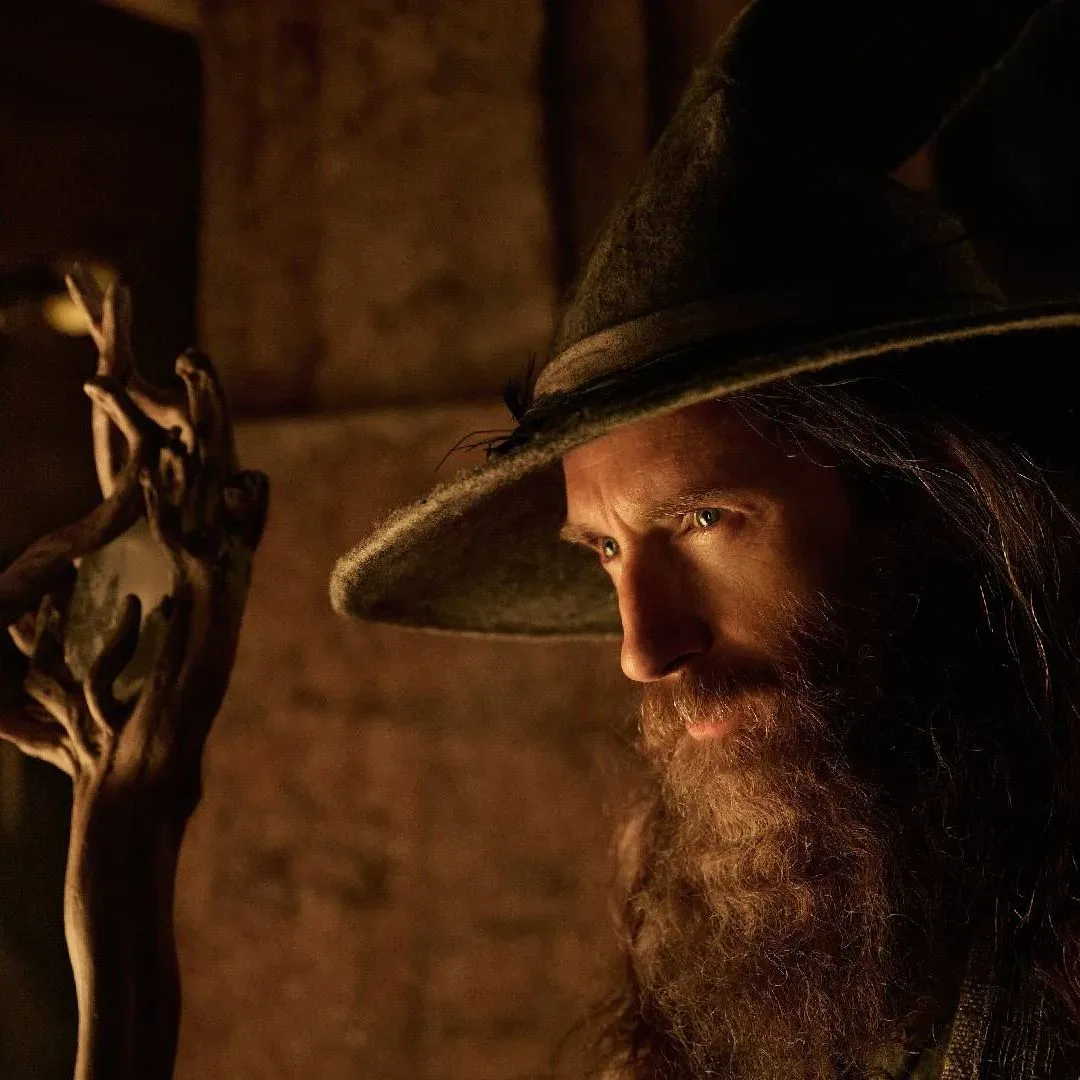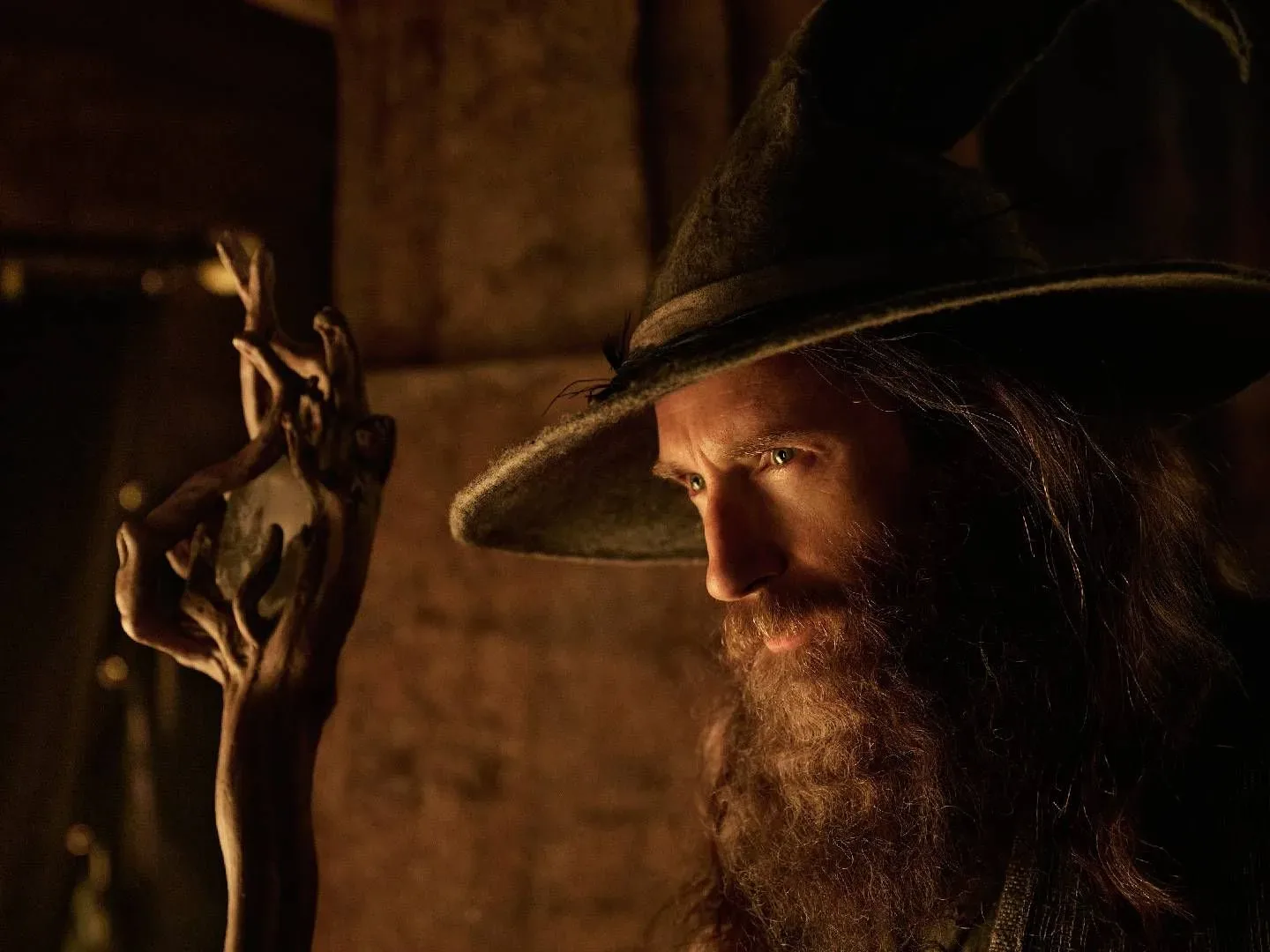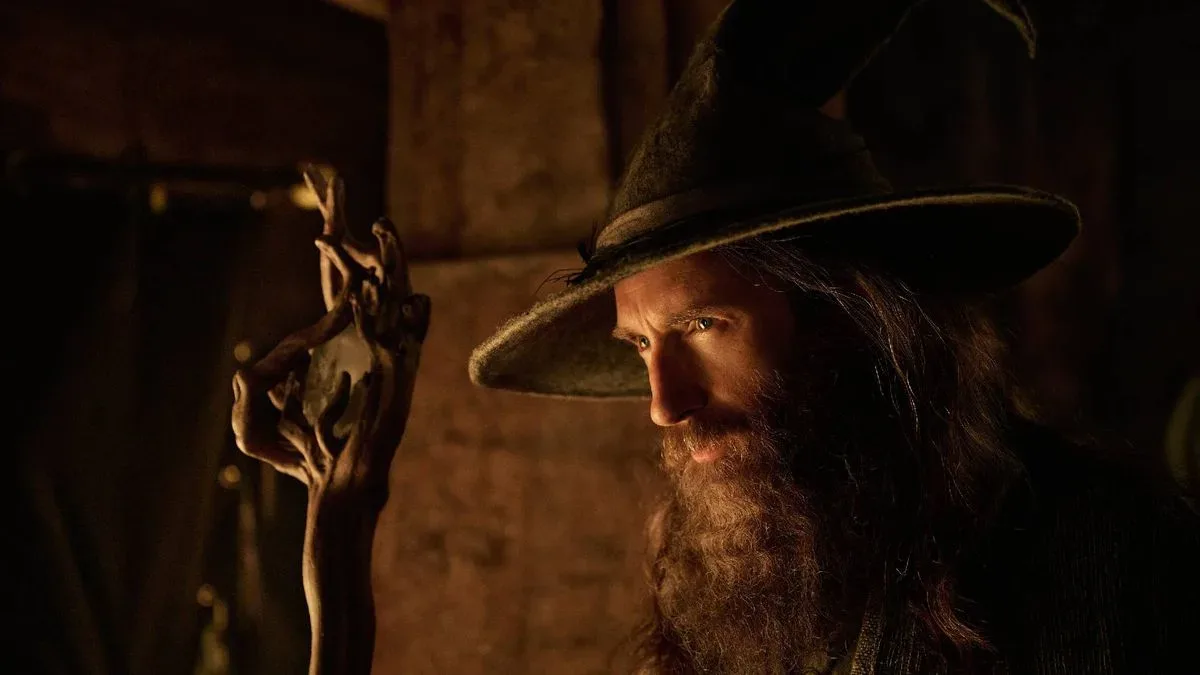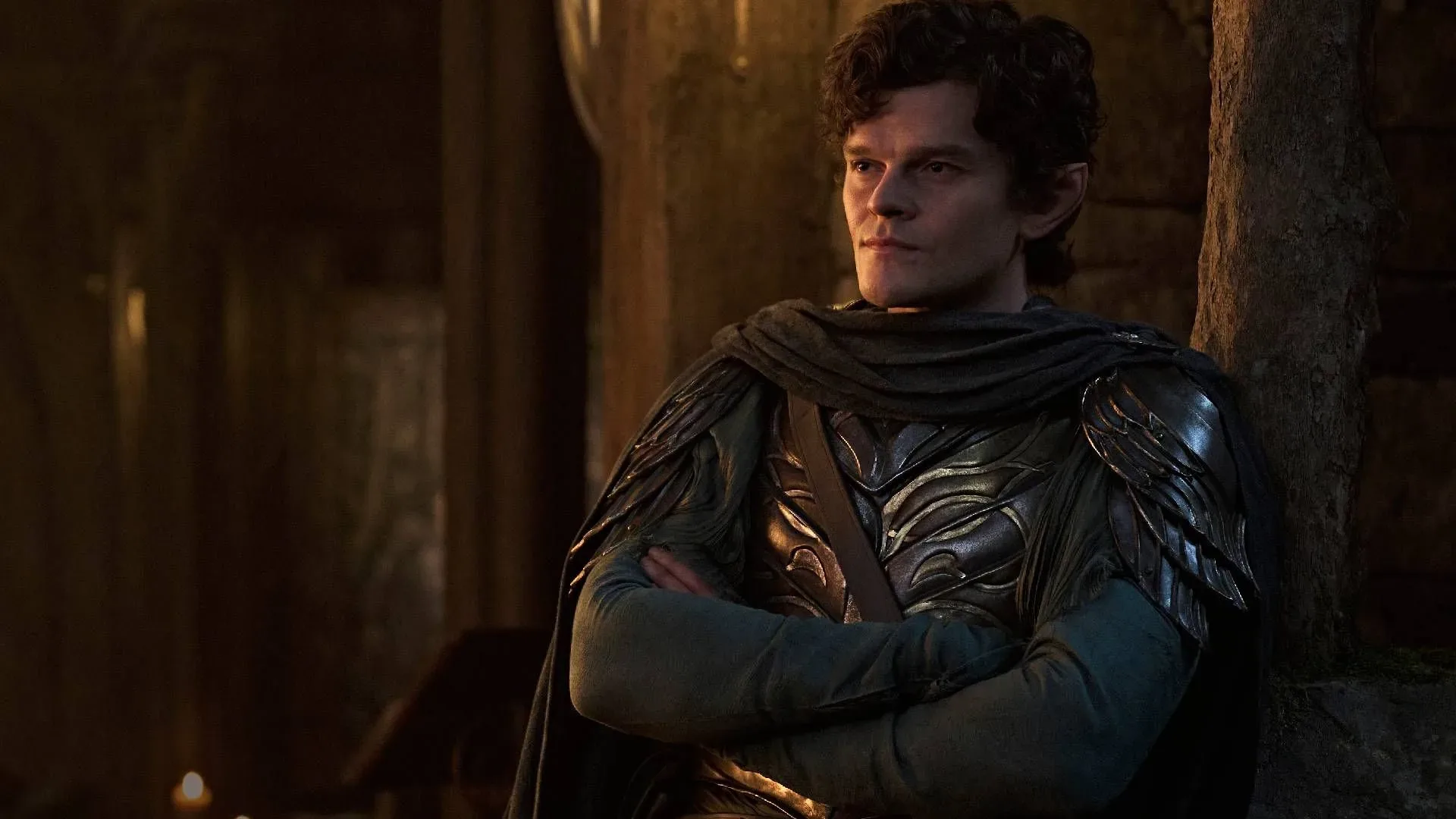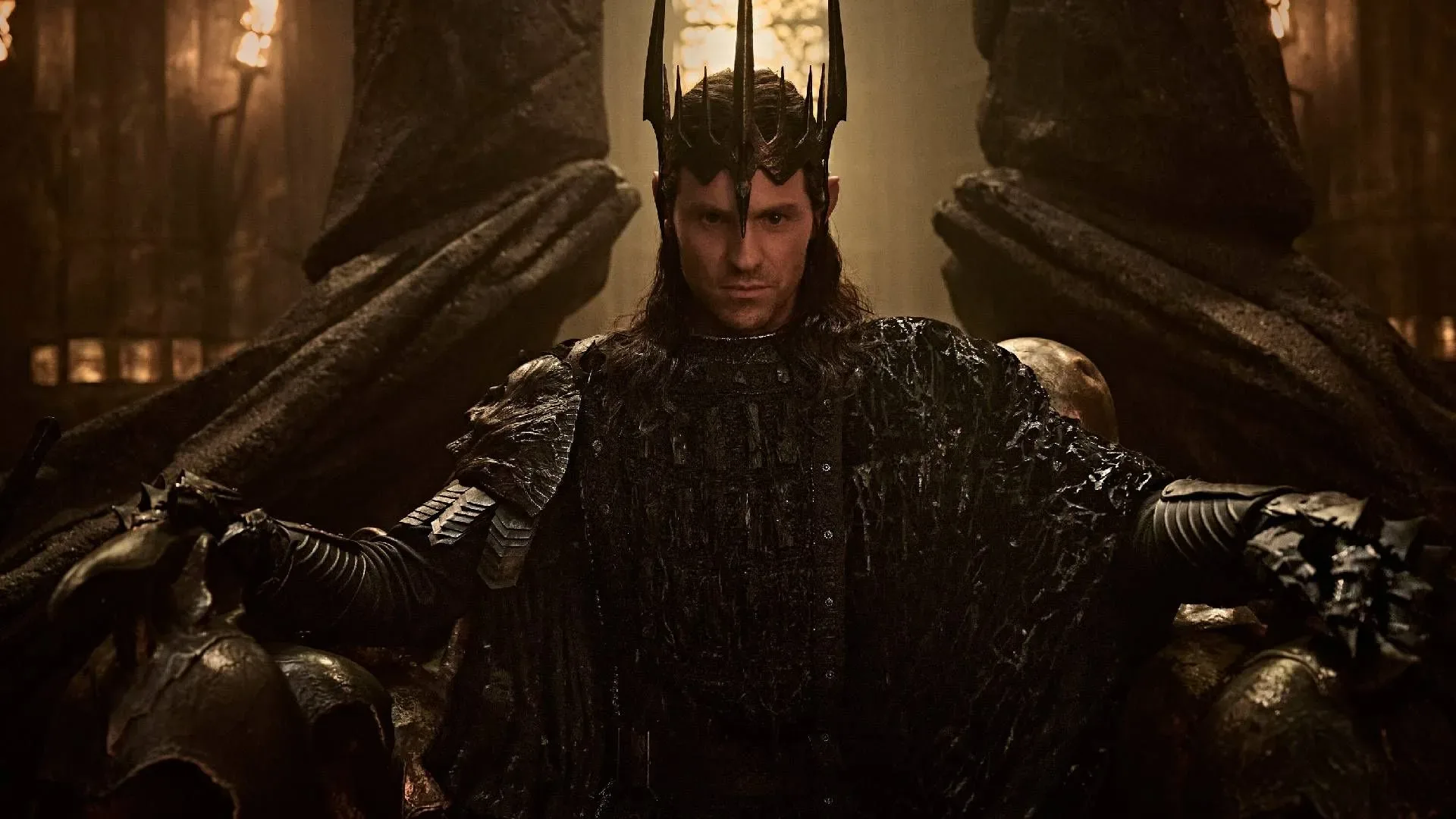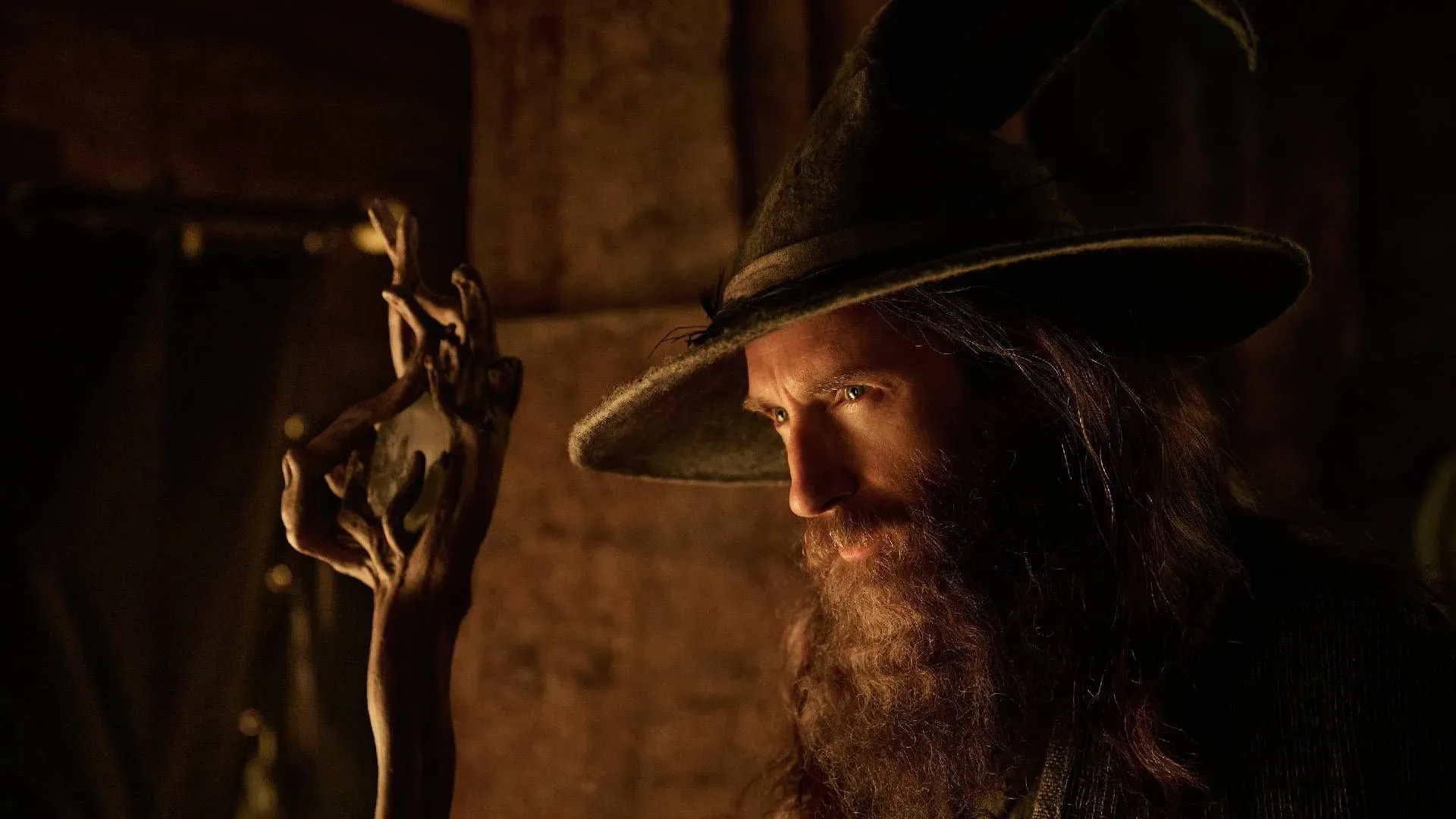
The stranger is no longer a stranger, and that changes the shape of The Lord of the Rings: The Rings of Power. After the season 2 finale confirmed that Daniel Weyman’s long-mysterious traveler is Gandalf, season 3 is positioned to follow a character who understands both his identity and his reason for acting. Weyman says that shift makes Gandalf’s next chapter “pretty epic,” with the story set to resume following a five-year jump toward a major conflict between Sauron and the Elves.
That is a meaningful change from the character’s first two seasons. The show introduced him without a clear memory of who he was or what he was meant to do. Weyman describes season 1 as a period in which the character “knew nothing” and had to learn everything. In season 2, he became more settled and began to find himself. Season 3, in Weyman’s view, is the point at which he has fully grown into that self and recognized his purpose.
For a series that made the Stranger’s identity a long-running question, the reveal removes one kind of suspense while creating another: what does this earlier Gandalf do once he is able to act with intention? The answer appears to involve both greater personal confidence and a more active place in the approaching struggle against Sauron.
From uncertainty to agency
Gandalf’s progression has been structured around discovery. Early on, the character’s lack of knowledge made his journey fundamentally reactive. He had to interpret the world around him, form bonds, and work out his own capacity before he could choose a path with confidence. That approach made the eventual name reveal carry more weight than a simple label: it marked the end of a formative phase.
Weyman’s comments suggest season 3 will not reset that development. Instead, it will build on it. Gandalf has had time to hone his magic over the five-year gap, and the new season places him in a narrative where the wider stakes are becoming harder to ignore. The time jump does not merely move the timeline forward; it gives the series room to present a more capable version of the character without needing to dramatize every step of his learning process.
That distinction matters for the tone of the next season. A protagonist who is still trying to identify himself generates one kind of story. A protagonist who knows himself and must decide how best to use that knowledge generates another. Weyman’s description points toward the latter: Gandalf moving from self-discovery into responsibility.
What “epic” seems to mean here
The word “epic” can imply spectacle, but Weyman’s explanation gives it a more character-driven meaning. He says the trait he values most in Gandalf is his ability to see goodness in people when they cannot see it in themselves. That quality is central to the direction he outlines for season 3.
At San Diego Comic-Con, Weyman described Gandalf as looking for people whose hearts have been “chilled” or “frozen,” and trying to warm them again. The wording suggests that his contribution to the fight against Sauron will not simply be a matter of magic or battlefield action. It will also be about helping people recover hope, conviction, or moral clarity.
That is an important practical implication for audiences wondering how the newly identified wizard fits into the series’ looming war. Gandalf may become more powerful and more decisive, but his defining role appears to remain relational. His method is not only confronting evil directly; it is recognizing the people who might resist it, even when they have become isolated, fearful, or discouraged.
Analysis: This gives the season a potential way to make Gandalf’s rise feel earned rather than abrupt. A five-year gap can efficiently establish greater command of his abilities, but Weyman’s emphasis on empathy preserves continuity with the traveler viewers have already followed. The character may be more certain of his mission, yet the stated mission still grows from the same instinct to help others.
Tom Bombadil’s departure signals a handoff
Weyman also links Gandalf’s readiness to Tom Bombadil beginning to disappear from the story. In his description, Bombadil knows Gandalf is prepared, and that recognition is part of what makes the next stage feel larger. The suggestion is not simply that one character exits while another remains. It frames Bombadil’s reduced presence as a sign that Gandalf no longer requires the same degree of guidance.
Within a coming-of-age structure, that is a familiar but effective turning point: the mentor or guide steps away once the learner can carry the task onward. Here, it reinforces the idea that season 3 is designed as a transition from dependence to independence. Gandalf is not being introduced to his role anymore; he is expected to inhabit it.
The shift may also help the season concentrate its storyline. With Sauron and the Elves approaching what co-showrunner Patrick McKay has called the “tipping point” of an epic war, Gandalf’s purpose can be tied more directly to the central conflict. The series has room to keep his compassion as a defining element while giving it tangible consequences in a world moving toward open confrontation.
A five-year jump changes the board
Season 3’s five-year time jump is the clearest structural clue in the information available so far. McKay has said the new season takes viewers toward the tipping point in the war between Sauron and the Elves. That makes the gap more than a convenience for individual character growth. It repositions the entire series closer to a pivotal phase of its conflict.
For Gandalf, the jump gives an immediate answer to a question raised by his earlier portrayal: how can a character still learning the basics of himself become an effective force in a world-threatening struggle? Time has passed, and Weyman says Gandalf has spent it developing. The season can therefore begin with a wizard who has moved beyond the most basic uncertainty while still leaving room to show what his newfound certainty costs and demands.
It also puts pressure on the phrase “purpose.” Understanding a purpose is not the same as completing it. Gandalf may now know what he should stand for, but the approaching war creates a harsher test: whom can he reach, what help can he offer, and how will those choices contribute to resisting Sauron?
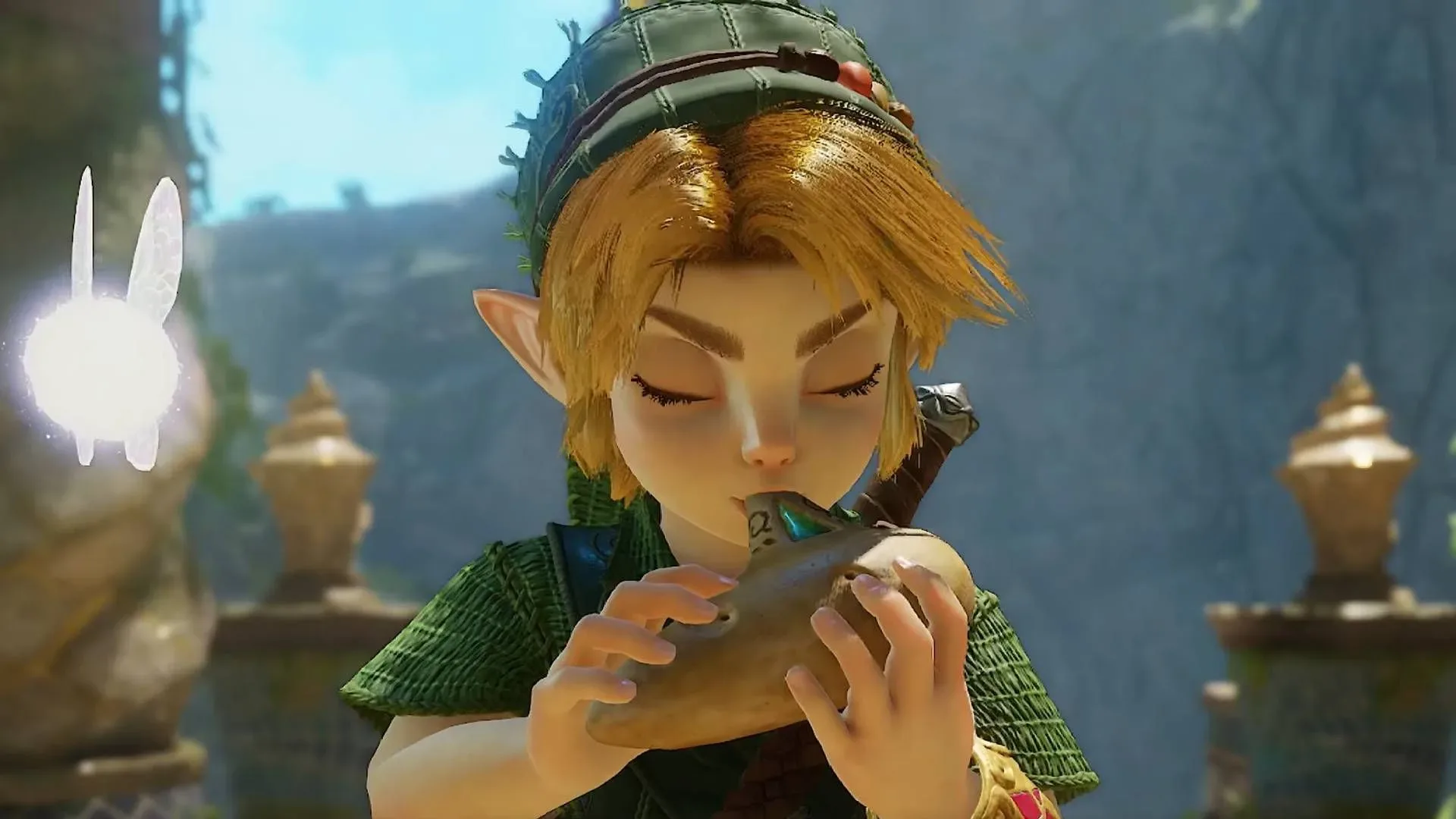
Fantasy viewers are accustomed to following long-lived heroes across radically different stages of their lives; in games, too, the emotional pull often comes from seeing a familiar figure meet a new responsibility, as reflected in the discussion around an Ocarina of Time remake’s approach to preserving Hyrule’s detours. The relevant parallel is not plot, but progression: travel, uncertainty, and accumulated experience can make later acts of leadership feel more substantial.
The Dark Wizard question remains open
While the Stranger’s identity has now been resolved, one of season 3’s principal mysteries remains: the true name of Ciarán Hinds’ Dark Wizard. McKay has said viewers will learn the answer in season 3, adding that it may arrive sooner than expected.
That promise establishes a useful contrast in the season’s setup. Gandalf’s story is moving from concealment toward clarity. The Dark Wizard, by comparison, remains partly obscured. With an approaching war as the larger backdrop, the show can use that unresolved identity to maintain tension even as it gives Gandalf a clearer mission.
What is confirmed:
- The season 2 finale identified the Stranger as Gandalf.
- Daniel Weyman says season 3 finds Gandalf more fully formed and aware of his purpose.
- Season 3 begins after a five-year jump.
- The new season moves toward a major war between Sauron and the Elves.
- Tom Bombadil begins to leave as Gandalf becomes ready to continue on his own.
- The Dark Wizard’s true name has not yet been revealed, but it is expected to be addressed in season 3.
What remains unknown:
- The specific form Gandalf’s efforts against Sauron will take.
- Which characters he will try to help or “rewarm.”
- How prominently Tom Bombadil will feature after this transition.
- The identity behind the Dark Wizard.
A different kind of Gandalf story
Gandalf is associated with major moments in The Lord of the Rings, including his stand against the Balrog in Khazad-dûm and his role in leading the Rohirrim at Helm’s Deep. Those examples naturally create expectations whenever a story promises a more “epic” Gandalf. But Weyman’s comments point to a version of epic scale rooted first in emotional and moral purpose.
Season 3 may still give its wizard larger displays of ability after five years of growth. Yet the available details emphasize his attention to people whose resolve has been diminished. If that remains the season’s guiding idea, then Gandalf’s increasing confidence will be measured not only by what he can do, but by how effectively he helps others stand against Sauron.
The Lord of the Rings: The Rings of Power season 3 is set to release on November 11.