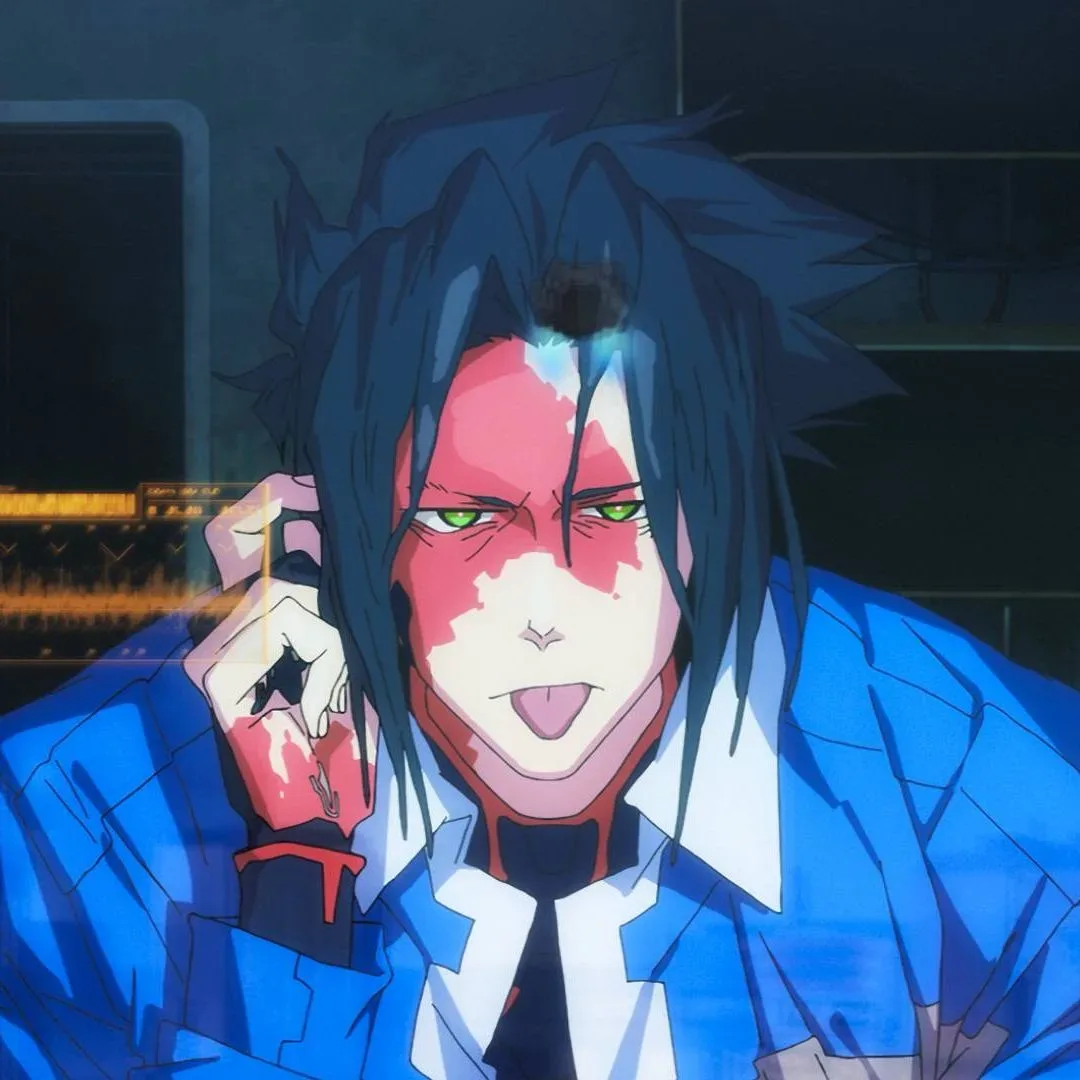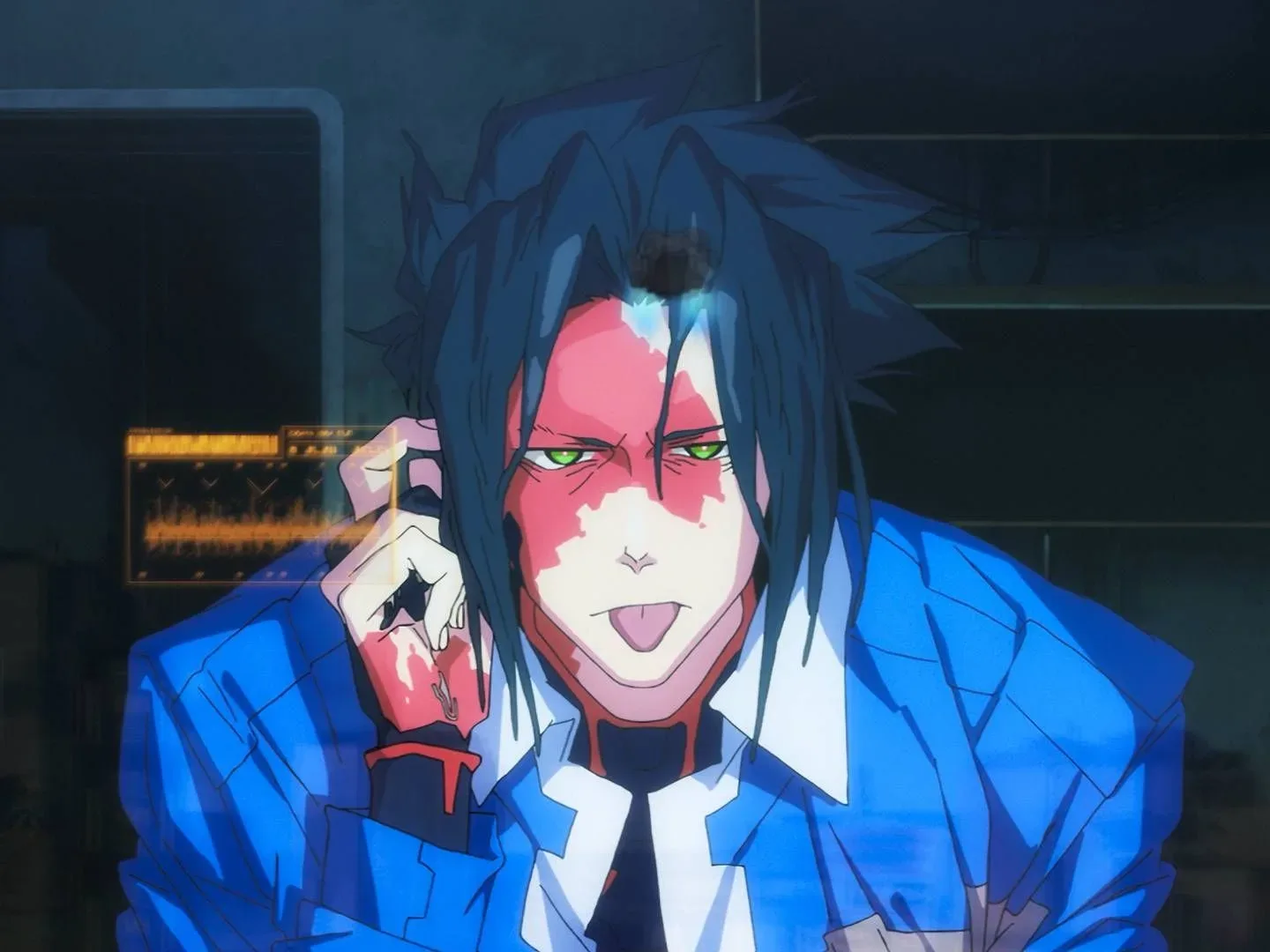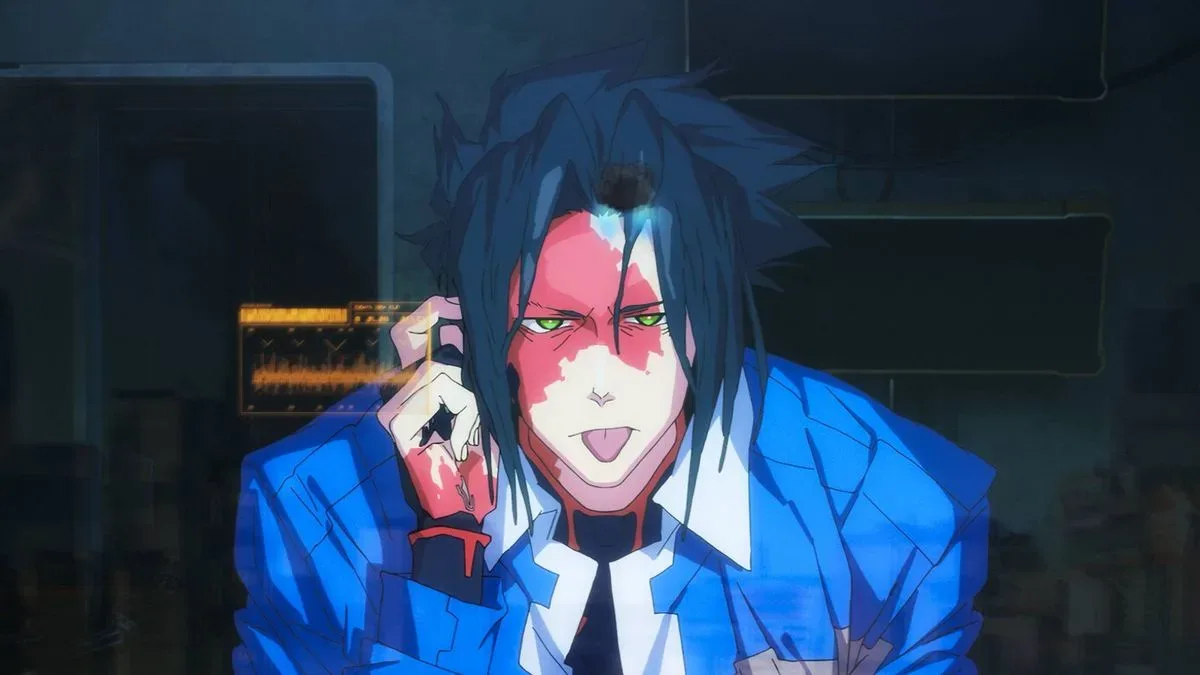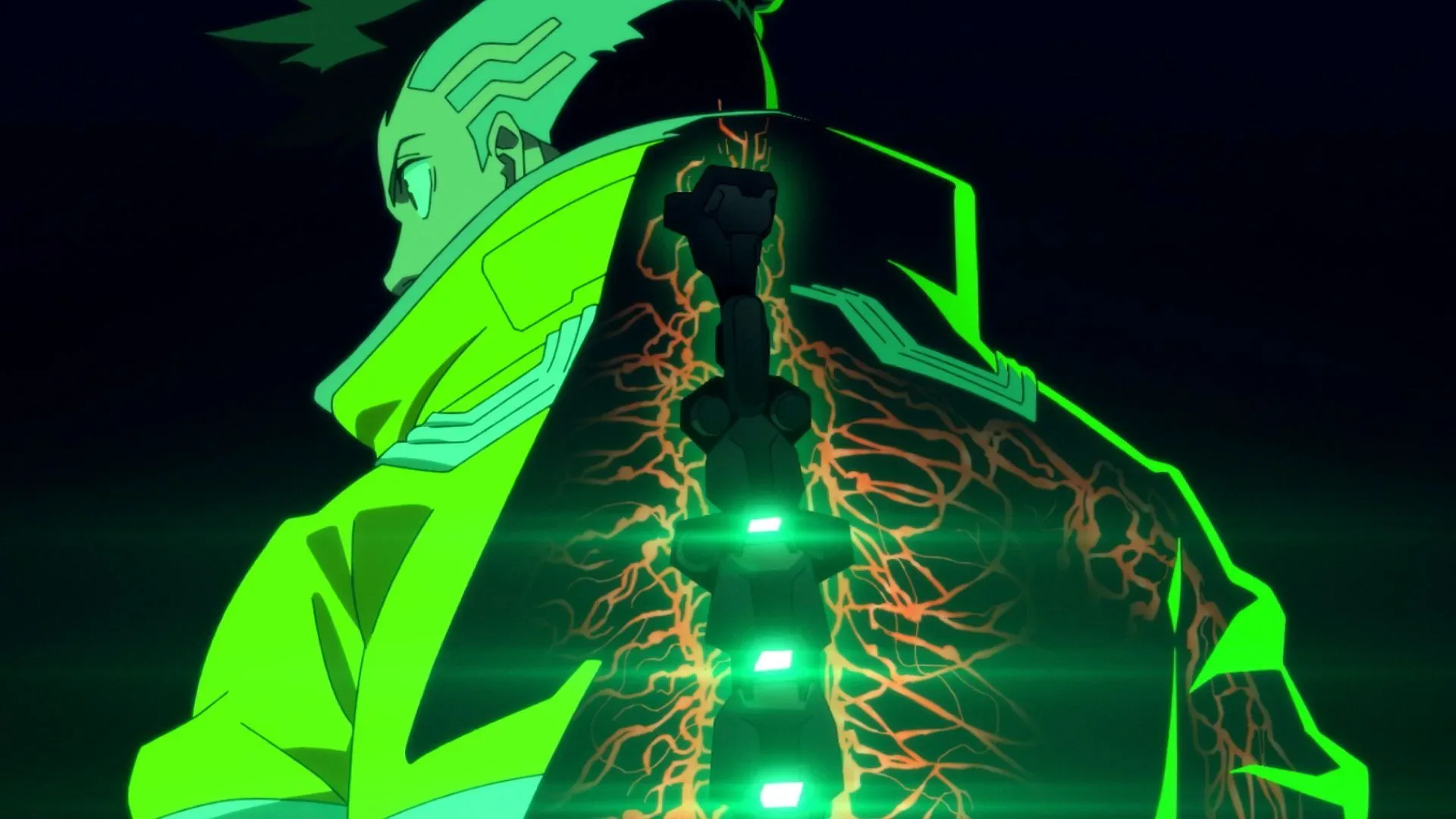
The debate around Cyberpunk: Edgerunners is no longer simply about whether its second season can live up to the first. Creator Bartosz Sztybor has noticed some viewers moving in the opposite direction: arguing that season 2 is the stronger installment and reassessing season 1 less favorably.
Sztybor welcomed the comparison while cautioning against treating the two seasons as competitors with no relationship to one another. In a social-media post, he said he was glad people were discussing which season they preferred, while acknowledging that some viewers remain disappointed that season 2 is not a repeat of season 1. At the same time, he said he has increasingly seen comments calling the newer season superior and dismissing the first as merely mediocre.
“S2 wouldn’t exist without S1, but also S2 completes S1,” Sztybor wrote.
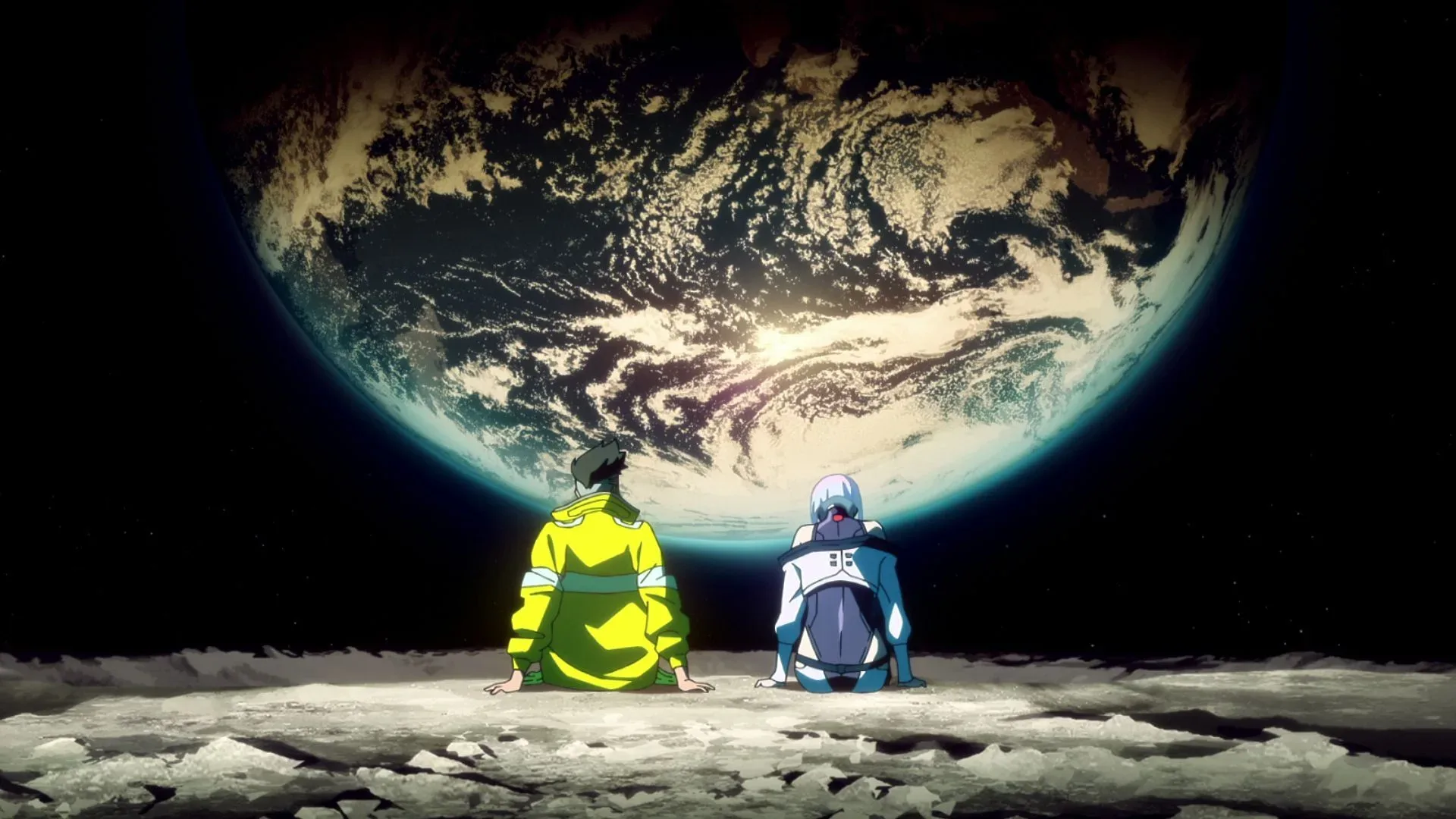
That is a useful framing for a show whose seasons use markedly different structures. Season 1 centers on David Martinez, an aspiring netrunner attempting to establish a name for himself in Night City while criminals and corporate forces close in around him. Season 2 tells a separate story after the first season’s events, distributing its focus across four protagonists: D., Talia, Weak, and Roman. Their conflict is driven by the arrival of an AI weapon and the danger it brings into the city.
For more context, explore ModRetro Chromatic Community Update Adds Wi-Fi Game Downloads and Wireless Firmware Updates.
The surface-level contrast is clear. One season follows the rise and tragedy of a central lead; the other has an ensemble at its core and a new immediate threat. But Sztybor’s comments suggest the intended connection is thematic as much as plot-based. The seasons do share narrative tissue, including repeated references to David Martinez in season 2, yet the larger objective is for the newer story to respond to the older one rather than simply continue it in a conventional, single-protagonist fashion.
Why the comparison has become more complicated
Season-to-season comparisons often begin with a straightforward expectation: viewers want a follow-up to recreate the feeling, characters, and dramatic shape that made the original resonate. That expectation can make a deliberately different second season seem like a rejection of what came before, especially when the new story does not put the original lead back at the center.
Edgerunners season 2 appears designed to test that expectation. It is set after season 1, but it does not use David as a living returning hero. Instead, his legacy remains part of the world surrounding the new characters. That distinction matters. A sequel can be connected through continuity—shared locations, history, references, and consequences—without functioning as a direct continuation of one person’s journey.
In this case, Night City is the continuing framework. David’s story is still relevant to the setting and to the ideas season 2 wants to explore, but the second season has its own four-character perspective and its own AI-weapon crisis. Viewers looking for another David-centered arc may naturally judge the change as a loss. Others may see the expanded cast and changed premise as an opportunity for the series to examine its world from a different angle.
Neither reaction is inherently strange. They are responses to two seasons that have a relationship but are not built from the same template. Sztybor’s point is that the difference is part of the design, not evidence that one season must erase the value of the other.
What Sztybor means by the seasons being in dialogue
Sztybor has described the two seasons as being in “constant dialogue.” In storytelling terms, that does not require a scene-by-scene continuation. It means the later work is shaped by questions, outcomes, and ideas established in the earlier one.
He explained that, while writing season 1, he considered a different possible future for David: one in which David survived and eventually became a celebrity edgerunner. An edgerunner, in this setting, is a figure operating on the dangerous margins of Night City rather than within its sanctioned power structures. Sztybor ultimately rejected that route because he viewed David as a flawed and tragic character for whom a happy or triumphant outcome would not fit.
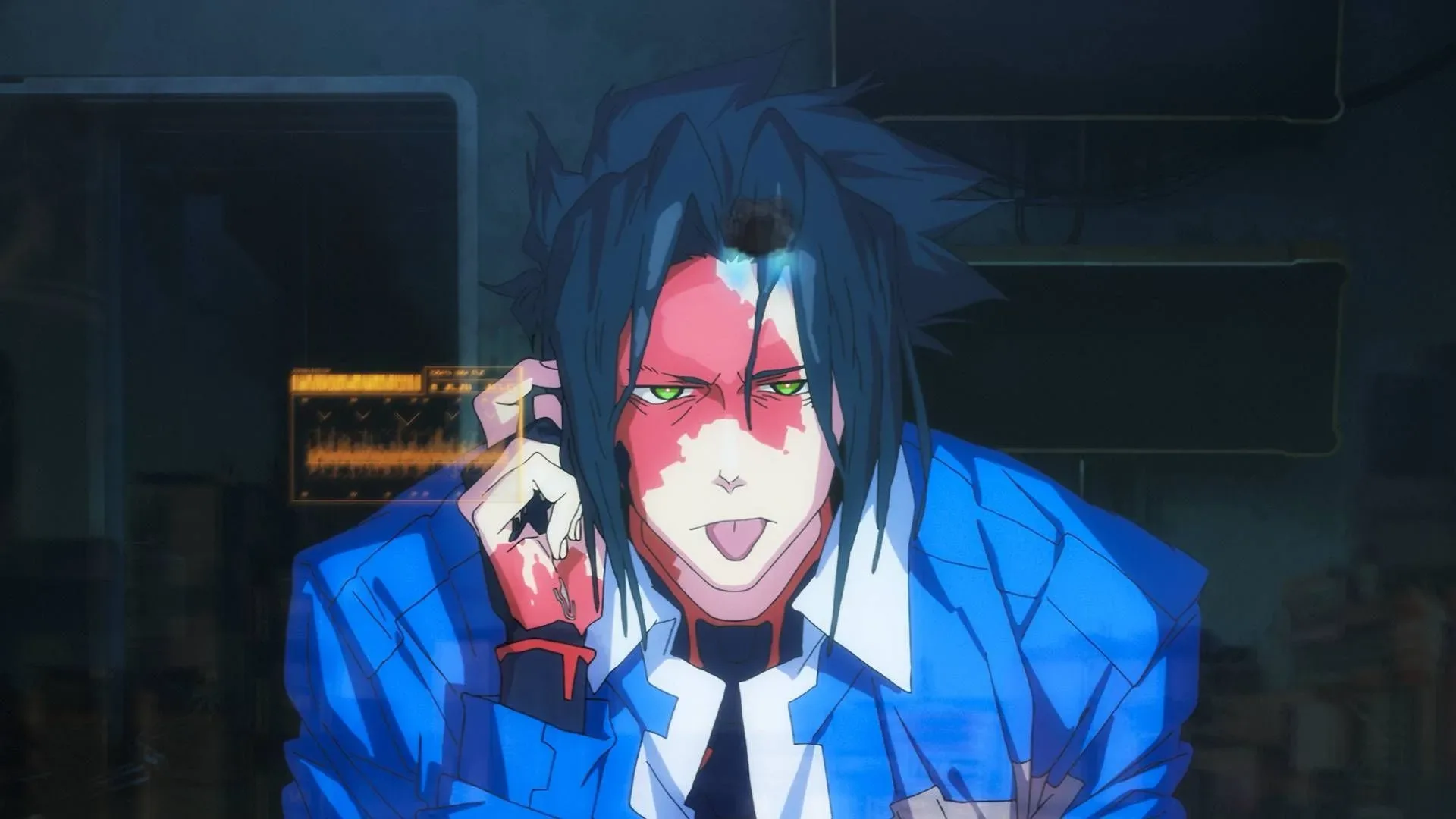
That abandoned possibility helps explain why Weak exists in season 2. Sztybor has explicitly connected the character to his desire to create a second season that converses with season 1. The implication is not that Weak is simply David repeated under another name. Rather, the character is part of the creative response to the earlier season’s unresolved hypothetical: what changes when the series looks again at the notion of an edgerunner becoming larger than life, and what does that idea mean after David’s fate?
This approach gives season 2 a complicated role. It needs to work as a distinct story about D., Talia, Weak, Roman, and an AI weapon entering the world. Yet it also carries the burden of engaging with the shadow cast by David Martinez. That is likely why a discussion over which season is “better” has become so charged: viewers may be evaluating not only execution, but also the kind of sequel they hoped to receive.
Separate casts do not necessarily mean separate stakes
It is easy to use “anthology” as shorthand for a franchise changing characters between installments, but that word can obscure the ways a shared setting retains memory. Season 2’s references to David are evidence that his story has not been sealed away. The character remains part of Night City’s cultural and narrative landscape even as the show follows a new group.
That is important because season 1’s ending is central to the discussion. Sztybor’s explanation makes clear that David’s tragedy was a purposeful creative decision, not merely a plot point to be reversed later. Season 2 therefore cannot build its connection by simply undoing that choice. Its task is to show how a later story can be informed by a prior tragedy without pretending it did not happen.
The comparison Sztybor offered—Capri and D., alongside Lucy and David—also points to pairs and relationships as a connective principle. The supplied details do not establish every parallel between those characters, so it would be premature to define an exact one-to-one mapping. But the comparison underlines that season 2’s links to season 1 are not limited to name-checking David. They are also rooted in how character bonds, ambitions, and consequences echo across the two stories.
Scores show a different picture from the fan argument
The evolving online conversation does not neatly match the available aggregate scores. Season 1 currently has a 100% Rotten Tomatoes score, while season 2 stands at 80% and has a noticeable decline in audience voting. Those figures show that the first season retains the stronger overall aggregate position, even as some fans are now advancing the case that the second is the superior work.
It is worth separating those two things. Aggregate scores summarize submitted critical and audience reactions; they do not settle an artistic argument, nor do they capture every shift in a fandom’s discussion over time. A vocal reassessment of season 1, or fresh enthusiasm for season 2, can coexist with season 1’s higher score. Likewise, a lower score for season 2 does not mean viewers are wrong to prefer its ensemble structure, its new conflict, or its way of building on the first season.
For audiences deciding whether to watch or revisit the show, Sztybor’s comments offer a practical lens: season 2 is best approached neither as a replacement for season 1 nor as an unrelated detour. It is a later, separate story that is meant to complete and answer aspects of the earlier one. Watching them in sequence is therefore likely to make the intended echoes—especially David’s continued presence in the world and Weak’s role in the wider creative conversation—more legible.
Cyberpunk: Edgerunners is streaming on Netflix. The current discourse may keep shifting, but the creator’s position is unusually direct: the seasons are not designed as a winner and loser. They are two linked pieces of a larger Night City story, with the second season gaining meaning from the first even as it asks viewers to meet an entirely different set of characters on their own terms.