Major spoilers for Cyberpunk: Edgerunners season 1 follow.
For many viewers, Cyberpunk: Edgerunners season 1 is remembered as a crushing tragedy: a story in which dreams of escape collide with the machinery of Night City, and the cast pays an enormous price. Its creator, Bartosz Sztybor, sees the ending through a notably different lens. He calls it a happy ending—not because the events are painless, but because David’s fate could have been worse.
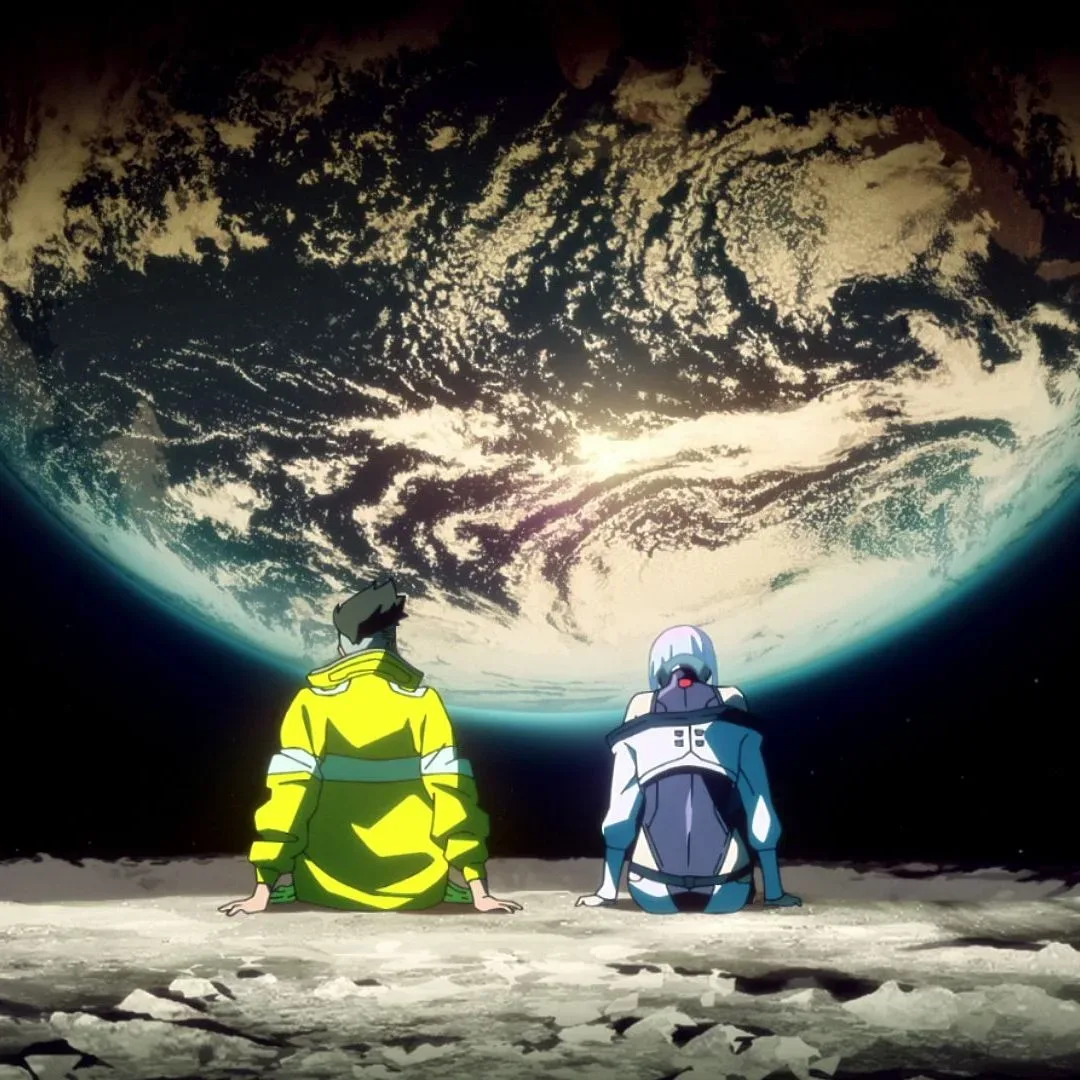
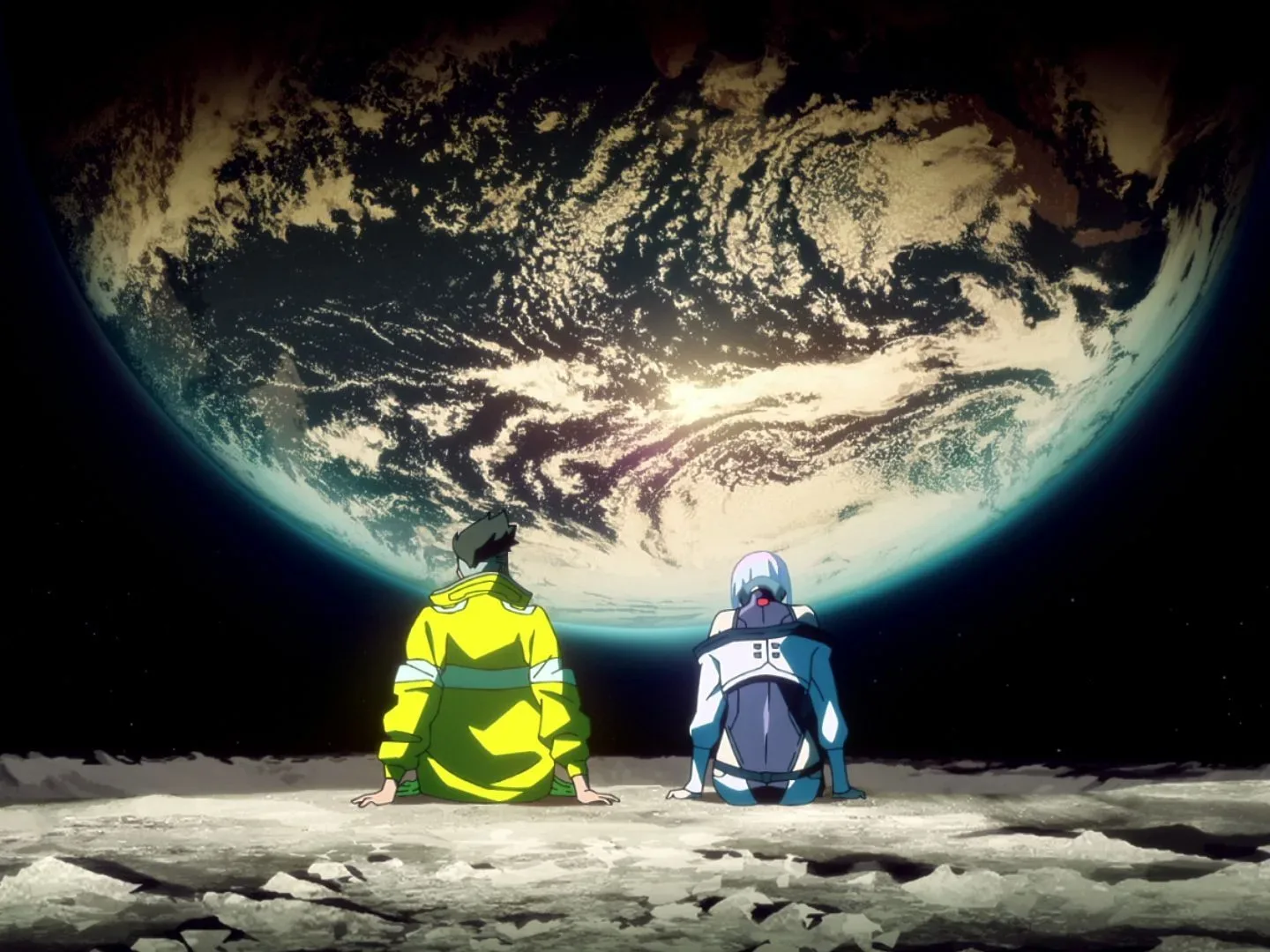
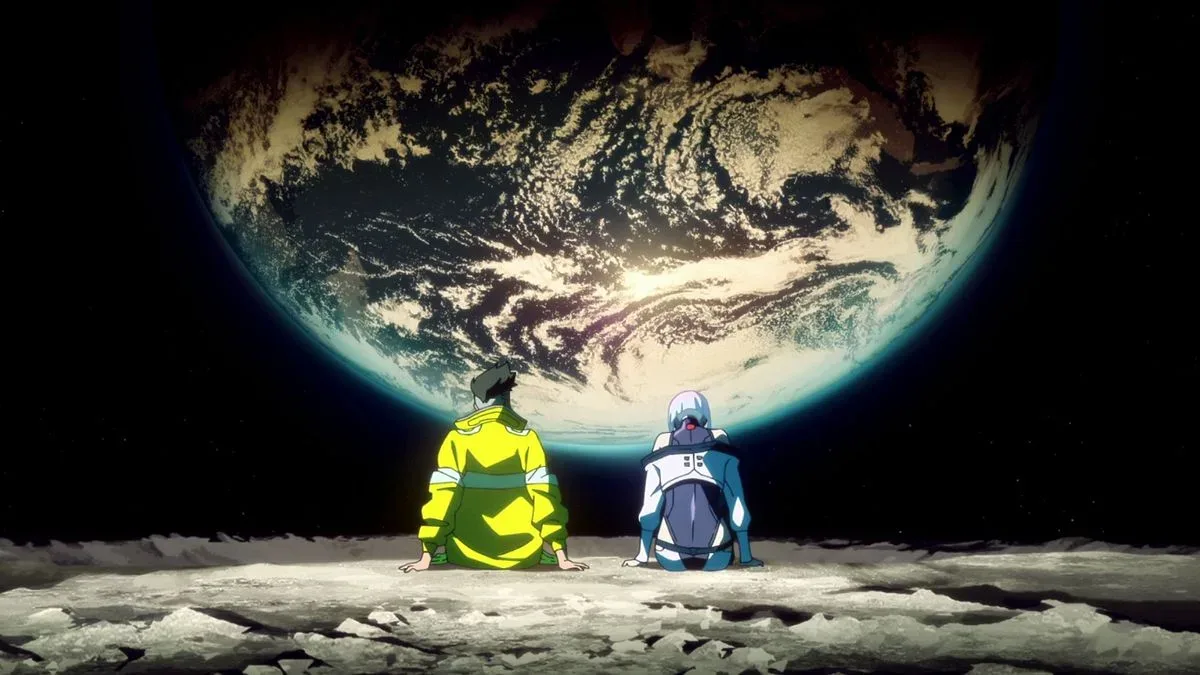
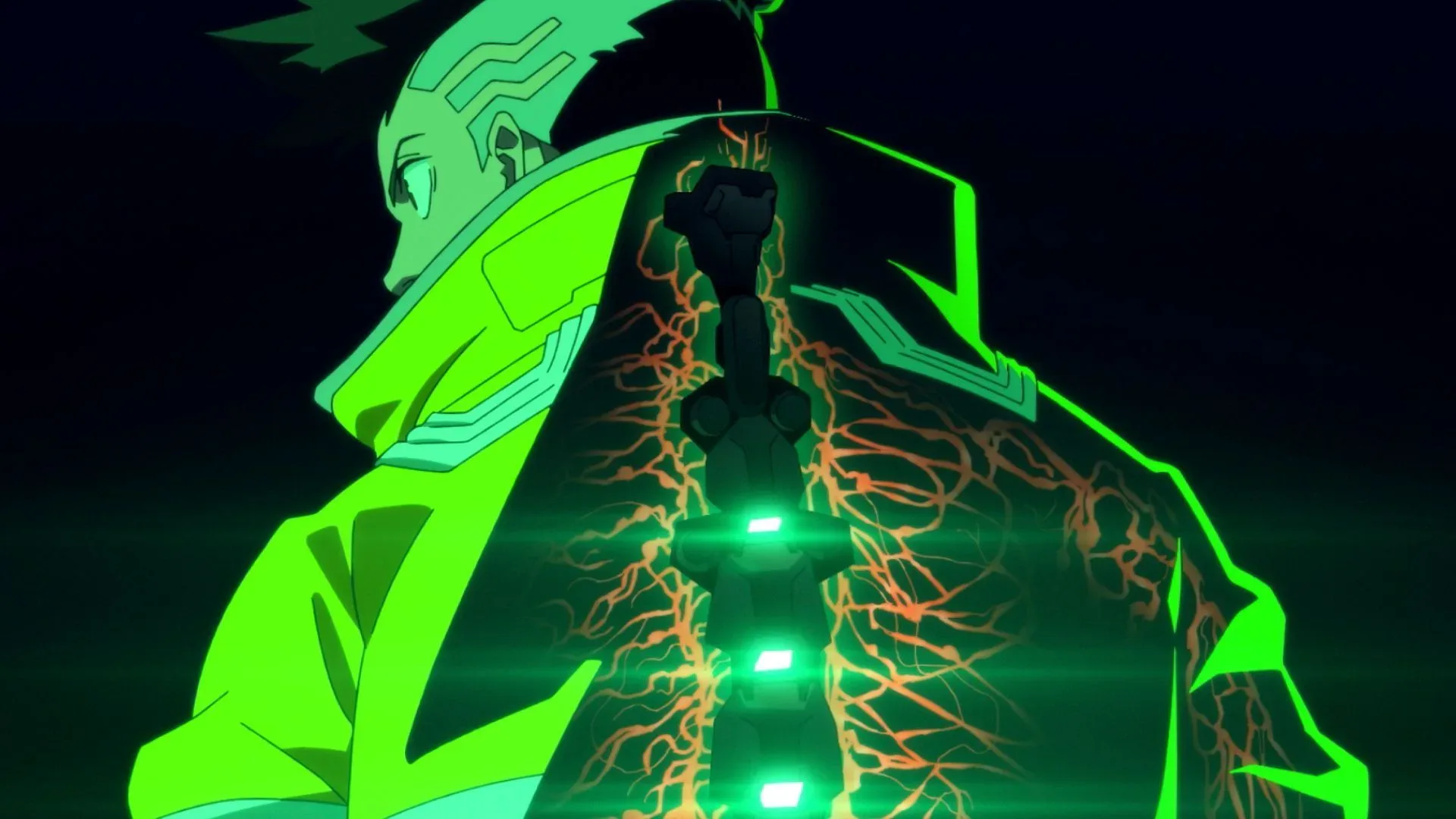
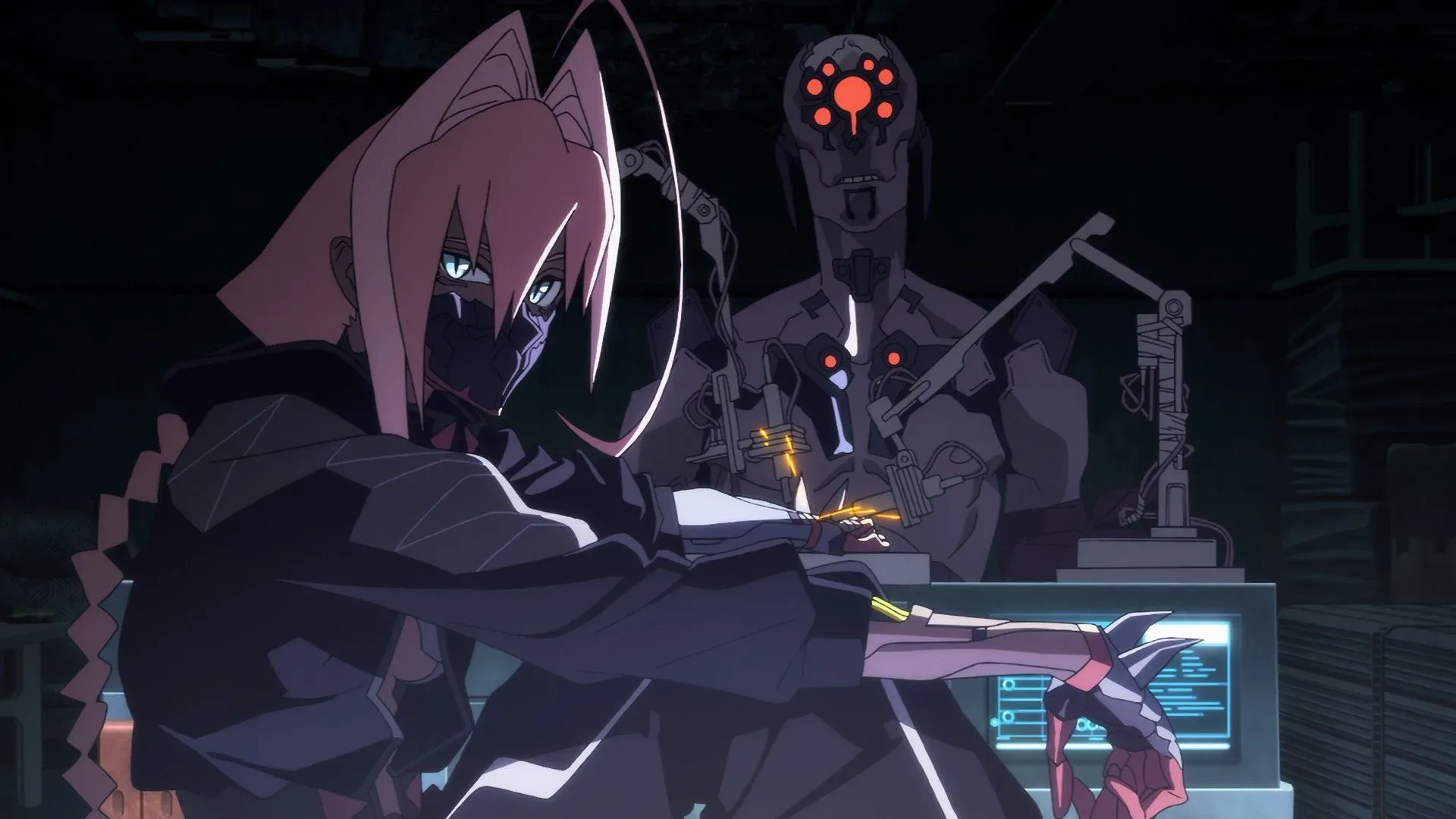
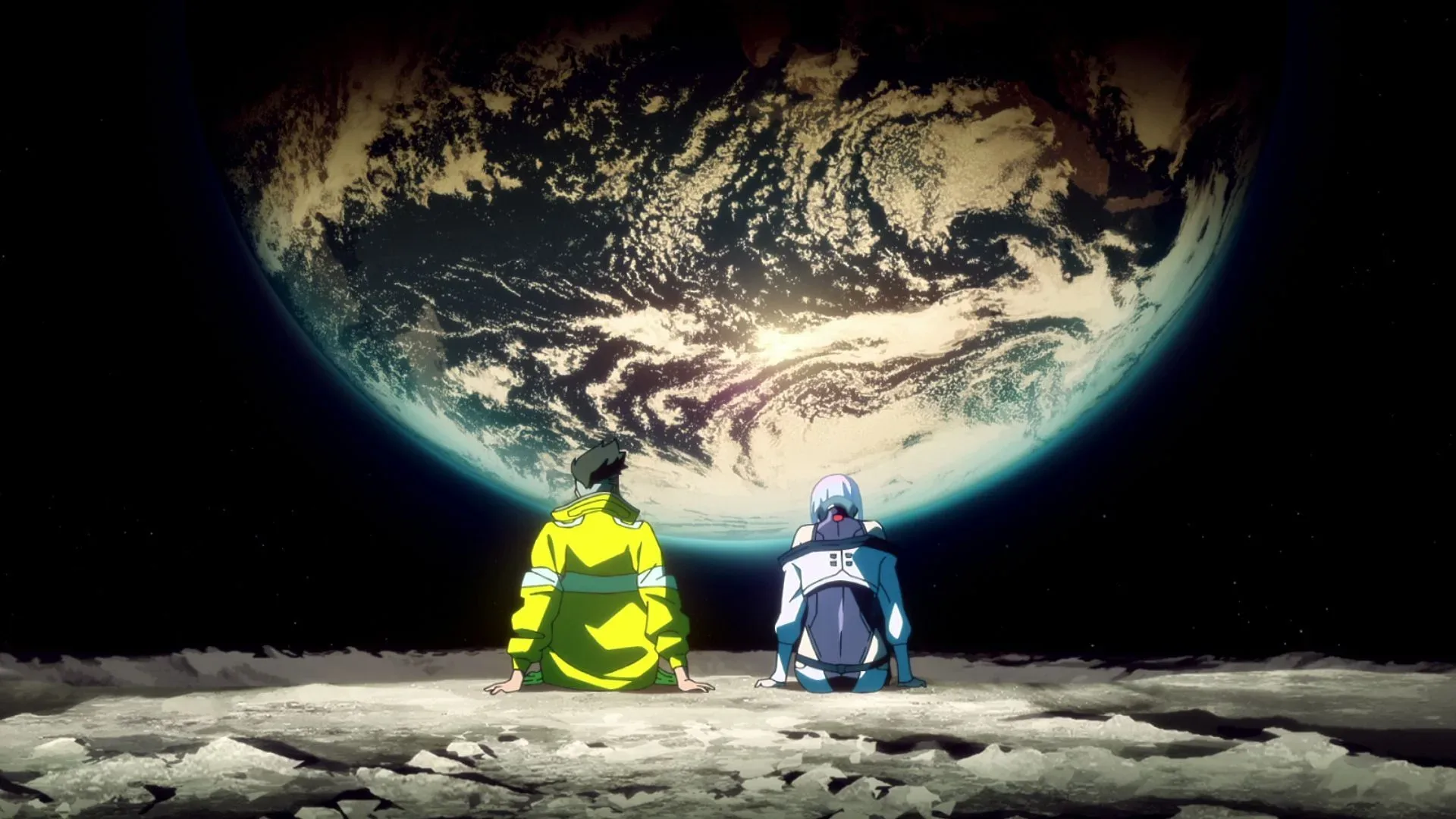
That reading does not erase the devastation of the finale. Maine’s crew is almost entirely lost, including Maine himself. Rebecca is killed by Adam Smasher, and David dies after buying enough time for two surviving members of the crew to get away. David’s own hope of going to the moon with Lucy is not fulfilled in the simple, shared way he imagined.
Yet Sztybor’s argument is rooted in the idea that survival is not the only measure of an ending’s value, particularly in a setting built around exploitation, violence and compromised choices. “When people are talking about season one and the ending, the sadness, and that it is a ‘bad ending’ – For me, it is a happy ending,” he says.
“I mean, in a way, because it could end so much worse.”
It is a difficult interpretation, but it is not a frivolous one. The season’s final stretch gives David agency in the narrowest and harshest sense: he cannot rescue everyone, cannot outrun the consequences of his escalating cyberware use, and cannot reshape Night City. He can, however, make time for others to escape. In that framework, the ending is less a victory over the city than a refusal to let the city take absolutely everything on its own terms.
Why “happy ending” does not mean “pleasant ending”
The distinction matters. A pleasant ending usually suggests that protagonists reach safety, obtain what they want, or see a conflict resolved in their favor. Season 1 does not offer that. A happy ending, as Sztybor uses the phrase, appears closer to a comparative ending: an outcome judged against a darker alternative rather than against an ideal future.
David’s death is the defining emotional event of the finale, but it is not presented as a simple defeat. He acts to protect the people who remain. Lucy gets away. That does not make the loss minor, and it does not turn Night City into a forgiving place. It does mean the finale contains a form of accomplishment amid the destruction.
Related coverage includes Cyberpunk: Edgerunners Creator Calls David's Tragic Finale a Happy Ending.
Sztybor has previously raised an even bleaker possibility for David: becoming an unwitting instrument of Arasaka. Against that prospect, death while enabling an escape can be understood as a grim form of release. David is not absorbed completely into a corporate purpose or reduced to a tool without awareness. The cost remains severe, but the story preserves something of his intent.
This is the key to the “happy ending” claim. It is not an insistence that viewers should stop grieving for David, Rebecca, Maine, or the crew. It is an invitation to consider what the characters managed to protect when a clean escape was never realistically available.
The tragic-persona idea and Night City’s limits
Sztybor describes some of the season 1 cast as “tragic personas,” saying a different result was impossible for them. In storytelling terms, a tragic character is not merely someone who suffers. Their defining traits, ambitions, environment and decisions all narrow the route ahead until catastrophe becomes increasingly hard to avoid.
That description fits the pressure surrounding the crew. Their world offers money, status and apparent freedom, but those opportunities come with escalating danger. David’s desire to keep moving forward and protect the people around him becomes inseparable from the very system that pushes him toward collapse. The character’s choices still matter, but the range of safe choices is drastically limited.
This does not mean the finale treats David’s death as inevitable in a way that makes it meaningless. Rather, tragedy often works by making the audience see several potential turning points while also understanding why the characters cannot—or will not—take the route that would save them. The pain comes from recognizing the possibility of another life while watching circumstances and character pull in the opposite direction.
There is also a practical lesson for viewers revisiting season 1 before the next installment: do not mistake its emotional intensity for a promise that every plot thread needs a conventional resolution. The moon dream, the loyalty within the crew and David’s last stand function as emotional coordinates. They clarify what the characters value even when the world denies them the outcome they want.
What it suggests about season 2
Sztybor says his fundamental view of Night City did not significantly change before writing season 2. That is a meaningful warning against expecting the new season to soften the setting simply because season 1 left such a powerful impression. Night City remains a place where aspiration can be used against the people pursuing it.
Season 2 moves to an entirely new group of characters rather than continuing David and Lucy’s story directly. The newly identified lineup includes veteran edgerunner Weak Kingsley, nomad D., chrome-infused Talia, and Roman, a child who wants to film on the streets of Night City.
Those descriptions establish distinct starting points, but they do not establish anyone’s ultimate role, loyalties or fate. It would be premature to assume the new characters will simply replay David’s path. Still, the creator’s comments make clear that the moral weather of the setting has not changed. A new cast may mean fresh perspectives on Night City, not necessarily a safer version of it.
“Chrome” is especially important language in this world. It refers to cybernetic augmentation: technology incorporated into the body. Talia being described as chrome-infused signals a character closely tied to the setting’s central tension between empowerment and cost. Augmentation can suggest ability, identity or survival, but season 1 makes clear that increasing one’s capacity does not remove vulnerability.
Edgerunner, meanwhile, is the term used for people operating at the margins of conventional society in Night City. The word carries a sense of risk and precarity. A veteran such as Weak Kingsley may bring experience, but the designation alone is no assurance of security. Likewise, D. being a nomad establishes a background label, not a complete account of the character’s objectives.
Roman’s wish to film in Night City introduces another potentially useful angle: someone trying to record and frame the city instead of simply surviving it. The supplied character description does not reveal how that ambition develops, but it naturally raises questions about perspective. Who gets to tell a Night City story, and what happens when the person holding the camera is also exposed to the city’s dangers?
A finale can be sad and still contain hope
Sztybor’s comments may sound provocative because they run against the immediate experience many people had with the finale. The emotional response is understandable. Season 1 loses beloved characters in brutal fashion, and David’s final sacrifice does not repair the broader structures that harmed the crew.
But tragedy and hope are not opposites. A tragic ending can contain hope when someone retains a meaningful choice, protects another person, or prevents the worst available outcome. By that standard, David’s final actions matter precisely because they are limited. He does not conquer Night City. He creates a path out for others.
That is also why calling the ending happy does not require calling it triumphant. There is no suggestion that the world becomes just or that loss is reversed. The happiness Sztybor sees is smaller, more fragile and more human: some characters escape, David’s purpose is not wholly erased, and the corporate future implied by the darker alternative does not get the final word over him.
For audiences preparing for season 2, the practical takeaway is to expect emotional ambiguity rather than easy reassurance. A character’s survival may not be the only success worth measuring, and a painful ending may still leave room for dignity, connection or a hard-won escape. That approach is likely to remain relevant if the creator’s perspective on Night City has indeed stayed consistent.
For a separate look at how technical choices can affect the experience of playing demanding PC games, see our guide to when a frame-rate limit makes sense.
Cyberpunk: Edgerunners season 2 is scheduled to release on October 20.