Creative ownership fights are rarely tidy, especially when a television series becomes closely tied to a performer who helped turn it into a cultural event. That tension is now back in public view as 50 Cent criticized Power writer and producer Courtney Kemp in a recent interview, only for Kemp to respond with a sharply defined account of where she believes the boundaries of credit belong.
The dispute is not really about whether 50 Cent mattered to Power. Kemp explicitly says he was a major part of the show’s beginning. Instead, the disagreement is about the kind of work that should be recognized as authorship, and whether his musical, promotional, pitching and audience-building contributions have received enough weight beside Kemp’s writing and development of the original concept.
That distinction can sound semantic from the outside. In television, it is not. A show’s creation, writing, production, casting, music, pitching and promotion can all materially shape the final result, while still being different jobs with different formal responsibilities. The latest exchange underscores how easily those roles can become entangled once a project is a hit.
50 Cent argues that his contribution went beyond a familiar supporting role
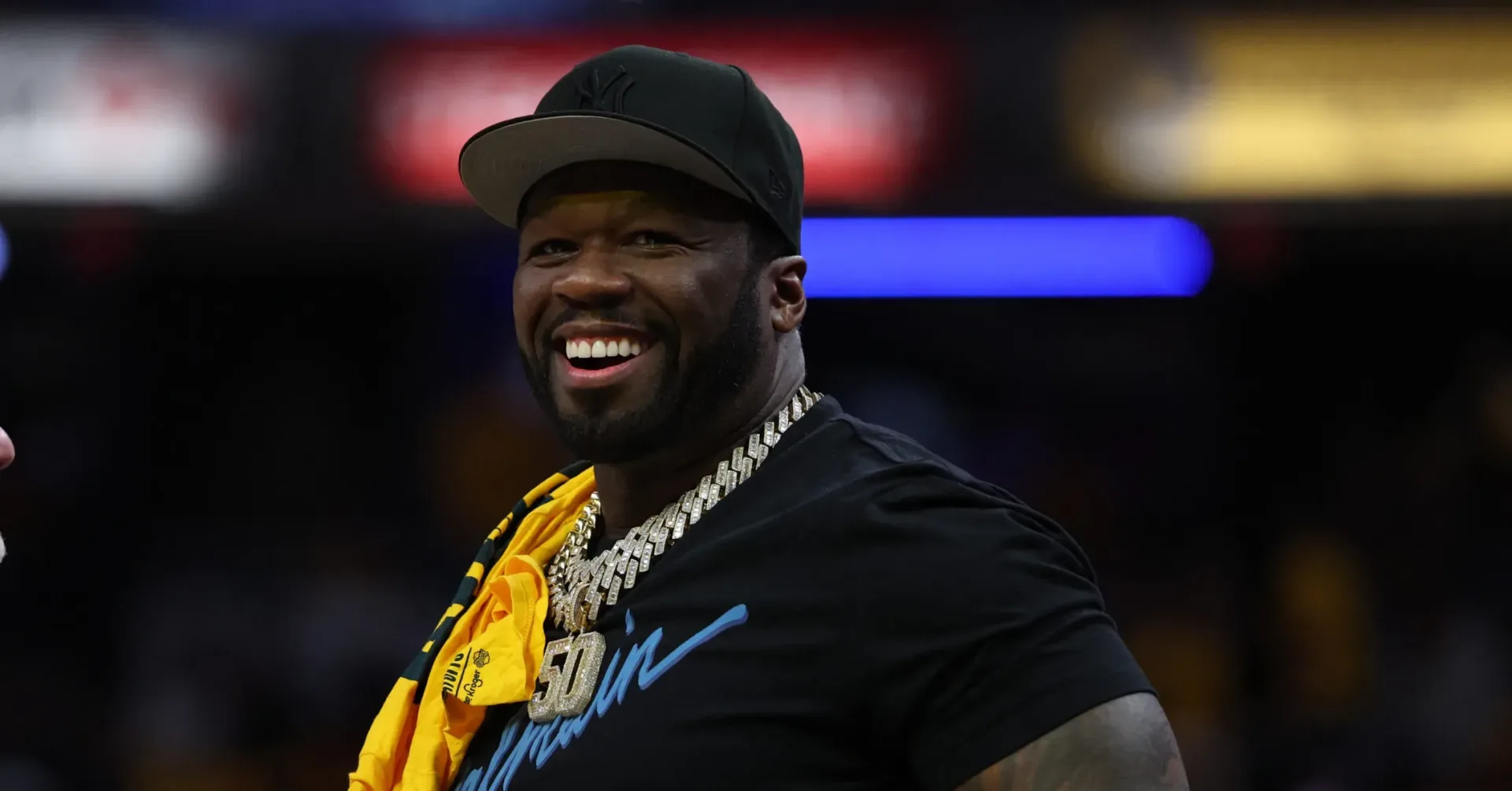
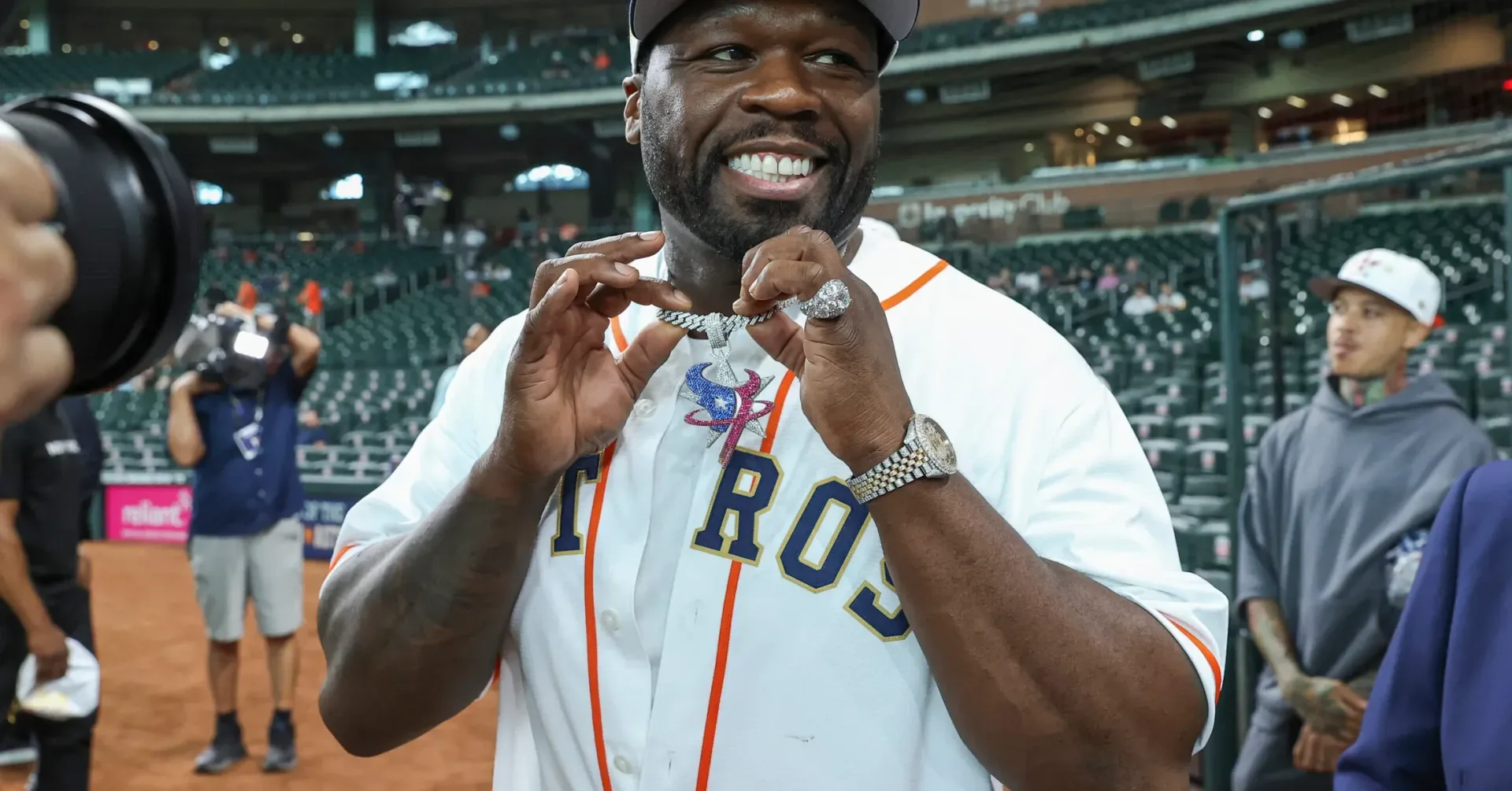
Asked which collaborator he would not want to work with again, 50 Cent named Kemp. He said he does not consider her wholly a bad person, but argued that the success of Power changed the dynamic around her. His central frustration is that, in his view, statements emphasizing that she wrote the show did not adequately reflect the work he says he did to get it made and to make it connect.
50 Cent’s version of the story places particular emphasis on the period before the project received a green light. He said the team received repeated rejections before ultimately securing a yes, and he described himself as the person who uploaded what Kemp had written. He also said that songs he wrote captured the emotional core of the principal characters and scenes, and that this music was important during pitches to then-Starz CEO Chris Albrecht.
In practical terms, he is describing several distinct forms of creative and commercial influence:
- Pitch support: helping communicate what a show is and why a decision-maker should back it.
- Music and character framing: using songs to establish mood, identity and emotional associations around a series and its leads.
- Audience conversion: bringing fans to a platform and giving them a reason to remain there for the show.
- Advocacy inside a project: using personal leverage to keep a production moving toward release.
Those are substantial contributions if they occurred as 50 Cent describes. They are also not the same thing as writing or creating a television series. The public disagreement exists precisely because both ideas can be true at once: a performer-producer can be indispensable to a show’s launch and identity, while the show’s writer and developer remains the person who originated and wrote it.
He additionally criticized what he characterized as poor budget management and objected to the idea of operating a network around a single show while turning down other ideas. These are consequential claims, but the available exchange does not provide production records, budget documents or a detailed account from both sides that would allow outsiders to independently assess them. They should therefore be understood as 50 Cent’s allegations about the working relationship, not established findings about the production.
Related coverage includes Courtney Kemp Responds After 50 Cent Criticizes Her Role in Power.
Kemp’s response draws a firm line around writing, creation and budgets
Kemp’s response does not deny 50 Cent’s importance to Power. In fact, it states that she has never minimized it. But she rejects the idea that he wrote or created the series, saying he was a large part of its birth while maintaining that she was responsible for writing and creating it.
That phrasing does important work. It recognizes the collaborative reality of television without conceding the core authorial credit at issue. A showrunner is typically the senior creative manager of a series: the person who guides the writing process and oversees the creative operation of the show. The supplied account identifies Kemp as the writer who developed the original concept and served as showrunner. Her response anchors her claim to that work.
She also pushed back specifically on the budget criticism, saying 50 Cent’s account of budgets and production requirements was uninformed because he was rarely in budget meetings. Again, that is Kemp’s response rather than a publicly documented audit of the show’s finances. Its importance is that she disputes not only the conclusion of 50 Cent’s criticism, but his proximity to the decisions he is criticizing.
Kemp further said she has moved on professionally and expressed confusion over being repeatedly raised in interviews and podcasts. She closed by wishing him success with Street Fighter, framing the matter as one she hopes he will leave behind as well.
Why the word “created” carries more weight than it first appears
Credit is often treated like a trophy at the end of a successful production. In reality, it is also a description of labor. Saying someone “created” a series generally refers to originating its premise and formal concept. Saying someone “wrote” it refers to building the scripts, characters and story structure. A producer may have a wide range of duties, from organizing logistics to securing talent, shaping presentation, solving problems and shepherding projects through development.
Those labels may overlap, but they are not interchangeable. That is why Kemp’s answer separates 50 Cent’s major role in the show’s birth from creation and writing. And that is why 50 Cent’s remarks focus less on claiming authorship of every page than on arguing that the public story of Power’s rise has insufficiently valued the work he says made the project viable and marketable.
There is a useful distinction between formal credit and public association. Formal credit identifies official creative roles. Public association is about whom viewers most strongly connect to a show. A recognizable performer can become the face of a series even when another person wrote and developed its foundational material. Neither reality automatically cancels the other, but disputes emerge when public association starts to feel, to any participant, like an erosion of their formal role.
Music is an especially relevant part of 50 Cent’s argument. Theme songs and character-centered tracks can give a drama an immediate sonic identity, establish its emotional temperature and sharpen a pitch. His claim is that his songs did that work for Power. Kemp’s answer does not directly litigate the musical contribution; it focuses on the narrower questions of writing, creation and the accuracy of his budget remarks.
That leaves a notable area of partial overlap. Kemp says 50 Cent was important to the beginning of the show. 50 Cent says he did work essential to advancing, pitching and defining it. The disagreement is over whether his importance has been properly represented, and whether he has authority to characterize the production choices he now condemns.
A creative-control dispute with a familiar shape
The exchange also lands during a period when public figures are increasingly direct about creative control: who gets to make decisions, who receives the clearest credit and who is remembered as the driving force after a successful release. That broader subject has surfaced elsewhere in entertainment, including in this look at Katt Williams’ Kemet Movie Works and creative control.
In the Power disagreement, “control” has at least three meanings. First is creative control: deciding the story, scripts and artistic direction. Second is production control: taking part in the operational decisions that make a series feasible, including scheduling and money. Third is commercial control: supplying a public profile, audience trust and promotional force that can help a series break through.
50 Cent’s account stresses the latter two alongside his musical contribution. Kemp’s response emphasizes the first, as well as her role in the production decisions he questioned. The two positions are therefore not merely competing personal recollections. They reflect different definitions of what it means to be central to a show’s success.
What can and cannot be concluded from the exchange
Several points are clear from the statements available. 50 Cent believes he was a crucial force in getting Power from written material to an approved, audience-building series. He believes Kemp has not sufficiently acknowledged that. Kemp says she has never understated his importance and calls him a significant part of the show’s beginnings. She nevertheless insists that he did not write or create it and rejects his assessment of budgets and production requirements.
What cannot be resolved from the competing statements is whether the budget decisions were mishandled, how much weight any individual song carried in the pitch process, or whether either person’s public comments over the years adequately reflected the other’s contribution. Those questions would require evidence beyond the interview and response described here.
For viewers, the immediate practical effect is limited: there is no indication in the material provided of a newly announced production change, a legal filing or an alteration to the series itself. The value of the dispute as an industry story is instead in its reminder that a hit does not emerge from only one kind of labor. A writer-showrunner can build the blueprint. A performer-producer can help sell its urgency, embody its world and draw the audience. Success can depend on both, even when the participants disagree profoundly about whose work the public should foreground.
That is the contradiction at the center of this clash. Kemp’s response acknowledges 50 Cent as essential to the genesis of Power, while refusing to yield the writing and creation credit. 50 Cent accepts that she wrote it, yet argues that writing alone is too small a description of how the show became a success. Their shared history may be a collaboration, but their accounts of its defining contribution remain far apart.