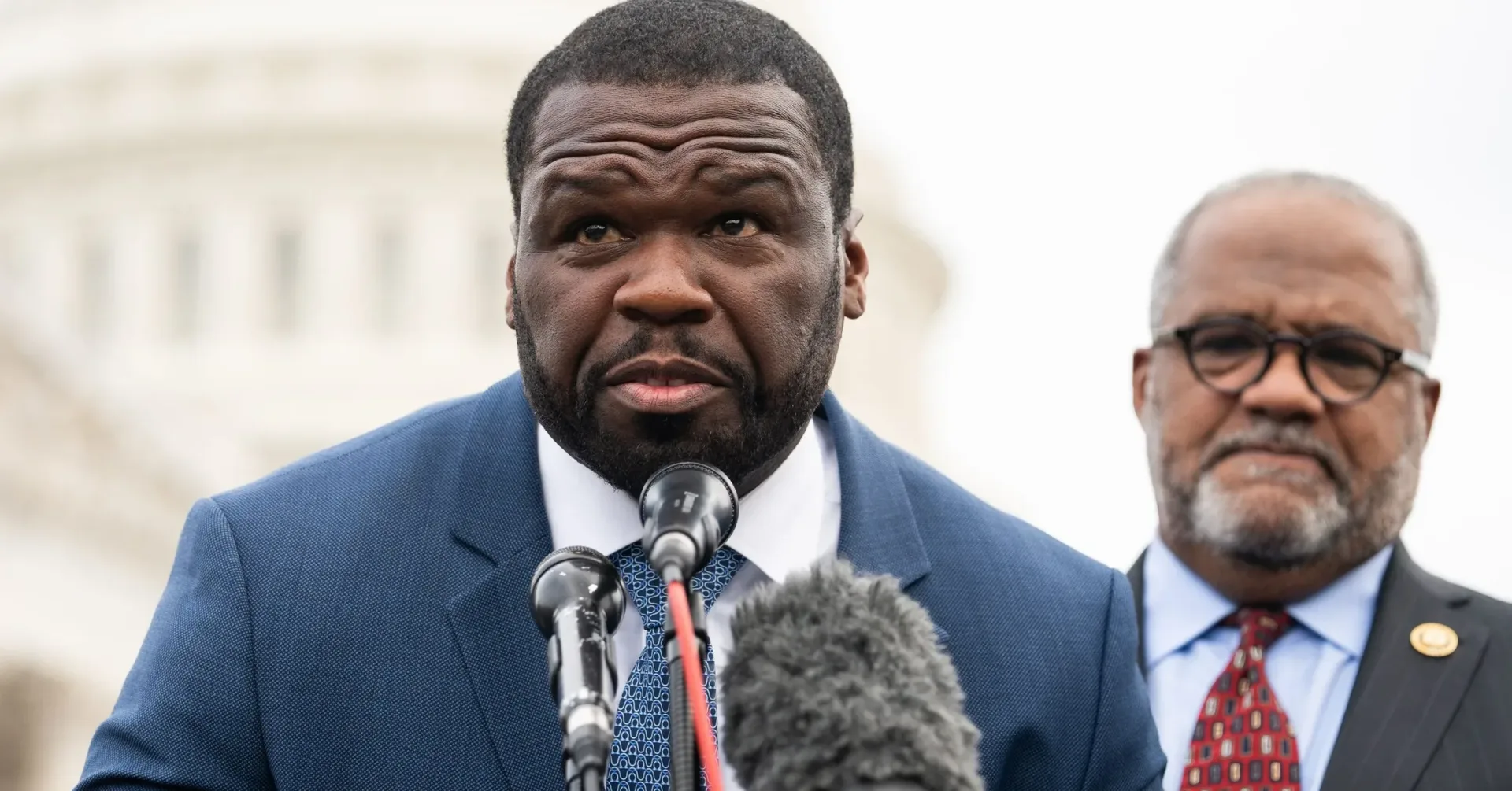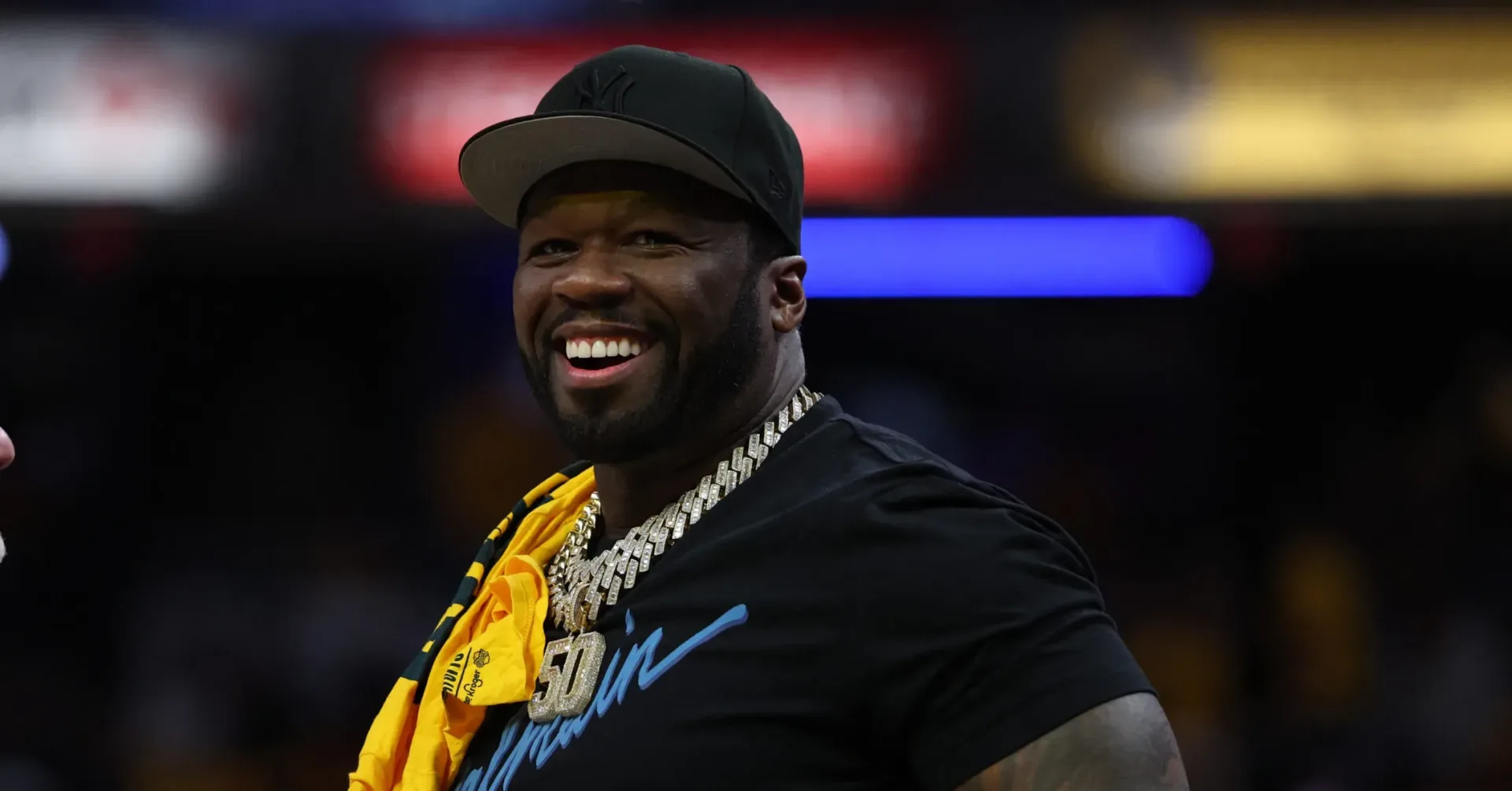
50 Cent’s latest public mention of Sean Combs arrived in a setting that was ostensibly about Street Fighter, not a new musical project or a formal statement. During an appearance on Flagrant, the rapper and entrepreneur was asked whether he was concerned about Combs’ eventual release from prison. His answer was blunt, provocative and delivered in a manner that prompted laughter in the room: “I have shooters.”
He continued the bit by saying, “No, I got shooters, you think he was the only one? Why you think I stay in this bullshit for so long.” The exchange should be understood in its immediate podcast context: it was received as a one-liner by the hosts, rather than as a detailed allegation, plan or description of a real-world confrontation. Still, it is the sort of combustible phrasing that reliably travels far beyond a long-form conversation.
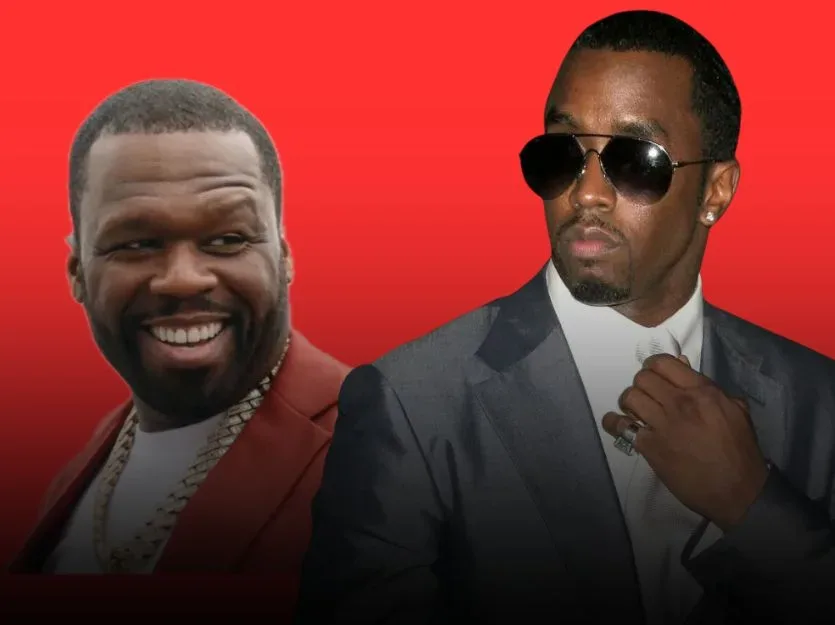
The question was rooted in the long-running public friction between 50 Cent and Combs. 50 Cent has repeatedly discussed Combs in interviews and has remained vocal while Combs has been incarcerated. The supplied account puts Combs’ projected release from FCI Fort Dix in March 2028, following a 50-month sentence. It also says 50 Cent produced the Netflix documentary Sean Combs: The Reckoning.
A Street Fighter conversation takes an abrupt detour
The appearance was tied to Street Fighter, a useful reminder that celebrity press stops rarely stay confined to the nominal subject. A recognizable guest, a highly shareable question and an old feud are a dependable formula for a clipped moment. The Street Fighter connection may have brought 50 Cent to the microphone, but the conversation’s loudest takeaway became an answer about someone else entirely.
That disconnect matters for audiences following games and game adaptations. A celebrity’s involvement in a gaming-adjacent project can create attention, but it can also mean that coverage gets pulled toward the guest’s personal history rather than the project itself. There is little new Street Fighter information in the exchange described here; the value of the moment is primarily as pop-culture spectacle.
There is also a difference between a podcast moment and a reportable development. The exchange does not establish a new business deal, a casting update, a release plan or a change to a Street Fighter game. It is an interview clip built around 50 Cent’s familiar, confrontational comedic persona. Fans looking for adaptation-specific discussion will find more useful context in the debate over whether Street Fighter adaptations preserve a character’s core identity.
What the joke does—and does not—tell us
In celebrity coverage, delivery is part of the meaning. The hosts’ laughter and the setup of the question indicate that 50 Cent’s response was treated as a joke in the room. That does not make the language especially subtle, and it is reasonable for viewers to find it distasteful or unnecessarily inflammatory. But it would be a mistake to turn a punchline into a factual claim that the conversation itself did not substantiate.
Context is not a free pass; it is a way to report accurately. In this case, the available material supports a narrow description: 50 Cent answered a question about Combs with a threatening-sounding joke, then extended it with another line. It does not provide evidence of an actual threat, a plan, contact between the two men, or a response from Combs.
Related coverage includes 50 Cent Jokes About Diddy’s Expected 2028 Release on Flagrant.
That distinction is particularly important because the broader subject is serious. The supplied material references Combs’ criminal case and prison term, as well as separate reports concerning his recent prison experience. Those details should not be casually expanded with assumptions. The described podcast exchange offers no verified account from Combs, his representatives, prison officials or law enforcement, and it does not resolve any of the issues surrounding the two figures.
Why these clips spread so efficiently
A short exchange like this has several features built for circulation:
- An established rivalry: audiences already recognize that 50 Cent has frequently made public comments about Combs.
- A sharp, quotable line: “I have shooters” is brief enough to become a headline, social caption or video title without the rest of the conversation.
- A visual reaction: the hosts’ laughter gives the clip an immediately readable tone.
- A serious underlying subject: the discussion invokes incarceration and a potential future release, raising the stakes beyond routine celebrity teasing.
Those traits can flatten nuance. A person seeing only the quote may not know that it followed a direct question about whether 50 Cent was scared, or that the people in the studio appeared to take it as a joke. Conversely, someone focusing only on the laughter may overlook why violent language connected to real people and incarceration can produce an uncomfortable reaction. Both pieces of context belong together.
The long shadow of a public feud
The material characterizes 50 Cent’s criticism of Combs as a years-long pattern rather than a sudden new dispute. That history explains why the question arose so readily during an interview about a separate topic. For 50 Cent, comments about Combs have become part of the public’s expectation of his interview persona: he is frequently cast as willing to say the provocative thing that another guest might avoid.
But familiarity can obscure the difference between repetition and escalation. Here, there is no indicated new dispute between the men. There is no reported direct reply from Combs. There is no new evidence presented in the podcast excerpt. The immediate news value is the wording of 50 Cent’s response and its setting, not a documented change in their relationship.
That is also why the 2028 date should be handled carefully. A projected release date is a point of public interest, but it is not a reason to predict an eventual showdown, retaliation or reconciliation. The supplied account says only that the date is expected to fall in March 2028. Everything beyond that would be speculation.
How to read the headline without overreading the moment
Headlines often favor the most explosive fragment of a conversation. In this instance, “I have shooters” is clearly the fragment designed to generate attention. Yet the complete account is more limited: 50 Cent was discussing Street Fighter, was asked an antagonistic hypothetical about Combs’ release, and answered with a line that the studio received as a joke.
For readers, the practical takeaway is simple. Treat the quote as an example of 50 Cent continuing a highly public feud through comedy and provocation—not as proof that a future conflict has been arranged or that any real-world action is being contemplated. The record described here contains a viral line, a laughing reaction and a history of pointed comments. It does not contain the evidence needed to claim more.
As for the Street Fighter angle, it demonstrates how completely a celebrity appearance can be redirected by the culture surrounding it. The game discussion may be what put 50 Cent on the podcast, but the exchange likely to persist is the one that had almost nothing to do with fighting games at all.