Street Fighter has opened at the top of the domestic box office, bringing in an estimated $31 million across the United States and Canada in its first weekend. The adaptation, released in U.S. theaters on October 16, played in 3,575 theaters and added approximately $20 million from international markets, putting its estimated worldwide opening at about $51 million.
That is a sizable first-round result for a film based on Capcom’s fighting-game series, and it gives the new movie a clear win over the prior theatrical Street Fighter adaptations in unadjusted opening-weekend dollars. The 1994 Street Fighter opened to $9.5 million, while 2009’s Street Fighter: The Legend of Chun-Li began with $4.7 million.
It is also a debut that provides a useful snapshot of what brought audiences in: recognizable game characters, an ensemble cast, a deliberately 1993-set story, and a release pattern wide enough to make the movie readily accessible in North America. Still, an opening weekend is only the first exchange in a longer box-office bout. The next question is whether the film can maintain attendance after its initial launch.
A wide release delivers a first-place finish
The estimated $31 million domestic result placed Street Fighter first for the weekend. Its nearest reported competitor, the Elizabeth Holmes documentary You Can See Everything, was estimated at $15 million from 855 screens. The difference in screen count matters: Street Fighter reached more than four times as many theaters, so the headline total reflects both audience demand and a substantially broader theatrical rollout.
Friday accounted for $13 million of the domestic estimate, followed by $10.8 million on Saturday and a projected $7.2 million on Sunday. Those numbers are preliminary weekend estimates rather than final domestic figures, which were due the following Monday. That distinction is important in box-office reporting: studios and tracking services project a weekend total before all ticket receipts are fully tabulated, and later figures can shift modestly.
The reported audience was 69% male. That does not explain every ticket sale, but it does indicate that the opening leaned toward a demographic often strongly associated with fighting games and action cinema. For a property with decades of character recognition, a character-led marketing hook can be as significant as the underlying brand name. Here, the release centered on figures fans already know from Capcom’s games, while placing them in a new film narrative.
How the film uses the game’s fighters
Directed by Kitao Sakurai, the movie places its version of the Street Fighter world in 1993. Ryu and Ken are drawn back into combat after Chun-Li recruits them for the World Warrior Tournament. The premise puts the film’s three most immediately recognizable fighters at the center of the story while giving the tournament a clear narrative function: it is the event pulling separate combatants back into conflict.
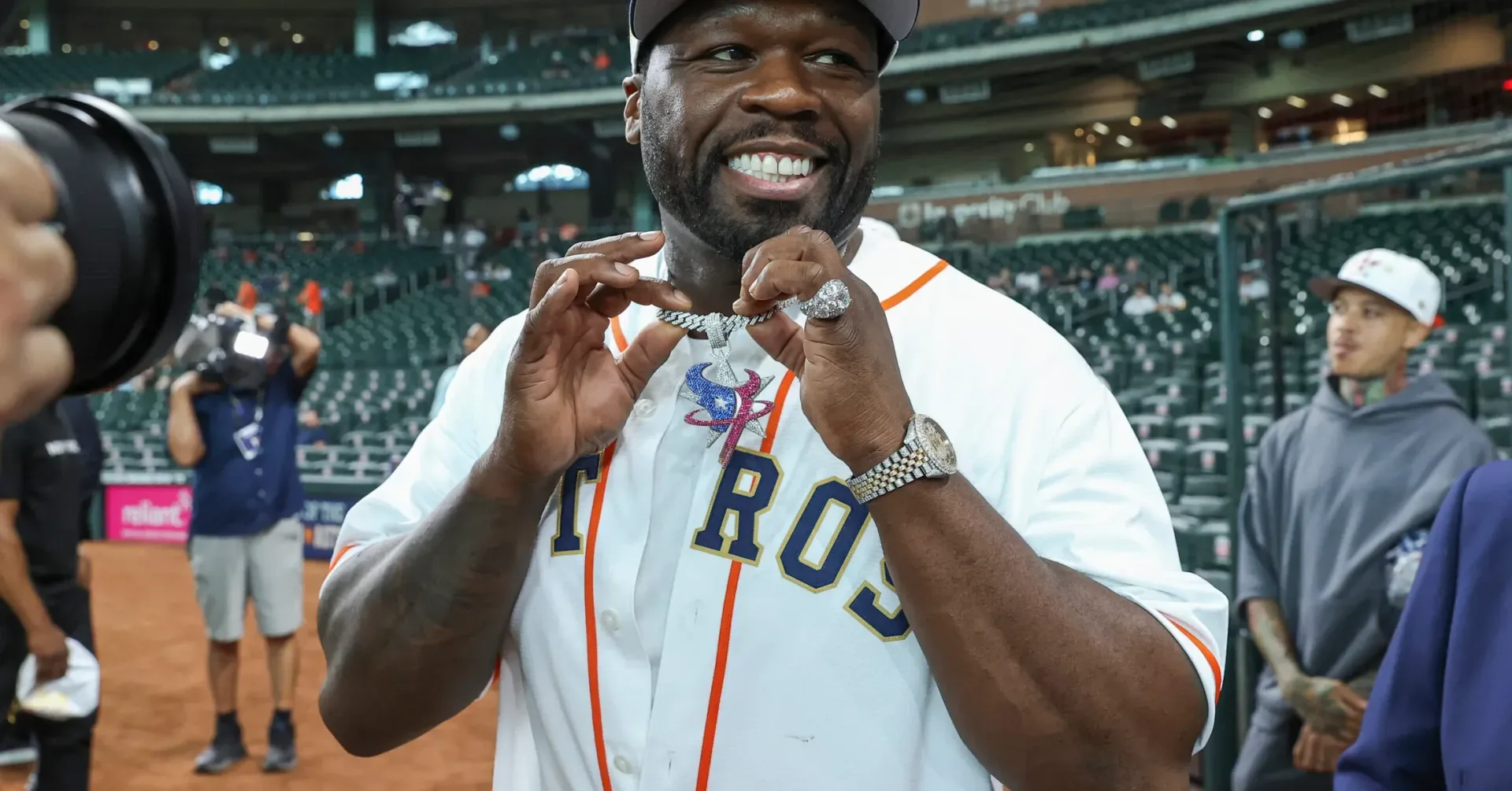
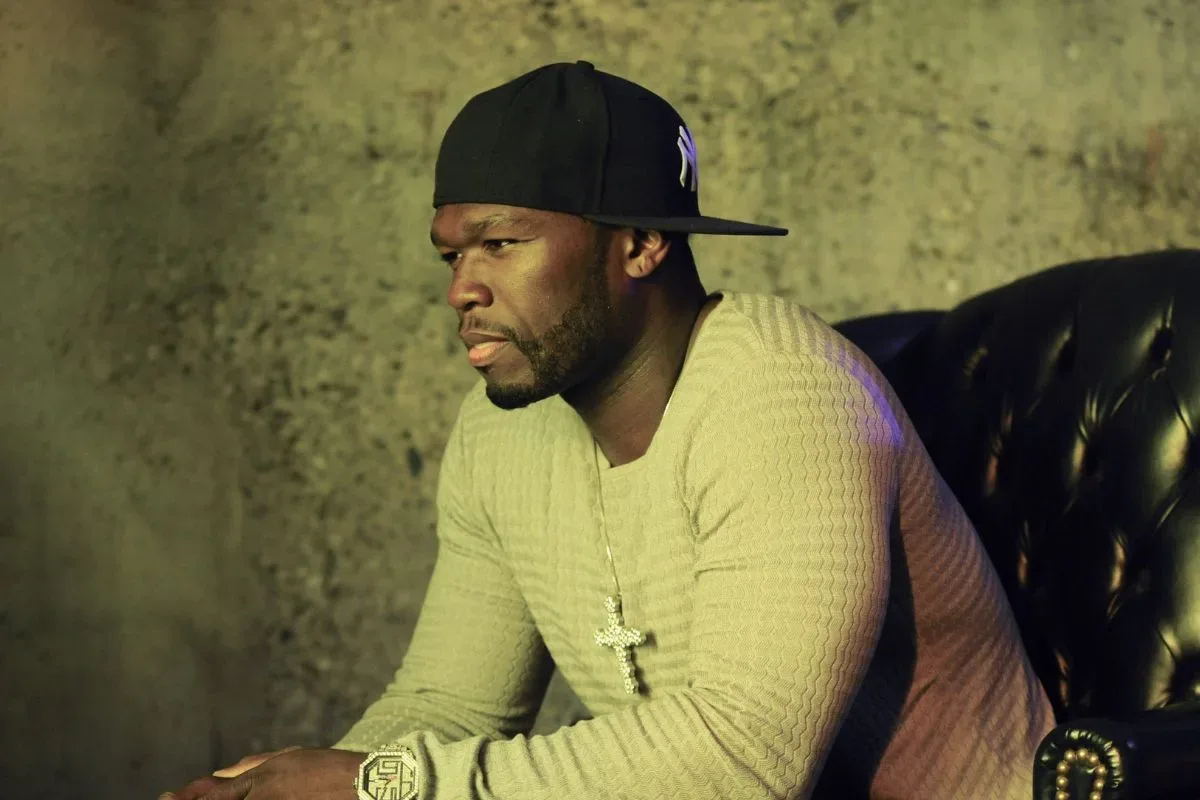
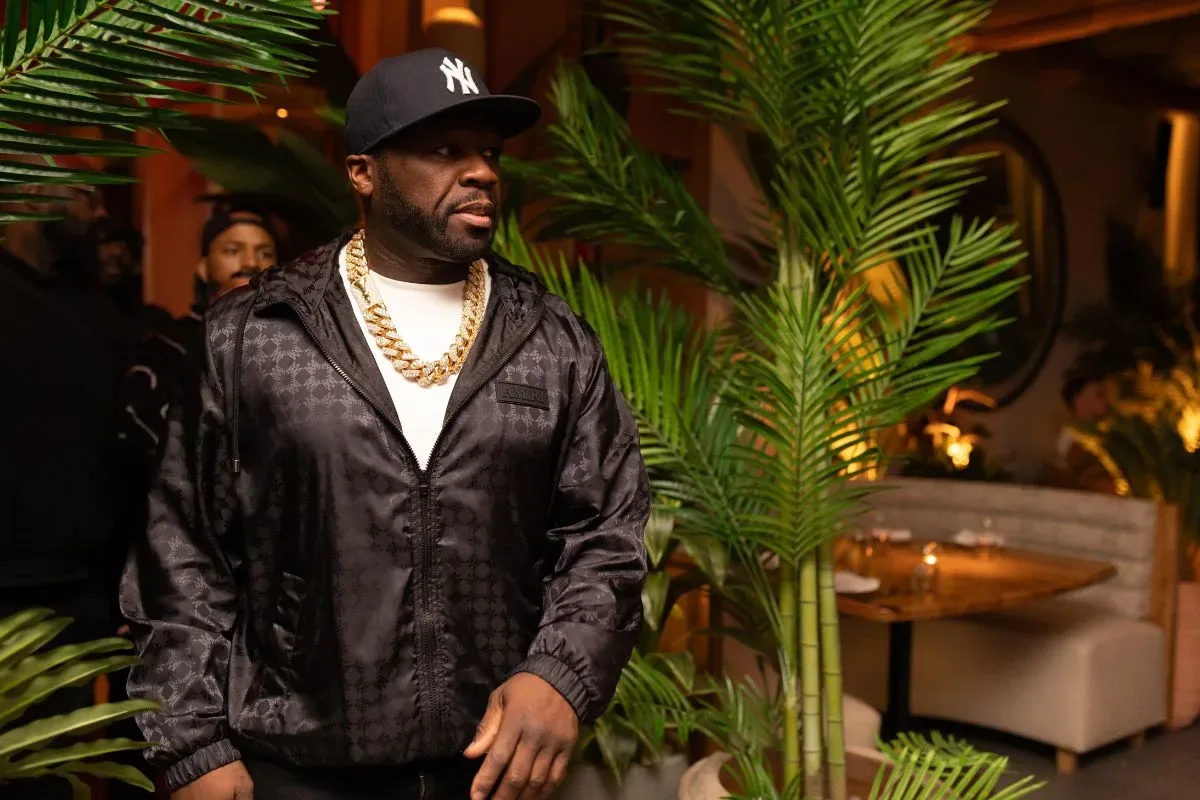
Andrew Koji plays Ryu, Noah Centineo plays Ken, and Callina Liang plays Chun-Li. The wider ensemble includes 50 Cent as Balrog, Eric André as Don Sauvage, and Jason Momoa as Blanka.
Related coverage includes 50 Cent’s Street Fighter Opens No. 1 With Estimated $31 Million.
That lineup illustrates the adaptation’s approach. Rather than building solely around one protagonist, it draws from a roster-based fighting game. In game terms, a roster is the selectable collection of combatants, each generally identified by a visual silhouette, fighting style and personal rivalry. Translating that structure to film is a balancing act. Audiences who know the games may expect prominent personalities to be recognizable, but a feature film also needs a through-line that can carry viewers who have never selected a character on a Capcom screen.
The 1993 setting gives the production a defined period framework rather than presenting an unspecified contemporary version of the material. The supplied plot details do not establish how much that period changes the characters or tournament, but the decision provides a specific backdrop for this take on Ryu, Ken and Chun-Li.
50 Cent’s Balrog preparation puts boxing in focus
50 Cent plays Balrog, the boxer among the game’s fighters. The role connected with experience he had before the production: he had practiced boxing from childhood through his teenage years. For the film, he returned to the sport with an Australian coach.
His preparation also reportedly involved massage and cryotherapy, as well as the pressure of matching the character’s physical build. Cryotherapy is a recovery practice that uses extreme cold for a short period; in a film-training context, it is generally part of an effort to manage the physical demands of workouts and fight-oriented production rather than a replacement for training itself.
The details are especially relevant to Balrog because the character’s identity is directly tied to boxing. An actor’s prior familiarity with footwork, posture and the rhythm of punches may help shape a performance, even though screen fighting remains choreographed and produced for the camera. The movie’s cast is not simply recreating game animations; it is adapting the recognizable traits of fighters for a live-action ensemble.
50 Cent has remained a prominent figure in screen entertainment beyond music. Readers following that side of his work can also see coverage of his recent comments concerning the Power dispute.
What the opening means—and what it does not
The film reportedly cost $82 million to produce, excluding marketing and promotion. Capcom and Legendary jointly financed the adaptation as Capcom continued pursuing ways to bring its characters to audiences beyond games.
Production budget and opening-weekend revenue should not be treated as a direct profit-and-loss comparison. A reported production cost does not include marketing and promotional spending here, and theaters retain a portion of ticket revenue. International markets can also involve different distribution arrangements. So the $51 million worldwide opening establishes an early commercial benchmark, but it does not alone determine the film’s ultimate financial outcome.
What it does demonstrate is a meaningful initial level of interest in a theatrical Street Fighter release. It also exceeded the first-weekend unadjusted-dollar totals of the franchise’s earlier films. That comparison needs its own caveat: unadjusted dollars do not account for inflation, changes in ticket prices, theater counts, release strategies, or the larger differences between eras of moviegoing. It is a clean comparison of reported opening grosses, not a complete measurement of relative cultural reach.
The new film’s domestic launch did not surpass the $38.5 million debut of Mortal Kombat II, another fighting-game adaptation released in May. That comparison shows that the fighting-game film category can still produce different outcomes even when its adaptations share genre DNA. A title’s characters, release timing, marketing, competition and word of mouth can all influence how it opens and how it holds.
The B-minus CinemaScore and the importance of audience response
Street Fighter received a B-minus CinemaScore, the same grade reported for the 1994 film. CinemaScore is a polling measure based on feedback from ticket buyers, commonly used as an early signal of opening-weekend audience reaction. It is not a critic score, nor is it a final verdict on a movie’s fandom. It measures responses from people who chose to see the film early in its theatrical run.
For a wide-release genre adaptation, that response can matter after the opening weekend because it may affect word of mouth—the informal recommendations and warnings viewers give friends, family and online communities. A No. 1 opening is a concrete achievement; sustained revenue depends on whether the movie keeps attracting moviegoers after the launch audience has already shown up.
The result leaves the production with a strong early domestic position, an estimated $51 million worldwide start, and a franchise-best opening weekend among its direct theatrical predecessors in raw dollars. Its longer trajectory will be clearer once final domestic figures arrive and subsequent weekends show whether Ryu, Ken, Chun-Li, Balrog and the rest of this 1993-set roster can keep drawing an audience back into the tournament.