A gorilla in an ’80s-inspired outfit, a gorilla in graduation attire, and a gorilla dancing in a tuxedo: leaked set images from The People v. Gorilla Grodd have given DC fans plenty to inspect. They have also created an unexpectedly specific question. Is the ape seen around the production actually Gorilla Grodd, the character named in the project’s title, or is the wardrobe a clue that another simian citizen of DC lore has stepped into the spotlight?
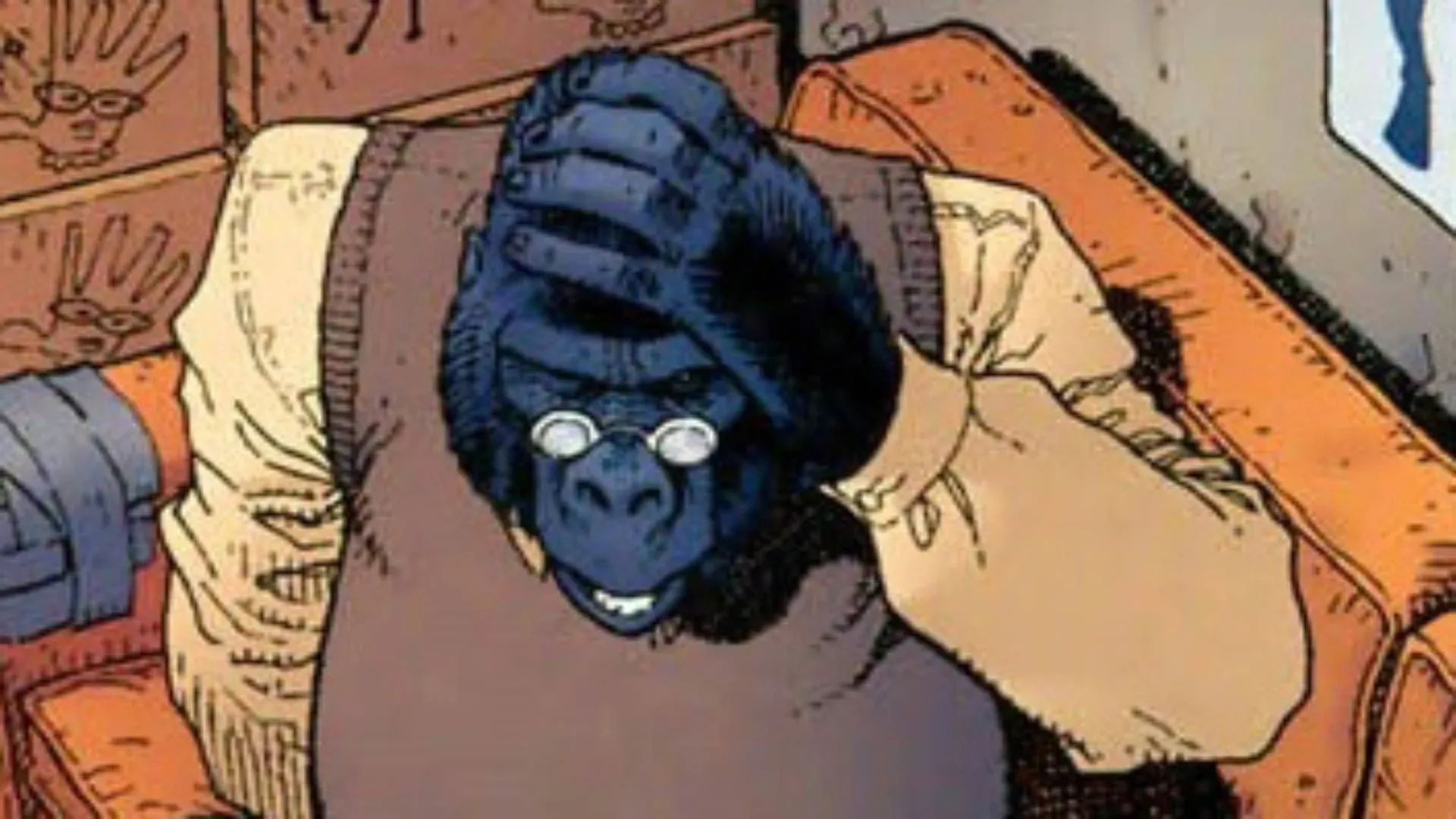
The project has begun filming and is described as a mockumentary based on the DC comic of the same name. Yet the photos circulating from the set have led some observers away from the most obvious reading. Rather than identifying the dressed gorilla as Grodd, fans have suggested that the character could be King Solomon, an obscure-but-not-forgotten DC ape whose comic-book presentation makes the clothes seem more significant than a simple production choice.
It is important to keep the boundaries clear: set photos are not a cast list, plot synopsis, or official character confirmation. A costume can point toward a deep-cut reference, establish a visual gag, disguise an element of the story, or simply make a scene work on camera. Still, the King Solomon theory has gained traction because it is built on a few visible details rather than only a desire to locate an Easter egg.
The outfit is the center of the King Solomon theory
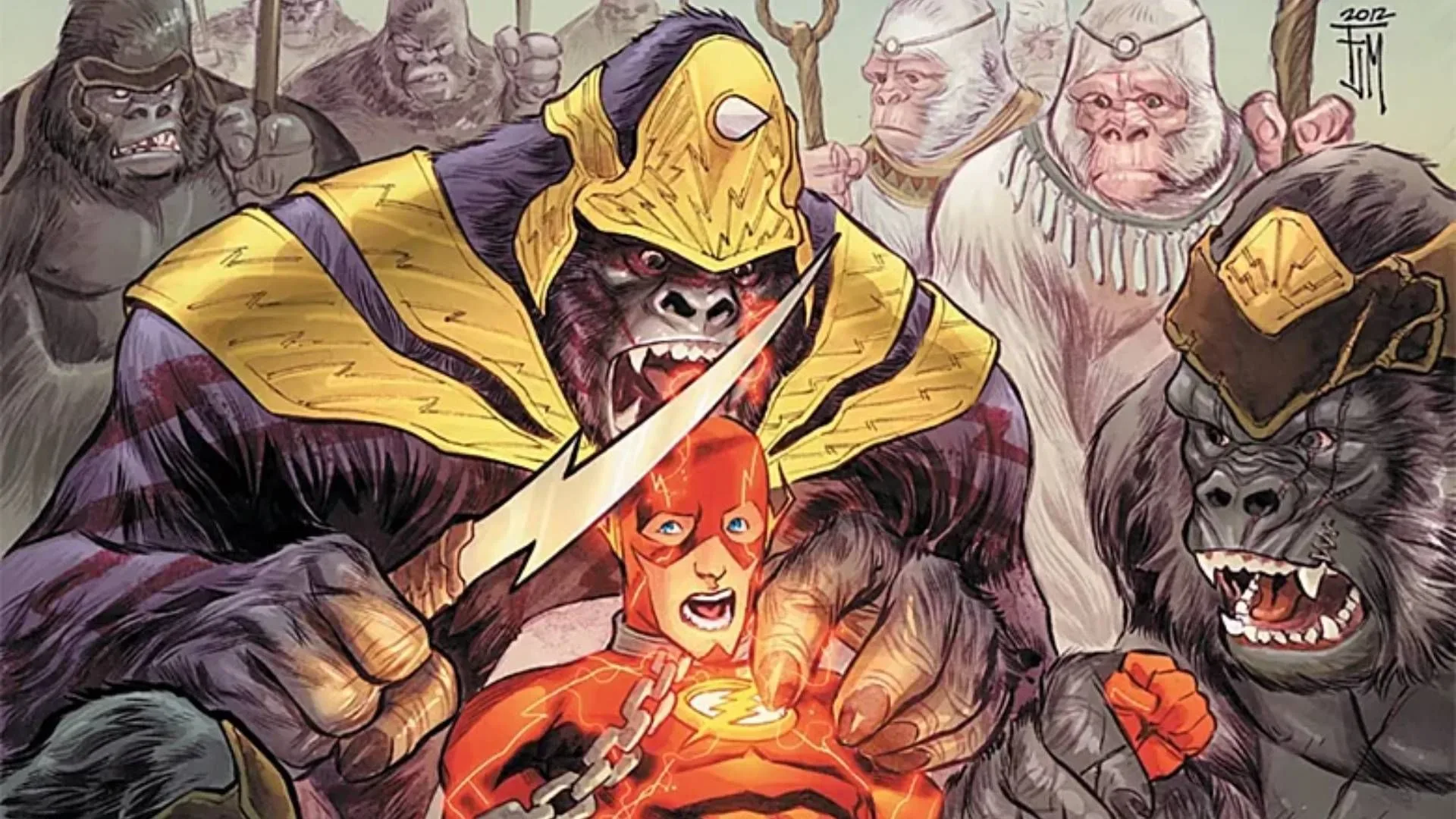
In the comics, Gorilla Grodd is most commonly depicted without ordinary civilian clothing. That immediately makes the leaked looks stand out. The gorilla seen in the images has appeared in conspicuously human social contexts and outfits: retro-style clothing, formalwear, and a graduation gown. Those choices fit the heightened, mock-documentary premise on the surface, but they also resemble a characteristic associated with King Solomon.
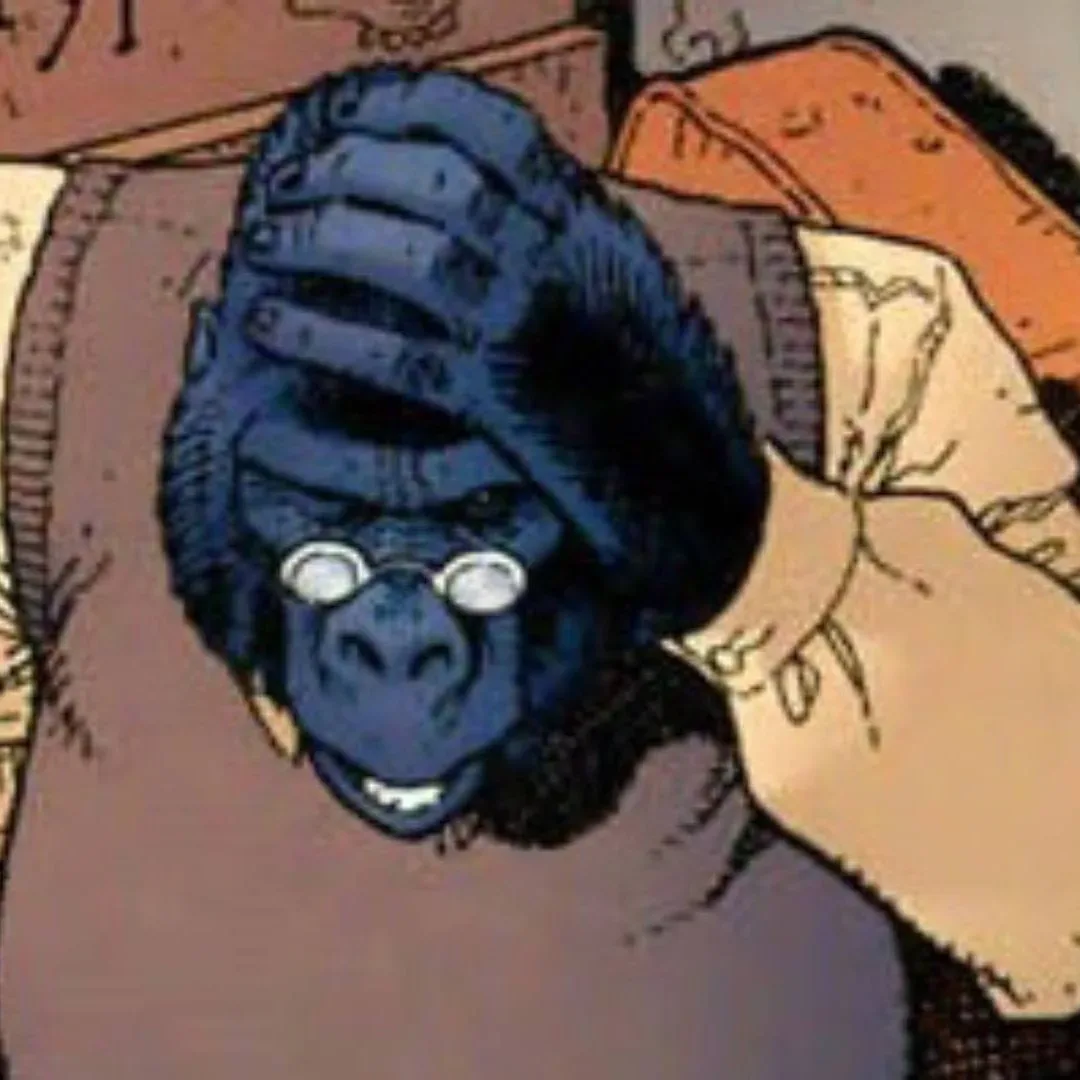
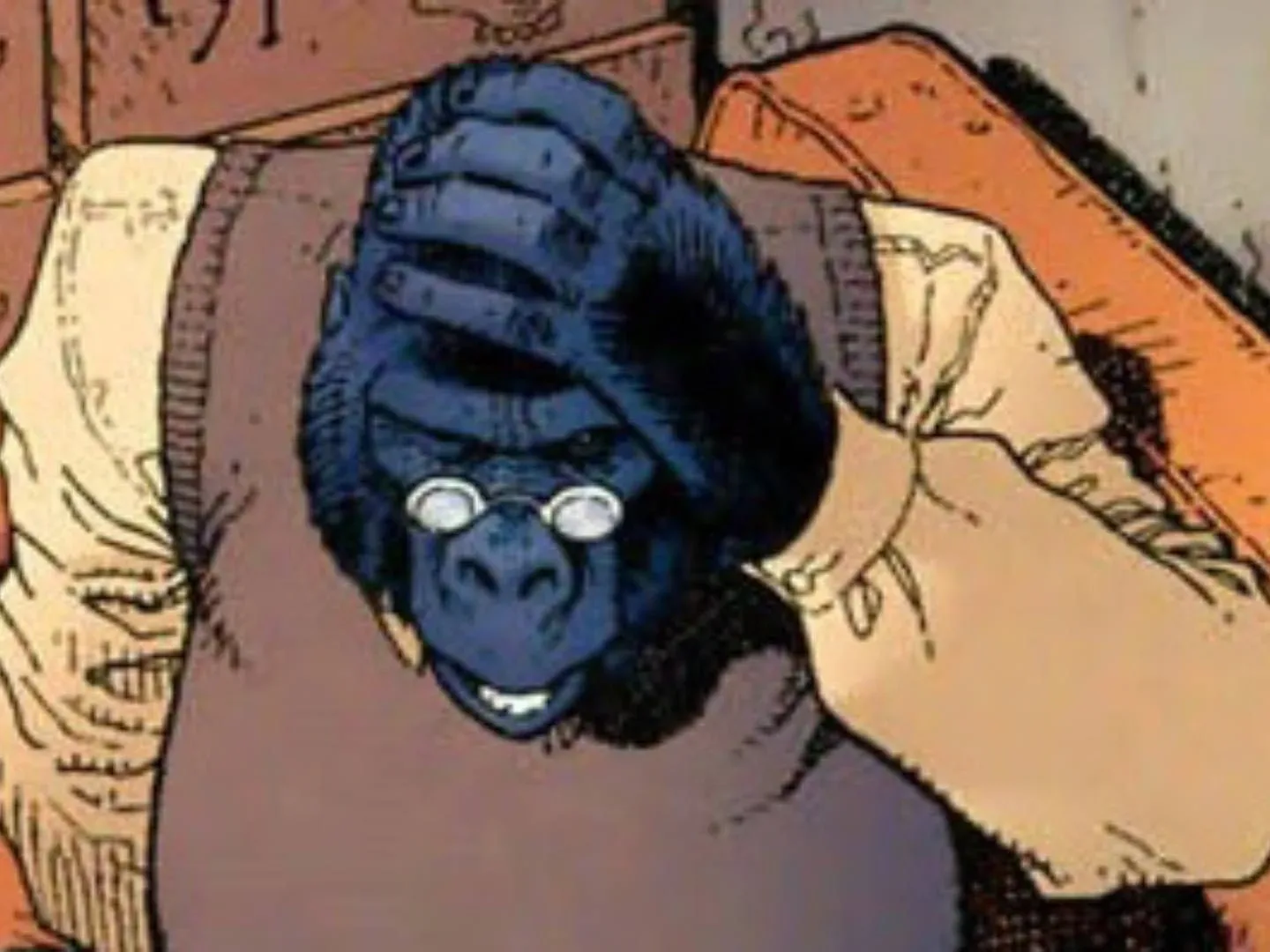
King Solomon has frequently been portrayed in clothes, and fans have argued that the outfit in the set material appears to match one associated with the character in the comics. That is the key distinction behind the speculation. The argument is not merely that “a gorilla wearing clothes must be a different gorilla.” It is that a particular clothed gorilla, seemingly wearing a recognizable look, could be a deliberate nod to a particular character.
If that reading proves accurate, it could mean The People v. Gorilla Grodd is using the trial-centered title as an entry point into a broader community of ape characters. A mockumentary format would certainly give the film room to cut away from its central subject and introduce acquaintances, rivals, supporters, or witnesses who have their own odd perspectives on the case. That remains speculation, but it is speculation that fits the kind of ensemble storytelling the format can support.
Why James Gunn’s earlier comic reference matters to fans
The theory has another piece of connective tissue. James Gunn has previously discussed the comic featuring King Solomon on social media and described it as a direct influence on Superman and DC more broadly. That prior attention does not amount to confirmation that King Solomon appears in The People v. Gorilla Grodd. It does, however, make the idea less random than it might otherwise sound.
DC adaptations have long drawn from both famous characters and strange corners of the publisher’s enormous catalog. When an image contains a visual similarity to an obscure comic character who has already been singled out as influential, fans are naturally going to start connecting pins on the corkboard. In this case, the corkboard happens to have a tuxedoed gorilla at its center, which is objectively one of the better reasons to use a corkboard.
That connective logic also speaks to the potential appeal of the project. Grodd is usually associated with threat, psychic power, ambition, and the kind of villainy that can make a speedster’s day substantially more complicated. A mockumentary about a legal case involving him offers a different tonal route. It potentially lets a DC story treat the larger-than-life premise with a straight face while allowing every person—or ape—around it to behave as though the proceedings are perfectly normal.
A familiar villain can anchor that kind of story, but a supporting player such as King Solomon could help sell the world beyond the title character. The photos of the gorilla dressing for formal events, celebrating graduation, and dancing could be evidence of a social life that feels intentionally separate from the more conventional image of Grodd. Or they could simply be Grodd having a surprisingly busy wardrobe department.
Other fan theories leave room for more than one ape
Not every response has treated the set gorilla as either Grodd or King Solomon. One popular line of speculation is that the photographed character may be one of two otherwise ordinary gorillas who know Grodd and have been recruited to participate in the documentary. In that version, the movie’s mockumentary crews could be interviewing figures from Grodd’s orbit rather than following him every moment.
Another proposed possibility is that Grodd has enlisted Solomon to stand in for him publicly. A related interpretation imagines Solomon as a symbol of gorillas entering or participating in human society. Neither idea has been verified, and both show how much storytelling space fans are finding in a few wardrobe-heavy images. The images do not establish the plot; they have simply made it clear that the production is presenting at least one gorilla through a notably human-facing lens.
That may be exactly the point. The comedy of a mockumentary often comes from applying the visual language of serious nonfiction to an absurd scenario. A graduation gown and tuxedo can do a great deal of work before any dialogue is heard. They suggest ceremonies, reputations, awkward public appearances, and a subject trying to manage how the camera sees them. For a character connected to a high-profile trial, that kind of image control could be part of the joke.
There is also a practical storytelling explanation for clothing that does not require a hidden identity. Putting Grodd in everyday clothes may make the character feel more approachable, legible, or intentionally humanized for a modern screen comedy. That would be a creative choice rather than a lore clue. It could help the production land the mockumentary tone by making a fantastical ape look like he is attending the same social events and ceremonies as everyone else—just with considerably more fur and, presumably, a much stronger opinion about bananas than the average witness.
Mixed reactions are part of the early picture
Early responses to the leaked imagery have been mixed. That is unsurprising for a project whose visible material so far consists of unplanned glimpses from filming rather than a trailer or finished scene. Set photos remove the context that normally explains a costume, a gag, or a performance choice. A graduation gown may be a major plot beat, a quick cutaway, a dream sequence, archival footage within the mockumentary, or something else entirely.
For now, the photos have done one thing effectively: they have made people talk about a project that has not yet revealed its full hand. The discussion is not just about whether a gorilla looks convincing. It is about comic-book continuity, costume accuracy, the possible size of the supporting cast, and whether the DC universe is prepared to treat an ape’s public-relations strategy with documentary-grade seriousness.
That broader curiosity is also why the King Solomon question is worth watching even if it is ultimately wrong. A film can benefit from viewers recognizing that its world may contain more than the single famous name on the marquee. It encourages audiences to look at costumes, background figures, and comic references as possible story ingredients rather than decoration. For superhero fans used to scanning every frame for a connection, a wardrobe match is more than enough to start a theory.
There is no release date for The People v. Gorilla Grodd at this time, and no official clarification has established whether the leaked gorilla is Grodd, King Solomon, a documentary interviewee, a decoy, or some combination of those possibilities. Until more material arrives, the most responsible answer is also the least dramatic: nobody outside the production can say for certain.
Still, the possibility of a King Solomon appearance is a fun reminder that DC’s screen future may draw from unexpected places. For another look at how comic-book adaptations can revisit established characters in unusual forms, see our coverage of VisionQuest and Ultron’s returning robot form. As for Grodd, the court of fan opinion has not reached a verdict—though the defendant, if he is the defendant, is already dressed for the occasion.