Gorilla Grodd has traditionally entered a DC story as a problem that requires a telepath, a speedster, a super-team, or at minimum a very carefully worded evacuation notice. So the reported early look at The People Vs. Gorilla Grodd is an especially wild pivot: the super-intelligent gorilla villain has apparently been spotted singing with an a cappella group and dancing while dressed in a tuxedo.
Production on the forthcoming DC mockumentary is reported to be underway in Atlanta, with videos circulating from filming at the Georgia Institute of Technology. The footage is said to depict Grodd during his 1980s college years, a premise that already suggests this will not be a standard “villain threatens the city” adaptation. It is an image built for disbelief, and perhaps that is exactly the point: DC’s new shared-screen universe seems happy to let its stranger corners be conspicuously strange.
A college-era Grodd is a very particular kind of DC swing
The material seen so far appears to show an anthropomorphic gorilla rather than a fully finished visual-effects creature. That distinction matters. A performer, suit, practical reference, or stand-in can look dramatically different from the eventual character after effects work is completed. There is currently no clear indication that the on-set incarnation represents Grodd’s final look, so declaring the finished DCU design a success or disaster from these clips would be premature.
What does come through, however, is tone. A tuxedo dance and collegiate vocal performance are not the usual visual shorthand for a tyrannical psychic ape. Even by comic-book standards, the choice is gloriously specific. It implies a story interested in the gap between what viewers know a character can become and what an earlier version of that character might have been doing before the mind control, conquests, and supervillain résumé entries took over.
That premise could be a useful engine for mockumentary comedy. The format allows a fictional world to treat extraordinary events as a mixture of local scandal, campus legend, awkward archival material, and self-serious talking heads. A show about the “people versus” Grodd could potentially frame its title character as a fearsome adversary, an unreliable subject, a misunderstood former student, or all three depending on which witness is speaking. None of those specific story details have been confirmed, but the format gives the premise room to make a comic-book oddity feel intentionally absurd rather than merely random.
Why Grodd carries more baggage than an ordinary funny-animal bit
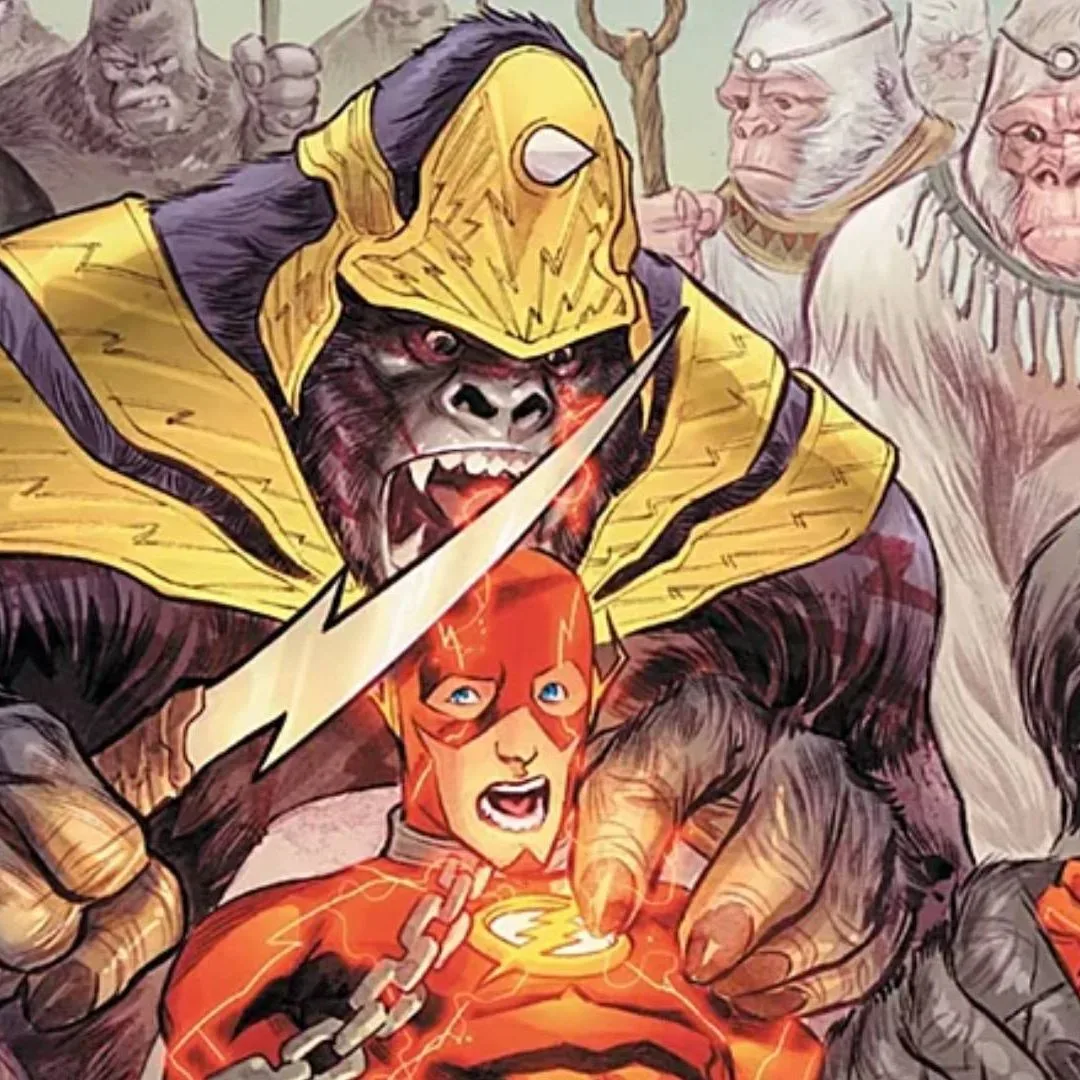
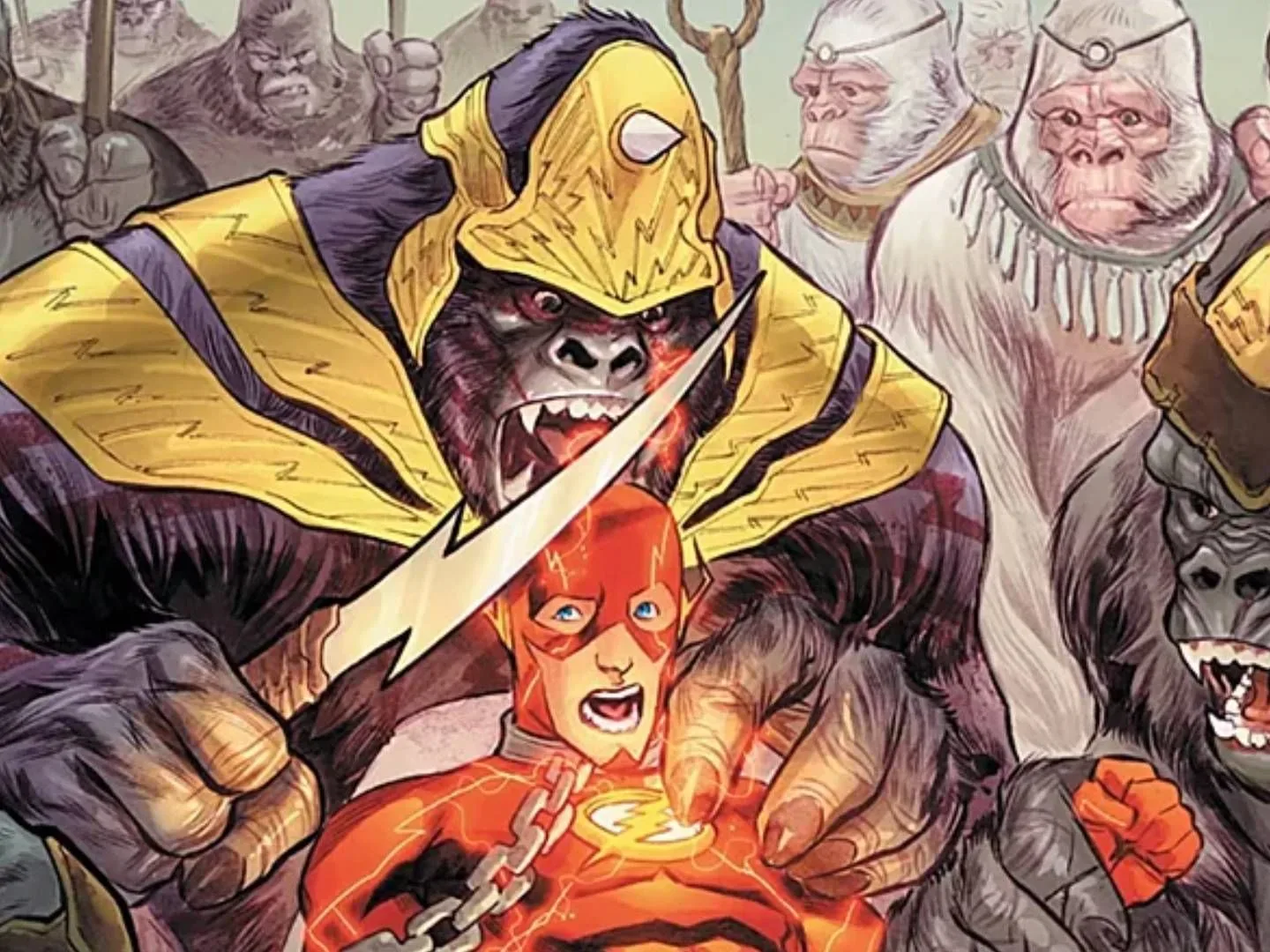
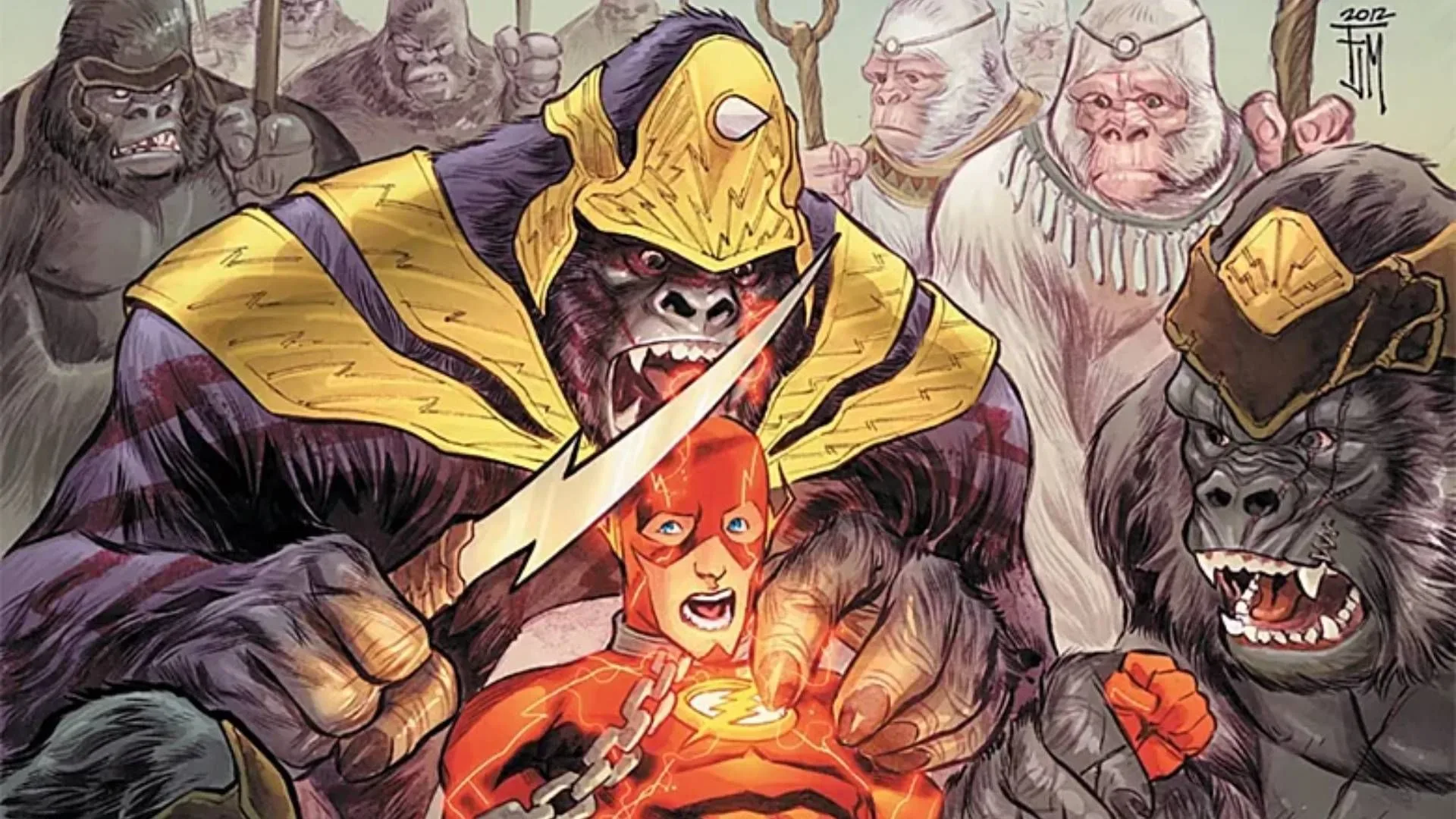
The divided reaction is understandable because Gorilla Grodd is not simply one of DC’s many animal-themed characters. In comic-book history, he is closely associated with immense intelligence, telepathy, control over other minds, and ambitions well beyond comic relief. His connection to Gorilla City and frequent clashes with heroes such as the Flash have made him a major threat when writers lean into his menace.
That background is precisely why the leaked imagery has generated such a wide response. One camp sees the silliness as promising evidence of an adaptation with confidence and personality. To those viewers, a deadly serious approach to every DC property would be far less faithful to the publisher’s broad, often gleefully bizarre history. A singing Grodd is not necessarily a diminished Grodd; it may be a sign that the show intends to find comedy in a character who is normally presented at maximum intimidation.
Others are more cautious. Their concern is not that DC should avoid humor, but that a character with genuine menace could be reduced to a temporary meme before he has a chance to register as a credible figure in the universe. That is a fair distinction. A powerful villain can be funny, and a comedic story can still treat its central character as dangerous. The balance is difficult, though, particularly when the first impression is an out-of-context clip of a gorilla dressed for what looks like an extremely formal campus function.
There is also a broader comics point underneath the argument. DC has plenty of obscure, eccentric, and sometimes explicitly comedic ape characters and concepts. Fans who would rather reserve Grodd for psychic menace may feel another figure would be a more natural fit for an a cappella gag. Fans eager for a reinvention, meanwhile, can reasonably argue that using a recognizable name makes the joke and the eventual dramatic turn more potent. At this stage, neither interpretation can settle the issue because the full context has not been shown.
The early response is delight, dread, and a lot of bewilderment
Online discussion has ranged from declarations that the footage looks like future comedy gold to complaints that it is excessively shaped around viral reactions. The enthusiasm is easy to understand: big-budget superhero storytelling can sometimes feel engineered to avoid embarrassment, and an a cappella-performing Gorilla Grodd does not appear remotely embarrassed by its own existence. The criticism is understandable, too. A deliberately ridiculous image can be entertaining before release yet still leave audiences wondering whether the finished show has a narrative reason for it.
The safest reading is also the least dramatic one: a first day of exterior filming cannot explain a season. Set footage is inherently incomplete. It lacks editing, sound, music, effects, surrounding scenes, and the intended rhythm of a finished episode. In mockumentary material especially, the joke may depend on a cutaway interview or a piece of fictional historical context that is completely absent from a phone video.
For now, the clips establish only a few meaningful things. The People Vs. Gorilla Grodd appears to be embracing a comedic mockumentary identity; its story reportedly visits Grodd’s college period in the 1980s; and the production is willing to put one of DC’s most formidable simian villains in scenarios that sound more like campus-pageantry flashbacks than a conventional superhero showdown.
An eclectic DC slate makes the weirdness feel less isolated
The reported Grodd material lands in a DCU landscape that is already taking notably different genre routes for different corners of its catalog. Clayface has been described as a body-horror take on the shapeshifting Batman foe, while Lanterns is associated with a grittier crime-thriller approach. Add a mockumentary centered on a pre-villain or college-era Gorilla Grodd, and the apparent goal is less a single house style than a universe able to accommodate distinct creative modes.
That approach has an obvious advantage: comic books have never been one genre. They can contain cosmic spectacle, police procedural plots, broad comedy, supernatural horror, romance, political allegory, and something as inherently surreal as a genius gorilla with psychic powers. A connected screen universe does not have to sand all of those ingredients into the same dark-blue blockbuster paste. Letting projects occupy different tonal spaces could make each one easier to distinguish.
The risk, naturally, is coherence. Viewers may accept a body-horror villain film, a grounded investigative thriller, and a campus mockumentary independently, but a shared setting eventually asks them to believe that all of those tones belong together. The best version of that challenge is not making every project identical. It is giving each project a clear reason to exist while maintaining enough character and world logic that crossovers, references, or shared events do not feel like collisions between unrelated television channels.
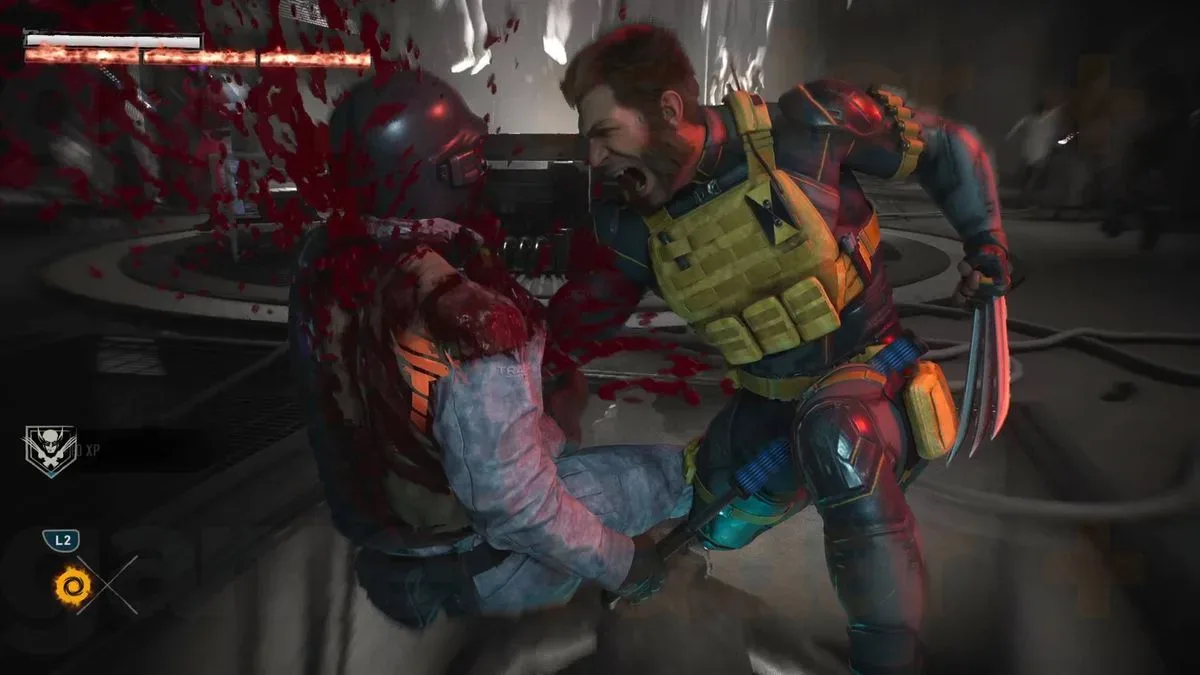
Superhero adaptations have increasingly shown that audiences can follow substantial changes in tone when the work is specific enough. The same principle applies across games, where a familiar character can move between formats without every installment requiring the same mechanics or mood. For a recent example of how strongly recognizable comic-book names can still invite debate over adaptation choices, see our look at Marvel’s Wolverine and its PS5 interpretation of Logan.
What the set clips cannot answer yet
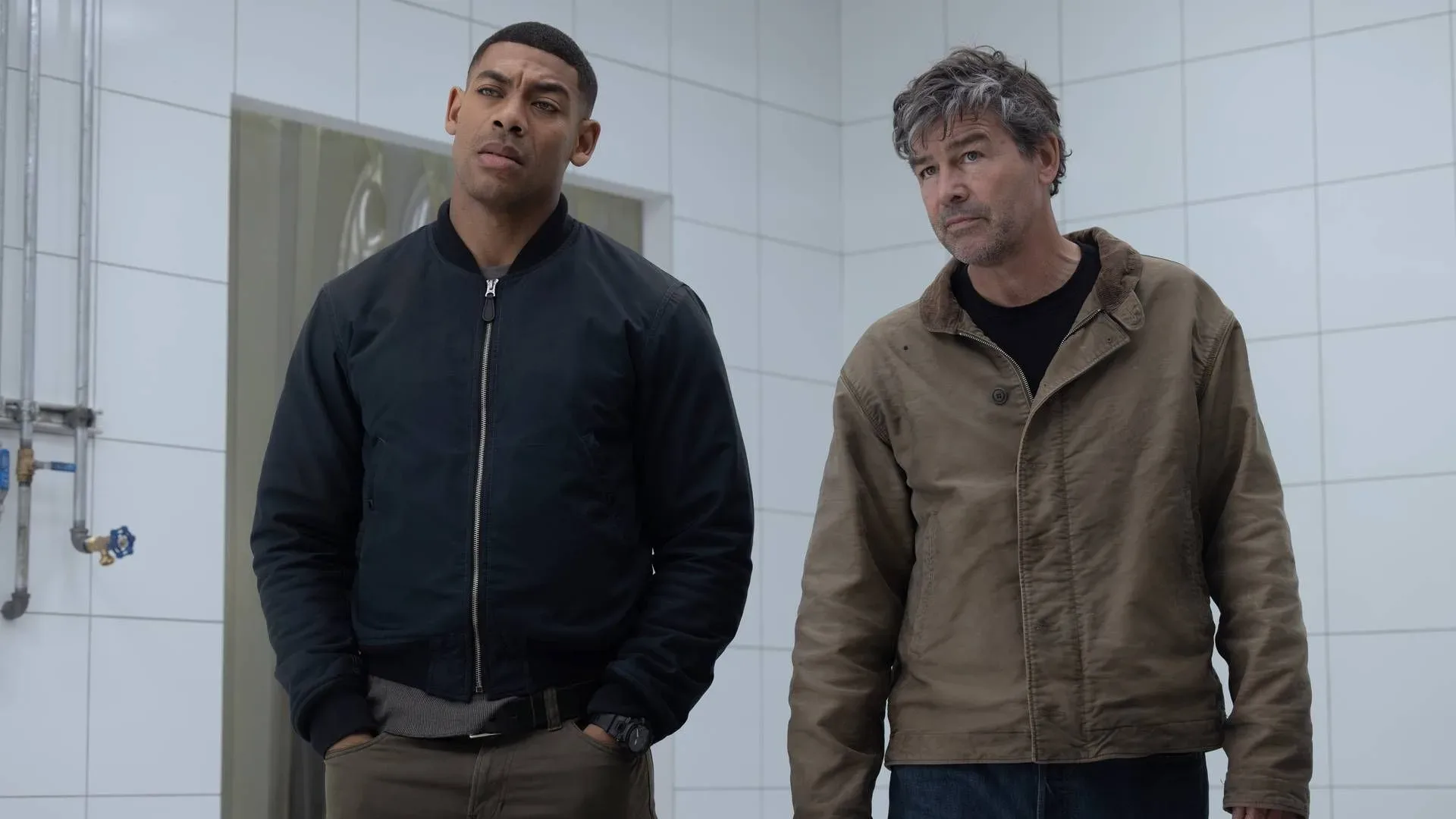
There are several crucial unknowns behind the tuxedo. Most immediately, it remains unclear whether the apparent practical Grodd is close to the completed on-screen version or merely serving the needs of production before visual effects are added. It is also unknown how the mockumentary is structured, what role Jimmy Olsen plays in the story beyond the project’s reported association with him, how much of the series is set in the 1980s, and whether Grodd’s familiar comic-book powers will factor into the plot.
Just as importantly, there is no way to judge from the circulating material whether the show’s comedy is affectionate, satirical, character-driven, or simply one component of a larger arc. A college flashback might be a brief visual gag. It could be a major mystery. It might even be the emotional key to why this version of Grodd becomes the figure audiences recognize. The available videos do not provide answers.
Still, they have accomplished one thing efficiently: they have made people talk about Gorilla Grodd as though his extracurricular activities are a matter of urgent cultural inquiry. For a character often defined by cerebral domination and brute force, that is an unusual victory. Whether the finished series turns the a cappella performance into inspired DC weirdness or a mismatch with Grodd’s legacy remains unresolved. But the DCU’s message from this early glimpse is hard to miss: it is prepared to make room for a tuxedo, a dance floor, and one very unexpected gorilla.