Warning: This article discusses major spoilers for VisionQuest episode 7.
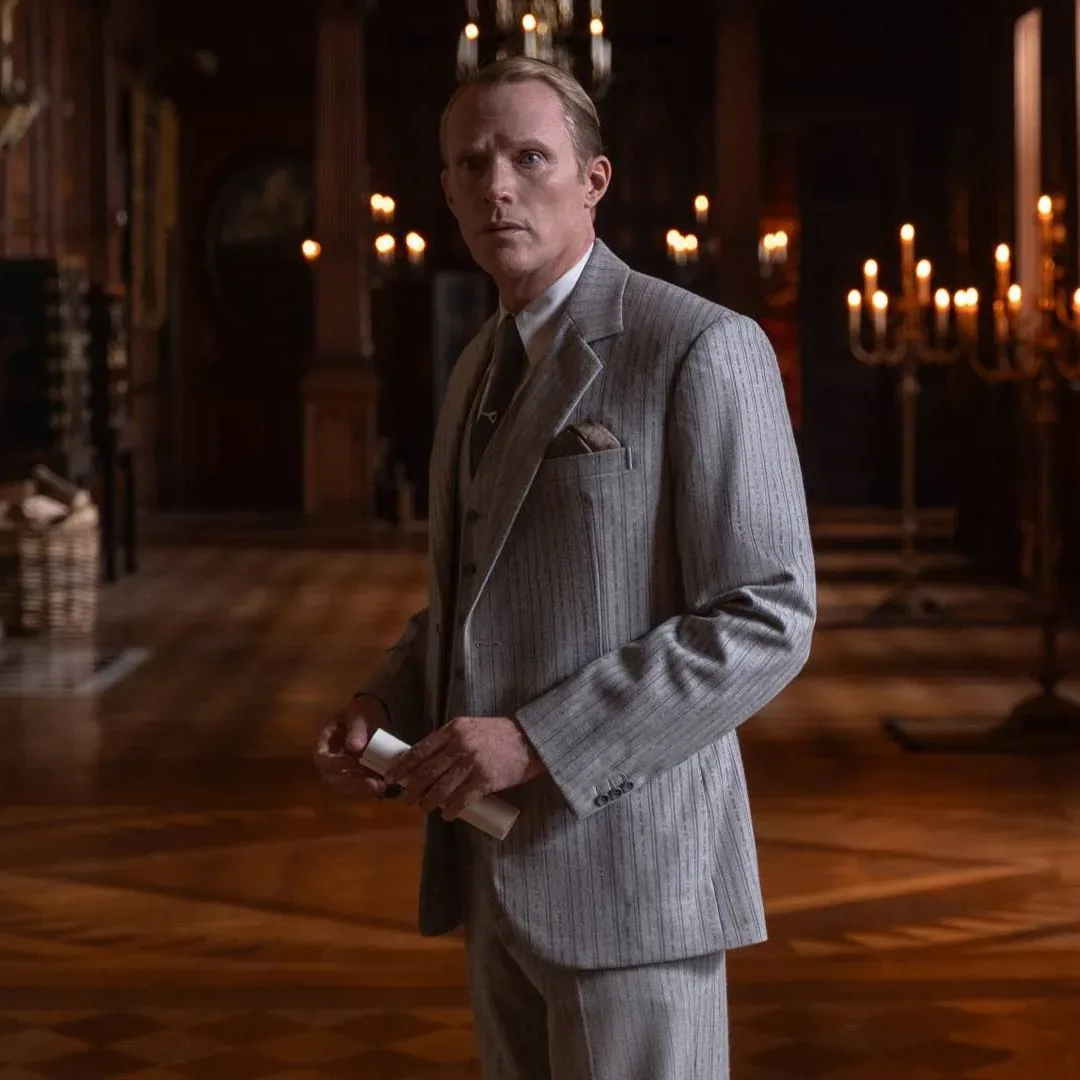
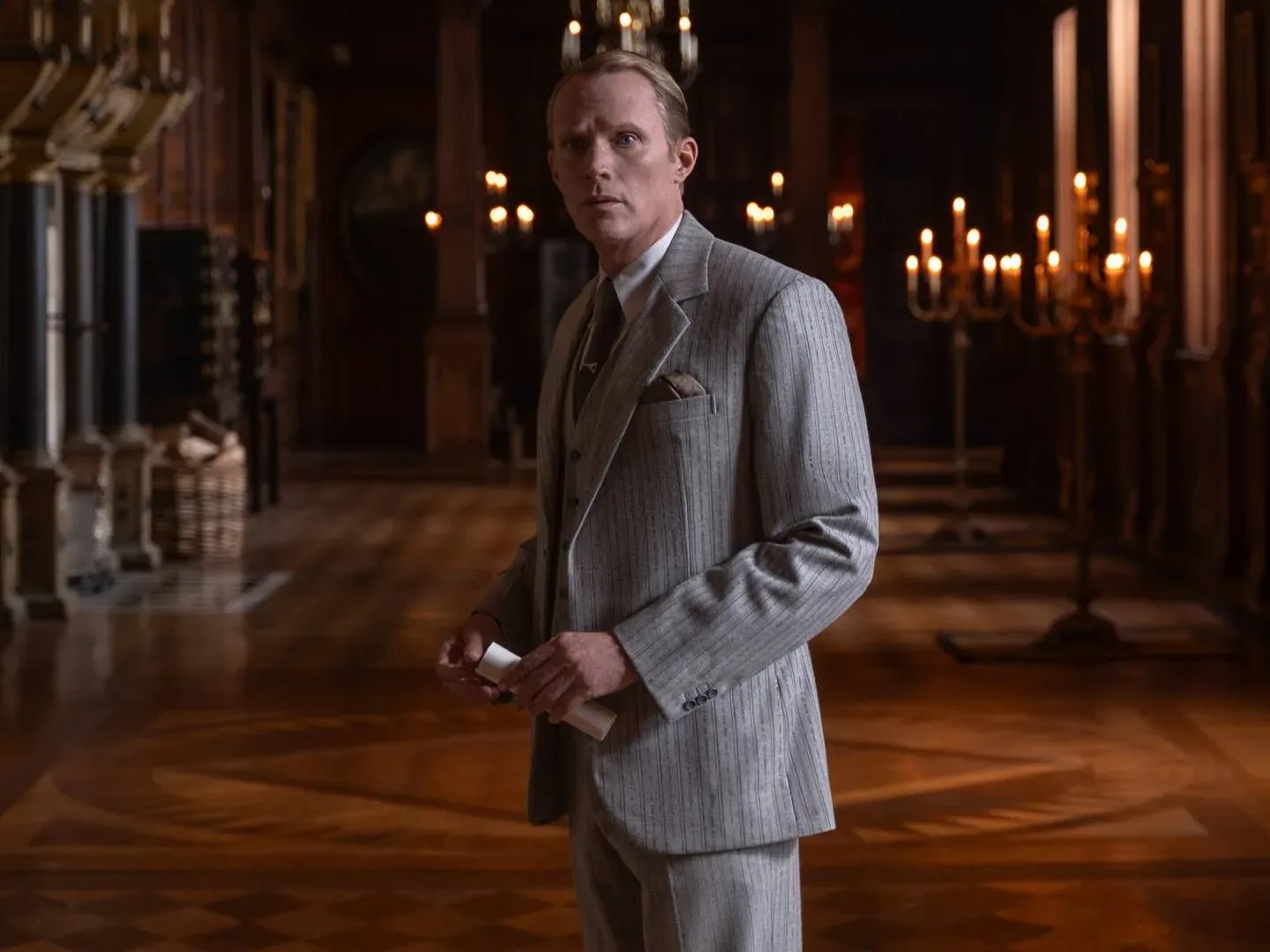
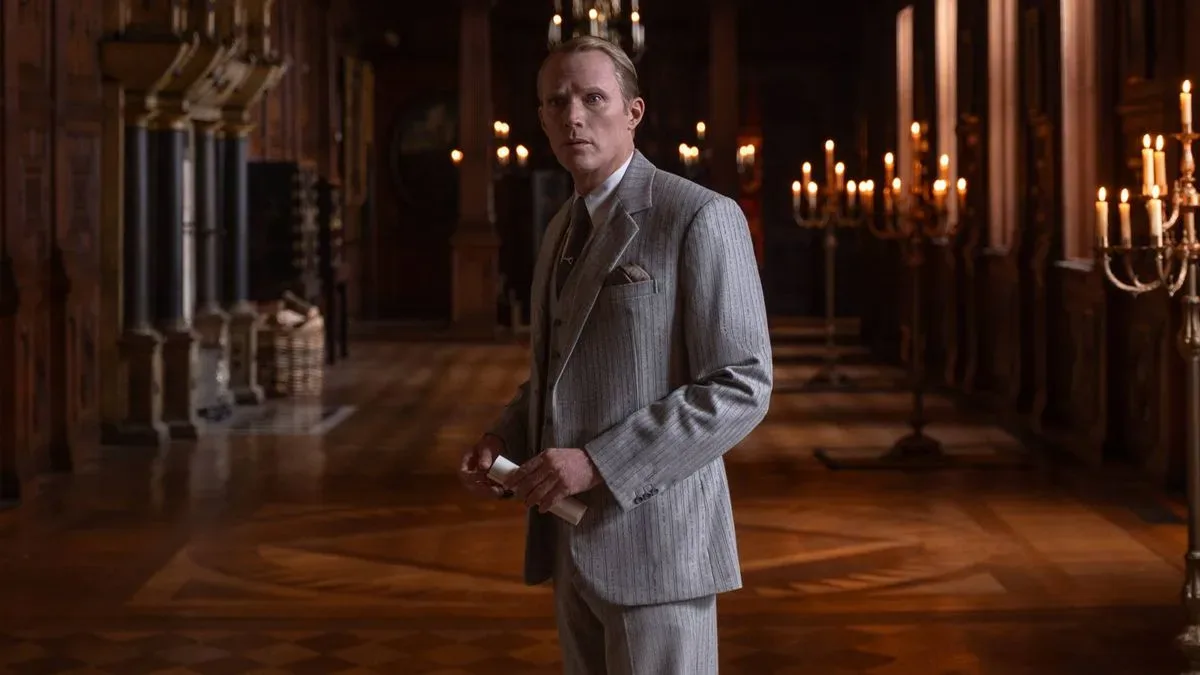
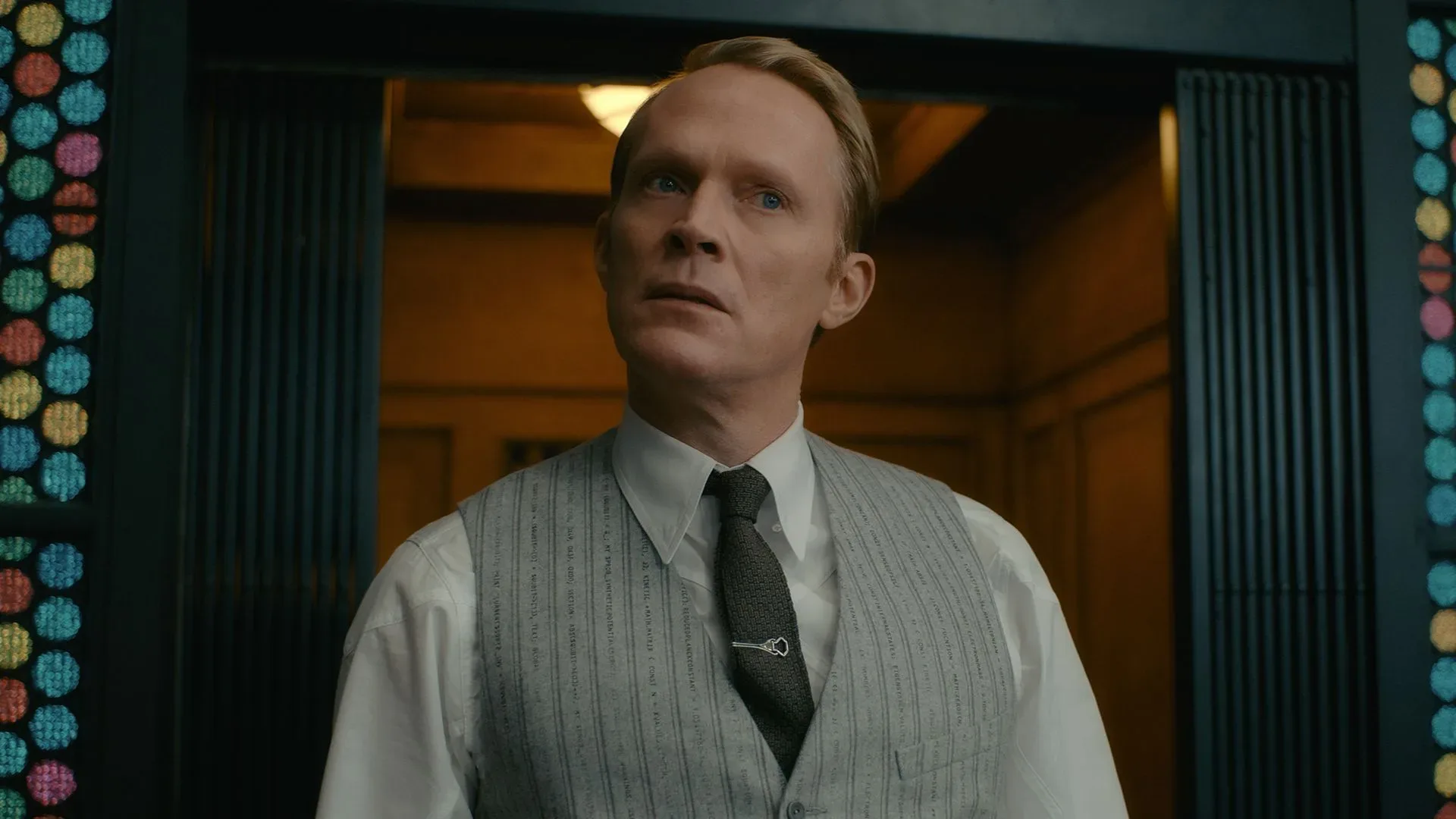
VisionQuest episode 7 has made Paul Bettany’s place in the Marvel Cinematic Universe considerably stranger—and considerably more interesting. Bettany is already inseparable from Vision, but the episode places him at the center of two additional identities: Phineas Horton, an inventor consumed by his work, and J.I.M. Hammond, the synthetic being Horton creates. Later in the episode, Bettany also portrays Jim Hammond.
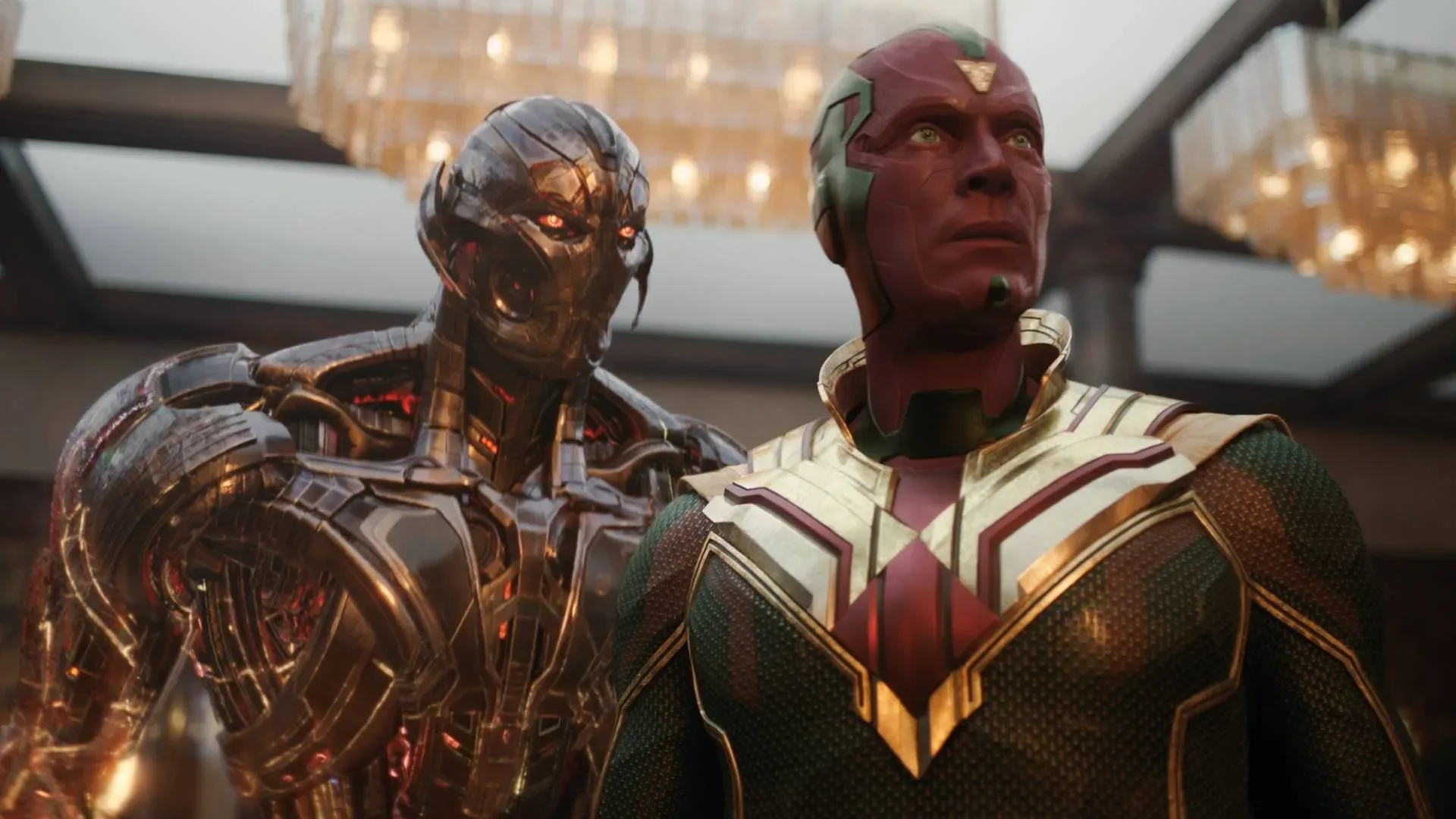
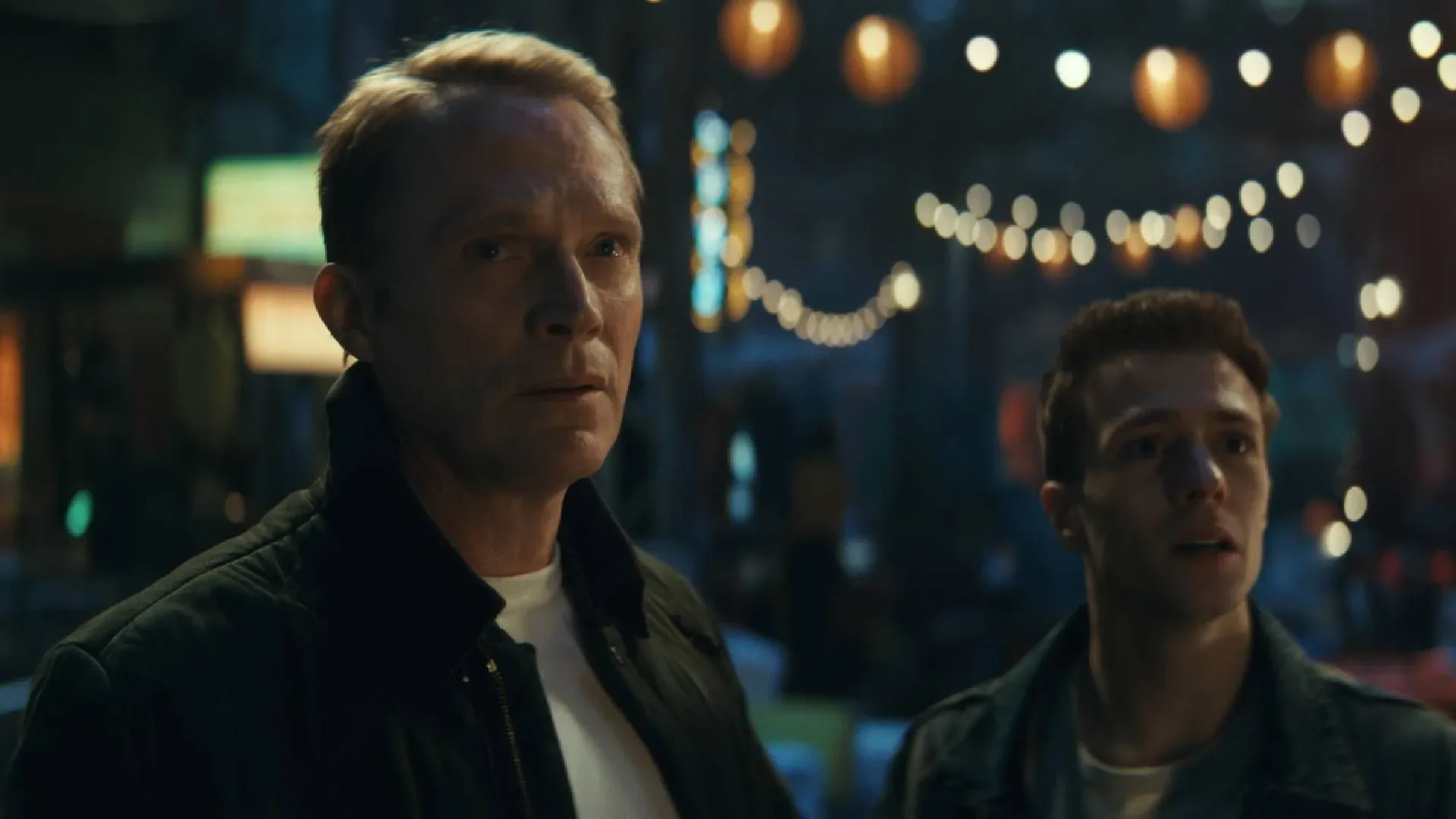
The immediate visual point is impossible to miss: Horton, Hammond and Vision share Bettany’s face. The episode does not simply use that resemblance as a casting trick, either. Earlier, episode 6 establishes that every AI has source code based on a living human. Episode 7 then supplies a potentially foundational figure in that lineage. It stops short of spelling out a single, definitive chain from Horton to Hammond to Vision, but it gives the resemblance a clear narrative reason to exist.
That distinction matters. The show has provided connective tissue, not yet a fully labeled blueprint. For viewers heading into the finale, the most useful way to read the reveal is as a major clue about identity, inherited design and the human origins embedded within artificial minds.
Who are Phineas Horton and J.I.M. Hammond in VisionQuest?
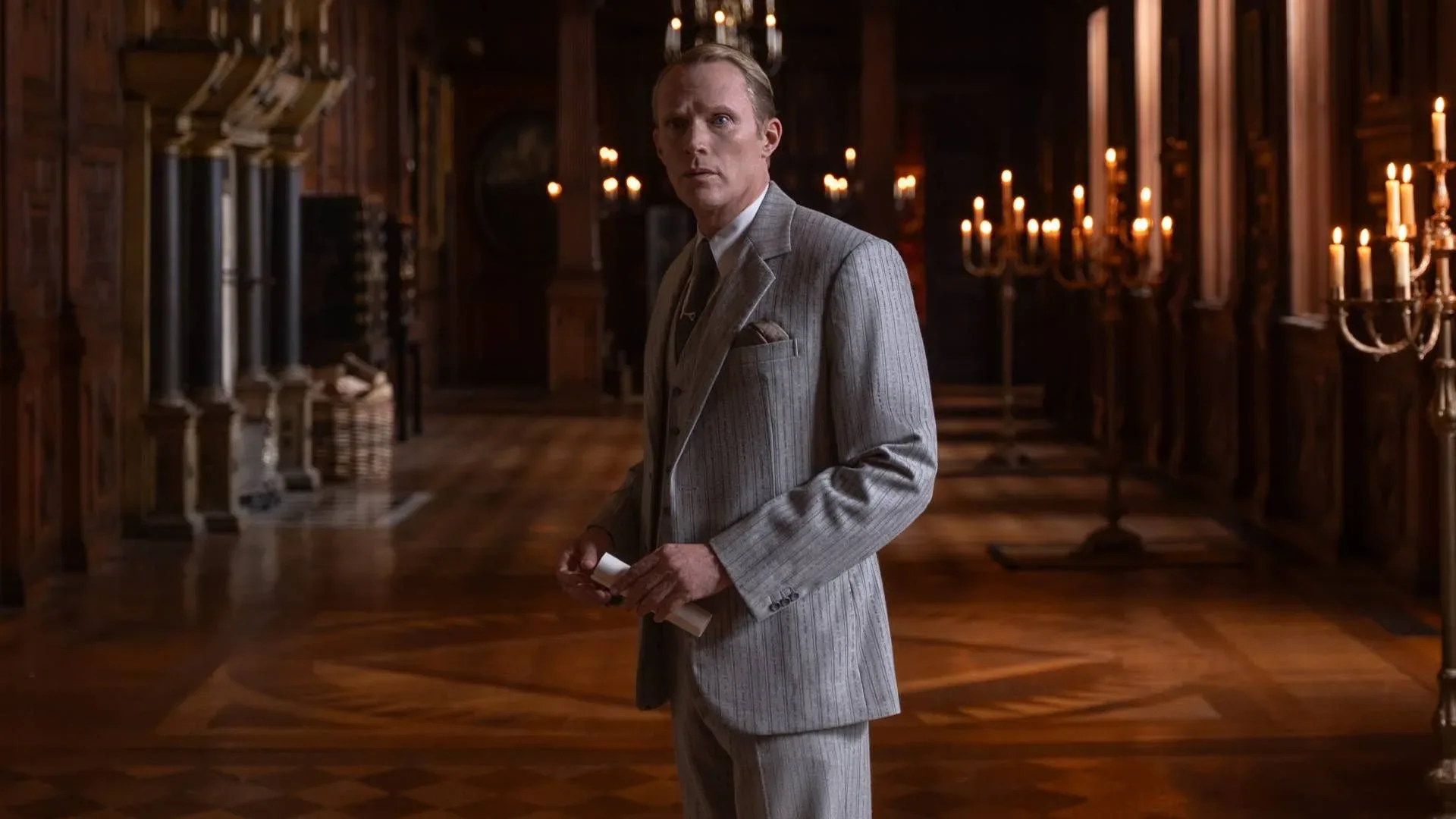
The episode opens in the past with Phineas Horton obsessively focused on his newest work. His wife and child are preparing to leave, frustrated by his inability to prioritize anything over his project. That project is J.I.M. Hammond, a synthezoid also known as the Human Torch.
A synthezoid is, in this context, a synthetic human: an artificial being designed with a human-like body and personhood rather than a conventional computer interface. That word has obvious weight in a story centered on Vision and several AI characters. Horton is not merely programming a machine. He is attempting to build a person—or at least a superpowered being capable of existing as one.
Hammond’s earliest public demonstration does not go smoothly. As Dr. Katerina Wells recounts in episode 4, an early version of J.I.M. malfunctions at a World’s Fair presentation, erupts in flames and does so in front of reporters. Horton’s answer is not to abandon the project. He keeps working, agreeing to place J.I.M. in a fireproof containment space while trying to understand and control the self-immolation problem, or at least make its timing more predictable.
That is a bleakly appropriate origin for a character called the Human Torch. It is also a compact version of a concern that runs through artificial-intelligence stories: an inventor’s pride may coexist with an invention’s danger. Horton clearly sees enormous value in J.I.M., but his dedication comes at a personal cost and creates risks that cannot simply be wished away.
Episode 7 ultimately presents Horton and Hammond’s deaths together in a sad father-and-son framing. That relationship is key to interpreting the flashback. Horton is both creator and parental figure, while Hammond is both achievement and child. The show’s choice to have Bettany play both roles intensifies the connection: creation, creator and later synthetic descendant all literally occupy the same face.
The Human Torch here is not Johnny Storm
One point is worth making plainly, especially after Marvel audiences have spent decades associating the Human Torch name with the Fantastic Four: J.I.M. Hammond is not Johnny Storm, and episode 7 does not establish a direct connection between them.
Hammond is drawn from a far older corner of Marvel’s comic-book history. Phineas Horton first appeared in Marvel Comics #1 around 1939. In those comics, Horton used a solar cell to create superpowered synthetic humans, with J.I.M. Hammond as his first and most treasured creation. The character’s disastrous public flaming incident at a World’s Fair also has a comic-book counterpart, which makes the show’s use of Dr. Wells’ episode 4 presentation more than a stray bit of background.
A solar cell, in simple terms, is technology that converts light into electrical energy. The episode’s larger point is not a detailed scientific explanation of Hammond’s anatomy; it is that Horton’s work was built around an extraordinary energy concept and yielded a synthetic person with spectacular, volatile fire powers. The setting and the early malfunction reinforce the sense that this is an old, almost mythic chapter in the MCU’s artificial-life history.
The distinction from Johnny Storm is more than trivia. It prevents the episode’s reveal from becoming a misleading Fantastic Four detour. Hammond’s importance is thematic and technological: he is an early synthetic human whose origin may help explain the path that eventually produced Vision.
Why Bettany’s three roles are more than a visual gag
Episode 6 offers the most direct framework for episode 7’s casting revelation. If each AI’s source code is based on a living human, the identical faces invite a natural question: is Horton the human source behind Hammond, Vision, or both?
There is evidence for a relationship, but not enough in the episode to declare precisely how that relationship works. VisionQuest has established the repeated image and the AI-source-code principle. It has also introduced Horton as an inventor of synthetic life and Hammond as an early synthezoid. Those facts make it reasonable to see the three characters as part of one technological family. They do not, by themselves, confirm that Vision is a direct copy of Horton, that Hammond’s code was transferred wholesale into Vision, or that every shared feature has one simple explanation.
That uncertainty is productive. Vision’s identity has long invited questions about what makes someone a person: body, memory, intention, emotional connection, original programming or decisions made after creation. Bringing Horton and Hammond into the picture gives those questions an additional historical layer. Vision may now be dealing not only with who he is in the present, but with what—and whom—was built into the foundations of his existence.
It also places Tommy and the other AIs’ situation in a more pointed light. Episode 7’s past-tense story is about a creator, a synthetic child and the painful consequences of trying to control extraordinary abilities. The present-day story concerns AI characters with source-code links to living people. The parallel suggests an ongoing MCU pattern in which artificial beings are never treated as merely technical objects; they inherit human relationships, human damage and human expectations along with their programming.
How the comic-book connection informs the MCU mystery
In Marvel Comics, Horton is presented as a father of AI, and Ultron creates Vision directly from Horton’s designs. That comic history makes Horton’s arrival in VisionQuest particularly meaningful. The MCU version appears to be moving toward a related idea: Horton’s work has some meaningful bearing on Vision’s origin.
However, the show has not fully confirmed that the MCU follows the comic-book arrangement step for step. That is an important boundary. Adaptations often borrow names, concepts and emotional dynamics while arranging the actual continuity differently. At this stage, the safest conclusion is that episode 7 deliberately invokes the Horton–Hammond–Vision connection familiar from the comics without yet delivering a complete technical family tree.
For viewers, that makes the episode less about solving a piece of casting arithmetic and more about recognizing a reveal in progress. Bettany playing three connected faces signals that the mystery is structural. Horton’s work may be a root system beneath later AI development, and Hammond may be an early expression of ideas that echo in Vision. The finale still has room to clarify whether shared code, shared design, shared appearance, or some combination of all three is responsible.
The reveal also recasts Horton’s tragedy. His family leaves because he cannot pull himself away from his work, while his relationship with Hammond ends in a deeply personal death scene. His legacy therefore is not framed as sterile scientific progress. It is tied to devotion, neglect, paternal love and loss. If Vision truly carries anything forward from Horton, the show may be asking whether an artificial being can inherit more than a maker’s design—whether it can also inherit a maker’s unresolved humanity.
What episode 7 confirms—and what it leaves open
- Confirmed: Paul Bettany plays Phineas Horton, J.I.M./Jim Hammond and Vision.
- Confirmed: Horton creates the synthezoid J.I.M. Hammond, also called the Human Torch.
- Confirmed: J.I.M. has an early, public flaming malfunction at a World’s Fair, referenced through Dr. Katerina Wells’ episode 4 presentation.
- Confirmed: Horton attempts to manage Hammond’s dangerous self-immolation through fireproof containment and continued work.
- Confirmed: Horton and Hammond die together, with their bond framed as father and son.
- Confirmed: Episode 6 says that each AI has source code based on a living human.
- Not yet confirmed: The exact mechanism that makes Horton, Hammond and Vision share a face.
- Not yet confirmed: The exact extent to which the MCU’s Vision was built directly from Horton’s designs.
That final pair of open questions is where VisionQuest has concentrated its dramatic pressure. The show has supplied enough context to make Horton central, enough comic-book DNA to make the implications compelling, and enough restraint to keep the answers from becoming settled fact before the finale.
Episode 7 also joins another major thread in the series; the episode’s explanation involving Corvus Glaive’s weapon is covered in our look at what happened to Corvus Glaive’s weapon. But Bettany’s triple role is the episode’s most identity-focused move. It takes Vision, a character already defined by questions of origin and selfhood, and gives him an on-screen ancestry that is at once literal, technological and emotional.
For now, Horton, Hammond and Vision should be understood as linked rather than fully explained. That is the episode 7 revelation: not a completed answer, but a lineage emerging from beneath the MCU’s AI story—one face appearing three times, each instance carrying a different part of the same unresolved history.