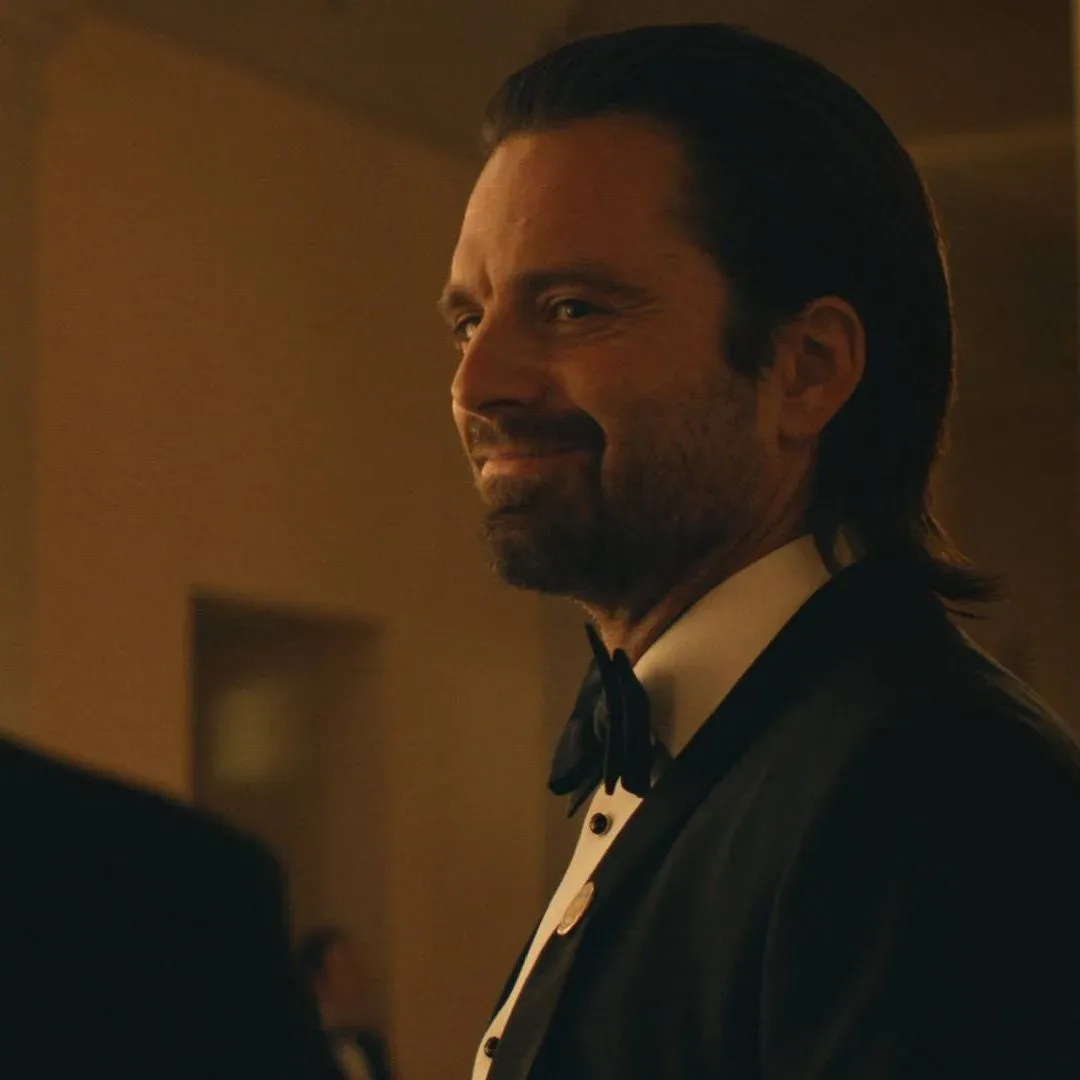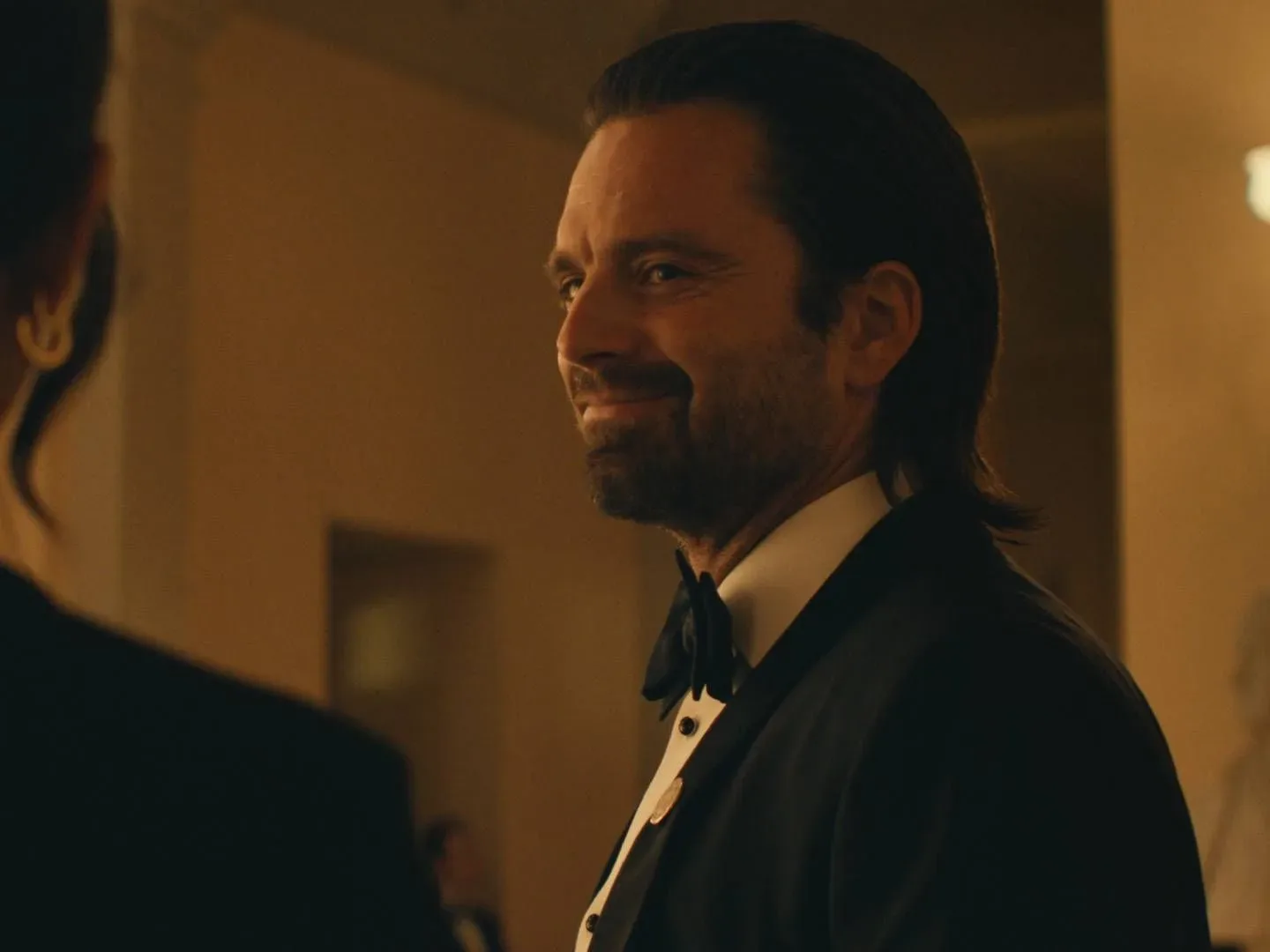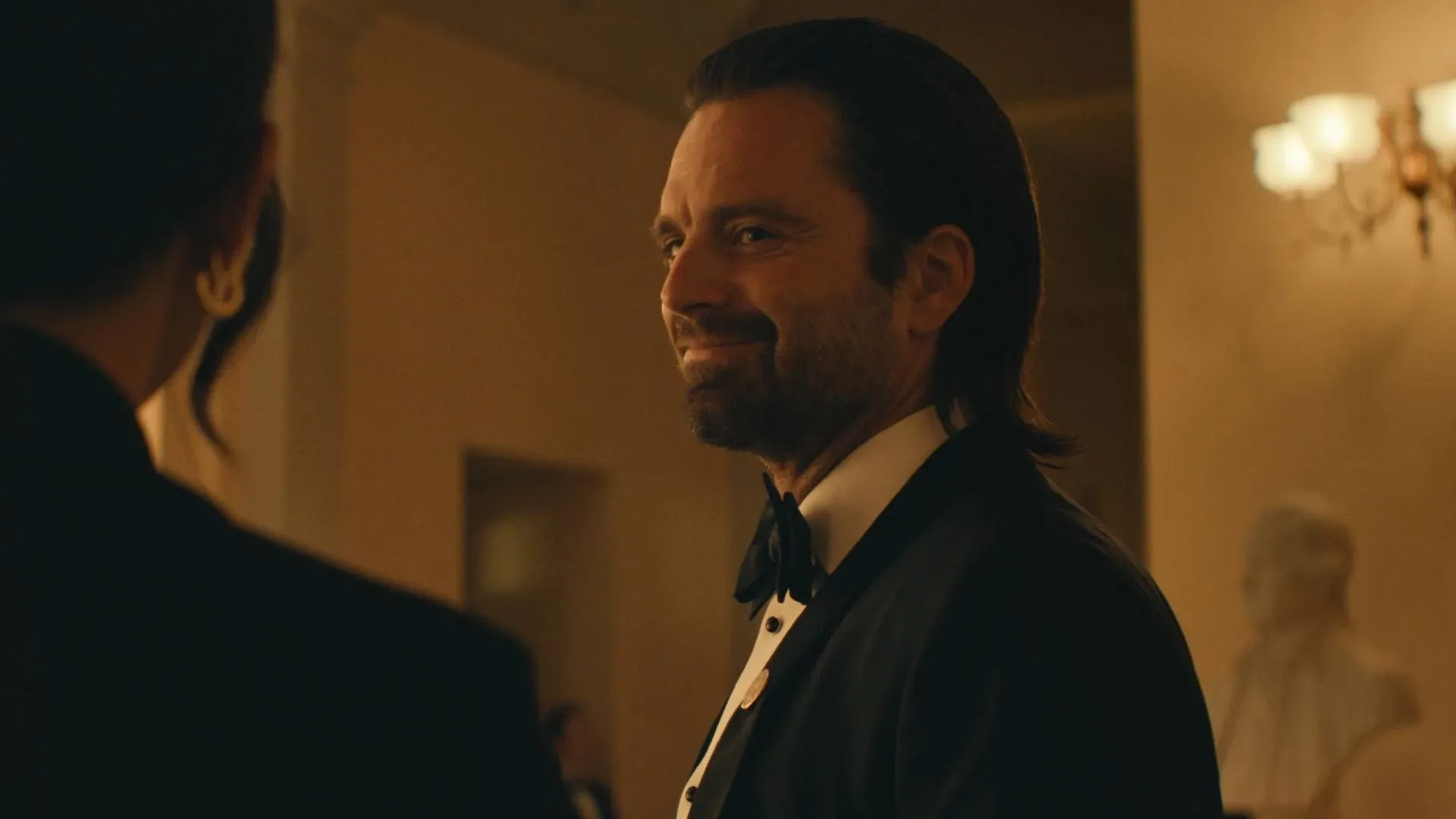
Sebastian Stan has offered a striking, if carefully qualified, description of the atmosphere surrounding The Batman: Part II. The actor, whose character has not been publicly identified, said the scale and feeling of the production have occasionally reminded him of The Godfather Part II—a comparison that immediately puts a large, bat-shaped spotlight on Matt Reeves’ still-secretive sequel.
Stan also made clear that he understands the weight of invoking one of cinema’s most celebrated sequels. Rather than promising that The Batman: Part II will meet that standard, he framed the thought as an instinct from being on set. “I go to set sometimes and I look around and I’m like, ‘I think we’re making fucking Godfather Part II,’” Stan said. He then pulled the statement back from becoming a giant neon expectation signal, adding that he does not want to “raise it up,” while saying he feels the film is going to provide “a payoff.”
That balance is important. A comparison to The Godfather Part II is not a plot reveal, a quality guarantee, or confirmation that Gotham will soon be settling disputes over plates of pasta. It does, however, suggest that Stan sees the follow-up as a substantial continuation of a world already established by the first Robert Pattinson-led film, rather than a routine reset with a new coat of black paint.
A sequel carrying unusually large expectations
The first The Batman gave Reeves and Pattinson’s version of Gotham a particularly defined identity: rain-drenched, noir-minded, grimly methodical, and more interested in the detective side of Batman than in treating every scene as a launchpad for a sky beam. Its reception led many fans and critics to place it among the strongest Batman films in years, frequently putting it in conversation with Christopher Nolan’s The Dark Knight.
That reaction makes the sequel’s job both enviable and brutal. Reeves does not need to persuade audiences that this Batman can work; the first film already did that. The harder task is expanding the story without losing the claustrophobic, investigative character that made the earlier outing feel distinct. A sequel must answer the lingering emotional and civic damage from its predecessor, give Pattinson’s Bruce Wayne meaningful new territory, and add fresh threats without converting Gotham into a guest list of villains waiting politely for franchise badges.
Stan’s use of the word “payoff” is therefore more revealing than the lofty film reference, even if it remains broad. It points toward a movie designed to reward the foundation already laid. That could mean escalation in the personal stakes, deeper political rot inside Gotham, more consequences for Bruce’s actions, or simply a story that benefits from viewers already understanding this world. None of those possibilities has been confirmed, but the notion of continuation matters: this is being described as a sequel with an inherited dramatic burden, not merely Batman’s next case file.
The Sebastian Stan mystery remains intact
For all the excitement around his comments, the central question is still wonderfully unresolved: who is Sebastian Stan playing? No official character identification has been supplied. The leading expectation is Harvey Dent, Gotham’s district attorney who is famously transformed into Two-Face after a catastrophic accident in Batman lore.
Harvey Dent would be a consequential addition to Reeves’ Gotham. The character is not merely another costumed criminal with a visual gimmick; at his core, Dent is a tragedy about justice, control, chance, and the failure of institutions. In a Batman setting that has already emphasized a city overwhelmed by corruption, a district attorney trying to impose order—and potentially being broken by that effort—would be a natural dramatic fit.
Still, “natural fit” is not the same thing as confirmation. The Harvey Dent theory remains speculation. Another possibility circulating around Stan’s casting is Victor Zsasz, the sadistic murderer known in the comics for tallying victims on his own body. Zsasz previously appeared briefly in Batman Begins, but that does not establish anything about Reeves’ continuity or Stan’s involvement. Until the production names the role, both theories should remain exactly where they belong: in the evidence-light corner of the Batcave, beside the conspiracy board and several lengths of red string.
The uncertainty may be frustrating for fans, but it also fits the approach surrounding The Batman: Part II. Reeves’ first film took familiar mythology and found room to make its version of Gotham feel separate from earlier screen interpretations. Keeping a major casting detail under wraps preserves the chance for the sequel’s character dynamics to land on their own terms.
London set activity offers clues, not answers
Production is underway in London, and occasional set sightings have supplied the small scraps that inevitably become enormous meals for Batman watchers. Among the reported glimpses are references to owls and Anarky. The spelling is indeed “Anarky,” the name associated with the DC character whose anti-establishment outlook has crossed paths with Batman stories in different forms.
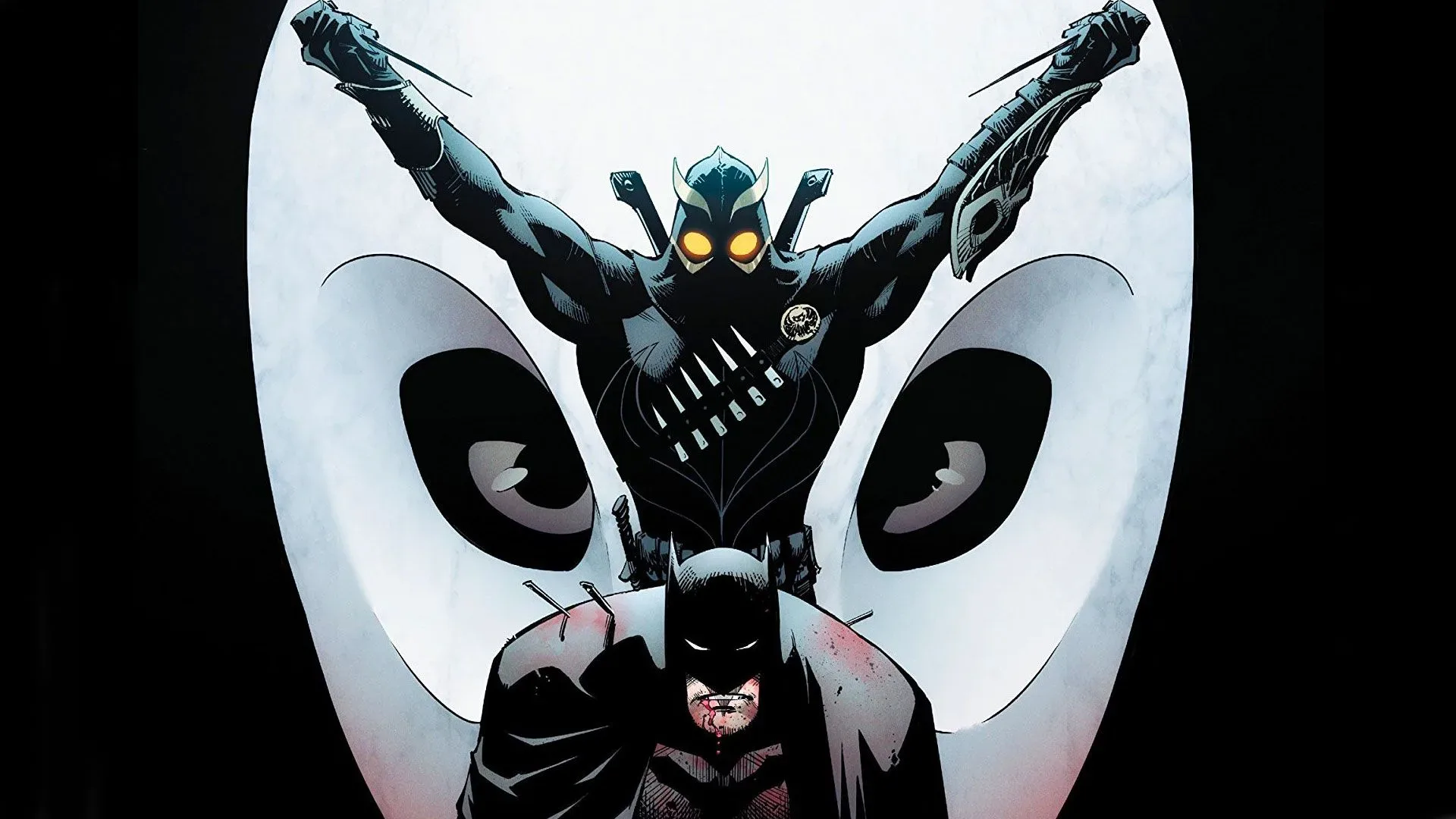
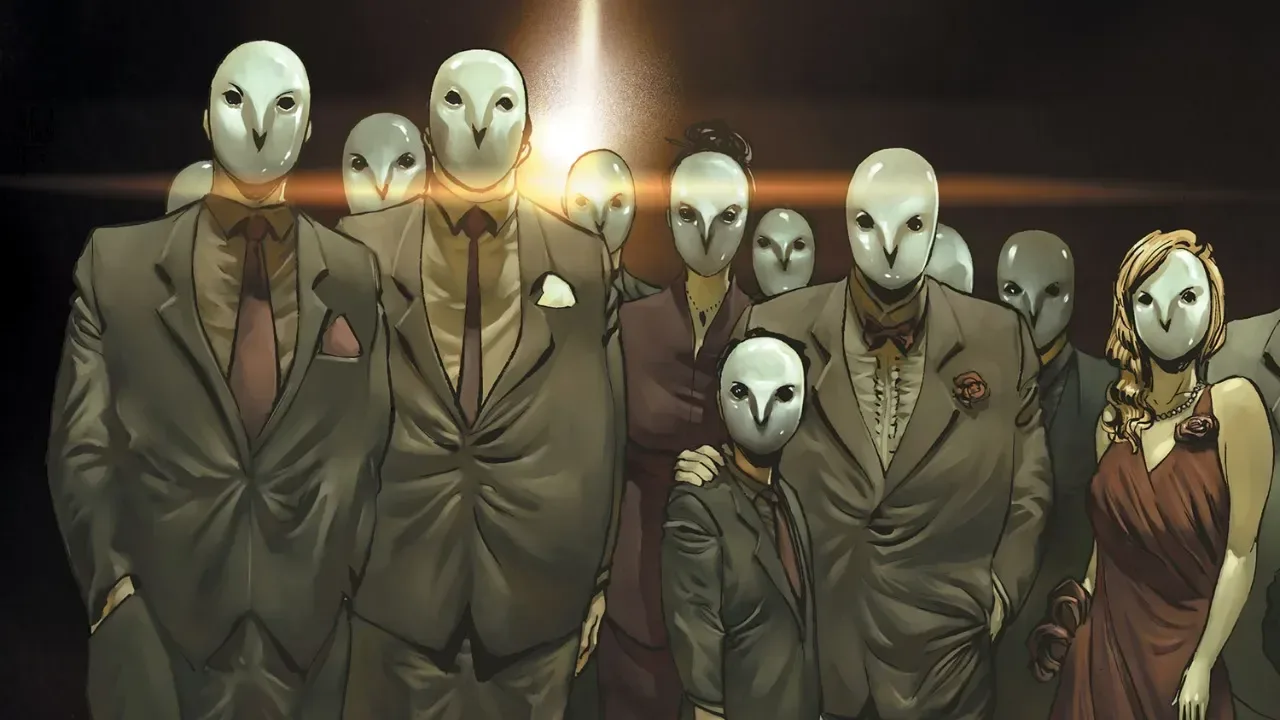
Those sightings are intriguing, particularly in a Gotham story where symbols, secret networks, and civic disorder can all carry thematic weight. Owls are especially difficult to ignore in Batman conversation because of their long association with the Court of Owls in DC comics. But the leap from an owl-related set detail to a full Court of Owls adaptation is still a leap. A visual motif, a background element, a reference, or a production detail can all look like a thunderous comic-book proclamation from a distance. They are not automatically proof of plot, character rosters, or the sequel’s main antagonist.
The same caution applies to Anarky. A reported reference is not necessarily confirmation of the character’s role, importance, or even direct appearance. Productions can use names and imagery in ways that do not survive into a finished cut, or that serve a purpose far smaller than audiences first imagine. Gotham is full of signs, graffiti, rumors, masks, and civic anxieties; a single clue can belong to a bigger story, but it does not have to.
For collectors and comic-book fans, that restraint is part of the fun as well as part of the torture. Batman speculation has always involved decoding silhouettes, props, casting choices, and background details. The healthiest version of that pastime is keeping the confirmed material separate from the attractive possibilities. Harvey Dent is unconfirmed. Victor Zsasz is unconfirmed. The meaning of the owl imagery is unconfirmed. Anarky’s precise connection is unconfirmed. Stan’s enthusiastic but guarded description of the work is real; the rest remains Gotham fog.
Why the Godfather comparison resonates
What makes Stan’s remark so attention-grabbing is not only the reputation of The Godfather Part II, but what that particular title represents in sequel discussions. It is routinely cited as a rare continuation that broadened its predecessor’s world while deepening the themes and consequences that were already there. When an actor senses that kind of ambition on a set, audiences understandably begin wondering whether a familiar superhero framework is being used for something more layered.
That does not mean The Batman: Part II is about to abandon genre pleasures for a three-hour lecture on organized crime, nor does it mean the film will imitate Francis Ford Coppola’s structure. Stan did not claim either thing. His point appears to be about the sense of importance and confidence surrounding the work, alongside his belief that the story will earn the anticipation built up since the first film.
It is also worth remembering that superhero sequel comparisons can become a trap if taken too literally. Every major comic-book follow-up arrives with an expectation that it must be darker, larger, more crowded, and more “important” than the previous entry. The better measure is whether it remains specific to its own characters. Pattinson’s Batman is still early in his career, still learning what his symbol means to a wounded city, and still operating in a Gotham whose systems have been visibly compromised. Those are strong ingredients for a sequel, provided the film follows their consequences rather than merely stacking new mythology on top.
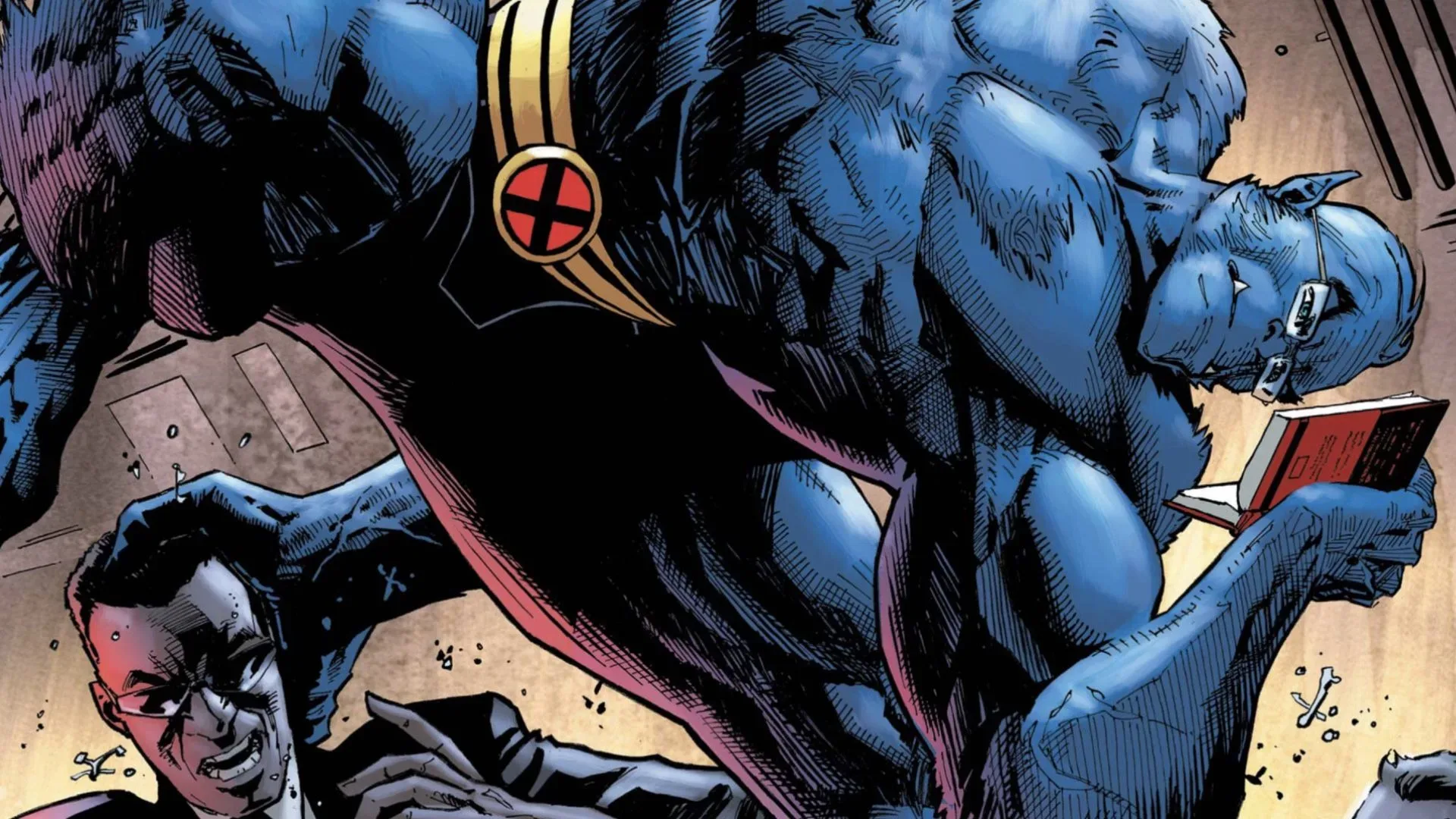
Fans interested in how established comic-book characters can support radically different interpretations may also want to read the debate around Beast’s idealistic and darker comic-book sides. Batman’s screen history has similarly shown that the same source material can accommodate sharply different emphases, from detective fiction and urban horror to operatic action and political drama.
The wait to Gotham is a long one
The Batman: Part II is scheduled to reach theaters on February 18, 2028. That leaves plenty of room for more casting news, official character reveals, trailers, and—almost certainly—more attempts to build an entire plot out of one blurry object glimpsed behind a security barrier.
For now, the firm details are limited but notable: Reeves’ sequel is in production, Pattinson’s Batman is returning, Stan has joined the cast in an undisclosed role, filming activity has been spotted in London, and the movie has a February 18, 2028 theatrical date. Everything beyond that needs the appropriate detective’s disclaimer. Stan’s Godfather Part II comparison gives the anticipation a dramatic jolt, but his own caution is the best guide: treat it as a sign of confidence, not a promise carved into a Gotham rooftop.