Kelsey Grammer’s return as Hank McCoy, better known as Beast, is one of the many superhero-sized question marks surrounding Avengers: Doomsday. His brief appearance in The Marvels opened a door back to the character after a long gap, and Grammer has previously made clear that he sees the role as especially meaningful. Yet comments from a 2025 interview have now returned to the conversation, largely because his view of Beast is remarkably noble compared with the comic character’s more complicated modern reputation.
Grammer described Beast as a figure of intellect, personal integrity, restraint, and moral conviction. In his reading, Hank is someone who may not rush into conflict, but who stands resolutely once action is necessary. He also made a weighty comparison, calling Beast “the Martin Luther King of the mutant community.” The actor’s affection is unmistakable: he said returning to play the blue-furred scientist had been a quiet ambition and called the part one of the great opportunities of his life.
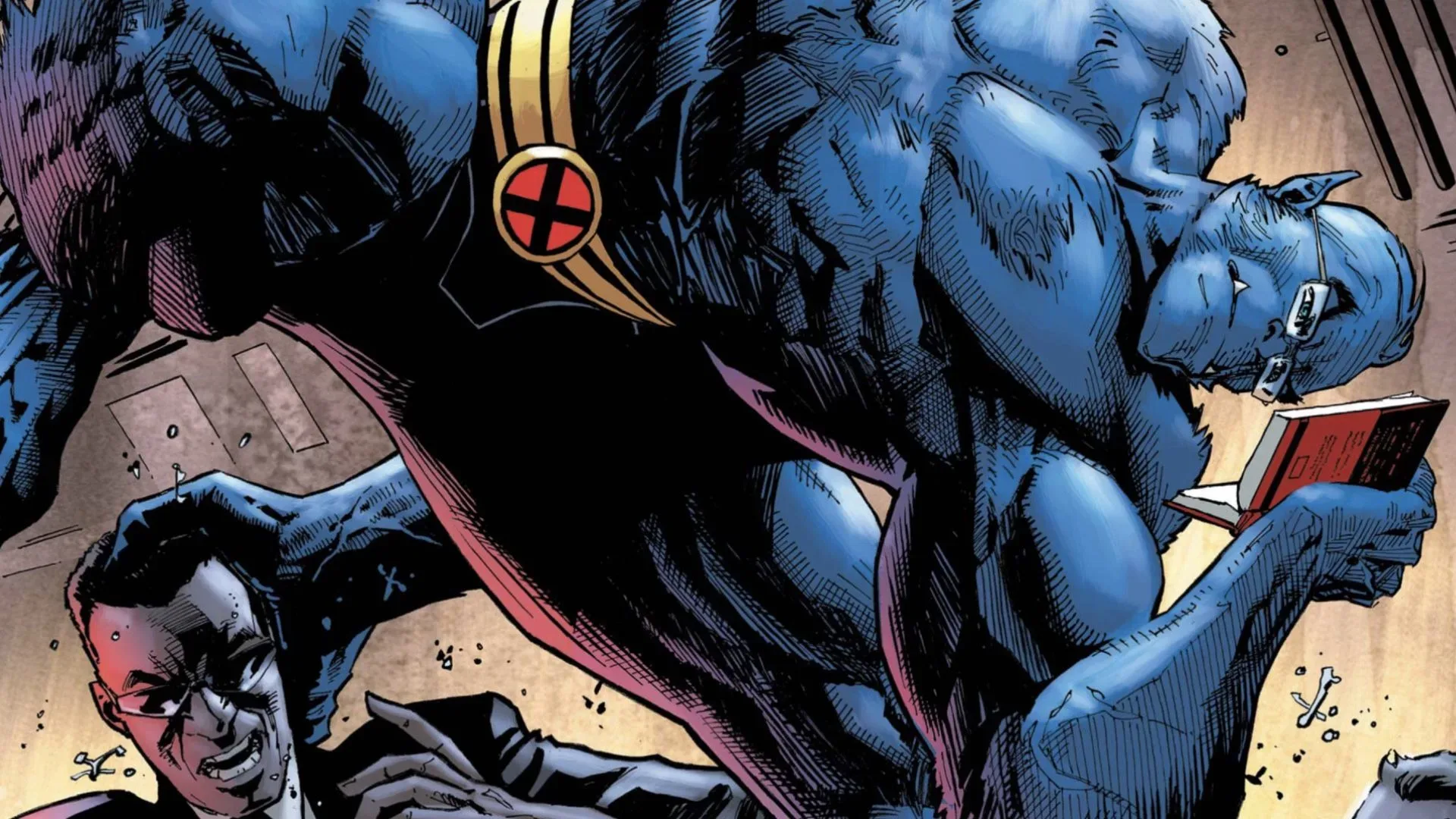
That perspective fits much of the Beast audiences have encountered on screen. It is also precisely why many longtime comics readers responded with raised eyebrows. On film, Hank McCoy has generally occupied the role of the thoughtful, compassionate intellectual among the X-Men. In comics, though, Beast’s history includes enough scientific overreach, ethical compromise, alternate-reality horror, cloning, and outright villainy to make a straightforward description of him as the mutants’ moral standard-bearer feel incomplete.
Two Beasts can coexist in the same franchise conversation
There is no real contradiction in saying Grammer knows and values the version of Beast he has played. His live-action Hank arrived in 2006’s X-Men: The Last Stand, portrayed as a poised public official and X-Man whose formidable intelligence never replaces his sense of responsibility. That version of the character is dignified, principled, and fundamentally heroic.
Grammer later returned for the surprise The Marvels cameo, appearing opposite Monica Rambeau in a reality that also included a variant of Maria Rambeau as Binary. The scene did more than offer a familiar voice and silhouette. It suggested that the Marvel Cinematic Universe’s expanding multiverse could bring back actors and versions of characters from earlier X-Men films without necessarily treating them as direct continuations of every comic-book development.
That distinction matters. A screen adaptation is not obligated to reproduce every turn from decades of serialized comics. Nicholas Hoult’s younger-film-era Beast likewise emphasized Hank’s anxiety, decency, scientific brilliance, and loyalty to Charles Xavier’s cause. Neither Grammer nor Hoult has played the version of Beast who has become infamous among readers for treating terrible decisions as acceptable research problems.
So, Grammer’s assessment can be read as a statement about his Beast rather than a comprehensive biography of every Hank McCoy ever printed. Still, the intensity of the response shows how dramatically the character’s comics image has shifted in recent years. For fans who followed that material, “integrity” is not the first word likely to come to mind.
Why the Martin Luther King comparison landed badly
The issue was not merely that fans disagreed with an actor’s interpretation. The comparison carries major moral and historical significance, and it frames Beast as an unambiguous advocate of principled justice. That is a difficult fit for a comics character whose most notable recent stories have involved deeply troubling choices made in the name of mutant security and scientific necessity.
Online reactions focused on the disconnect between the kindly, eloquent doctor of Grammer’s performance and the modern comic-book Hank whose conduct drove fellow X-Men to oppose him. Some readers joked that the actor had missed several years of required reading; others stressed that their excitement about seeing Grammer again was not diminished by their objections to the description.
That mixed reaction is understandable. Fans can be delighted by the prospect of a beloved performer returning while also recognizing that Beast has become one of Marvel’s most uncomfortable examples of an intellectual hero who repeatedly decides that intelligence gives him permission to cross lines others will not. The tension is not a small footnote in Hank’s history. It has become central to why the character provokes debate.
Dark Beast was only the beginning of the problem
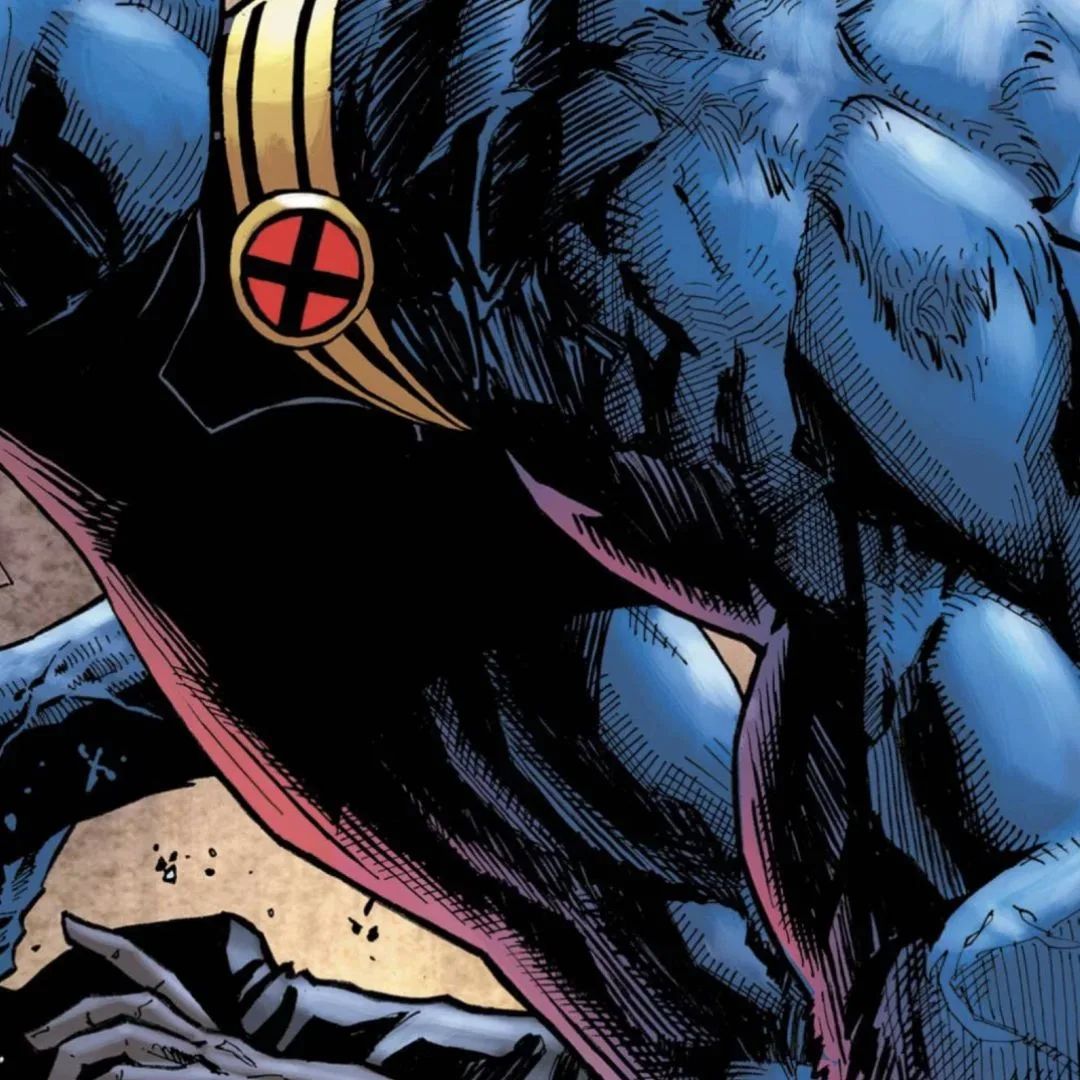
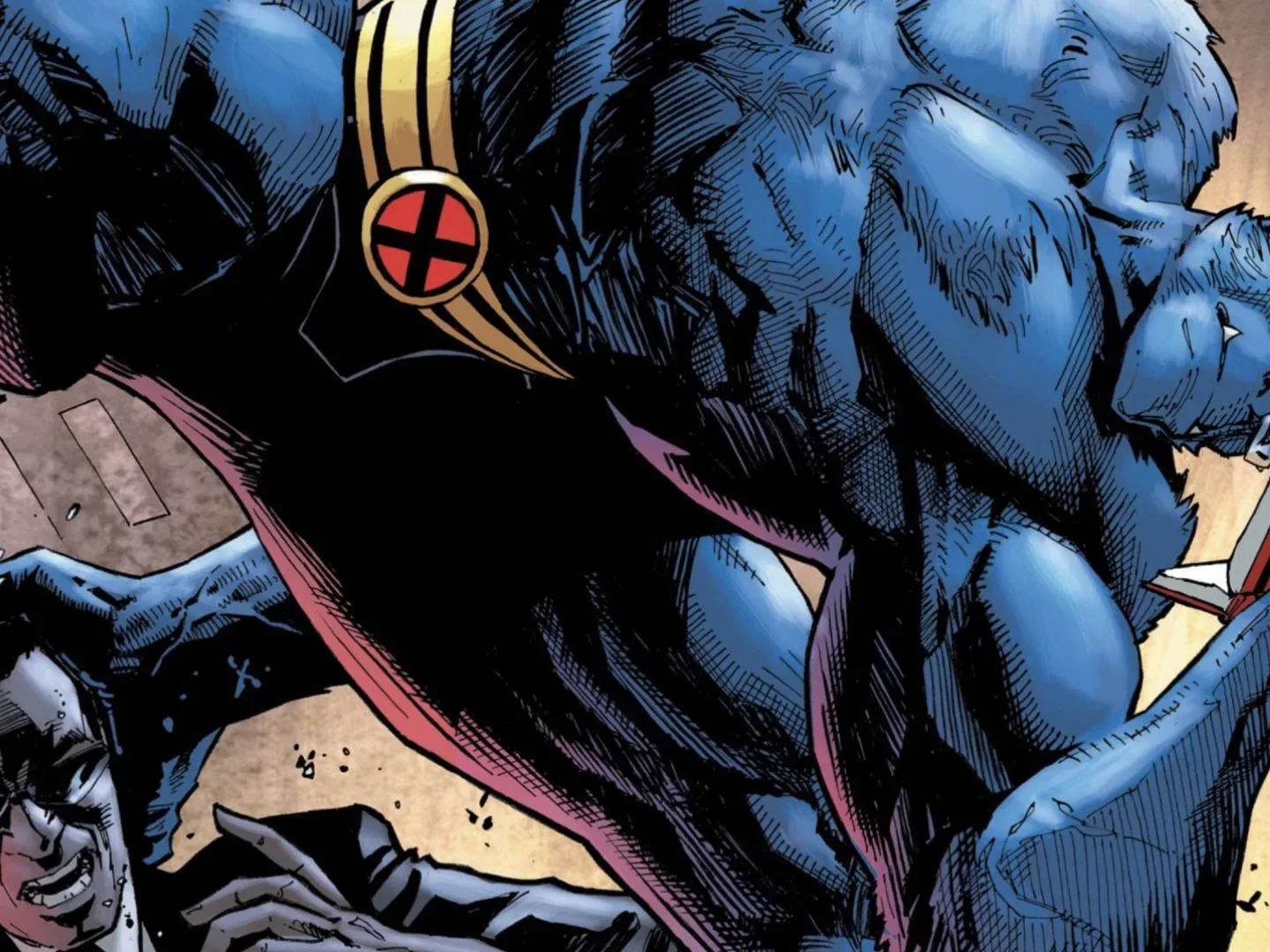
Beast has long had a shadow hanging over his name through Dark Beast, the alternate-reality counterpart from the Age of Apocalypse setting. That version served Apocalypse and performed horrific experiments, eventually making his way into the main Marvel continuity. Dark Beast is plainly not the same individual as the standard Hank McCoy, so it would be unfair to use him alone as proof that the main-universe Beast is secretly evil.
But Dark Beast also works as an unnerving mirror. He represents what can happen when Hank’s curiosity, arrogance, and willingness to experiment are stripped of compassion and accountability. For years, the distinction between the two offered a useful safety rail: normal Beast could be flawed and occasionally reckless, while Dark Beast embodied the catastrophic extreme.
More recent comics made that dividing line far less comfortable. During the Krakoan era, the primary Hank McCoy spiraled into antagonistic territory himself. His pursuit of mutant survival and strategic advantage became inseparable from acts that put him at odds with the ideals readers associate with the X-Men. The character’s scientific skill was no longer just a valuable team asset; it became the engine of increasingly alarming behavior.
That storyline made Beast a villain the X-Men had to stop. Importantly, the resolution did not simply ask everyone to forget what happened. A cloned Hank, carrying memories from before his moral collapse, allowed for a kind of restoration. It was a reset with an asterisk: a version of Beast could return to the heroic fold, but the consequences of the earlier Hank’s conduct remained part of the character’s history and part of the audience’s memory.
Beast’s darkness is also what makes him dramatically useful
The most compelling reading of Beast may not be that he is purely virtuous or irredeemably monstrous. Hank is often at his best when stories acknowledge the strain between his humanitarian ideals and his confidence that he is clever enough to solve every impossible problem. He is a brilliant scientist in a world that routinely presents extinction-level threats, hostile governments, prejudice, war, and cosmic disasters. The temptation to do whatever works can be enormous.
That does not excuse the darkest choices associated with the character. It does explain why writers return to them. Beast is a natural vehicle for stories about whether good intentions matter when methods become cruel, whether a genius can confuse calculation with wisdom, and whether a hero can recognize the point at which preparation becomes control.
For an event film built around a multiversal crisis, that ambiguity could be extremely useful. A heroic Beast offers expertise, familiarity, and emotional continuity with earlier X-Men films. A more compromised Beast would bring suspicion and volatility. The available information does not establish which direction Avengers: Doomsday will take, or whether its Beast will resemble the recent comics version at all. It does, however, show why audiences are already reading so much into Grammer’s comments.
The larger superhero landscape has repeatedly shown that recognizable characters can change radically across versions and continuities. Crossovers are especially dependent on that flexibility. The same appetite for familiar heroes entering unfamiliar circumstances is part of what makes projects such as Star Wars Zero Company’s approach to franchise risk interesting: established worlds create expectations, then new stories test which expectations can be bent without breaking the audience’s attachment.
What Grammer’s comments do—and do not—tell viewers
Grammer’s 2025 remarks confirm enthusiasm, not plot specifics. He said he loves playing Beast and expressed confidence that viewers would be pleased when the character returns. They do not reveal Beast’s exact role, alignment, story arc, or the degree to which the film will draw from any particular comic run.
That leaves plenty of room for possibilities. The film could embrace the earnest, statesmanlike Beast associated with Grammer’s earlier performance. It could acknowledge the character’s darker comic associations without making them central. It could introduce a different multiversal Hank whose history diverges sharply from both prior films and current comics. Or it could use the contrast itself as part of the surprise.
For now, the resurfaced interview is best understood as a revealing glimpse into what Grammer values about the character: intelligence joined to conscience, patience joined to courage, and a belief that Beast can be a profoundly admirable hero. Comics readers are equally justified in pointing out that Hank McCoy’s record makes that ideal far more precarious than it sounds.
Avengers: Doomsday is scheduled to reach theaters on December 18, 2026. Until more is known, Beast remains an unusually fitting subject for multiverse speculation: a hero whose many versions are not simply different costumes or casting choices, but radically different answers to the question of what a brilliant man becomes when he decides he knows best.