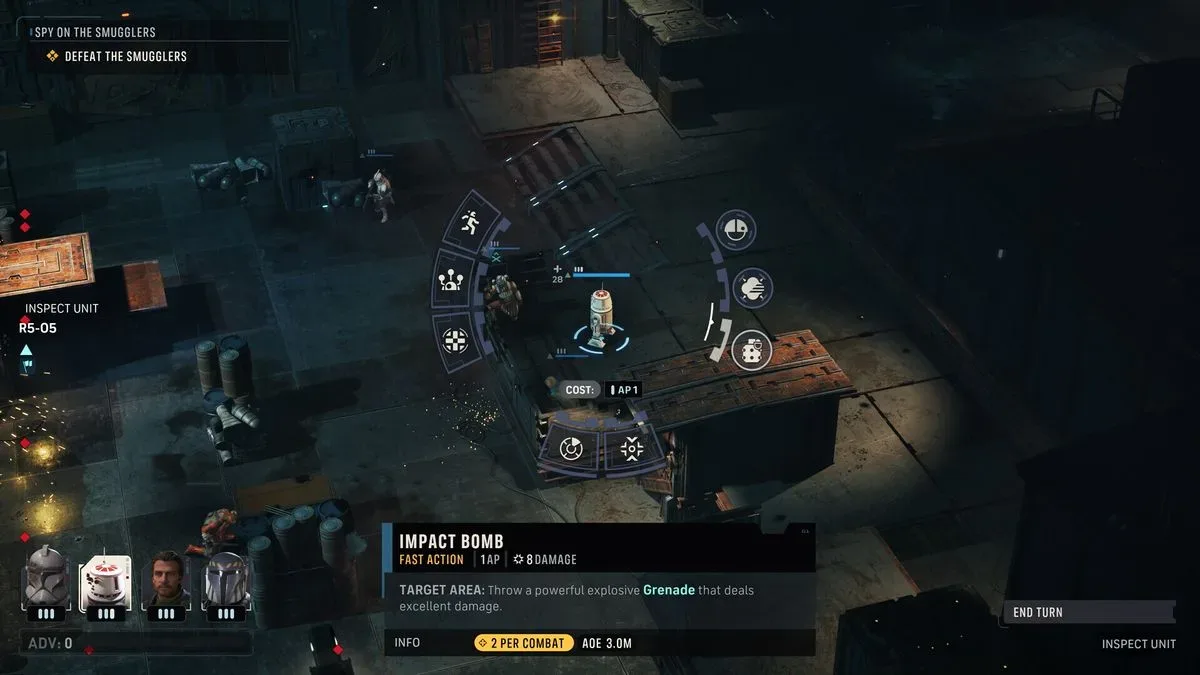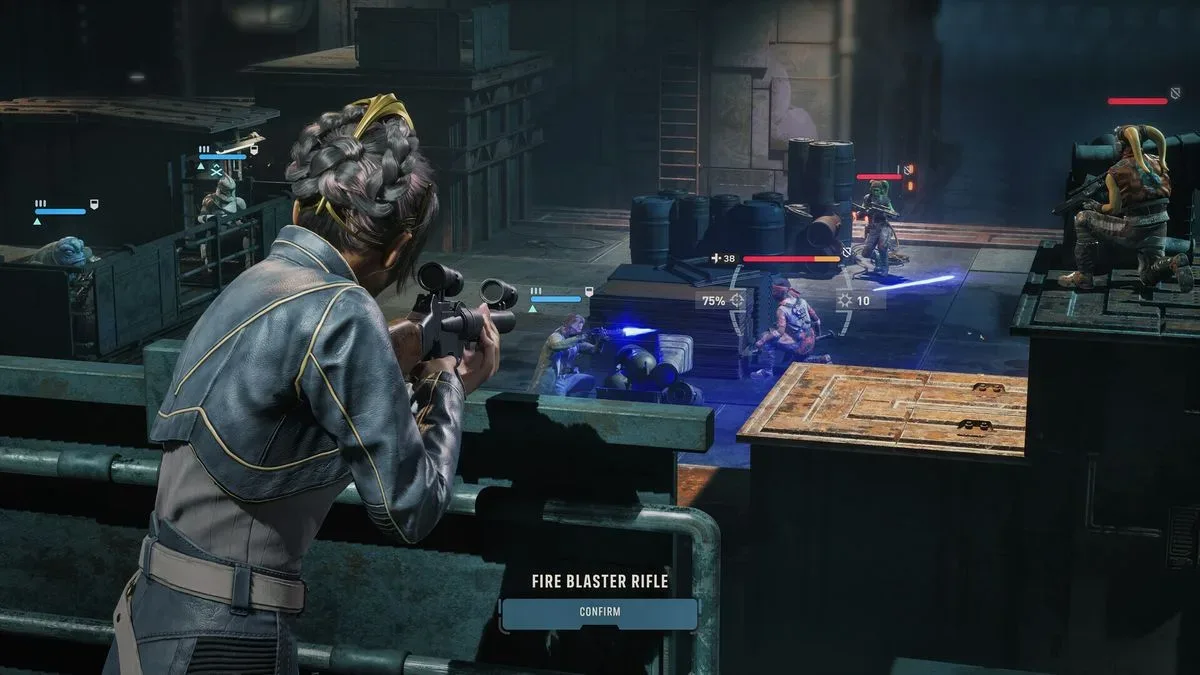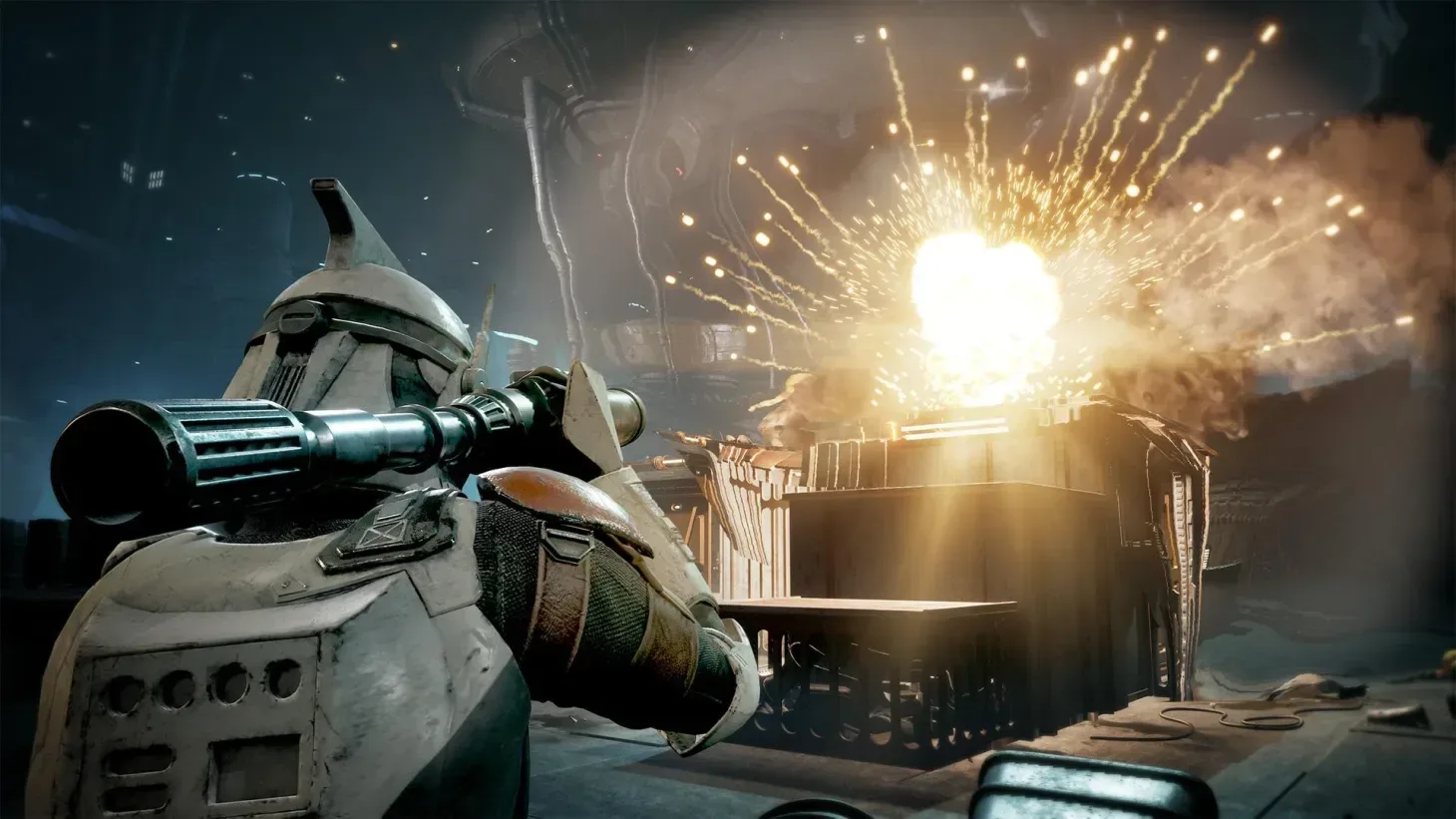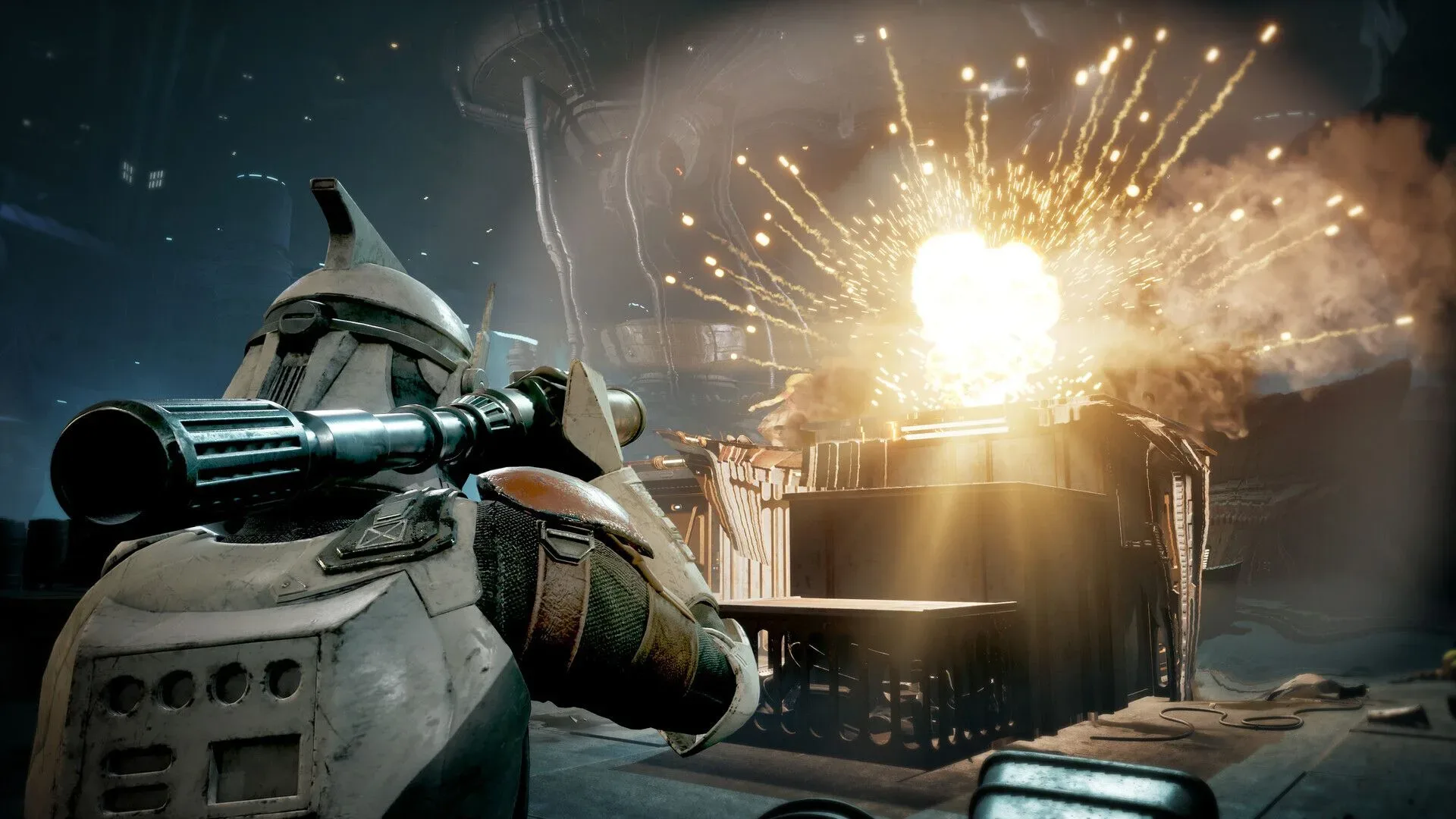
Star Wars Zero Company frames loss as a tactical reality, but its permanent-death system appears far less punishing once the squad is treated as more than a fixed cast of heroes. The key is the operator roster: customized recruits can be refreshed repeatedly at no cost, created by the player, trained through broadly comparable class trees, and sent into jobs where a mission timer or a collapsing evacuation plan demands somebody take a dangerous assignment.
That is not exactly the romantic version of a Star Wars crew. It is, however, a fitting one for a game drawing on the desperate wartime mood associated with Rogue One, The Clone Wars, and The Bad Batch. A commander may value every recruit, listen to their battlefield chatter, and still recognize that a Jedi or a prominent story character is not the person who should be standing in the open to buy one critical turn.
The result is an interesting compromise. Permadeath still matters. Named allies can still die if a mission goes wrong, including during missions built around them. But Zero Company reportedly gives players tools to compartmentalize risk rather than inviting a single disaster to wreck an entire campaign. Custom operators are not merely anonymous bodies filling empty squad slots; they are the flexible layer that lets the more irreplaceable specialists survive the ugliest turns.
Disposable does not mean ineffective
It is easy to assume that a custom operator must be inferior to the authored squad members. Zero Company does give some of its established characters unusually powerful features. Jae, for example, can become a sharpshooter with a perk that allows one execution per turn. Those distinctive passives help make individual story characters memorable and strategically valuable.
Yet the broader class progression for newly made operators is said to be largely equivalent. Crucially, fresh recruits arrive at the group’s current level rather than needing a long stretch of low-stakes missions to catch up. That changes their role dramatically. A replacement does not have to be sheltered through hours of training before being useful. They can join an experienced unit and contribute straight away.
There is also little reason to freeze up over build decisions. Focus points—the game’s perk-related choices—can be reset without a penalty. That freedom encourages experimentation: a player can shape an operator for mobility, survivability, or a particular combat job, then reconsider the arrangement later. When recruitment is cheap and respecs are consequence-free, a custom squadmate becomes a strategic resource rather than a precious irreversible commitment.
In practical terms, this suggests a simple division of labor. Major characters are the assets worth protecting when the board turns chaotic. Custom recruits handle the missions, positions, and routes with the sharpest odds. It is unsentimental, but it is not necessarily careless. A well-built operator can remain reliable, and their loss is less likely to dismantle the plans surrounding the rest of the team.
The cycle structure discourages hoarding
Zero Company is described as shorter than many of the biggest games in the turn-based tactics genre. Its cycle system also means a single run is not designed to clear every possible side activity. That structural pressure matters because it pushes against a familiar tactics-game habit: holding the best reserve soldiers indefinitely for a supposedly perfect mission that may never arrive.
Even an ordinary operation against a Separatist base can be lethal, while offering major rewards. Leaving capable custom operators idle in hopes of finding a safer or more valuable assignment risks wasting them. The campaign’s tempo instead favors committing available personnel, accepting that the war has more work than any one squad can perform flawlessly.
That perspective makes the roster system feel closer to operational planning than character collecting. The question is not, “Can everyone come home?” It is often, “Which mission can be completed while preserving the people who are hardest to replace?” For fans interested in how other games establish long-term stakes and expectations around a franchise, the Wonders of O trademark story is another reminder that games can build their identity around the larger worlds and series they inhabit, though Zero Company’s immediate concern is the harsh arithmetic of a mission board.
Why rescue and sabotage assignments create the hardest choices
Rescue and sabotage missions are especially suited to exposing this system. These objectives reportedly impose tight turn limits and ask squads to cross a map to reach a threatened person, an astromech droid, or an object that needs destroying. Meanwhile, enemy waves keep arriving. Operators cannot cover enormous distances every round while also stopping every hostile force in their path.
That creates a painful but clear tactical puzzle. Someone may need to sprint ahead, absorb attention, or simply stand in a lethal position long enough to halt the objective clock. After the task is finished, the squad may still have to reach an evacuation zone located far away. It is the sort of setup where the newest freelancer is likely to receive the assignment no veteran wants.
- Use custom operators early: Their ability to match squad level makes them suitable for real deployment rather than reserve duty.
- Build for a purpose: Free focus-point resets make it practical to tailor a recruit toward the immediate mission.
- Do not wait for a flawless side mission: Any operation can become dangerous, and the cycle structure does not reward attempting everything in one run.
- Protect unique capabilities: A character with a rare passive or story importance may be more valuable alive than an objective-side position is worth.
None of this eliminates the tension. On the contrary, it defines it. A permanent-death game becomes most compelling when every loss feels legible: a player knows what was gained, what was preserved, and why a particular person was asked to take the risk. Zero Company’s recruit system appears designed to make those grim calculations survivable at the campaign level.
Extraction is the moment that tests the squad’s priorities
The decisive crisis can arrive after the stated objective is complete. Droids may continue to flood the map while the team tries to evacuate, turning a seemingly successful mission into a desperate retreat. In that moment, Zero Company reportedly permits extraction without requiring every squad member to reach the evacuation area.
That option changes the meaning of the action-point economy. A valuable operator can spend their remaining actions getting out rather than doubling back for a stranded recruit. The player is allowed to make the hard call: leave the expendable personnel behind and get the crucial figures clear. The system does not dress that choice up as heroic, but it gives it a coherent tactical purpose.
Zero Company’s most revealing question is not whether a squad can win every fight; it is whether a mission can be finished without sacrificing the people the wider campaign cannot afford to lose.
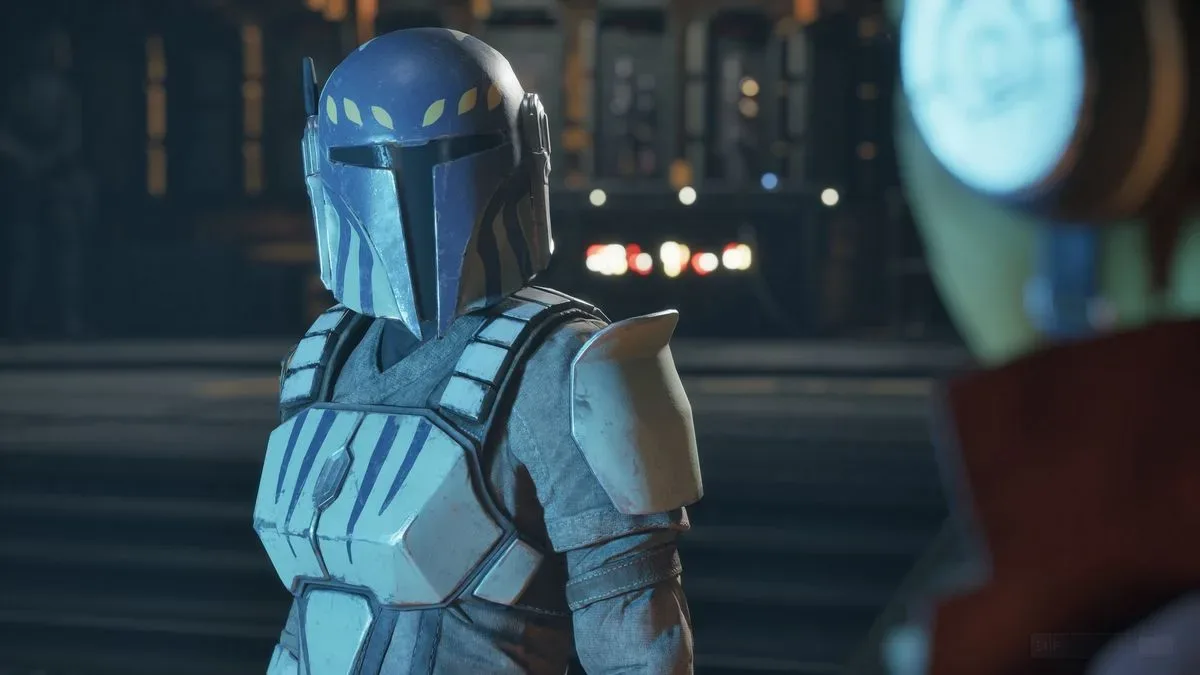
It also helps that custom operators reportedly receive substantial dialogue and strong voice performances. They can feel like actual members of the team even when they do not get the deeper authored conversations reserved for established characters. That human detail gives their deployment weight. A recruit may be strategically replaceable, but not entirely invisible.
There is an uncomfortable honesty in that distinction. Stories set during the Clone Wars and other Star Wars conflicts regularly balance camaraderie against the cost paid by rank-and-file fighters. Zero Company translates that tension into mechanics: there are warm exchanges and a sense of crew, yet the campaign’s systems often reward using operators as pieces in a much larger conflict.
Permadeath becomes a management problem, not a campaign-ending threat
The most useful lesson from Zero Company’s approach is that permanent death does not need to mean treating every unit as equally untouchable. A rigid “nobody gets left behind” policy can paradoxically expose the entire roster to greater danger. By deploying the appropriate people for dangerous objectives and knowing when extraction must take priority, players can reduce the chance that one brutal mission erases a key strategic advantage.
That is still not a guarantee. Overextending can kill important characters, and some losses may remain deeply personal—especially where a favored character such as Tel-Rea is concerned. Players inclined to reload saves may still do so when a central figure falls. But the game’s generous recruitment and rebuild systems provide a less stressful path for those willing to accept that some newly hired operators will not become long-term legends.
Rather than weakening the stakes, that flexibility may sharpen them. Named heroes feel genuinely important because they are not treated as interchangeable. Recruits matter because they can solve a crisis, carry a risky build, and add personality to the squad. And the evacuation button becomes a statement of priorities: victory sometimes means leaving with fewer people than the ones who arrived.