Fire Emblem: Fortune’s Weave has prompted a very particular early complaint: not that it lacks story, characters, or instruction, but that it may have too much of all three at once. One early player, estimating roughly 10 hours with the game, says they are enjoying the protagonists and have been won over by much of the cast. The sticking point is the density of conversations, explanations and tutorial prompts placed between the moments when players can actually move forward.
That distinction matters. This is not a simple case of a player wanting a silent strategy game. Conversation is foundational to character-driven tactical RPGs. It establishes stakes, explains alliances and conflicts, and gives the units on a battlefield personalities worth remembering. The concern being raised is narrower and more useful: when dialogue repeatedly restates information the player has already understood, it can turn necessary exposition into friction.
A similar complaint has surfaced in another discussion of Fortune’s Weave’s dialogue pacing. The shared issue is not merely word count. It is the sense that the game too often pauses to make sure its point has landed, then keeps making the same point.
The difference between clarity and repetition
Exposition is the delivery of information a player needs to understand the setting, plot, mechanics or immediate objective. Every game needs it. In a tactical RPG, it can be unusually important because a campaign may ask players to track a large ensemble, political factions, specialized systems and changing battle conditions.
For more context, explore watchOS 27.0.1 Lands for Series 12 and Ultra 4 With a Fix for Unexpected Restarts.
But effective exposition is not simply a matter of supplying more information. It is a matter of judging what the audience already knows and what it can infer. If a scene establishes a character’s motive, a follow-up scene can build on that motive rather than explain it again. If a system teaches a basic rule, later prompts should help with exceptions, edge cases and meaningful decisions rather than reintroduce the premise.
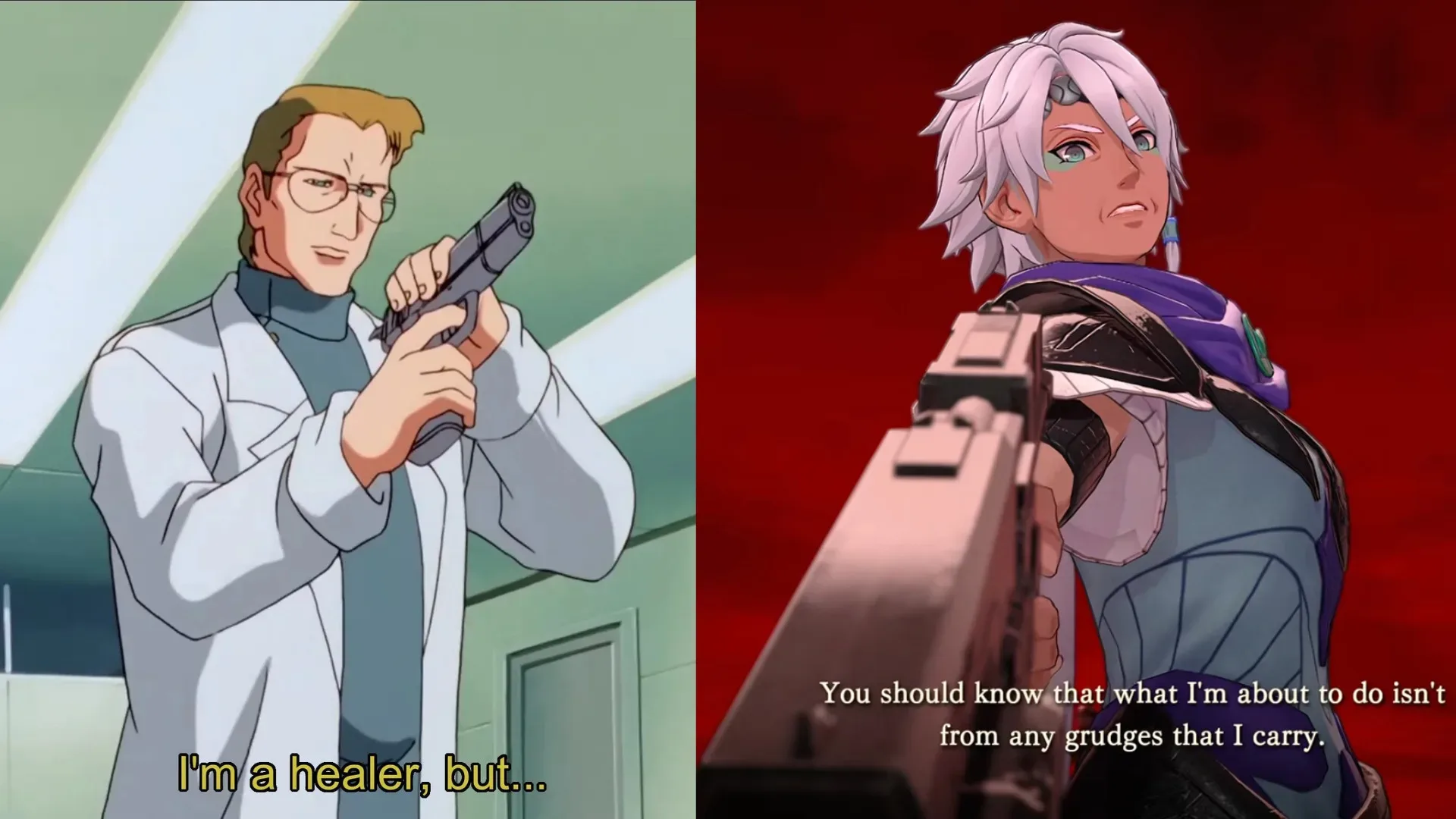
The criticism aimed at Fortune’s Weave is that its writing can appear to distrust the player’s memory. Conversations reportedly revisit their own conclusions so often that a player can feel they understood the point from the first text panel, with subsequent lines reading as surplus explanation. That is a pacing problem even when the underlying plot point is perfectly clear and even when the cast remains appealing.
“Pacing” here does not mean the story must rush. It means that each scene should earn the time it takes. A slower scene can work when it reveals a new side of a character, complicates a decision, changes the emotional temperature or provides needed context. A scene that only repeats a settled point creates a different effect: it delays the next meaningful action without changing the player’s understanding.
Why tactics games feel these interruptions sharply
Strategy games depend on a rhythm between planning and execution. Players assess a situation, make choices, see the consequences and adjust. Narrative scenes can enrich that loop by giving a battle a reason to matter. Tutorials can support it by making sure a player understands the tools available.
However, both story scenes and instructions carry a cost: they temporarily remove control. For someone eager to return to map decisions and tactical play, a long explanation does not feel like neutral information delivery. It feels like an interruption. Repetition increases that cost because it adds time without adding a comparable amount of comprehension.
The criticism of Fortune’s Weave is especially pointed because it comes from someone who says they like the game. That is often when pacing frustrations become most visible. If players disliked the characters or premise altogether, extra dialogue might simply blend into a broader negative reaction. Here, the reported attachment to the protagonists makes the complaint more specific: the cast may be compelling enough to justify the scenes, but the scenes may not always be edited tightly enough to serve the cast.
That is also why a blunt request for characters to “talk less” should not be read as a demand for less characterization. The more productive request is for dialogue to do more with fewer lines. A concise exchange can establish conflict, expose a character flaw and set up a battle at the same time. A longer exchange should offer a payoff commensurate with its length.
Tutorials are part of the same pacing issue
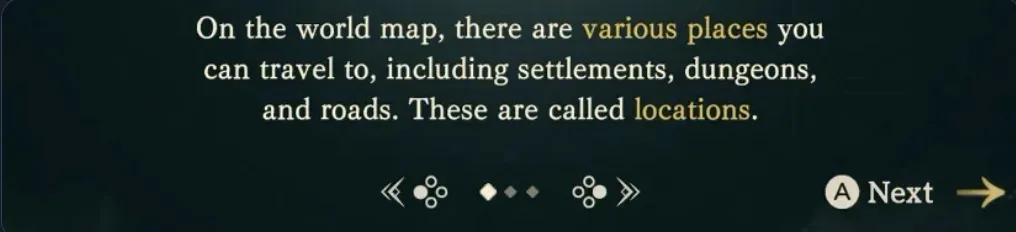
The early criticism does not stop at story dialogue. It also points to tutorial panels as a source of interruption. Tutorials are meant to reduce uncertainty, but they can become counterproductive when they state information that players can already recognize on their own. One cited example is explaining that the dots on a world map are “locations.”
This is an instructive example because it is not an argument against accessibility. Clear, readable guidance benefits new players, returning players and anyone confronting a complicated system. The issue is the level of explanation. A prompt is most valuable when it explains what a player could not otherwise reasonably know: the consequences of a choice, a hidden interaction between systems, an unusual objective condition, or the strategic trade-off behind an option.
By contrast, explaining an obvious interface label can suggest that the game is spending attention where it is least needed. It may also undermine confidence. Players who are comfortable with the basics can begin to wonder how many more interruptions await them before the game trusts them to navigate its menus and map.
There is a useful design distinction between onboarding and hand-holding. Onboarding introduces players to a game’s rules and language so they can participate successfully. Hand-holding, in the pejorative sense used by critics, describes instruction that continues after the player has demonstrated understanding. The line differs from player to player, which is why optional reminders, skippable panels and concise reference menus can be valuable. They make guidance available without forcing the same cadence on everyone.
What a tighter edit could preserve
The early reaction does not establish that Fortune’s Weave needs less plot, fewer characters or fewer mechanics. It suggests the game could benefit from a sharper hierarchy of information: what must be said now, what can be shown through action, what can be saved for later, and what has already been communicated well enough.
For narrative scenes, that can mean trusting a player to connect two adjacent conversations. It can mean allowing a character’s decision to demonstrate their motivation instead of having another character narrate it back to them. It can mean treating a recap as an exception for complicated turns rather than a default response after every development.
For tutorials, it can mean reserving full-panel explanations for systems with real strategic stakes. A world map may need a brief first-use cue, but the important explanation is likely to be what the destinations do, how choices affect progress, and which decisions are permanent or consequential. The label on the map itself does not need equal emphasis.
None of this requires sacrificing readability. Good editing is not the removal of detail for its own sake. It is the process of protecting the details that matter by cutting the material around them that does not. When every plot beat receives the same amount of explanation, important revelations can lose impact. When every interface element receives a tutorial panel, genuinely complicated mechanics receive no more weight than the obvious ones.
A complaint rooted in enthusiasm
There is still a positive signal embedded in this criticism. The player voicing it says they love the game and enjoy its protagonists, while expressing a particular lack of enthusiasm for Theodora. That is not a dismissal of Fortune’s Weave’s narrative ambitions. It is an argument that the material players like may land harder if the game gives it more room to breathe.
Jeff Grubb also characterized the experience as a buildup of dense named-term plotting that eventually became exhausting, while acknowledging that different players may not react the same way. That caveat is important. Some audiences enjoy extensive lore explanation and frequent confirmation of story beats; others prefer being asked to retain context and infer implications. The same writing choice can feel welcoming to one player and laborious to another.
Still, early reactions identify a clear design tension for Fortune’s Weave: it wants players to understand its story and systems, but an excess of confirmation can work against engagement. Tactical games ask for attention. Their dialogue and tutorials are strongest when they reward that attention rather than repeatedly test whether it is still there.