Avengers: Secret Wars is being positioned as more than another enormous superhero crossover. Kevin Feige has described it as “a whole other genre of story,” while director Joe Russo has called it a “really unique story” built around taking risks, surprising audiences and attempting something viewers have not experienced before.
That is a deliberately broad promise, not a plot synopsis. It does, however, point to an important distinction: the creative team is presenting Secret Wars as a different kind of Avengers film rather than simply the next escalation in a familiar formula. The film follows Avengers: Doomsday, which is due in UK cinemas on December 16 and worldwide on December 18. No complete release date for Secret Wars is provided here.
“The only reason to get out of bed every day is to take risks and surprise people and try things that have never been tried before,” Russo said, adding that he hopes audiences leave feeling they have seen something unlike anything else.
For fans trying to interpret the tease, the name Secret Wars carries a particularly complicated weight. It has been used for two major Marvel comic stories with sharply different focuses. One is the 1984 event associated with the Beyonder and Battleworld. The other is the 2015 story written by Jonathan Hickman, one that places Doctor Doom at the center of a fractured-reality setting.
That split matters because neither title alone settles what a film adaptation will be. A shared name can signal themes, characters, imagery or only a broad starting point. The current information establishes that Hickman has consulted on Avengers: Doomsday and that his Avengers work is a basis for that upcoming movie. It does not confirm that every storyline, character beat or comic-book development from 2015 will be transferred directly to Secret Wars.
Why “another genre” is a meaningful description
Superhero movies are often discussed as a genre, but that label covers many formats: origin stories, political thrillers, cosmic adventures, team-ups, heists and large-scale wars. Feige’s wording suggests that Secret Wars may be defined by its storytelling structure or setting as much as by its roster of heroes.
One useful term here is multiverse: a fictional framework in which multiple universes coexist. Its narrative potential is not merely that familiar characters can meet alternate versions of themselves. It can also change the basic rules of the setting—what counts as home, who holds power, whether history is fixed, and how separate worlds can be forced into the same conflict.
Battleworld is central to both of the comic-book reference points, though it serves different dramatic functions. In the 1984 event, the Beyonder sends the Avengers to Battleworld. In the 2015 version, Doctor Doom assembles fragments from different universes into a new Battleworld and takes the title God Emperor Doom. At the conceptual level, Battleworld is a collision zone: a place where characters and pieces of reality that ordinarily could not share a world are made to do so.
That is the most plausible reason the phrase “whole other genre” has caught attention. A story set in an assembled world of universe fragments could function less like a conventional city-saving adventure and more like a survival narrative, a fantasy of competing territories, or a story about power over reality itself. Those are possibilities raised by the comic premise, not confirmed details of the film.
The two Secret Wars traditions, explained
The 1984 event: the Beyonder and Battleworld
The earlier Secret Wars centers on the Beyonder, a supervillain who brings the Avengers to Battleworld. That premise is direct and immediately cinematic: heroes are removed from their usual environment and placed into an artificial arena controlled by a larger force. It makes the location itself a major source of pressure, because the participants are operating in a world built around someone else’s agenda.
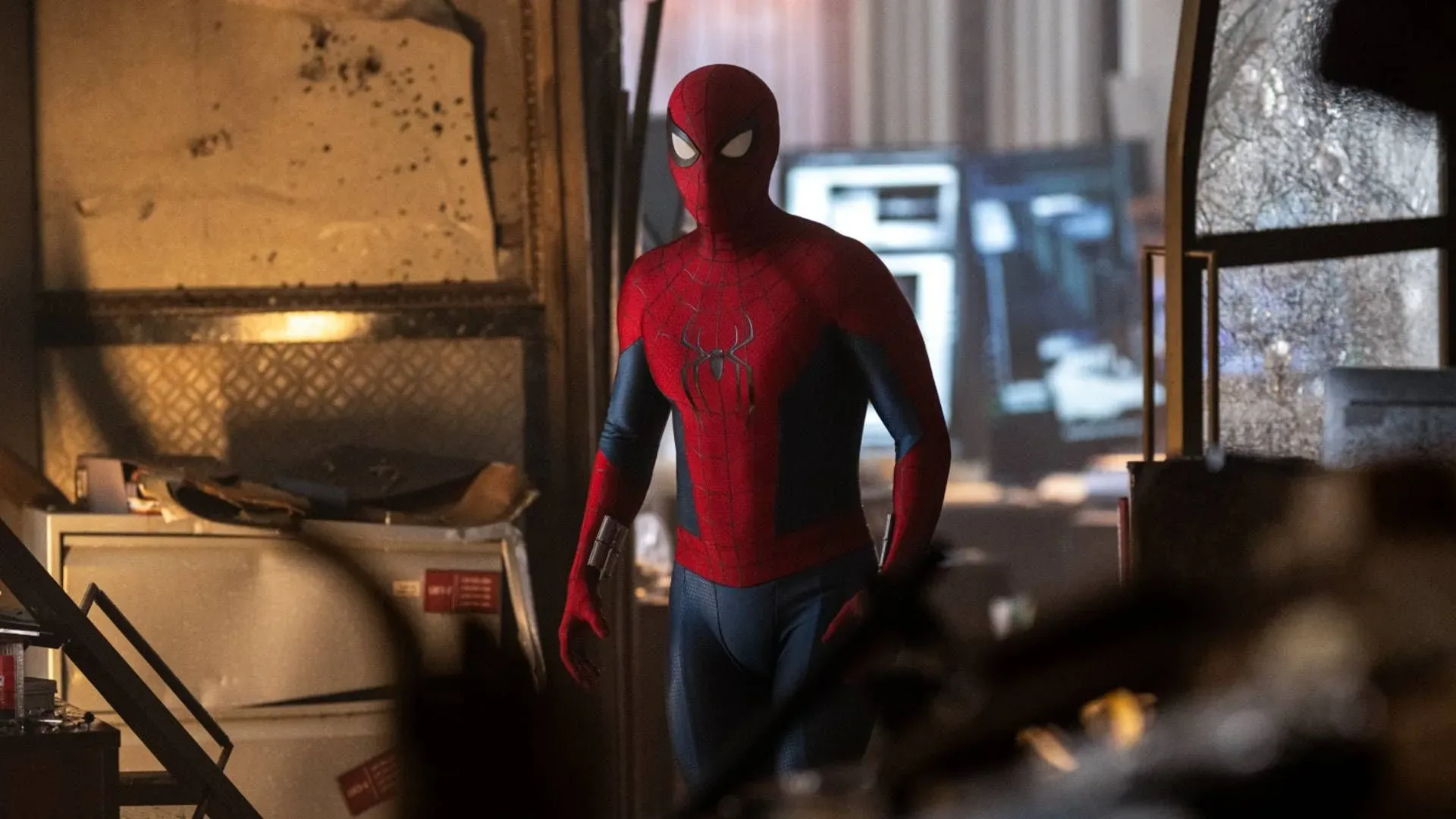
This version is also associated with a landmark Peter Parker development. It is the story in which he encounters an alien symbiote that tries to attach itself to him, leading to the black Spider-Man suit. A symbiote, in this context, is an alien organism that bonds with a host. The black suit’s importance extends beyond a costume change; it is tied to the notion that contact with an unfamiliar power can reshape a hero’s identity and future.
None of that establishes that the movie will include the Beyonder, a symbiote plot or the black suit. It does explain why the title has long encouraged speculation: the original comic is dense with instantly recognizable ideas that could invite a screen adaptation.
The 2015 event: Doom remakes a broken reality
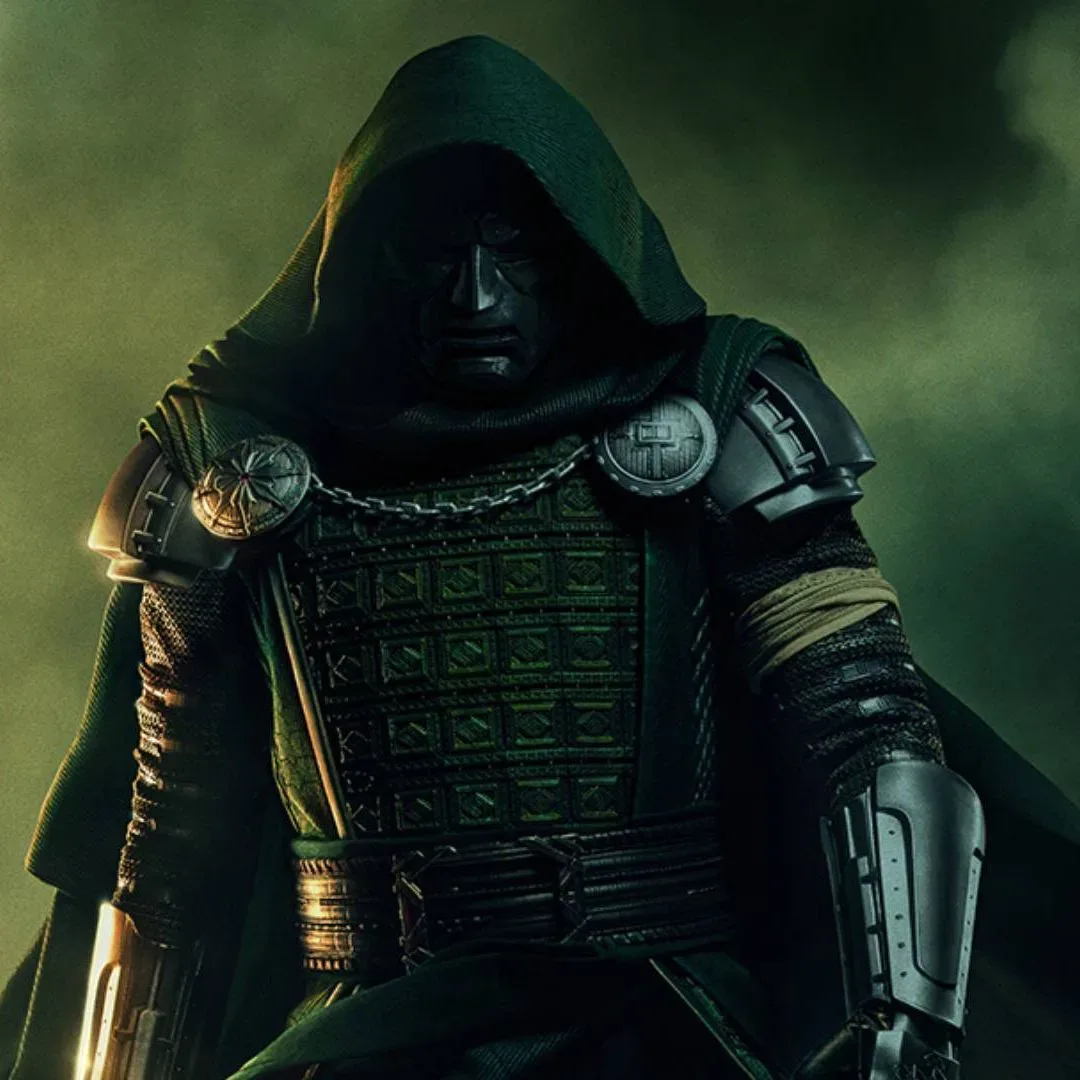
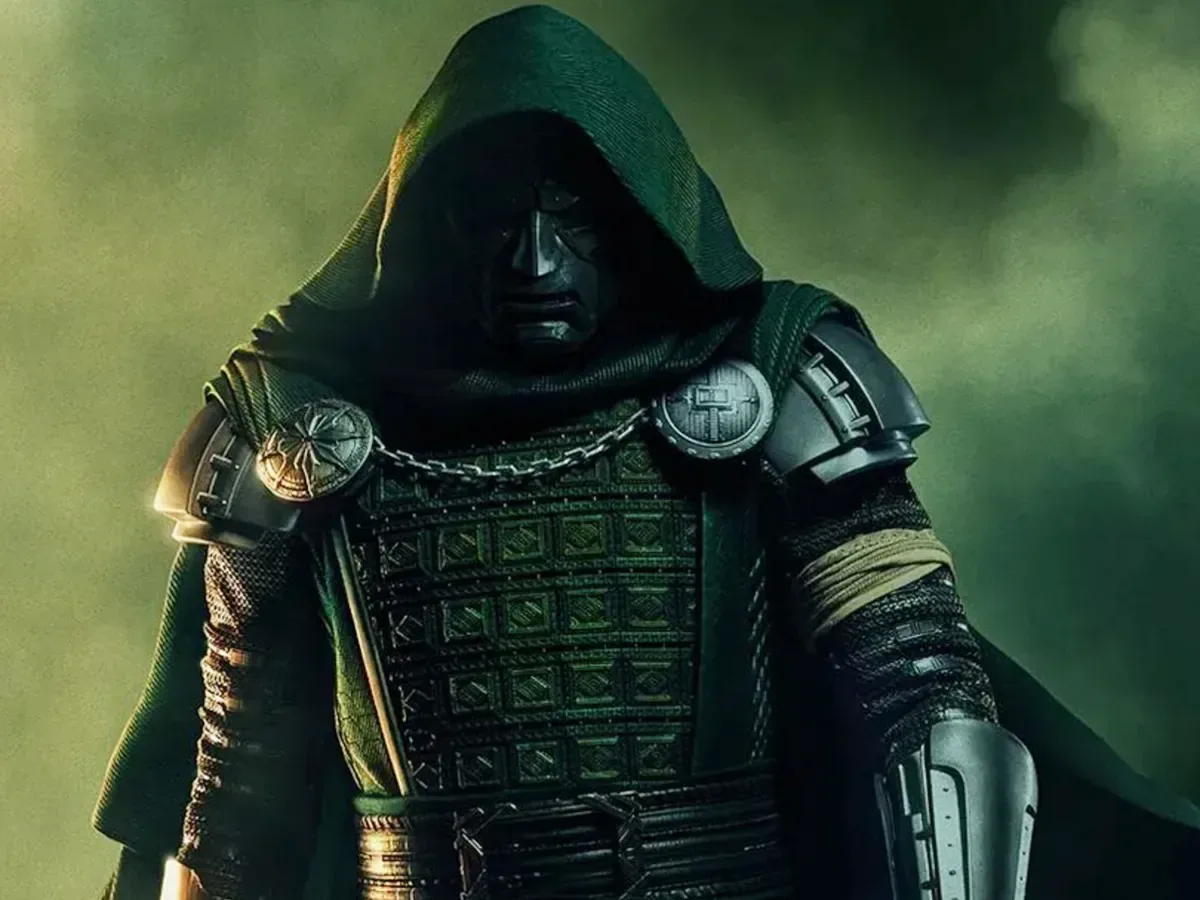
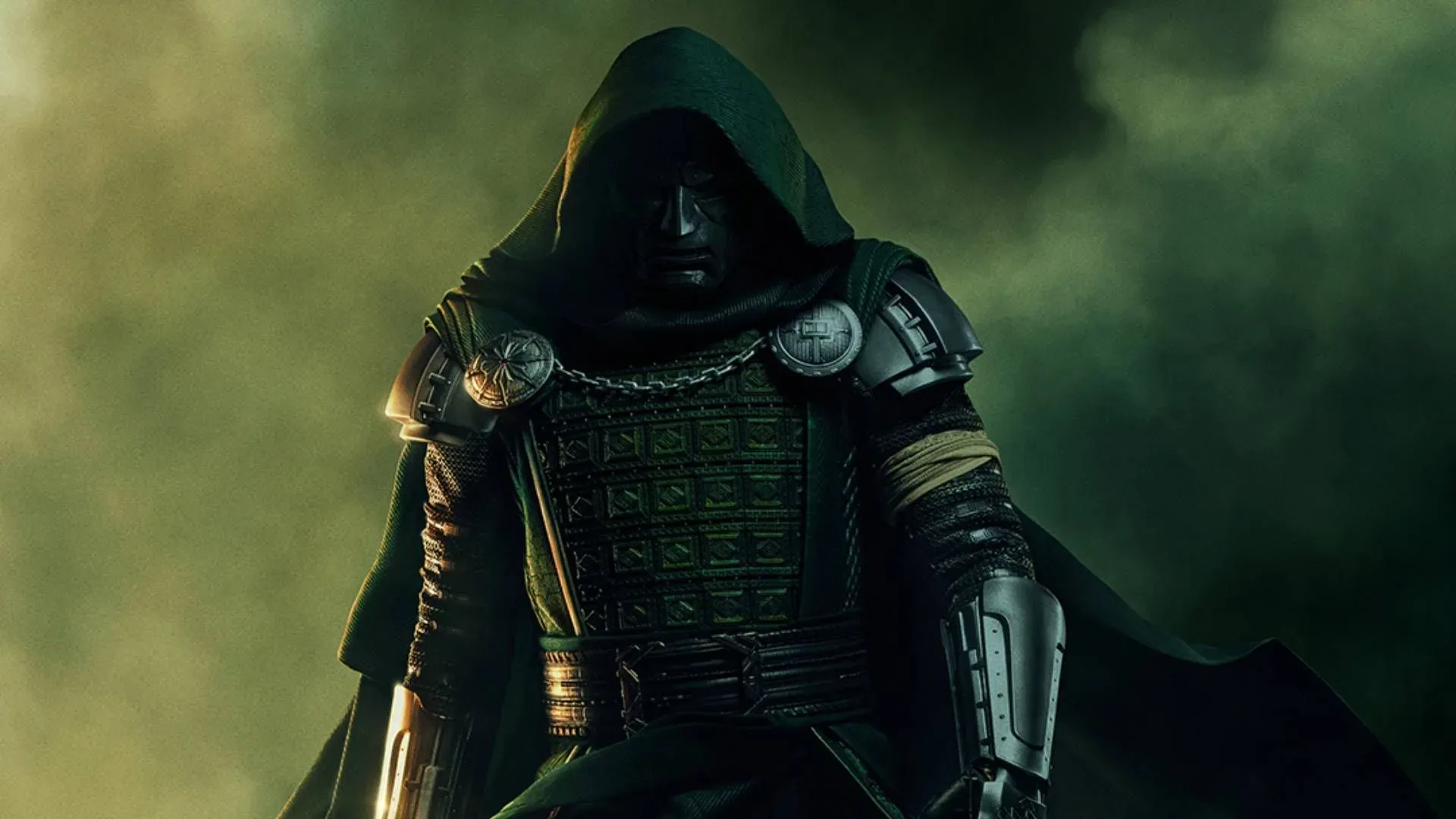
The 2015 Secret Wars uses a more Doom-focused foundation. Doctor Doom gathers fragments of different universes, creates Battleworld and rules it as God Emperor Doom. The key dramatic idea is not simply that a villain threatens the world. It is that a villain becomes responsible for defining what the world is.
That distinction could be important for the film’s larger context. Secret Wars follows Avengers: Doomsday, and the 2015 comic places Doom in a position of extraordinary authority over a reality made from remnants. It is easy to see why readers would look to that run when considering where an Avengers story involving Doom could go next. Yet adaptation remains interpretation. Even with Hickman’s connection to Doomsday, the film’s plot has not been laid out in these terms.
The term God Emperor Doom refers to Doom’s ruling status in the 2015 story. It is not simply a boastful villain nickname: it signals that the character’s control reaches beyond territory or an army to the structure and order of Battleworld itself. If a screen story draws on that idea, the conflict could be as much about who gets to determine reality as about who wins a physical fight.
What the comments confirm—and what they leave open
The comments from Feige and Russo give audiences a creative ambition, not a checklist of returning faces or comic-book set pieces. They confirm that the filmmakers want Secret Wars to feel unusually distinct and that the project is conceived as the follow-up to Avengers: Doomsday. They also arrive alongside clear comic-book context: there are two major Secret Wars models, and Doom’s 2015 role offers an obvious point of interest.
They do not confirm the Beyonder’s involvement, the use of a symbiote, a black Spider-Man suit, the full form of Battleworld, or the exact balance between the 1984 and 2015 stories. Treating those elements as guaranteed would turn informed comic context into an unsupported movie claim.
That restraint is worthwhile because “unique” is a high bar. The Avengers name naturally brings expectations of scale, assembling heroes and culminating conflict. Russo’s emphasis on surprise implies an attempt to make the scale serve an unfamiliar experience rather than merely a larger version of what has come before. Feige’s genre language reinforces the same idea from another angle: the hook may not only be which heroes appear, but what kind of world and story they inhabit.
For the wider Marvel conversation, that also makes Doomsday more than a standalone milestone. Hickman’s Avengers work is cited as a basis for that film, while the later Secret Wars comic is deeply connected to Doom and a universe-fragmented Battleworld. The connection is strong enough to make the comic history valuable context, while remaining far short of a scene-by-scene roadmap.
Until Marvel provides more concrete story information, the clearest reading is also the simplest: Avengers: Secret Wars is being sold on reinvention. The 1984 comic supplies the Beyonder, Battleworld and Spider-Man’s symbiote encounter; the 2015 comic supplies Doom’s reality-stitching rule over a different Battleworld. The movie may borrow, combine or depart from those foundations. Its makers are asking audiences to expect a superhero event that aims to change the shape of the event itself.
For another look at how creators define a major crossover’s identity, see our coverage of Masahiro Sakurai’s explanation of why Smash Bros. was not Street Fighter.