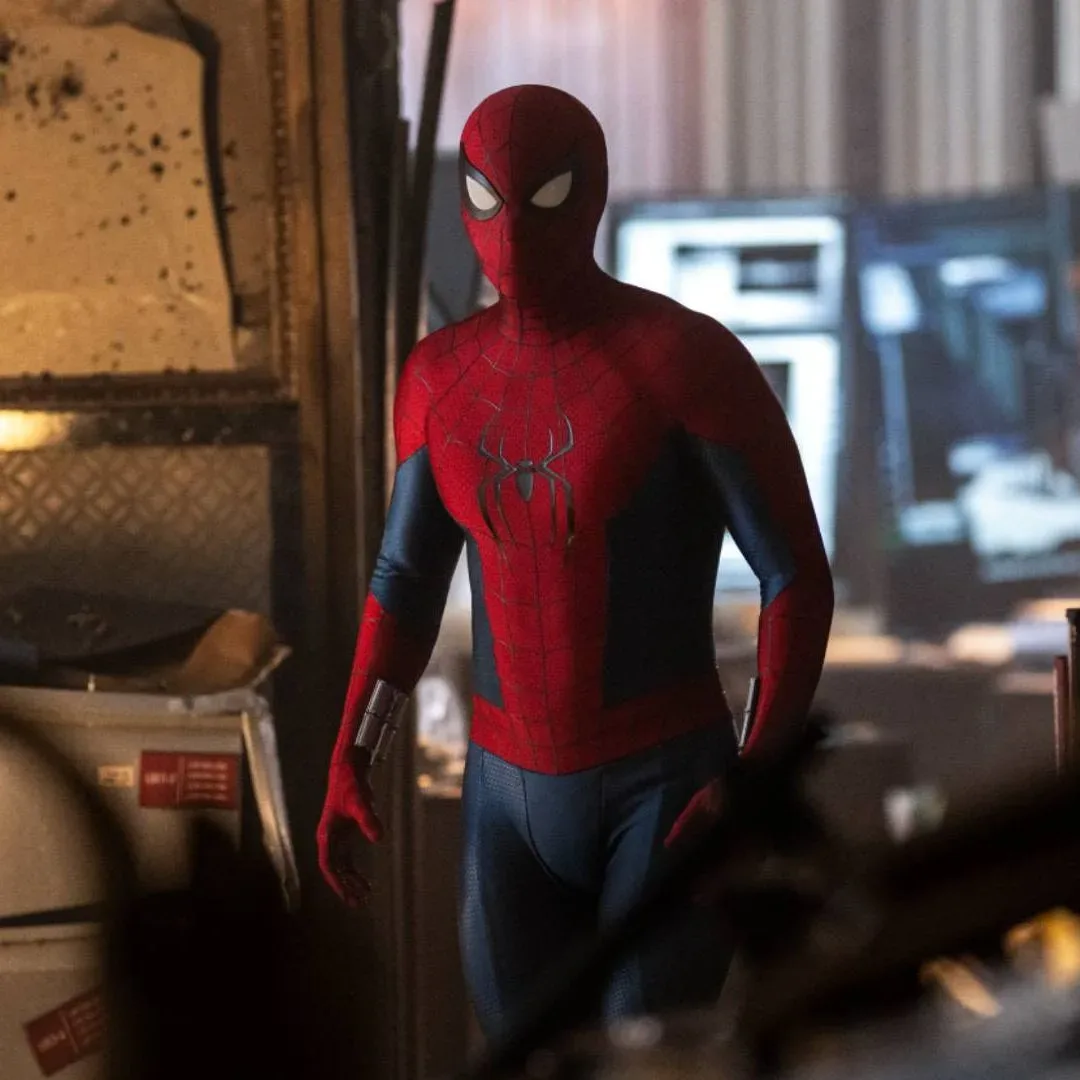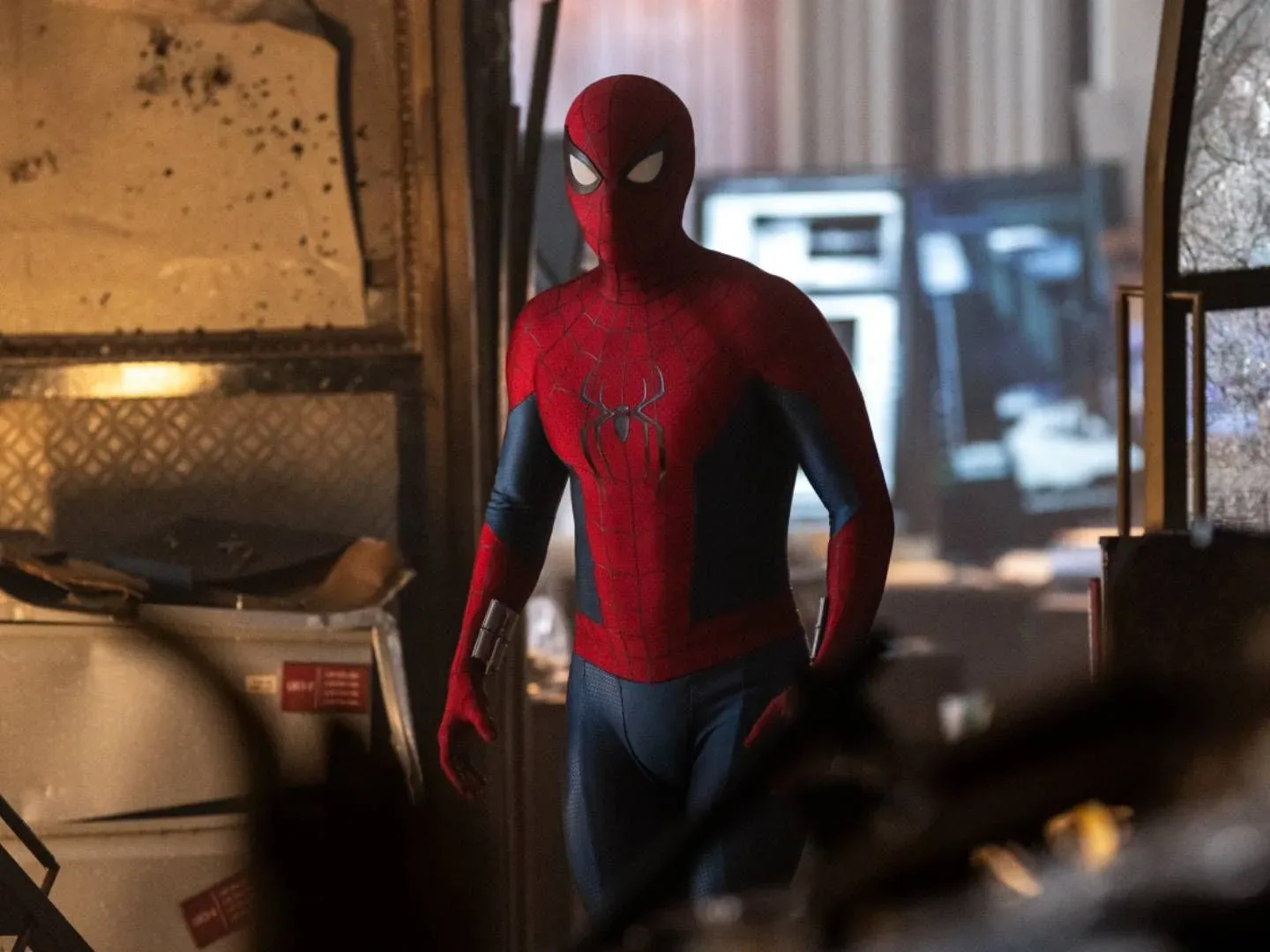
Avengers: Secret Wars is still largely under a vibranium tarp, but Kevin Feige has offered a clearer sense of its intended shape: it will not simply photocopy one comic-book event and hope the staples hold. In a new foreword for Marvel Comics’ rerelease of Jonathan Hickman and Esad Ribić’s 2015 Secret Wars, Feige frames the upcoming Marvel Cinematic Universe film as a fresh story assembled from a deep catalogue of comic lore and the MCU’s own accumulated history.
That is a familiar approach for Marvel Studios, even if the scale suggested by the title is anything but routine. The comics have delivered more than one version of Secret Wars, and the 2015 storyline itself was a colossal universe-reworking saga. Feige’s comments do not identify a single, direct blueprint for the movie. Instead, they indicate that the MCU’s version will draw from Hickman and Ribić’s work, along with other Marvel comics and the films that have already built the screen universe’s many threads.
In short: the MCU is apparently heading toward its own Secret Wars, rather than attempting a panel-for-panel recreation. Somewhere, a continuity chart is already asking for a larger table.
A comic event built to become something else
Feige’s foreword reflects on the way the 2015 Secret Wars storyline transformed Marvel’s comic universe. His comparison suggests that Marvel Studios sees a similar opportunity in the film adaptation: preserve enough connective tissue for the existing MCU to matter, while allowing the event to take the setting in a new direction afterward.
That is meaningful language because Secret Wars has never been a small-scale premise. The title has historically been associated with grand crossovers, major character collisions and circumstances that give Marvel an excuse to put familiar heroes and villains in dramatically unfamiliar positions. The 2015 comic run in particular is tied to a vast restructuring of reality, with Hickman writing and Ribić providing its distinctive art. Its reputation makes it a natural reference point for a film designed to serve as a major Avengers landmark.
But an adaptation can be inspired by that framework without reproducing every plot beat, every identity, or every version of every character. Feige explicitly describes Marvel Studios’ practice as selecting pieces from nearly 90 years of comic-book history, respecting the original material while creating a different final work for the screen. That principle has shaped the MCU from the beginning, and it appears set to remain intact for Avengers: Secret Wars.
The practical takeaway is caution against treating any one comic issue as a spoiler manual. A recognizable name, setting, artifact or conflict from the comics might make its way to the film, but the surrounding context can change substantially. Marvel’s movie continuity has its own heroes, absences, history and multiverse developments to account for. Feige’s emphasis is on weaving those strands together, not placing them in a display case labeled “do not alter.”
Why Loki is part of the conversation
Feige also connects the project’s ambition to Loki, invoking the image of timelines and their branches being gathered at the end of all things. It is not a plot synopsis, nor does it confirm which characters will appear in Secret Wars. It does, however, establish the multiverse-era MCU as part of the foundation for the movie’s storytelling.
That makes sense on a structural level. The MCU has spent years building stories around alternate realities, timeline splits and worlds that can meet in dangerous ways. A film called Secret Wars has plenty of comics precedent for treating reality itself as the playing field, so the existing screen material provides an obvious pool of ideas to revisit or transform.
Feige’s wording also makes clear that the movie’s inspirations extend beyond a single creative run. Hickman and Ribić are specifically named, but so are the many creators and comics that came before them, while MCU films are included in the same broad tapestry. The result could combine elements that readers associate with separate eras of Marvel publishing. Until more is officially detailed, however, exactly which elements are in play remains unknown.
For viewers trying to work out the road ahead, Avengers: Doomsday is the next major checkpoint. It is scheduled to arrive on December 18 and is expected to offer a better indication of the board position before Secret Wars starts moving the pieces. Marvel has revealed comparatively little about the latter movie so far, which makes even a thematic statement from Feige notable.
Doctor Doom is no longer merely looming
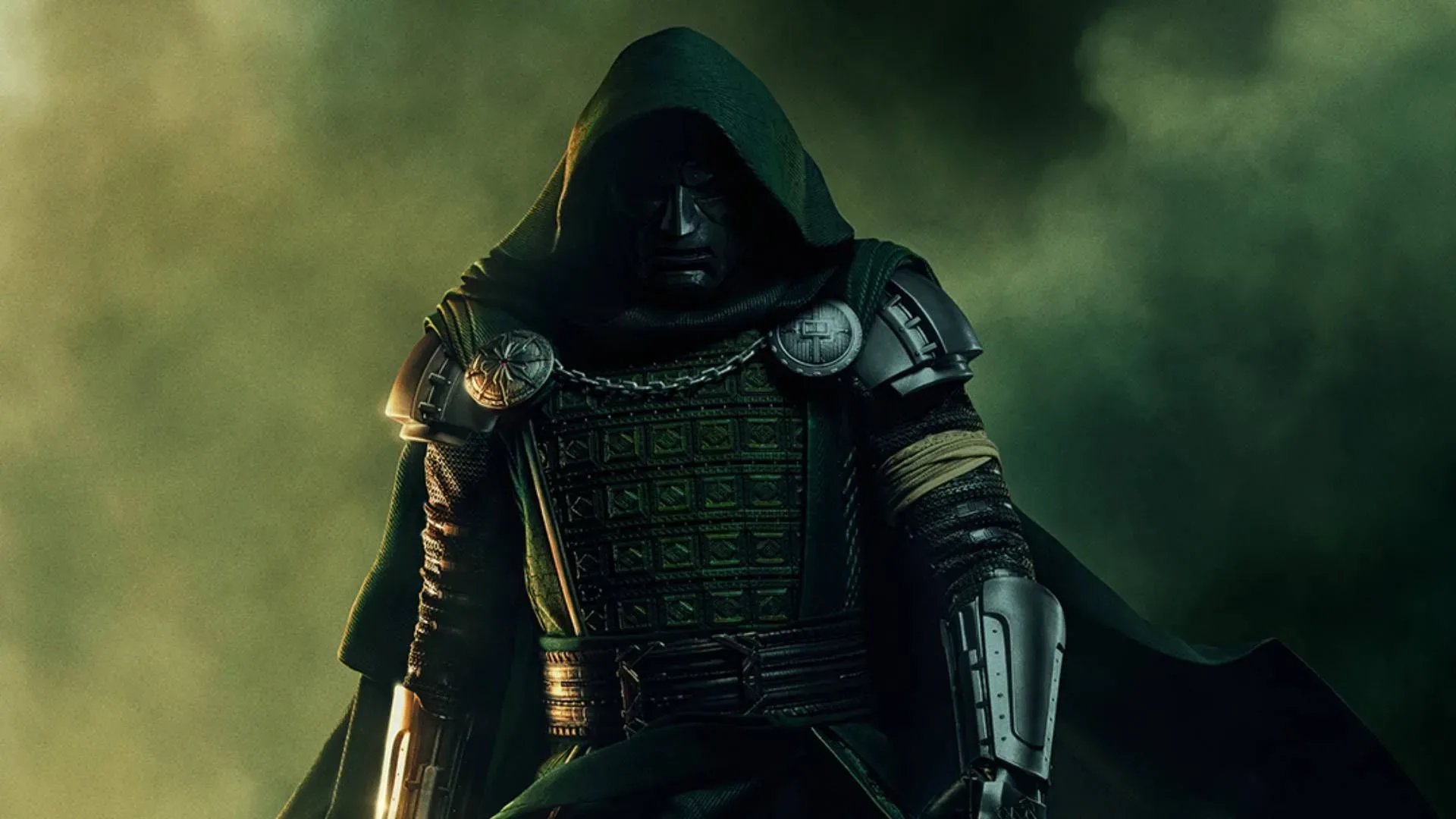
The firmest character-specific point from Feige’s comments is the role of Doctor Doom. He says Doom will be a centerpiece of the story, describing the character as Marvel’s greatest villain. That positions Victor Von Doom as far more than an ominous name dropped from behind a Latverian curtain. The villain is being presented as fundamental to the event’s dramatic machinery.
That detail is especially important given Doctor Doom’s central association with Hickman and Ribić’s Secret Wars. It does not confirm the exact form of the MCU’s interpretation, its specific motivations or how closely it will track comic continuity. Still, it offers a strong signpost: Doom is expected to matter enormously when Marvel’s Secret Wars arrives.
For fans, that focus also provides a useful lens for the coming Avengers chapter. The MCU’s crossover films often distribute attention among many heroes, and Feige has promised the kind of long-imagined character moments that inspire a “pinch me” reaction. Yet the promise of a broad ensemble does not mean the movie lacks a central opposing force. Doom’s stated prominence suggests the story intends to give its massive gathering a villainous axis.
It is worth separating what is confirmed from what is merely tempting speculation. Feige has confirmed the creative direction in broad terms: a new MCU story, comics inspiration, beloved characters brought together, dream-matchup-style moments, and Doctor Doom as a centerpiece. He has not supplied a roster, a plot breakdown, a complete list of comic influences, or an explanation of how every multiversal strand reaches this event. Those blank spaces are not evidence for a particular theory; they are just blank spaces, however enthusiastically fans may wish to fill them with red string.
Noah Jupe’s mystery role remains a mystery
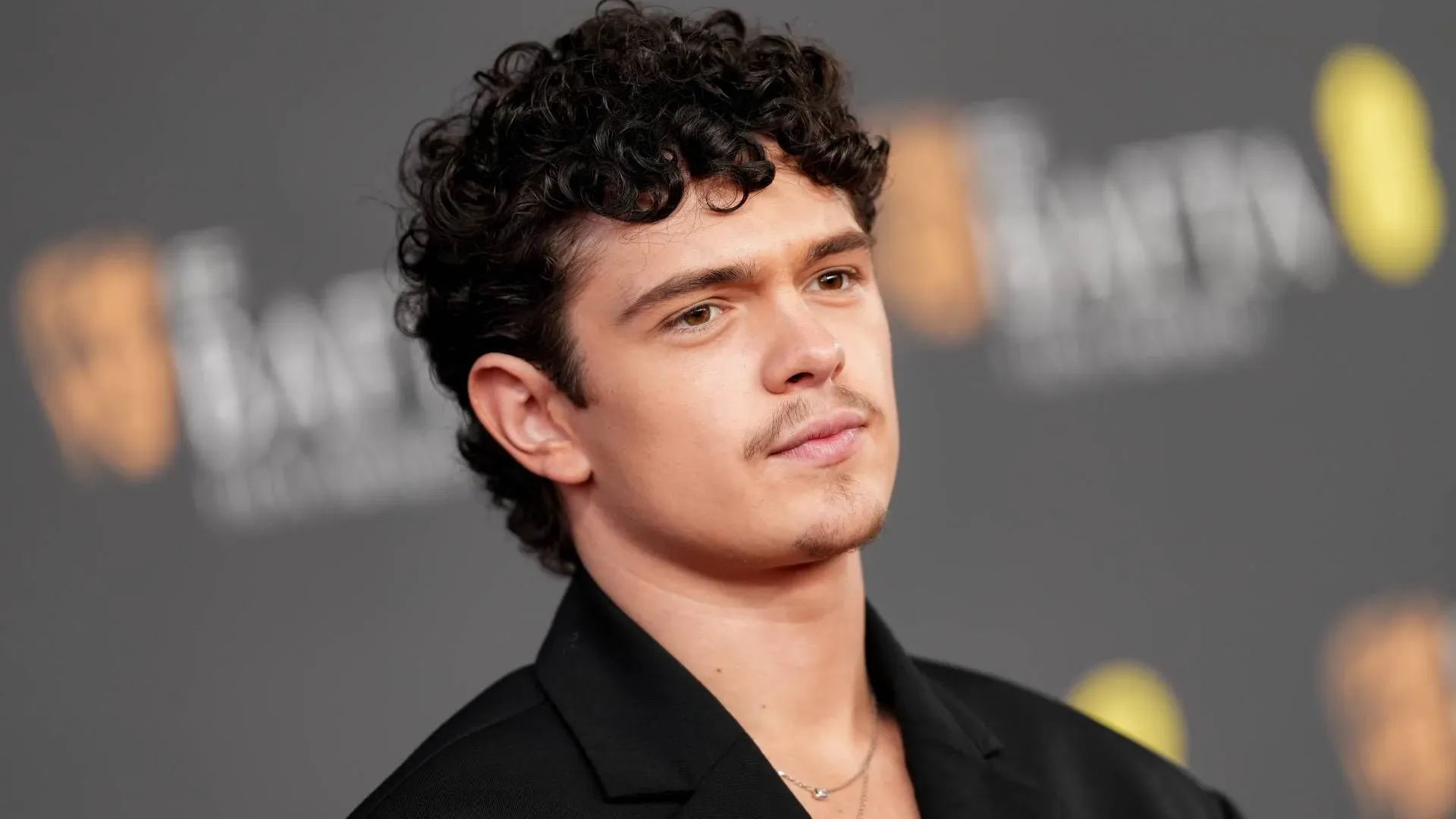
One reported piece of casting information has added to that theorizing. Hamnet actor Noah Jupe has been cast in an unnamed role connected to the upcoming sequel. No character has been publicly identified in the information at hand.
Two possibilities have circulated in speculation: the Beyonder, a figure strongly associated with the original 1980s Secret Wars, or an older Franklin Richards. Both names have obvious comic-book relevance to conversations around Marvel’s multiversal and reality-bending stories. Neither should be treated as confirmation. The role remains unnamed, and the existence of theories does not make a casting reveal appear by magic—though this is Marvel, so a portal might still be involved eventually.
The uncertainty matters because Feige’s foreword deliberately favors a wide palette of influences. A character connected to one era of the comics could potentially appear in an unexpected capacity, be blended with another idea, or not appear at all. The MCU’s adaptations routinely change relationships, timing and narrative function. Even well-informed readers of the source material should expect room for surprises.
What Feige’s tease actually establishes
The new comments are not a trailer, a release-date update or a casting announcement. They are useful because they offer a statement of creative intent. Marvel Studios appears to be approaching Avengers: Secret Wars as both a culmination and a transition: an event capable of collecting characters and long-running narrative strands, but also one positioned to set the MCU moving in altered directions afterward.
- Hickman and Ribić’s 2015 run is an acknowledged influence, not a guaranteed scene-by-scene template.
- The film will draw on comics and previous MCU stories, including ideas associated with the branching-timeline era.
- Doctor Doom will occupy a central role in the story.
- Marvel is promising major character encounters designed around fan hopes, though no specific meetings were named.
- Noah Jupe’s part has not been revealed, and suggestions that he may play the Beyonder or an adult Franklin Richards remain speculation.
- Avengers: Doomsday arrives December 18 and may provide the next meaningful clues about what follows.
For now, Secret Wars is best understood as a promise of scale with a deliberately flexible blueprint. The comics history offers a vast menu; the MCU’s own past supplies the ingredients already on the counter; and Doctor Doom has been identified as the chef most likely to turn the kitchen into a kingdom. Exactly what gets served remains under wraps, but Feige’s remarks make one thing clear: Marvel is preparing to use Secret Wars as more than a nostalgia parade. It is meant to be a new chapter built from old, powerful pieces.