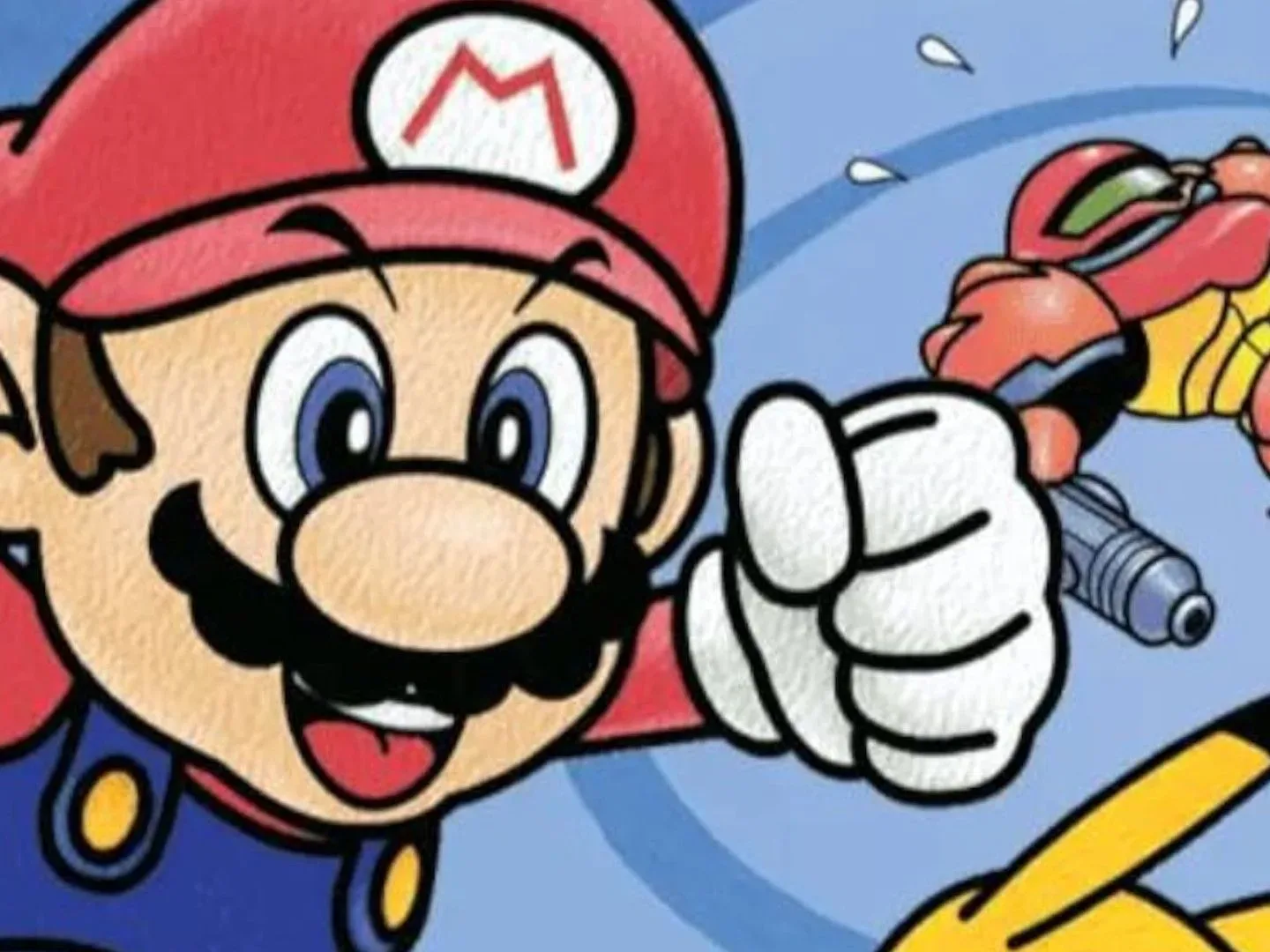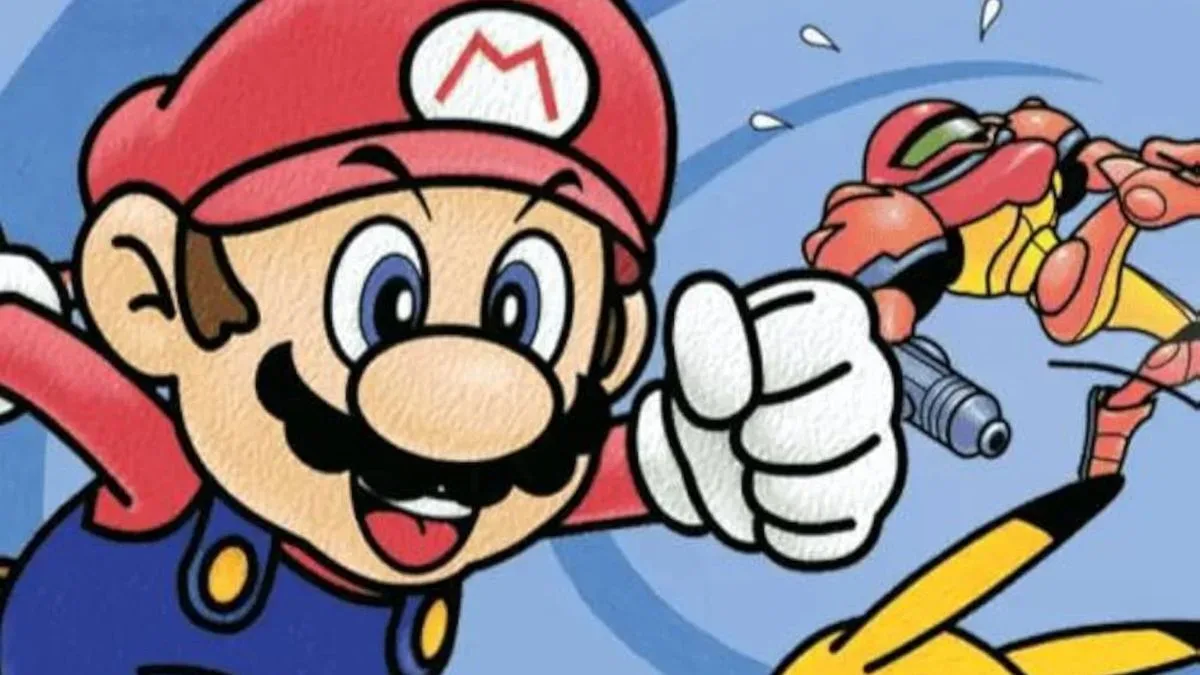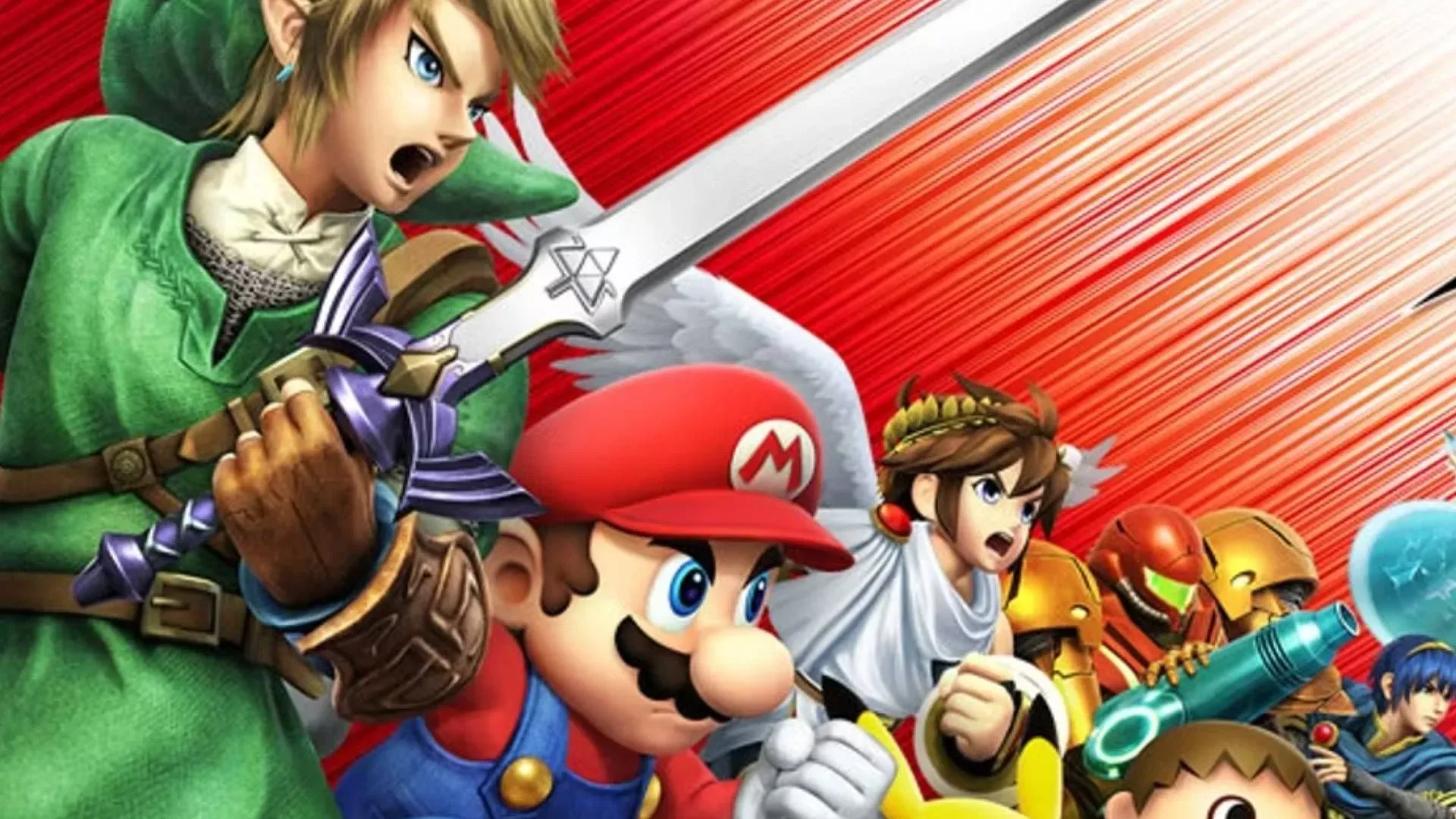
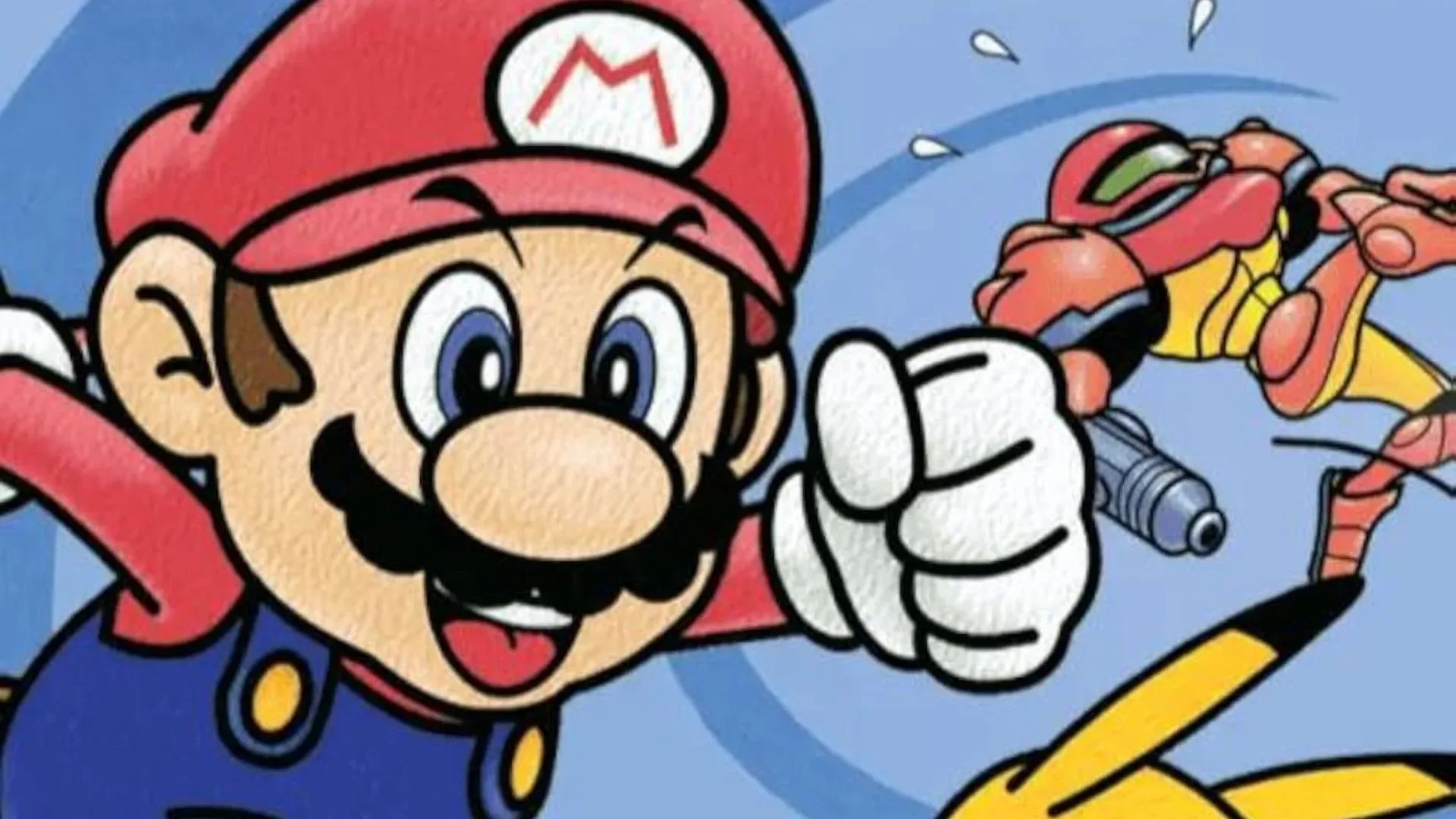
Mario, Link and Pikachu throwing hands sounds like the part of Super Smash Bros. that should sell itself. Masahiro Sakurai’s recent reflection suggests the harder sell was everything that happened after the first punch.
The series creator has described the original game’s rule set as a difficult concept to explain internally because it deliberately declined to follow the model that many people associated with fighting games. Rather than a straightforward contest built around guards, attacks, special moves, depleting an opponent’s energy and ending with a conventional knockout, Smash Bros. was designed around accumulating damage and using positioning to send rivals out of the arena.
That distinction now feels fundamental to the series’ identity. At the time, though, it meant asking people to judge a fighting game by standards different from the established language of Street Fighter II, Virtua Fighter and Tekken. Sakurai’s comments are a useful reminder that a game can look instantly legible on the surface while its central design idea remains surprisingly hard to communicate.
The rule change was the pitch
Sakurai framed the issue with a hypothetical: imagine Smash Bros. using the familiar one-on-one structure of guard, attack and special attacks, with a depleted energy meter producing a knockout and ending the match. In his view, the original game likely would not have been released in that form.
That is a striking claim because it puts the unusual rules ahead of the crossover appeal. The characters may draw attention, but the systems determine whether the game has a purpose beyond seeing recognizable figures share a screen. Sakurai said a version closer to Street Fighter or Tekken risked being treated as a novelty rather than becoming something with lasting appeal.
The word novelty matters here. A novelty can be immediately amusing because of its premise, but it does not necessarily provide a reason to keep returning once that premise is understood. Sakurai’s account presents the original Smash Bros. as an effort to ensure its appeal was mechanical, not merely character-driven. The famous faces could get players interested; damage accumulation and stage positioning were intended to make the matches compelling.
Damage accumulation and positioning, explained
In Sakurai’s description, two linked ideas define the intended hook: accumulated damage and positioning.
- Damage accumulation means that damage is not described simply as a shrinking path toward an immediate KO. It builds over the course of a match and changes the stakes of later exchanges.
- Positioning means where a fighter is located matters enormously. A player’s relation to the stage, its boundaries and the opponent can be as decisive as landing an attack.
Together, those ideas shift the focus of a fight. The question is not only, “How much health does the other character have left?” It is also, “How vulnerable is this character to being sent away from the safe space of the stage?” That is an understandable rule once it is experienced, but it is not necessarily easy to summarize in a meeting—particularly when the dominant comparison points use a different win condition.
Related coverage includes Masahiro Sakurai Says Explaining Smash Bros.' Unusual Fighting Rules Was a Major Challenge.
This is also why calling Smash Bros. “a fighting game with platformer-inspired ideas” is more useful than treating it as a standard fighter wearing Nintendo costumes. Sakurai’s recollection places movement through space at the center of the design. Players are not only contesting attacks and defense; they are continually negotiating where the confrontation is taking place and what an opponent can do with the available space.
Why familiar labels can get in the way
New games often need a familiar genre label so audiences and development teams have a starting point. The problem is that labels bring expectations with them. Calling something a fighting game can immediately suggest a particular set of rules: a life bar, familiar defensive options, special inputs and a KO once an energy reserve reaches zero.
Sakurai said that some people at the time criticized the game because they could not embrace how different it was from Street Fighter II and Virtua Fighter. That response does not mean the criticism was irrational. Those games supplied a practical frame of reference, and Smash Bros. was departing from it on purpose. But it illustrates how a comparison can obscure the thing it is trying to explain.
When a project does not have a close precedent, its creators face a double challenge. First, they must decide what the new idea actually is. Second, they must find language, prototypes or demonstrations that make the idea understandable to others before the finished product exists. Sakurai called intentionally adding ingenuity difficult, stressing both the lack of earlier examples and the importance of deciding how to move toward the desired result.
That is less a claim that originality appears from nowhere than an account of design discipline. “Different” on its own is not a useful direction. The team still needs to identify the intended player experience, recognize which mechanics support it and avoid drifting back toward the better-known template merely because the template is easier to explain.
Smash Bros. had to be understood on its own terms
The original game stood apart within the fighting-game landscape, and the series still retains that separate identity even if it is no longer as singular as it once was. Its legacy has made its approach easier to recognize, while other games have explored adjacent territory. Yet historical familiarity can erase how unconventional a successful idea looked before it succeeded.
Sakurai’s comments push back against the assumption that the path from concept to classic is obvious in retrospect. Today, “damage percentage” and stage control are closely associated with Smash Bros.. In the early pitch, however, explaining why those mechanics should replace the conventional health-bar logic was apparently one of the project’s core obstacles.
There is a broader practical lesson for game teams, though it should not be mistaken for a formula: a pitch built around an unusual system needs to articulate what players will feel, not only list its deviations from existing games. “It is not like Street Fighter” tells people what has been removed. Sakurai’s emphasis on the fun of accumulated damage and positioning points toward the more important explanation—what the replacement creates.
That same problem remains relevant to modern fighting-game technology and design conversations. Tools may be built around the demands of the genre, but technology alone does not define the rules that make a game distinctive. Recent discussion of fighting-game engine demands underscores how much precision the genre expects; Sakurai’s recollection highlights a separate question of what, exactly, that precision is meant to serve.
The enduring value of a clear design conviction
Sakurai said he made the game with confidence that its particular ingenuity and gameplay hooks would be enjoyable. Confidence should not be confused with certainty that everyone will understand a new concept immediately. His account includes resistance from people who preferred the established rules, as well as the difficulty of aligning staff around an unfamiliar target.
What it does show is the value of a specific conviction. The original Super Smash Bros. was not simply trying to be different from landmark fighters. It was trying to create a combat game where accumulated damage, launch risk and control of space worked together as the central drama. The crossover cast made that proposition inviting, but the rule set gave it a reason to exist.
For players, that history offers a useful way to look at the series: not as a conventional fighter that bent a few rules for spectacle, but as a design that treated the arena itself as part of every exchange. For developers, it is a reminder that the most difficult idea to pitch may be the one that later seems inseparable from the finished game.