Masahiro Sakurai has said he is not yet ready to retire from game development, framing the decision around whether there is still demand for the work he can do. But his comments carry an important qualification: the pace he is maintaining is not one he presents as healthy or worth copying.
Speaking at the Famitsu 40th Anniversary Festival in remarks translated by Genki_JPN, the Super Smash Bros. and Kirby creator said he remains at “full throttle.” He explained that he would not consider stepping away so long as people want him to make games and he can meet that demand.
That is a hopeful answer for players who associate Sakurai with some of Nintendo’s biggest series. It is also a sobering one. Sakurai said some parts of his body are declining and that his eyes tire more easily. Asked whether it is acceptable for him to keep up this workload, he reportedly answered that it is “certainly not the case.”
In other words, this was not a triumphant declaration that relentless work is the secret to making great games. It was a candid acknowledgement of an unsustainable tension: a creator feels a responsibility to an audience and an industry, while the physical cost of continuing becomes harder to ignore.
“Semi-retired” never meant fully finished
Sakurai described himself as “semi-retired” in 2022. The term can sound contradictory, particularly when applied to someone whose name remains closely tied to major releases and projects. His subsequent activity illustrates the more practical meaning: he may no longer be committing to an uninterrupted, permanent development role in the conventional sense, but he has not left creative work behind.
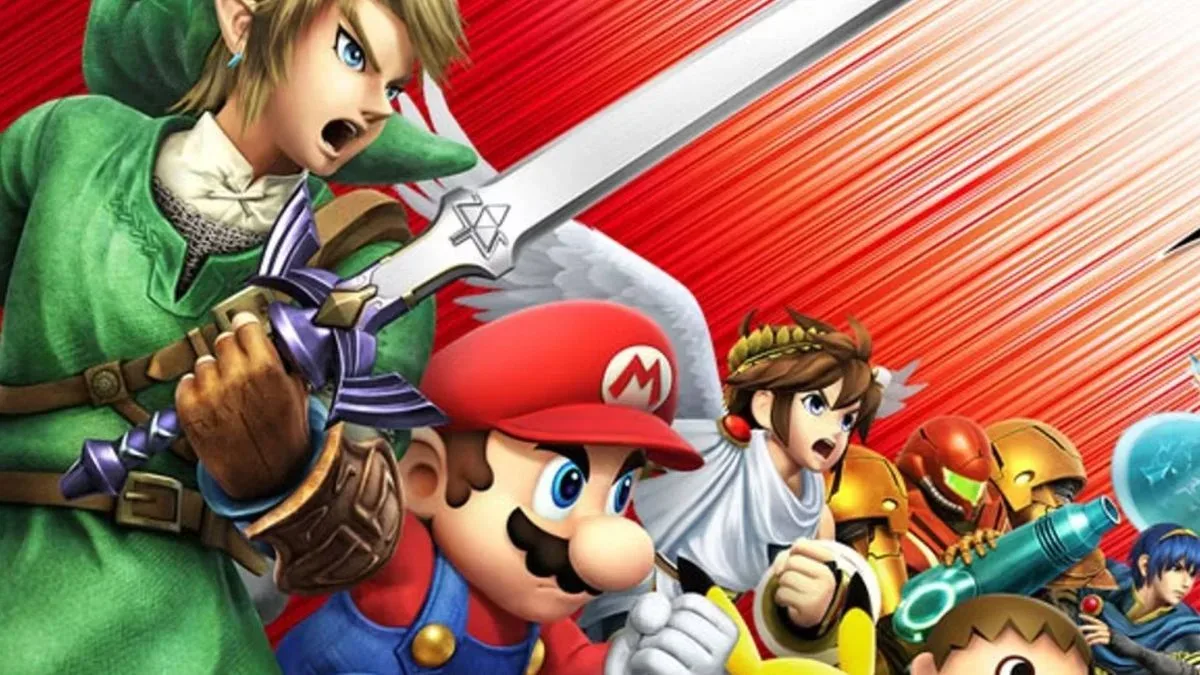
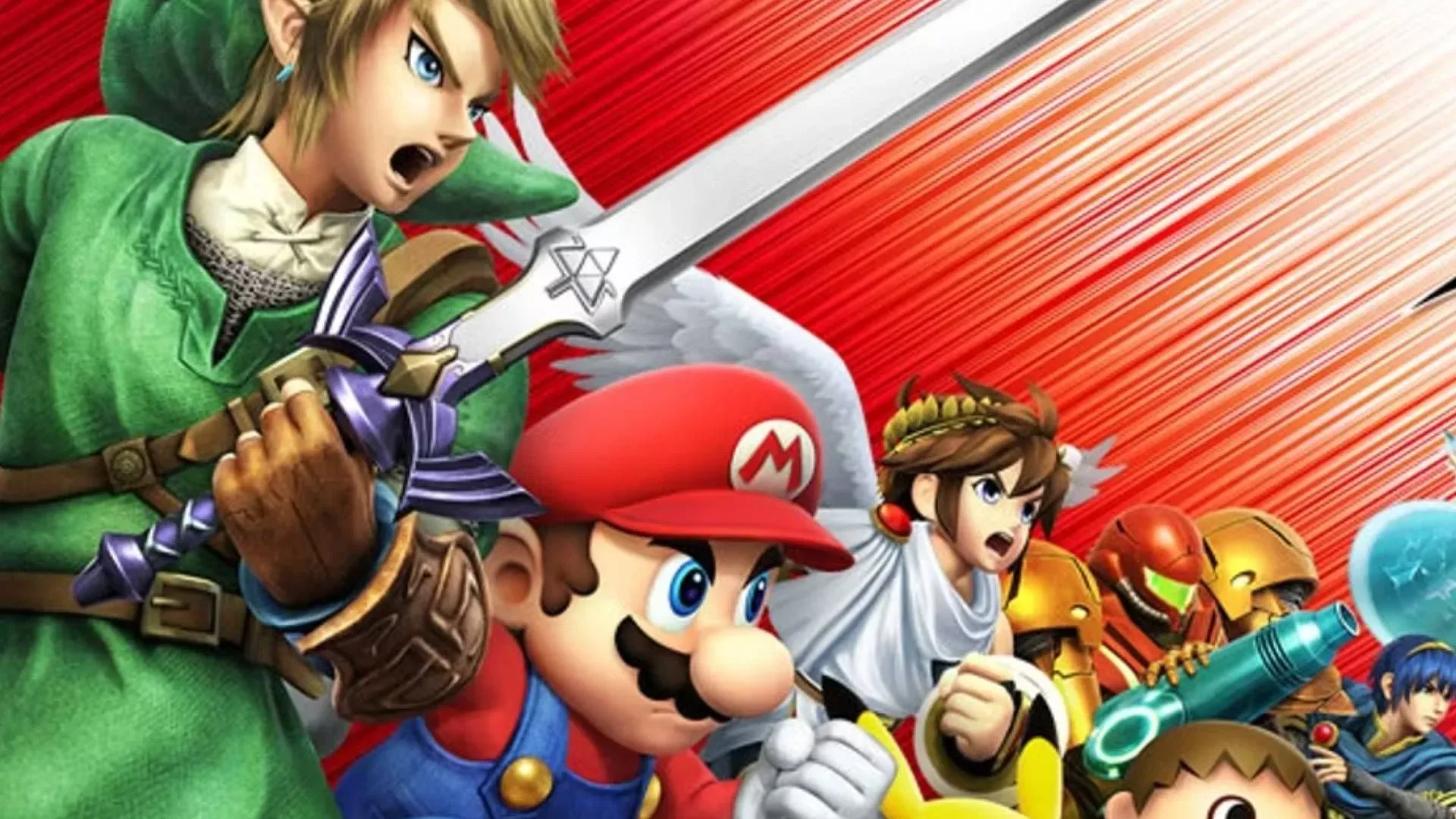
His long stretch on Super Smash Bros. had already been unusually demanding. Development beginning with Super Smash Bros. for Wii U and Nintendo 3DS in 2012 ran through the completion of Super Smash Bros. Ultimate downloadable content, with Sora arriving as its last fighter roughly a year before Sakurai made the semi-retirement comment. That represents about nine years of continuous work on the fighting-game series.
For context, downloadable content, commonly shortened to DLC, is post-launch material added to a released game. In Ultimate, the final DLC fighter marked more than the end of a content schedule; it closed a particularly extended period of production for a game built around an enormous roster and ongoing additions.
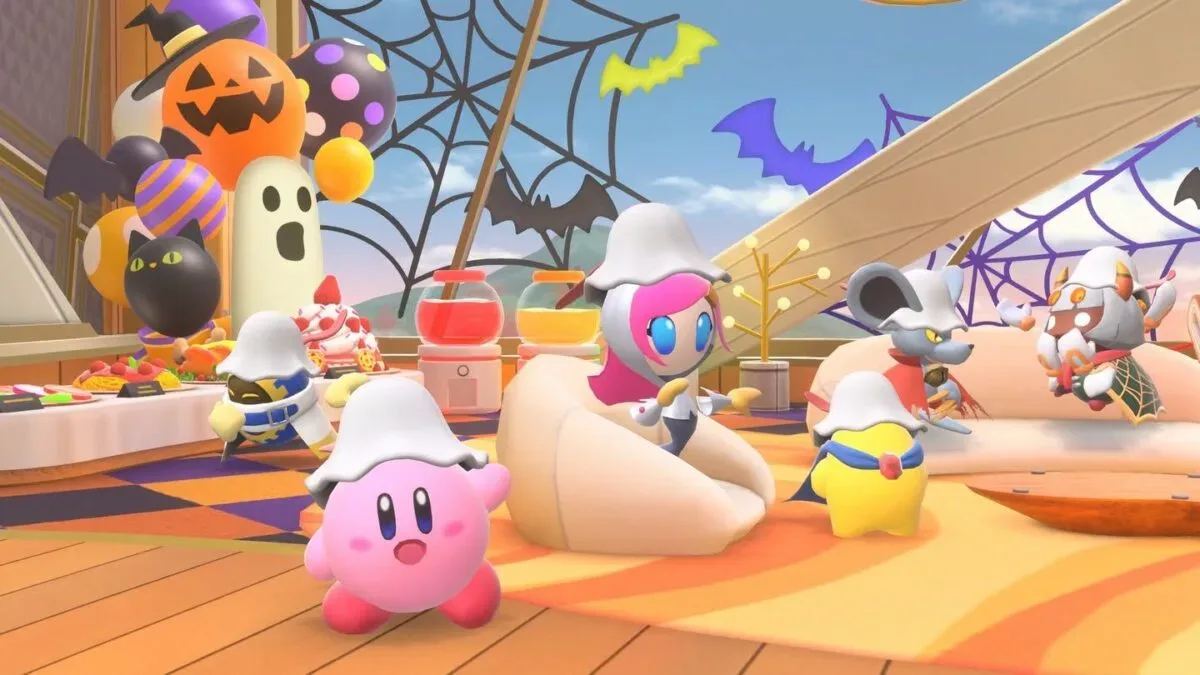
After that chapter, Sakurai ran a YouTube channel for two years and went on to make Kirby Air Riders, a Nintendo Switch 2 exclusive released a year ago. The sequence matters because it makes clear that “semi-retired” has not meant withdrawing from public or creative life. It has meant changing the shape of that involvement, even if the workload has evidently remained formidable.
Related coverage includes Masahiro Sakurai Says He Is Still Working 'At Full Throttle' Despite Retirement Questions.
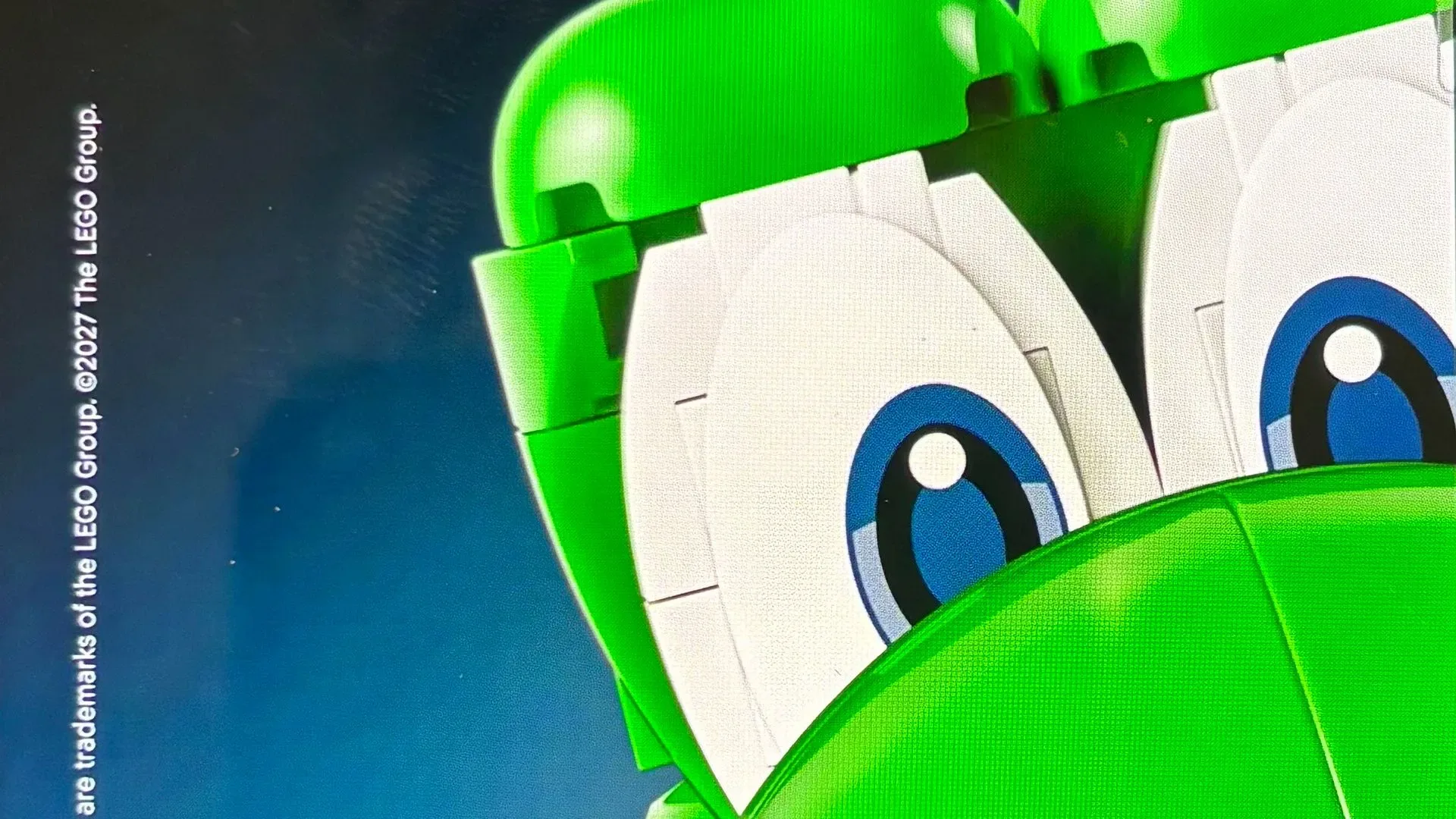
For Nintendo fans tracking the company’s wider slate, Sakurai’s comments are separate from any confirmed product reveal. There is no announced new Super Smash Bros. project in these remarks. The continued interest around Nintendo-related projects is evident elsewhere too, including LEGO’s tease of a large adult Yoshi display set, but it should not be treated as evidence about Sakurai’s next game.
Demand is not the same thing as a duty to endure
The most striking part of Sakurai’s answer is that it resists a clean, celebratory retirement narrative. He did not say that he is continuing because he feels perfectly able to do so. Instead, he linked his decision to demand and to what he believes he can still contribute.
He also raised a harsher question: when his spirit might break. That wording puts the issue beyond scheduling or ordinary professional fatigue. Creative work requires judgment, concentration and enthusiasm as much as hours. Once a developer is operating with persistent physical pain, eye strain, or a sense that emotional reserves are being depleted, the work’s human cost cannot be separated from its output.
Sakurai has previously worked through calcific tendonitis during the long Super Smash Bros. development cycle. Calcific tendonitis is a condition involving calcium deposits in or around a tendon and can be painful. The relevant point here is not to diagnose or speculate about his current health, but to recognize the history he referenced: physical difficulty did not automatically lead him to stop working.
That history helps explain why his current comments should not be reduced to “he is still busy.” They are a warning against confusing persistence with proof that a pace is reasonable. A respected creator can feel committed to players, colleagues and the medium while still conceding that the conditions under which they are operating are not ideal.
A personal ethic, not a recommended model
Sakurai said he is always considering what he can do for the games industry. That sentiment reflects a creative ethic built on responsibility: if he believes he has something useful to offer, he wants to offer it. It is easy to understand why admirers might find that dedication inspiring.
Yet his own comments place a limit on that interpretation. He did not endorse the workload as a standard for other developers. The important distinction is between valuing care, craft and commitment on one hand, and treating self-erasure as a necessary condition of meaningful work on the other.
Game development is a collaborative discipline, not an individual endurance event. A game director or designer can provide a strong point of view, but games are made by teams with specialists across art, programming, design, audio, production, quality assurance and many other areas. The idea that a major series must always be carried at maximum intensity by one person can create unhealthy expectations for the creator and obscure the contributions of everyone around them.
Sakurai’s remarks do not offer a blueprint for how studios should be staffed or managed, and they do not disclose the working conditions of any specific team. They do, however, provide a useful reminder for audiences: fan enthusiasm has consequences when it becomes an assumption that favorite creators must remain available indefinitely.
There is nothing wrong with wanting more games from a creator whose work matters to you. The problem comes when that wish is reframed as an obligation for a person to continue regardless of health, energy or personal limits. Sakurai’s answer accepts the existence of demand without pretending demand settles every other question.
One responsibility has already been set down
There is one concrete change that may reduce Sakurai’s commitments. He recently stepped down from his Game Designers Award after 16 years because a successor could not be found. While it is disappointing that the role could not be handed over immediately, leaving it behind should at least remove one longstanding responsibility from his schedule.
The detail is significant because workload is rarely a single switch. A person may not be able to instantly stop making games, especially when projects and commitments are still underway, but shedding recurring obligations can create meaningful space. It is a modest sign that “full throttle” does not have to mean holding every role forever.
It also underlines a broader succession problem. When a role depends heavily on one person for many years, finding someone prepared to take it on can be difficult. That challenge is not proof that the departing person must remain in place; if anything, it shows why institutions and industries need ways to distribute knowledge and responsibility before one individual reaches their limit.
What fans should and should not read into the comments
The practical takeaway is straightforward. Sakurai has said he does not currently see retirement as the right move while demand remains and he can respond to it. He has also been plain that his pace carries real strain, including easier eye fatigue and concerns about whether continuing in this way is okay.
That leaves plenty unknown. No specific next game was confirmed. No new Super Smash Bros. title was announced. There is no basis in these remarks to predict a timetable, platform plan, team structure or any particular feature. Treating a statement about ongoing work as a promise of a particular project would go beyond what was said.
What is clear is more human than speculative: Sakurai still wants to contribute, knows that audiences still want his work, and does not disguise the burden that comes with meeting those expectations. The best response to that honesty is not to demand an endless sprint. It is to appreciate the work already made, allow room for limits, and wait for confirmed news rather than asking one creator to carry every hope for a future game.