Grant Morrison has delivered a decidedly mixed assessment of Supergirl: praise for its lead, a harsh verdict on Jason Momoa’s Lobo, and a story-logic objection aimed straight at the film’s second act.
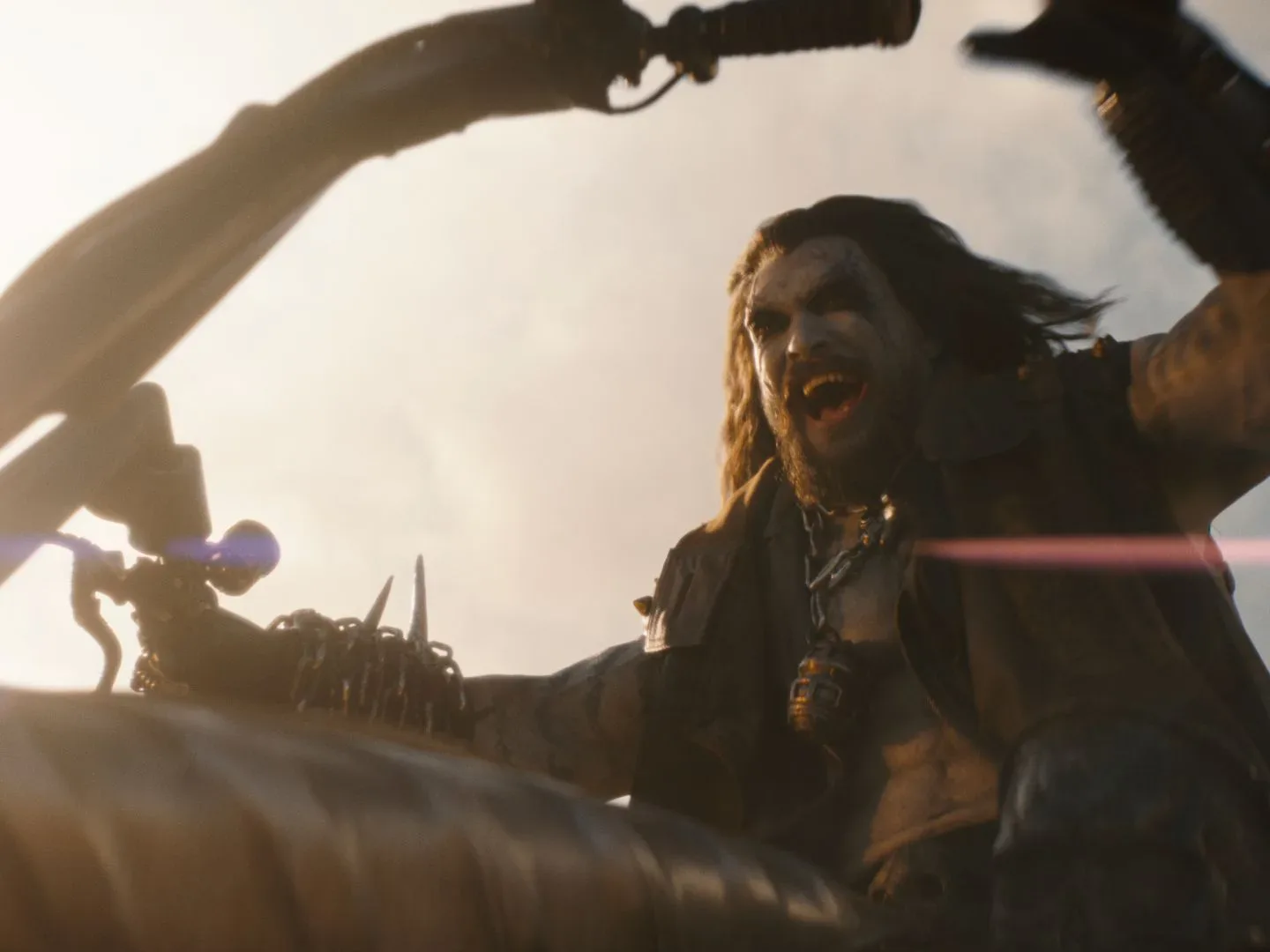
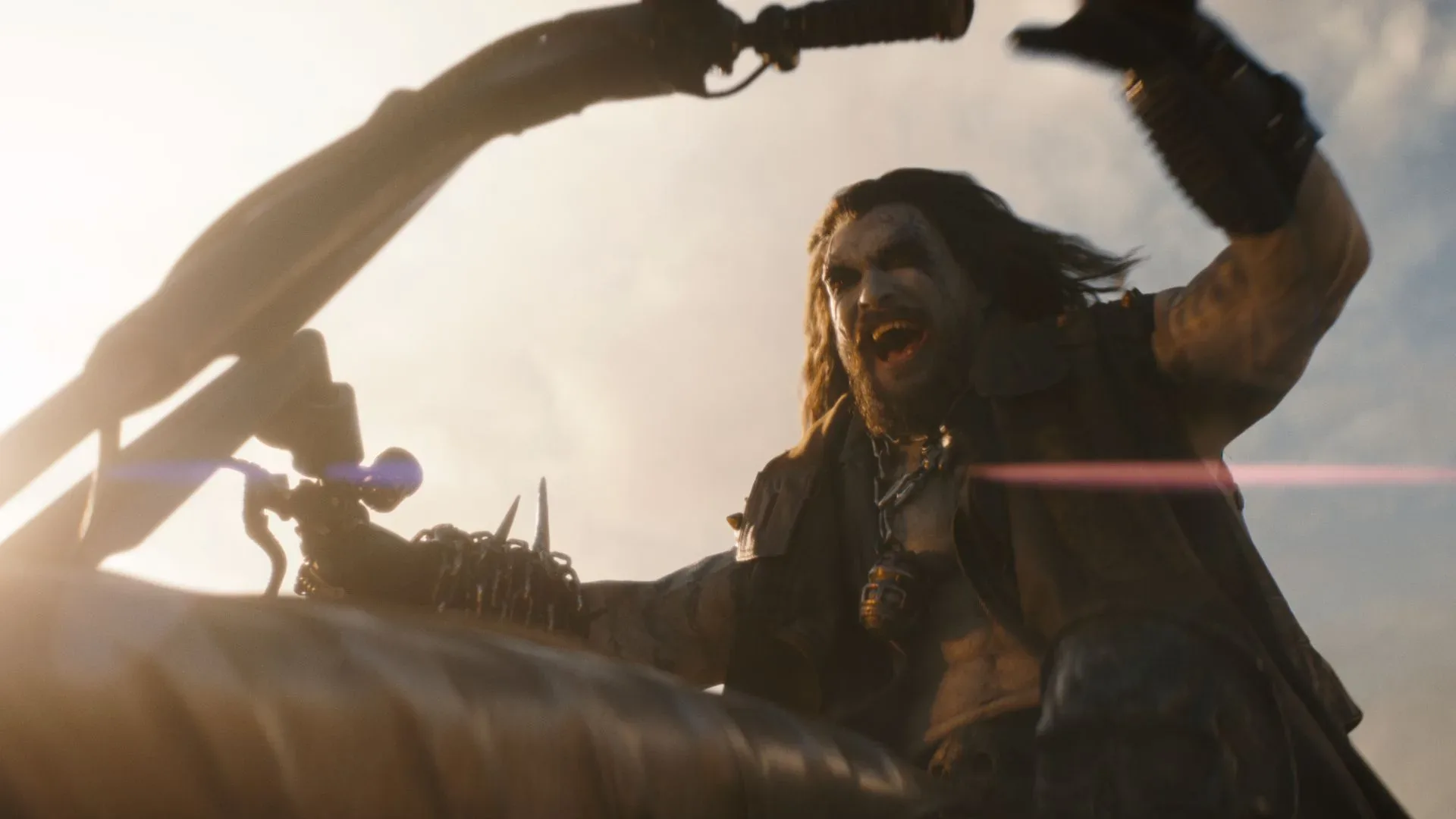
Morrison said Milly Alcock handled the title role credibly and that the film’s most affecting material belonged to her. But their response to Momoa’s turn as the motorcycle-riding mercenary was far less charitable. Morrison said they had expected the part to suit Momoa especially well, making their disappointment all the more striking.
“It was, in fact, one of the worst performances I've ever seen in a film and quite baffling, as I know Momoa's not usually that bad and Lobo seems like a character made for him to play. Go figure.”
That is an unusually blunt judgment, even allowing for the deliberately large, unruly character at its center. Morrison’s objection is not that Momoa was miscast in the superficial sense: they explicitly say Lobo appeared to be a natural match for him. The complaint is that the on-screen result did not capitalize on that apparent compatibility.
A split verdict on Supergirl’s cast
Morrison did not dismiss the entire cosmic adventure. Their overall view was that it was neither terrible nor especially great, and they singled out Alcock’s scenes as the strongest and most emotionally resonant parts of the picture.
That distinction matters. A negative assessment of a superhero film can easily flatten into an all-or-nothing declaration, particularly when a recognizable supporting character becomes a lightning rod. Morrison instead separates their response to the lead performance from their response to Lobo, giving Alcock clear credit while questioning why a seemingly inspired piece of casting did not land.
Momoa’s Lobo is a major enough presence that a viewer’s reaction to the performance can change the temperature of the whole film. Lobo is described here as a mercenary, and a character built around that kind of chaotic, outsized energy needs to serve more than surface attitude. The performance has to work inside the story’s stakes and alongside Supergirl herself. Morrison’s reaction suggests they did not feel that balance was achieved.
The Krypto issue Morrison cannot unsee
More consequentially, Morrison argues that the film’s plot supplies its own shortcut around a central problem. Their criticism concerns Krypto, the dog at the heart of the chase, and a toxin requiring an antidote. In Morrison’s reading, Supergirl could have avoided much of the pursuit by taking Krypto to a world with a yellow sun.
“All Supergirl had to do was bring Krypto with her to that yellow sun world, and the sun's rays would have made the dog invulnerable again, easily able to shake off any toxin.”
The point is based on the story’s own stated power logic: yellow-sun rays would restore Krypto’s invulnerability. If that restoration also lets the dog overcome the toxin, then the urgent hunt for the antidote is no longer necessary. Morrison’s argument is that this leaves the chase after Krem of the Yellow Hills, described as a Romanian gangster, without a persuasive dramatic need.
In screenwriting terms, this is a plot hole: an apparent contradiction or overlooked solution that makes events feel less necessary than the script presents them. The label can be overused online, since a character failing to choose the audience’s preferred option is not automatically a plot hole. Here, however, Morrison is making a more specific claim. They are not merely proposing a clever alternative; they contend that the movie has already established the alternative’s essential ingredients: Krypto, a yellow-sun world, and the restorative effect of its light.
Whether every viewer accepts that interpretation depends on details not addressed in Morrison’s comments. For example, the supplied account does not establish any limitation on travel, timing, exposure to the yellow sun, or the toxin itself. Those could potentially affect the answer, but they cannot be assumed. Based on the logic Morrison outlines, the criticism is clear: the second act is built around solving a crisis when the heroes may already possess a direct route to neutralizing it.
Why power rules matter in superhero stories
Superhero fiction can accommodate spectacular abilities, alien biology, impossible travel, and cosmic settings. Its credibility does not require real-world science. It does require consistency with the rules the story chooses. Once yellow-sun radiation is presented as a meaningful source of strength and invulnerability, it becomes a tool audiences will expect characters to consider when they face a threat.
That is especially important when a film turns on a rescue mission. The audience needs to understand why the heroes cannot take the most obvious route. A limit can create suspense: perhaps a location is inaccessible, a power is unavailable, or using it would make the danger worse. Without a stated limit, the route can look like an unintentional escape hatch, and each additional scene spent pursuing another solution can invite the question Morrison raises.
This is not simply continuity trivia. It affects character agency. When a protagonist overlooks a solution that appears readily available, viewers may read the character as less capable, or the screenplay as forcing them into a sequence it wants to stage. Morrison’s reaction identifies precisely that friction in Supergirl: the pursuit of Krem and the antidote is meant to carry the film forward, but the yellow-sun option makes the pursuit feel avoidable on reconsideration.
For fans who enjoy pulling apart fictional systems, this is also the sort of complaint that grows after a viewing rather than during it. The first watch is usually powered by momentum, performance, and immediate stakes. On a rewatch, viewers have more room to test the chain of cause and effect. Morrison’s wording—that the plot falls apart in Act 2—frames the Krypto question as a structural problem rather than a single stray inconsistency.
A setback, not the end of the DCU conversation
Supergirl reportedly brought in $125 million worldwide and met a lukewarm reception from critics and audiences. Morrison’s comments add a high-profile creative voice to the conversation around why the film failed to connect more strongly, though their remarks remain an individual critical view rather than a comprehensive explanation of its box-office result.
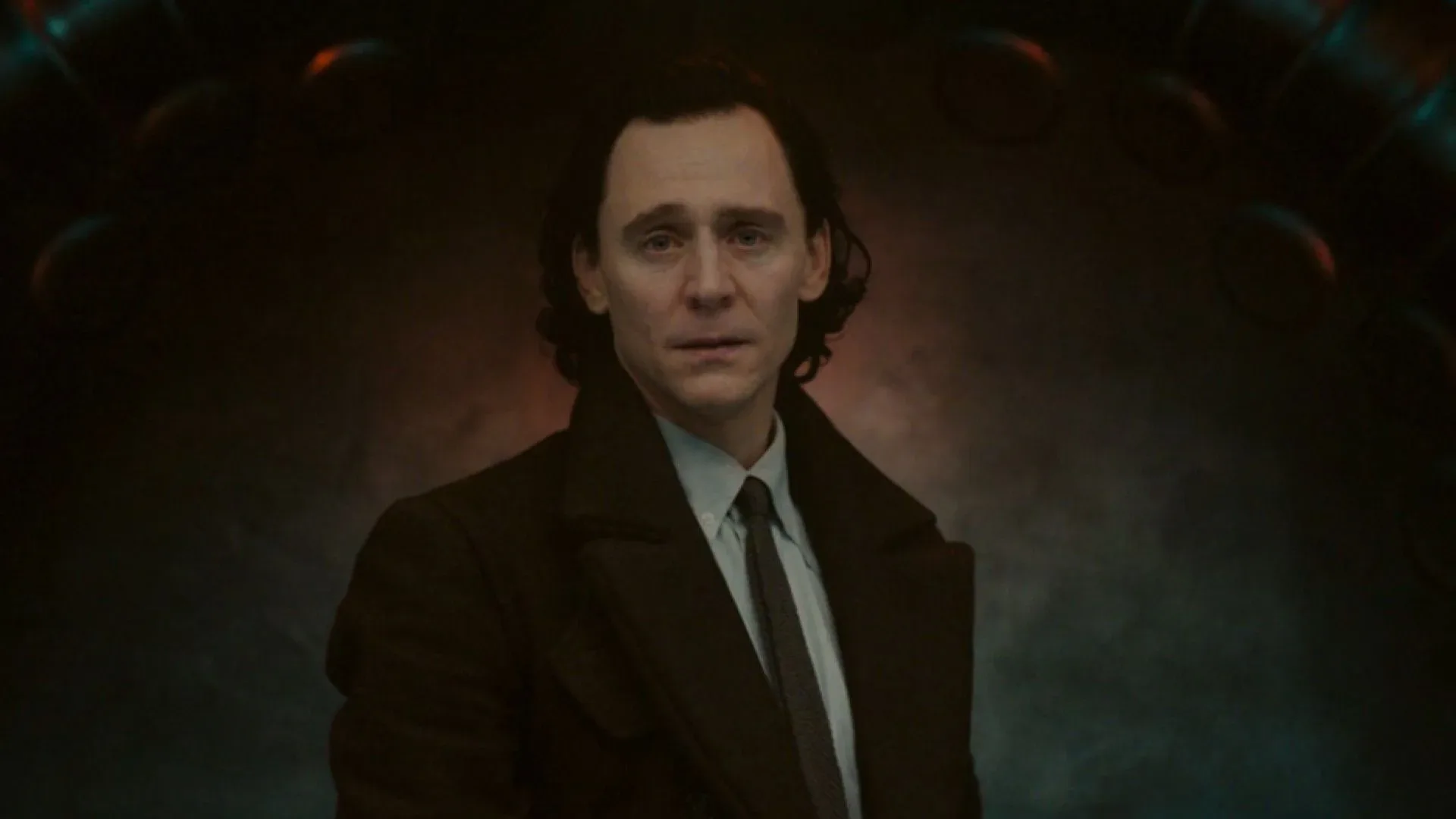
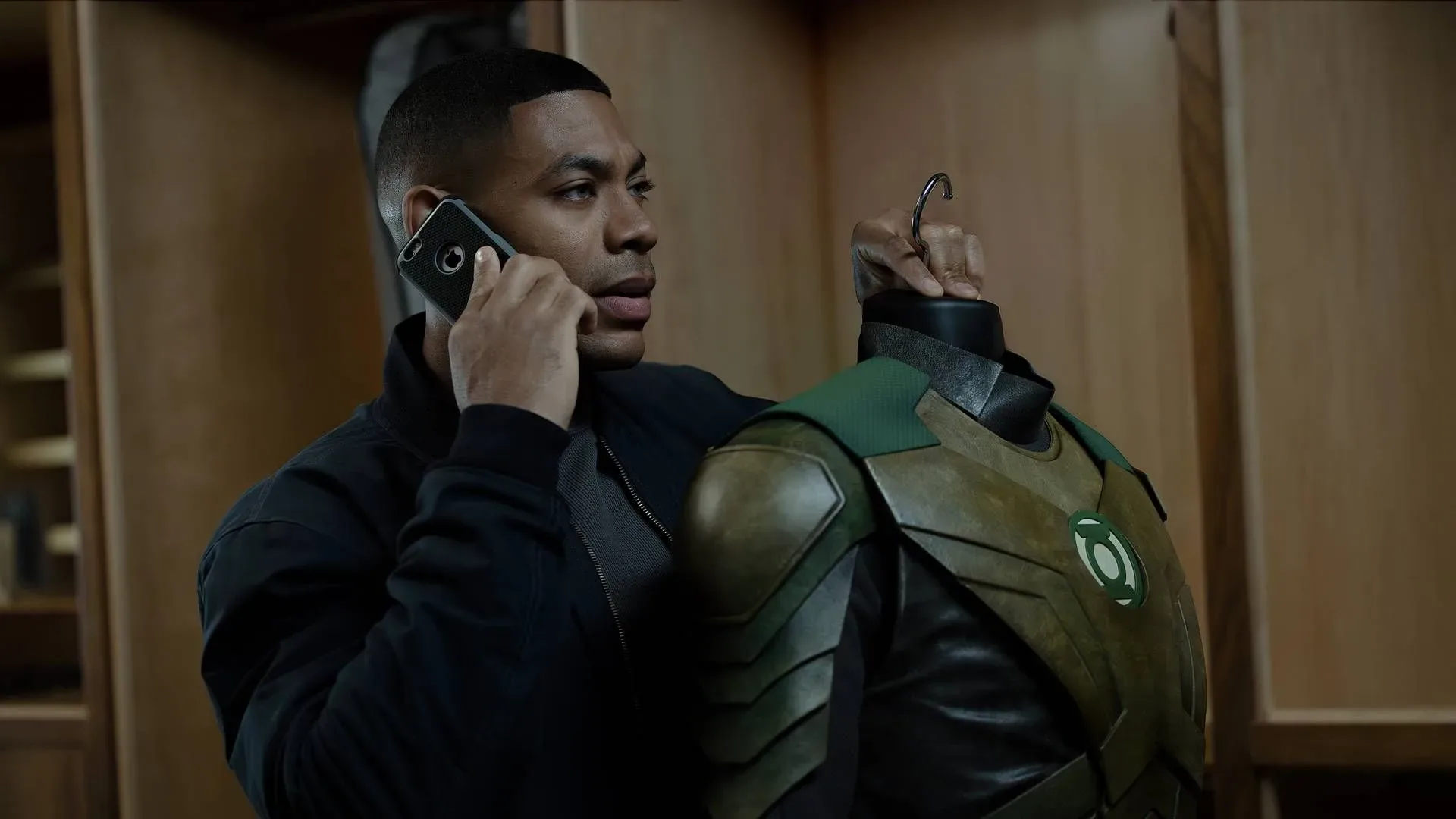
The broader DCU slate is already moving on. Lanterns is nearing its season finale, while the body-horror film Clayface is positioned as a possible cinema surprise in October. Next year’s Man of Tomorrow is set to bring back David Corenswet as Superman and Nicholas Hoult as Lex Luthor, with Supergirl and John Stewart also among the returning or featured DC heroes.
That makes Morrison’s criticism relevant beyond one contentious supporting performance. Supergirl remains part of the larger shared-universe plan, even after a disappointing standalone outing. The task for future appearances will be straightforward in principle and difficult in practice: retain what worked around Alcock’s version of the character, while making the story rules and dramatic choices feel sturdy enough to survive the inevitable fan replay.
Shared-universe superhero stories are particularly exposed to this kind of scrutiny because each new project asks viewers to retain a growing catalog of characters, powers, and prior events. A film does not need to answer every hypothetical. But it does need to make its key problems feel like problems. Morrison’s yellow-sun question is memorable because it goes directly to that basic bargain: if Krypto can be restored so simply, why does the movie make everyone take the longer road?
For more on the pressures facing interconnected comic-book storytelling, see how one proposed Marvel return could put strain on a multiverse finale.