DC’s latest convention slate is a broad one: a murder mystery aimed straight at Bruce Wayne’s civilian identity, the first major crossover for the Absolute Universe, a new wave of solo books, and a pronounced tilt toward occult horror. The announcements cover established headliners and characters who have spent far less time at the center of a line, with projects stretching from the imminent new Batman arc to books expected in 2027.
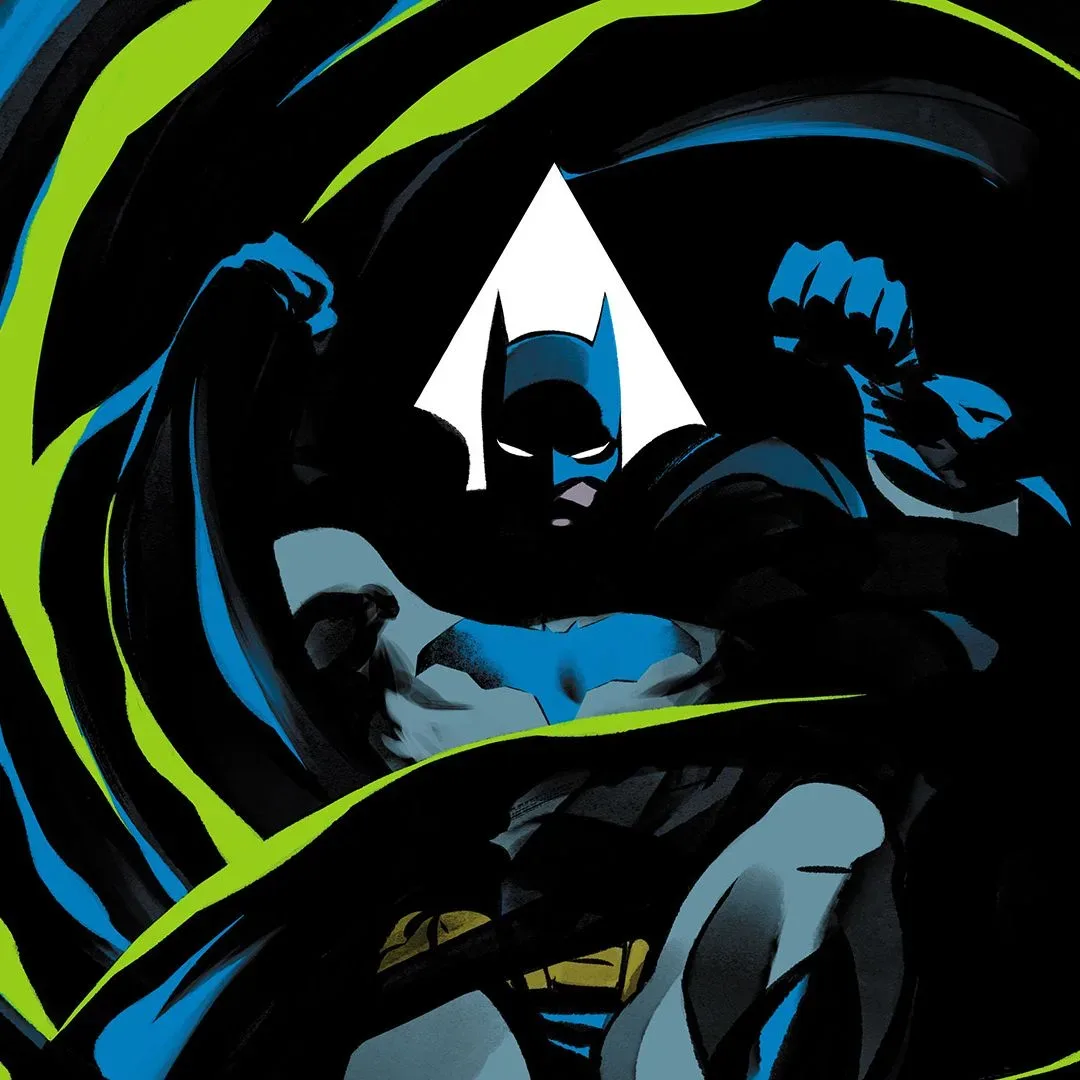
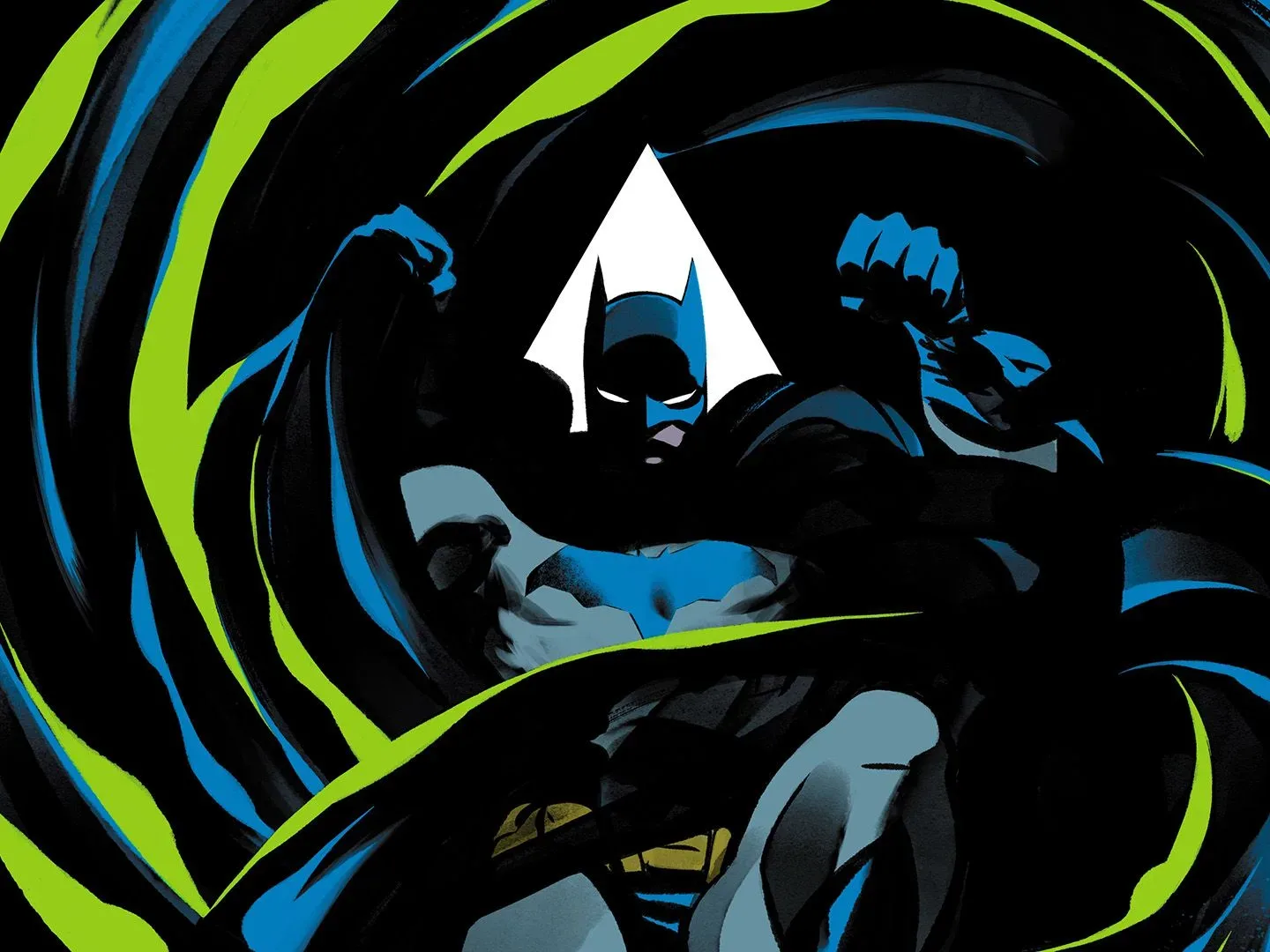
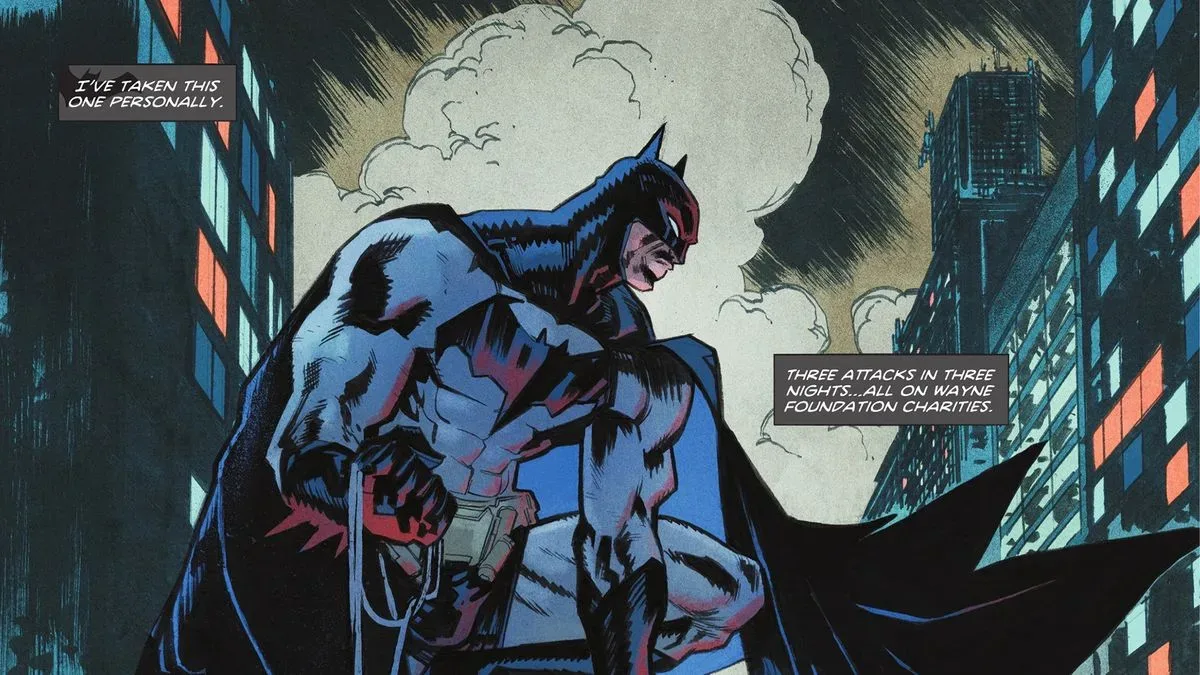
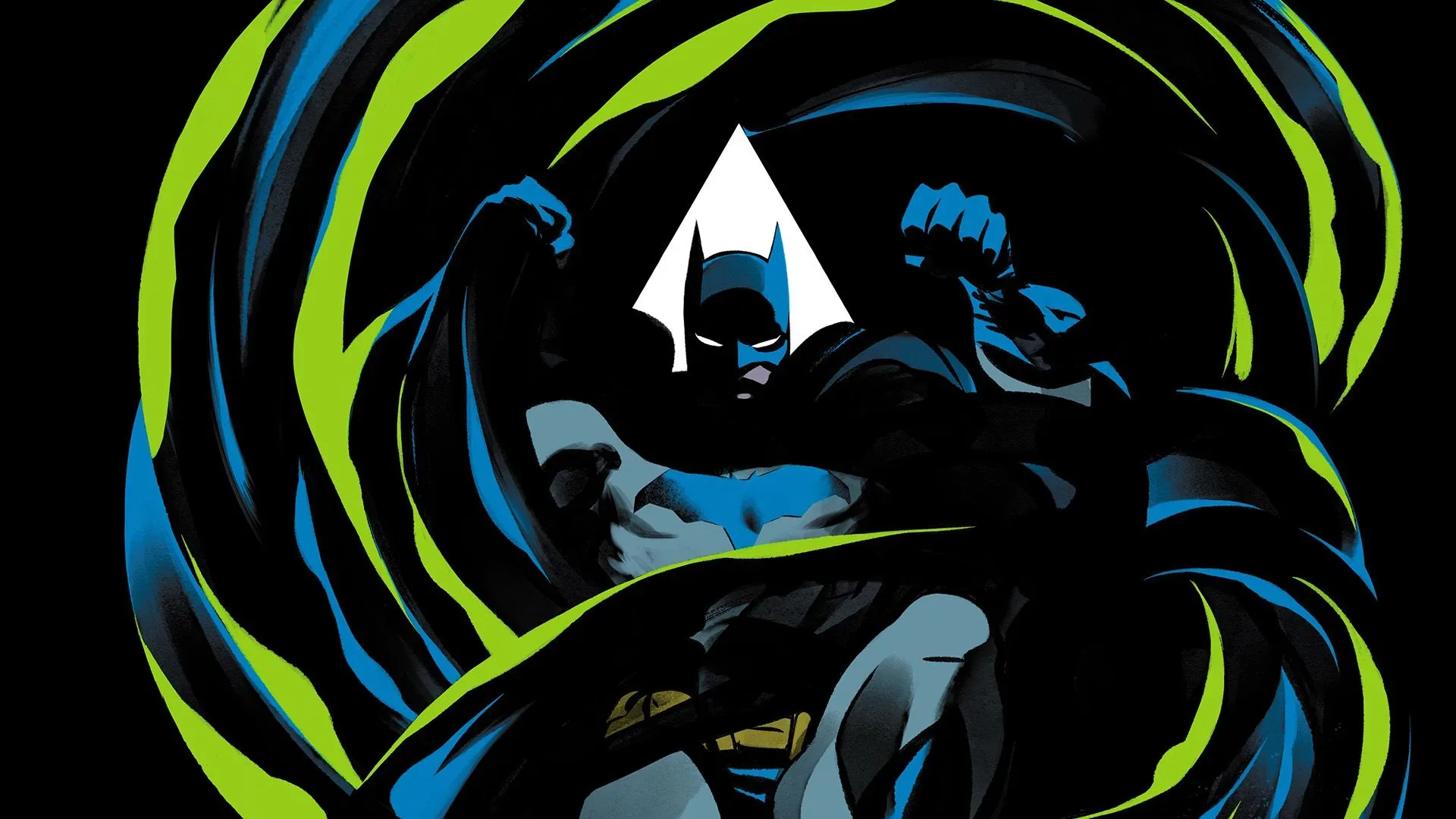
The most immediately eyebrow-raising premise is simple enough to fit on a Gotham City chalkboard: Bruce Wayne has been assassinated. In Batman #15, written by Matt Fraction with art by Jorge Jiménez, Batman investigates the death of his own public-facing identity. The issue is set for November 4, while December’s Batman #16 has been singled out as an especially important chapter.
That setup has a built-in comic-book paradox. Batman and Bruce Wayne are the same person, but Gotham’s citizens, criminals and institutions do not generally experience them that way. An investigation into Wayne’s killing can therefore put the detective in the unusual position of pursuing a crime against himself while preserving the separation between the man and the mask. The announcement does not explain the mechanics behind the apparent assassination, and that uncertainty is precisely what makes the premise a meaningful hook rather than a spoiler.
Batman books split between a central mystery and distorted Gotham
The core Batman series is not the only place Gotham will be examined. Batman – Shadow of the Bat, from the team behind Absolute Martian Manhunter, begins with an explosion at Ace Chemicals, the factory associated with The Killing Joke. The blast releases neuropharmacological agents across a Gotham neighborhood, which is then quarantined. Batman enters the sealed area to stop the possible creation of additional Jokers.
“Neuropharmacological” describes substances that affect the nervous system and brain chemistry. In the story’s announced context, it signals a threat that is not merely physical destruction: the contamination appears connected to psychology, perception or behavior. That makes the quarantine more than a standard disaster-zone backdrop. It creates a contained Gotham crisis where the city’s Joker mythology is treated as something that might spread, mutate or be manufactured. The series is expected in early 2027, though a specific date has not been provided.
Another early-2027 Batman project, Batman – Justice Year, will come from writer Joshua Williamson and artist Bruno Redondo. Its stated focus is the early career of the Caped Crusader and his first difficult dealings with Justice League members. This is a different kind of “early days” story from a pure origin retelling: the key tension is Batman’s place among peers, not simply his first patrols or first gadgets. No public launch date has been announced.
Superman’s publishing plans also received several additions. Xermánico is due to become the regular artist on Superman beginning with issue #43. Tom King and Mitch Gerads are collaborating on an unnamed Superman project, while Williamson and Dan Mora are attached to a forthcoming Superboy Prime special. The details are deliberately limited, but the combination signals continued investment in Superman material across ongoing and standalone formats.
Absolute Justice becomes the line’s major meeting point
The largest structural announcement is Absolute Justice, written by Jason Aaron and illustrated by Juan Ferreyra. It brings together the Absolute Universe versions of Batman, Superman and Wonder Woman for the line’s first major crossover. Martian Manhunter J’onn J’onzz assembles the heroes to oppose a corrupt Justice League made up of Joker, Dr. Elenore Thawne, Hector Hammond and Veronica Cale.
Related coverage includes DC's NYCC 2026 Reveals Include Bruce Wayne's Assassination, Absolute Justice, and New Solo Series.
A crossover is an event story designed to bring the casts or plotlines of separate books together. Here, it matters because the Absolute line has been developing alternate takes on familiar DC figures rather than simply repeating their standard-continuity roles. Absolute Justice makes the collision of those reimagined heroes into the premise itself. Calling the opposing force a corrupted Justice League also reframes a normally heroic institution as the obstacle, giving the title’s use of “Justice” an intentionally uneasy edge.
There is no release date in the available details, but the Absolute Universe expansion is planned for 2027. Readers following the individual books have several nearer-term markers to watch:
- Absolute Batman reaches issue #25 with Bruce Wayne recovering from his encounter with Scarecrow and preparing to face Joker again. Cliff Chiang will draw issue #26, a Barbara Gordon-focused installment, while regular artist Nick Dragotta sits that issue out. The title then pauses for one month and returns in January 2027.
- Absolute Superman is approaching the conclusion of its Brainiac storyline. Subsequent issues are planned to take Superman into space.
- Absolute Wonder Woman, written by Kelly Thompson, will introduce its version of Cheetah in issue #25. Artist Hayden Sherman also teased Silver Swan’s arrival a few issues later.
- Absolute Green Lantern is expanding to a 12-issue maxi-series. A maxi-series is a limited series with a longer, predefined run than a short mini-series; in this case, the stated commitment is 12 issues.
- Absolute Black Canary is planned as a one-shot drawn by Belén Ortega. A one-shot is a self-contained single issue rather than a continuing series.
The varying formats are worth noting. The line is using an event crossover, ongoing issues, a 12-part limited run and a one-shot rather than putting every character in an indefinite monthly title. For readers, that can make entry points clearer, although exact dates and issue-by-issue reading order for the larger 2027 plans have not yet been shared.
Starfire, Vixen and Static take the solo spotlight
DC’s Next Level announcements also make space for three heroes whose new books offer notably distinct creative directions. Starfire arrives in April 2027 from writer Alyssa Wong and artist Belén Ortega. Its description invokes Red Sonja and One Piece, a deliberately wide-ranging shorthand that suggests an adventure-forward blend of fantasy-inflected spectacle and pirate-era manga energy. It is only a pitch line at this stage, not a plot synopsis, but it clearly places the veteran Titan somewhere other than a routine team-book role.
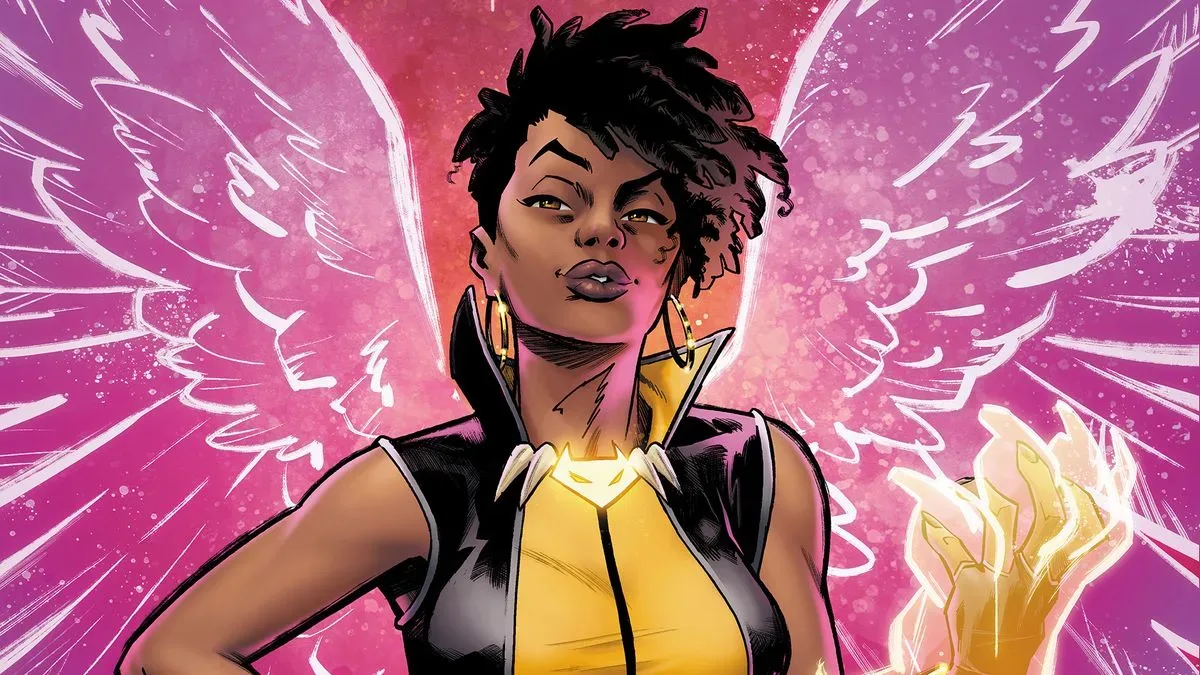
Vixen, by Stephanie Williams and Khary Randolph, is set in Detroit and centers on Mari McCabe. The creators have indicated that they want to give her a more distinctive identity, including modestly redefined powers, and have teased a romantic interest connected to the Bat-Family. The project has reportedly been in development for several years. The Detroit setting is one of the more concrete elements revealed so far; it should give the book a location-specific foundation instead of treating its hero’s environment as interchangeable superhero scenery.
Static will pair writer Cody Ziglar with artist Diego Olortegui. Ziglar’s stated goal is to return Virgil Hawkins to prominence, and Rocket will have a substantial role in the series. The mention of Rocket is important because it frames the book as more than a solitary relaunch. Static remains its focal character, but another hero is positioned to be a significant part of the narrative rather than a fleeting guest appearance.
These series are not interchangeable “secondary character” projects. Starfire has an announced launch month and an intentionally high-concept tonal description; Vixen has a named city and a stated character-redefinition goal; Static has an explicit aim of renewed prominence and a prominent supporting hero. That gives each title a separate reason to watch as further release and story details emerge.
Horror and magic widen the genre range
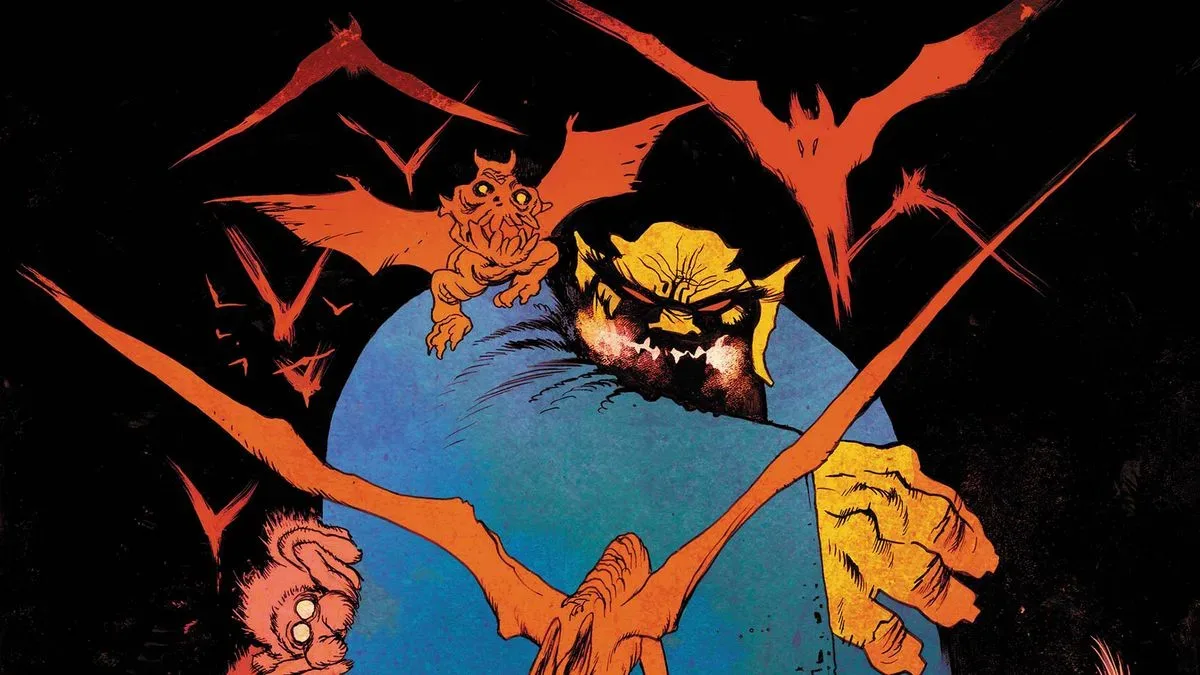
The supernatural side of the slate is equally active. The Demon launches October 27, with James Harren writing and drawing a new take on Etrigan and Jason Blood. Jason Blood is reimagined visually as a person who has lived for a century while struggling under his curse. The announced premise follows a lost wizard, described as a “mute face,” tortured by a voice from Hell, as Blood confronts whether he can safeguard the world and his own soul.
Harren handling both script and art gives the project a singular authorial setup: its visual and narrative choices are coming from the same creator. That does not reveal how the series will read, but it does distinguish The Demon from books with separate writer and artist roles.
The Swamp Thing: Hallowed Ground is a standalone release from writer Steve Foxe and artist Riccardo Federici. Plot specifics remain sparse, but the available preview material has pointed to a gnarly, gothic visual approach. It follows Swamp Thing 1989, which earlier completed Rick Veitch’s late-1980s run on the character. “Standalone” here means readers should not assume an ongoing commitment has been announced; it is being presented as its own release.
Jonah Hex and the Shadow of Death brings the gunslinger back in a six-issue limited series written and drawn by Michael Walsh. It is the first solo Jonah Hex book in a decade and finds the retired character drawn back into action when a sinister preacher arrives. Its announced horror-western tone has been compared to Hellboy and Unforgiven, which points to an intended mix of supernatural menace and a harsher Western atmosphere without giving away the book’s actual plot.
The mature-reader Black Label imprint will host two more supernatural-leaning projects. DC Black Label Presents Zatanna is a Zatanna one-shot by Terry and Rachel Dodson. Black Label books are aimed at mature readers and sit outside mainline continuity, meaning this story is not presented as part of the core shared timeline. Green Lantern: The Dying of the Light, by Jason Aaron and Tirso, likewise arrives through Black Label. It follows an older Hal Jordan imprisoned with a power ring whose energy is running out.
That latter premise pairs a familiar Green Lantern symbol with a finite-resource problem. A ring that is losing power turns the central tool of the character into an immediate source of pressure. It also creates a compact starting situation: Hal is older, imprisoned, and working with a diminishing means of escape or resistance.
With comics, screen stories and live experiences all competing for attention, fans of elaborate fictional settings may also be interested in a Los Angeles Dune experience built around props and worldbuilding. DC’s announced slate, however, is firmly about new reading material—and about offering several routes in, whether the appeal is Batman’s impossible murder case, an alternate-universe Justice League war, or swampy, demonic and Western horror.