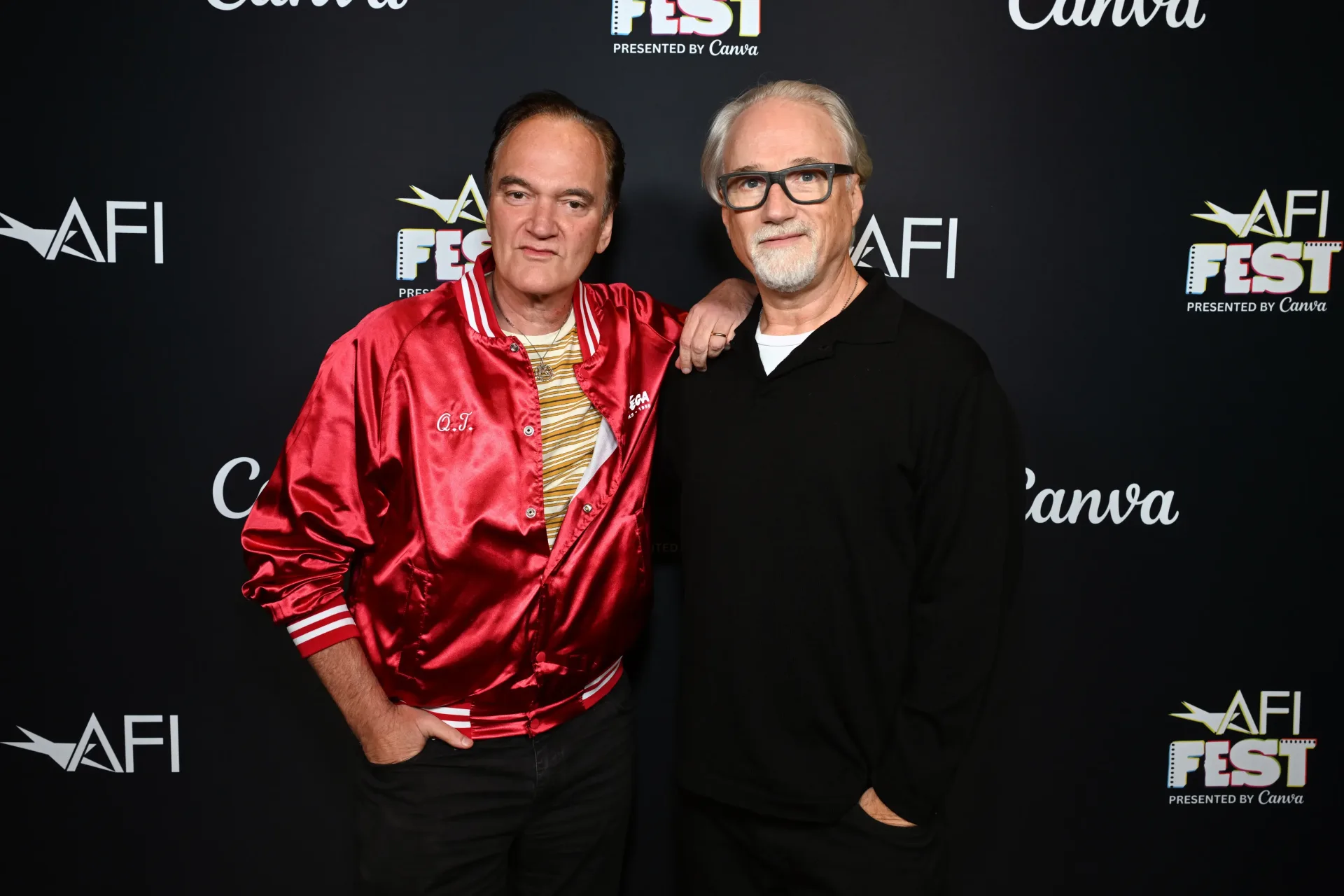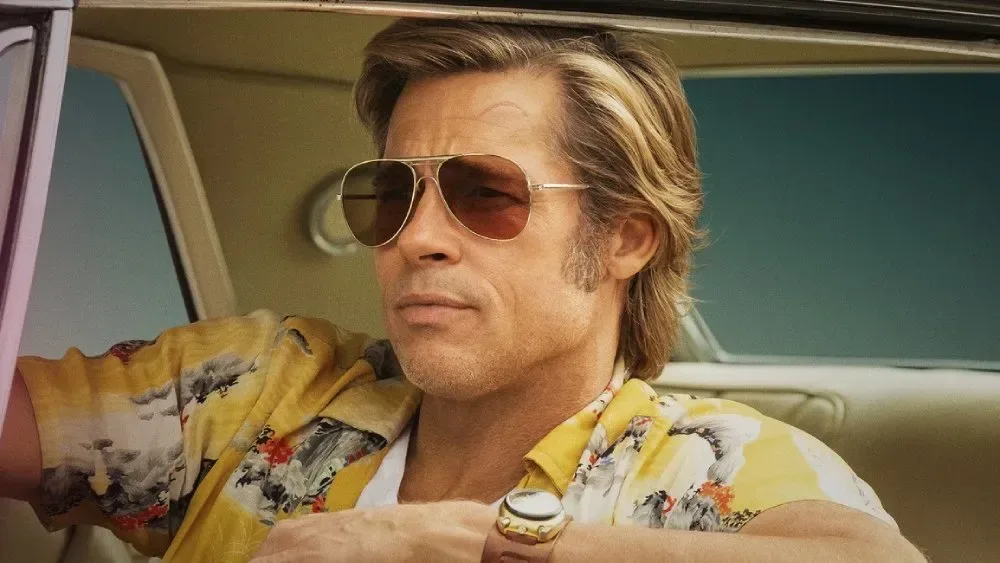
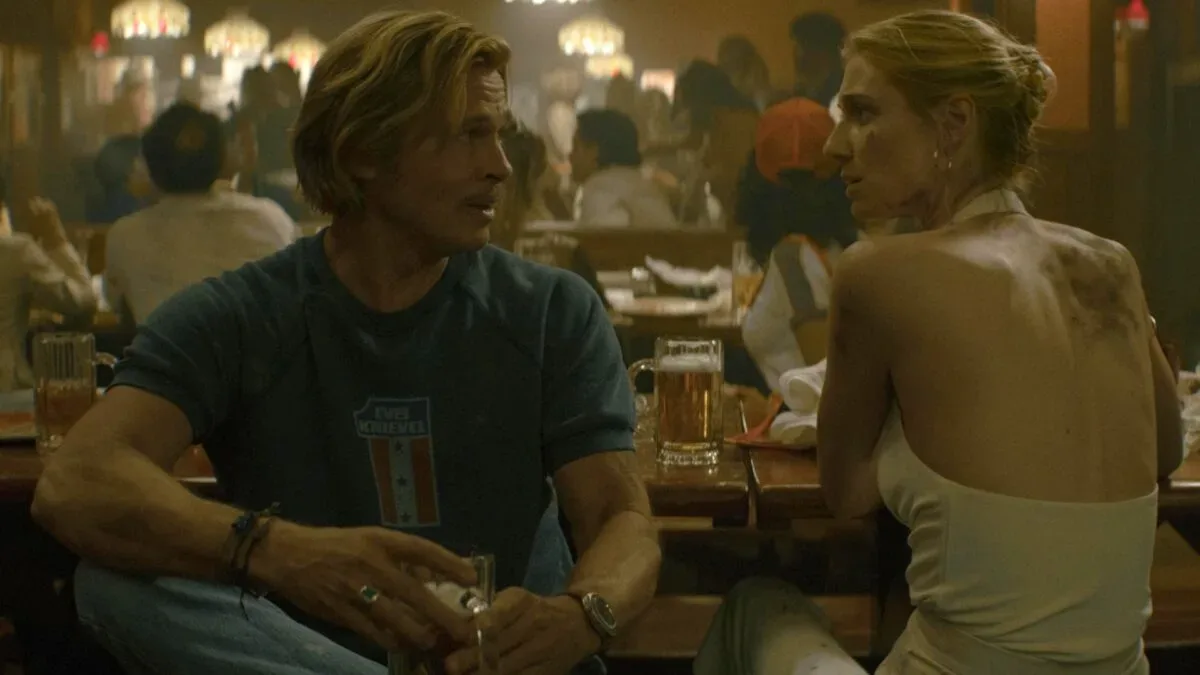
The Further Mis-Adventures of Cliff Booth is arriving with a potentially awkward split in its early reception: the David Fincher-directed, Quentin Tarantino-written follow-up to Once Upon a Time in Hollywood has a reported 84% positive score on Rotten Tomatoes, while several early viewers have singled out what they describe as conspicuous generative AI imagery.
The number of scenes involved has not been confirmed. Neither has the exact function of the technology in the finished film. But the concern is more substantial than one viewer merely mistaking a conventional visual effect for an algorithmic one. One filmmaker called the apparent use “blatant and egregious” in a social-media post, while another review characterized generative AI in important moments as visually distracting rather than seamless.
That response matters because Fincher’s films tend to invite close inspection. The director’s reputation is tied to control, precision and a highly polished image. When an audience notices an effect rather than simply receiving the intended emotion or story beat, it can become the scene’s defining feature. For a sequel built around a character from a much-discussed Hollywood movie, scrutiny was always likely. The AI question has given that scrutiny a very specific target.
What has actually been reported
The available evidence supports a careful distinction between reported involvement and known implementation.
- Early reactions have identified scenes they believe use generative AI.
- A review notes that the film’s credits include a “generative supervisor,” a role that strongly suggests generative tools were part of the production workflow.
- Earlier reporting said Fincher used Ben Affleck’s AI filmmaking company, InterPositive, on an upcoming Brad Pitt project.
- The film stars Pitt, making The Further Mis-Adventures of Cliff Booth the apparent project described in that earlier report, though the available material does not provide a detailed production breakdown.
What remains unknown is just as important. There is no supplied confirmation of which shots used generative AI, whether those shots were created wholly or partly with it, whether the work was used for backgrounds, alterations, performers, objects or another visual element, or how much of the finished running time it represents. “Key moments,” as one reaction puts it, can mean narratively significant scenes without necessarily establishing a large quantity of AI-generated footage.
That uncertainty should discourage both extremes: it is premature to describe every image in the film as AI-made, and equally premature to dismiss the criticism as baseless when the credited role and multiple reactions point toward some level of generative-AI participation.
Why a credit can be meaningful without answering everything
A generative supervisor credit is not a technical blueprint. Credits identify people and departments, but they rarely tell viewers precisely how a method was used on a shot-by-shot basis. Still, the designation is more informative than a vague rumor. It indicates that generative work was sufficiently relevant to receive dedicated oversight in the credited production structure.
Generative AI refers to systems that produce new output—such as imagery—from patterns learned during training and from instructions or other inputs. In a filmmaking context, the phrase can cover many possible processes, from making or changing visual material to assisting with iterations. It should not automatically be treated as a synonym for all digital effects.
That distinction is essential. Visual-effects work has long involved digital compositing, computer-generated imagery, cleanup and manipulation. The issue being raised here is not simply that a movie contains digital post-production. It is the reported use of generative systems and the visible result critics associate with them. A production may use a tool in a limited way, but viewers can still object if its output appears artificial, inconsistent or distractingly detached from the rest of the image.
In other words, the practical question for audiences is not merely, “Was AI used?” It is also: What did it do, where did it appear, and did it serve the film? At present, early reviewers have offered the strongest response to the last of those questions, and their answer is plainly not uniform.
The technical argument is really an aesthetic one
Terms such as “AI use” can turn a criticism into a broad industry argument before anyone discusses the image itself. Here, the early complaints focus on the apparent result: reviewers say they can see the intervention, and they do not like what it does to the film’s visual experience.
That is a useful frame for assessing the discussion. A method can be present without becoming an artistic problem if it is integrated successfully. Conversely, a small number of highly noticeable shots can have an outsized effect on audience perception, particularly in scenes meant to carry emotional weight or narrative importance. If an effect becomes an “eyesore,” as one early reaction argues, the viewer’s attention moves from Cliff Booth and the story to the machinery behind the picture.
For a Fincher project, that can feel especially jarring. Precision is not merely a technical expectation around his work; it is part of the appeal viewers bring with them. The reaction therefore appears to be less about a blanket objection to computers in cinema than about a perceived mismatch between a meticulously authored filmmaking style and imagery that some critics say looks conspicuously generated.
There is also a broader credibility problem for productions using emerging tools. If a studio does not explain the scope of a new process, observers are left to infer it from credits, reports and what they see onscreen. That gap can make every unusual-looking image part of the same debate, whether or not it used generative AI. Clearer detail would help viewers separate confirmed use from speculation, but no such breakdown is included in the information currently available.
InterPositive’s role adds industry context
InterPositive is the AI filmmaking company associated with Ben Affleck that was acquired by Netflix for $600 million earlier this year. The company was also used on Affleck’s 2026 film Animals, which was described as an “ethical AI” production. A clip from that movie, involving an AI-generated child falling into Affleck’s arms, circulated widely on social media last month and became a prominent example in debates about AI imagery in film.
The InterPositive connection does not, by itself, settle the quality of its work on The Further Mis-Adventures of Cliff Booth. Nor does it establish that the same type of imagery was used in both movies. It does, however, make this more than an abstract discussion about a hypothetical technology entering a major release. Netflix owns the company, Fincher was reported to have used it for an upcoming Pitt vehicle, and early reactions to the finished Cliff Booth sequel now point to generative AI as a visible part of the conversation.
For readers following the same question in interactive entertainment, the distinction between AI-assisted production work and the visible final product has also been central to discussion around games. Claims that a game is “handmade” while AI still plays a behind-the-scenes role illustrate why broad labels rarely settle the issue. Tool use, creative authorship and what the public can actually see are related questions, but they are not identical ones.
What audiences can reasonably watch for
The film is scheduled to reach cinemas on November 25, with a Netflix arrival expected at the end of December. For viewers deciding whether the AI reports affect their interest, the sensible approach is to keep the present limits of the evidence in view.
- Do not assume a percentage of the movie is AI-generated. No confirmed count of scenes or shots has been provided.
- Separate confirmed production clues from subjective visual judgments. The credit points to generative-work involvement; whether a given moment looks good or bad remains an audience judgment.
- Pay attention to the moments critics call important. If the disputed imagery appears at pivotal points, its impact may be greater than its total screen time suggests.
- Leave room for the movie’s broader reception. Its early aggregate score indicates notable critical approval even as AI-related objections are becoming a major talking point.
That last point may be the most revealing. The controversy has not erased positive reactions, but it has changed the terms on which the film will be discussed. A sequel from Fincher, Tarantino and Pitt would normally prompt conversation about screenplay, performance, character and filmmaking craft. In this case, the technology used to help make the image may compete with all of those subjects for attention.
Until the film is widely available and its makers offer more precise details, the responsible description is straightforward: early reviewers report generative AI in The Further Mis-Adventures of Cliff Booth, a generative-supervisor credit has been identified, and several critics consider the visible results a serious flaw. The exact scope and method remain unconfirmed. That is enough to make the release an important test of whether audiences accept such work when it is placed inside a prestige-minded studio film—and whether they can be persuaded not to notice it.