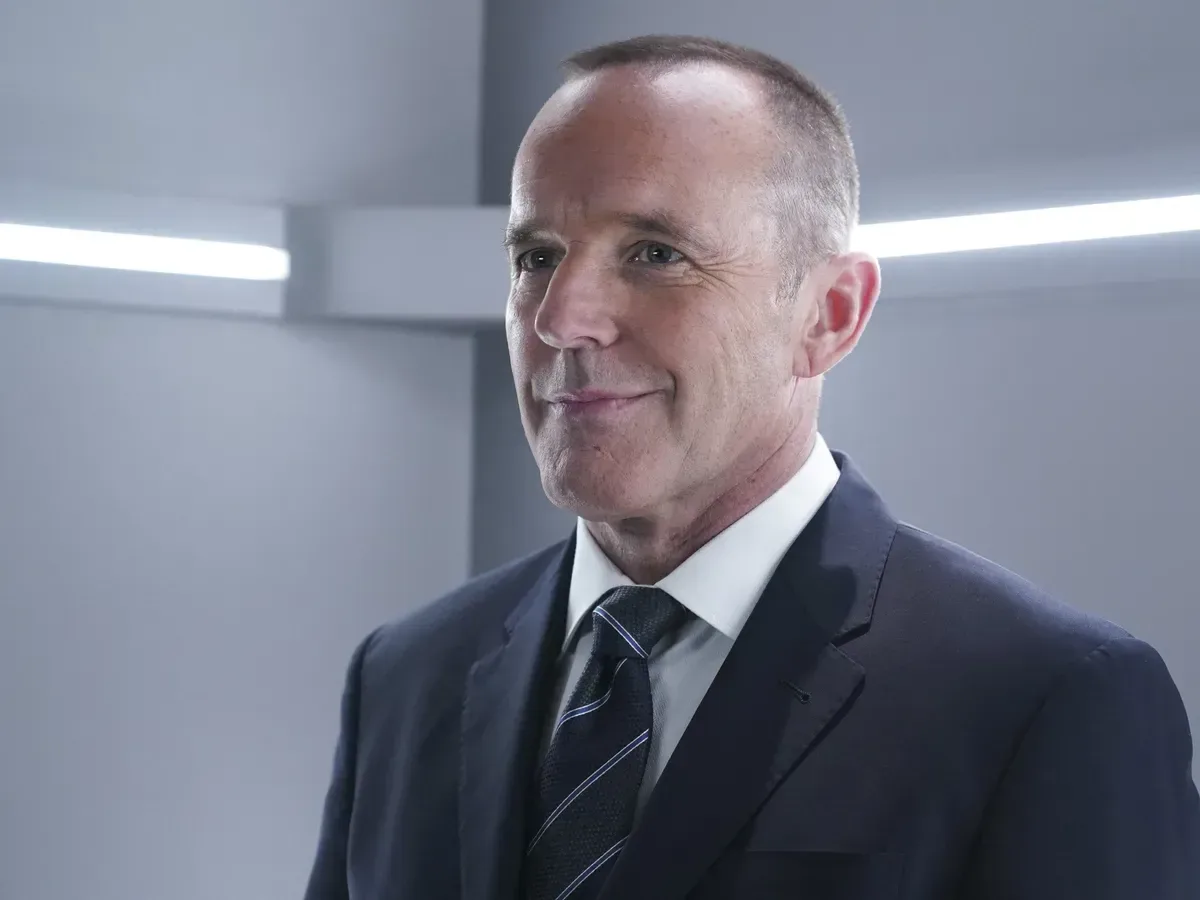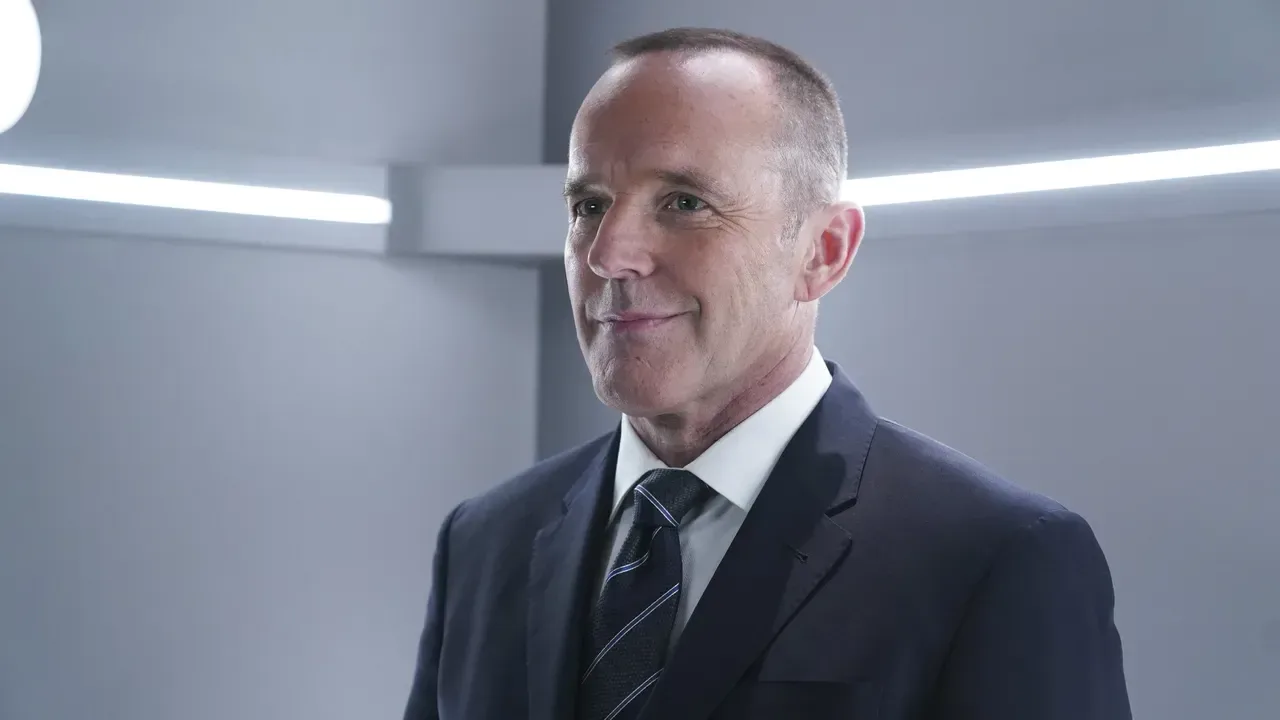
Marvel’s newly announced Zodiac has very little confirmed information behind it: a logo, a 2028 release window and its broad spy-thriller genre. But one social-media share from Clark Gregg, the actor associated with Agent Phil Coulson, has given viewers a very specific thread to pull.
Gregg shared the reveal of Zodiac shortly after it was presented at New York Comic Con. That action is not confirmation that he has joined the series, that Coulson will appear, or that Agents of SHIELD will be folded into its story. It is, however, understandable fuel for speculation, particularly because the new show’s design appears to point toward SHIELD and Marvel has been intentionally secretive about the project.
At present, the most accurate reading is a cautious one: there are visual and personnel-adjacent clues, but no announced cast and no official statement linking Zodiac to Coulson, Gregg, Nick Fury or Agents of SHIELD. For a franchise built on Easter eggs, that gap between an evocative clue and a formal reveal is rather the whole game.
What Marvel has actually confirmed about Zodiac
Zodiac was unveiled with a 2028 release window. Marvel has described it as a spy thriller, a useful but still very broad label. In this context, a spy thriller generally signals stories organized around intelligence work, clandestine organizations, deception, surveillance and competing allegiances rather than an explicitly stated superhero-team format. It does not establish a cast, lead character, villain, setting or connection to any previous Marvel series.
For more context, explore Sony ULT Field 1 Portable Speaker Was Listed at $68, Down From $140.
The project is still early enough that casting had not begun at the time of its reveal. Marvel Television head Brad Winderbaum said casting would start within a couple of weeks. That matters because it establishes a clear boundary around current claims: there is no official cast list from which to infer Gregg’s involvement.
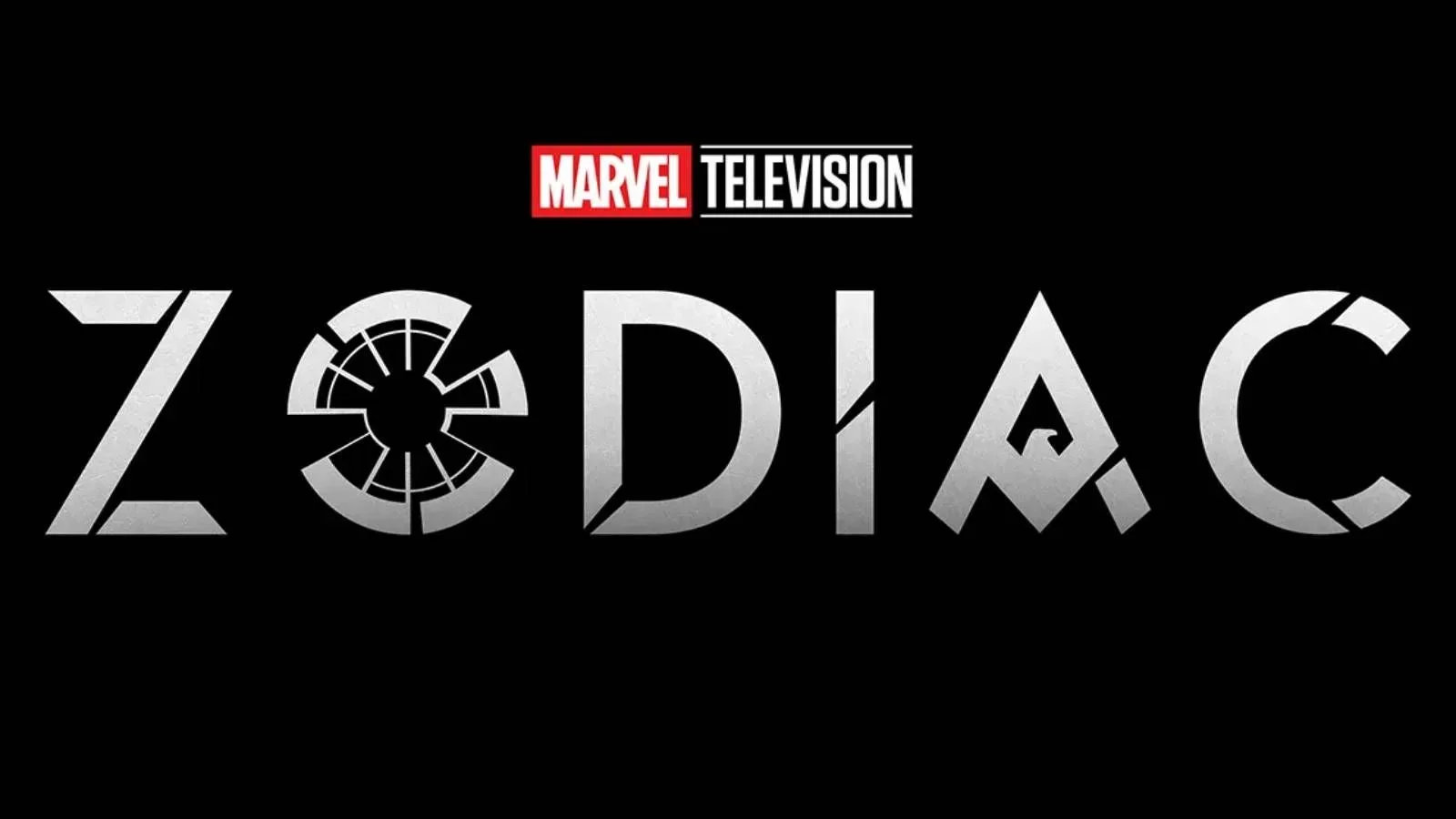
“For anyone who knows the comics, if you look closely at this title design, you’ll see a few clues about where we’re going,” Winderbaum said during the presentation, while declining to reveal more.
That statement makes the logo more than a decorative piece of marketing. It invites audiences familiar with Marvel comics to examine it for possible reference points. Yet an invitation to look for clues is not a roadmap. The MCU has often adapted comic-book ideas in ways that do not preserve every relationship, origin or plot turn from the page.
Related coverage includes Clark Gregg's Zodiac Post Fuels Fresh Agents of SHIELD Speculation.
The SHIELD-like detail in the logo
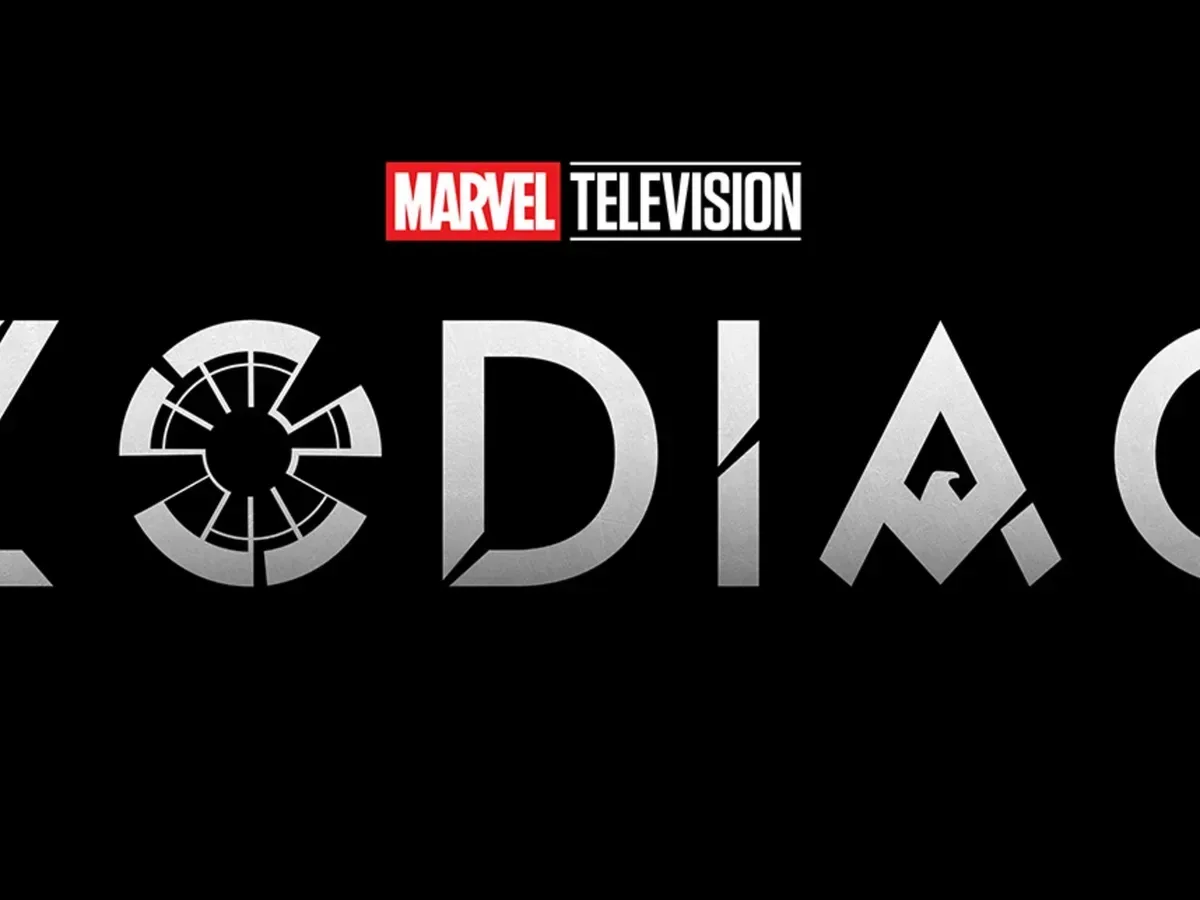
The visible clue attracting the most attention is in the Zodiac wordmark. Its stylized “a” includes a small eagle head, resembling the eagle imagery associated with SHIELD. SHIELD, short for Strategic Homeland Intervention, Enforcement and Logistics Division, is Marvel’s intelligence and security organization. In screen stories, it is closely associated with espionage operations and figures including Coulson and Nick Fury.
Because Zodiac is already described as a spy thriller, an apparent SHIELD reference is more suggestive than it might be in an unrelated genre. It could indicate that the organization has a role in the series, that its legacy is relevant, or simply that the show is borrowing visual language audiences immediately associate with Marvel espionage. None of those possibilities has been confirmed.
The logo also stylizes its “o,” another detail that may be meaningful, although Marvel has not explained it. Viewers should be wary of treating every graphic flourish as evidence of a character appearance. A logo can establish tone and allusion without serving as a complete plot diagram.
Why Clark Gregg’s post has resonated
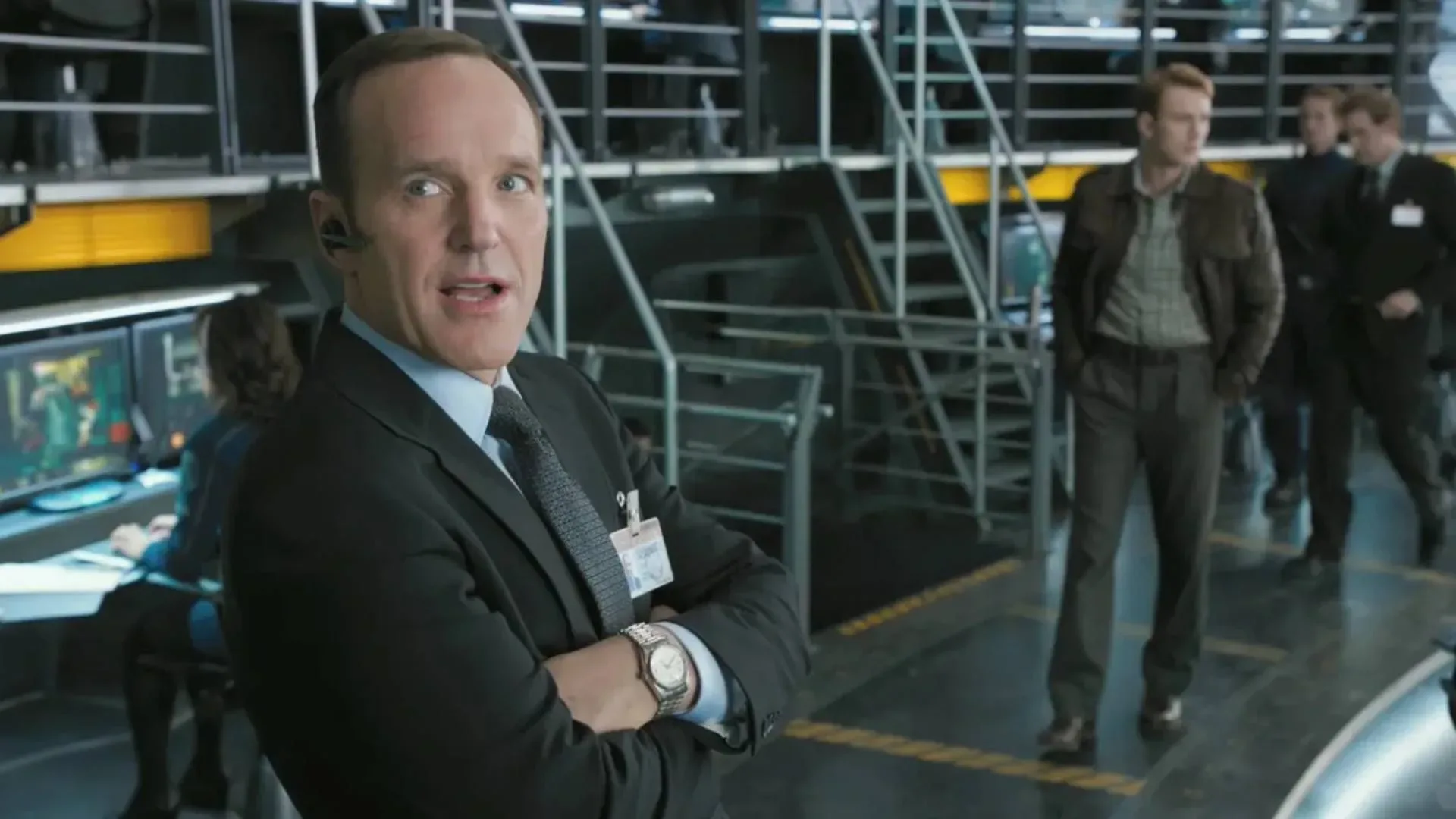
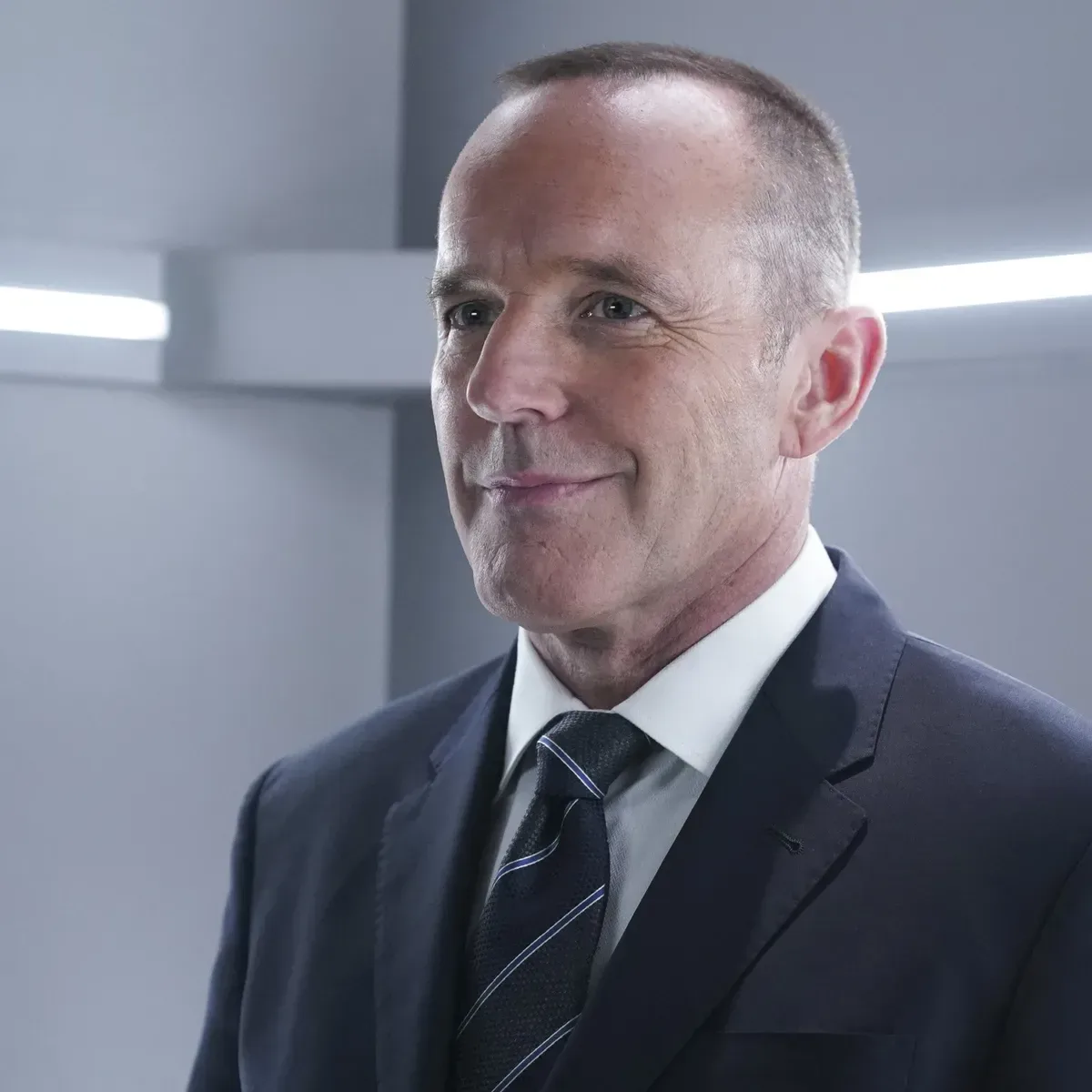
Gregg has a uniquely strong association with the SHIELD side of Marvel on screen. Phil Coulson appeared in the first Avengers film, and the character went on to anchor Agents of SHIELD. That makes Gregg sharing a seemingly SHIELD-coded Marvel television announcement more loaded than a routine promotional post would be for many actors.
The development is especially notable because Coulson’s television story became unusual even by comic-book standards. Agents of SHIELD, which ended in 2020, brought the character back after death in android form. An android is an artificial being designed in a humanlike form; within the show’s setup, that distinction gave Coulson’s return a different status than a straightforward resurrection.
That history leaves several theoretical storytelling routes open if Marvel ever chose to revisit the character: a version tied to his earlier life, the android incarnation, or another approach entirely. But those are analytical possibilities, not information about Zodiac. No character return has been announced.
The unresolved canon question around Agents of SHIELD
The speculation also reopens a long-running point of uncertainty: where Agents of SHIELD sits in Marvel’s official screen continuity. The series is not included in Disney+’s “MCU Complete Timeline” section, which contains the canon MCU movies, television series and one-off specials. That omission has kept its formal status unclear.
Canon is the term fans use for material recognized as part of a story’s official continuity. It matters because continuity governs which past events, characters and developments a new production is expected to acknowledge. If Zodiac were to bring back a character or institution connected to Agents of SHIELD, Marvel could potentially clarify that question. It could also avoid it, reference only selected elements, or take an entirely separate direction.
Chloe Bennet, who played Daisy in Agents of SHIELD, has said she remains unhappy that the program is not regarded as fully part of MCU canon, while also saying she would return if invited. Her comments underline why even a logo-based hint creates outsized interest: the series still has performers and viewers invested in seeing its characters recognized again.
Still, a prospective connection should not be confused with a continuity ruling. A brief reference, a familiar emblem or even a returning actor would not automatically answer every question about the show’s place in the MCU. Marvel would need to establish that relationship on screen or state it directly.
What the comic-book name may suggest
In Marvel comics, Zodiac is the name of a criminal organization whose members use zodiac-sign identities. Scorpio is among those identities and is also connected to Nick Fury as Fury’s brother. That comic-book background offers a plausible reason for viewers to wonder whether Fury could be relevant to the new series.
Samuel L. Jackson’s Nick Fury is therefore a natural name in fan discussion. His association with SHIELD, combined with the spy-thriller premise and the comic-book link through Scorpio, creates an understandable chain of possibilities. But it remains just that: a chain of possibilities. Marvel has not said that Fury, Scorpio or any member of the comic-book Zodiac organization will appear.
There is another important restraint here. “Based on” comic-book material does not mean a screen adaptation must reproduce it literally. The MCU has changed directions from comic stories before. A title can take inspiration from a comic-book organization, use a familiar name in a new capacity, or leave major character connections untouched.
A practical guide to the clues so far
- Confirmed: Zodiac is a Marvel television project with a 2028 window and a spy-thriller premise.
- Confirmed: Marvel has shown a logo featuring an eagle-like visual detail reminiscent of SHIELD imagery.
- Confirmed: Casting was expected to begin shortly after the reveal.
- Confirmed: Clark Gregg shared the announcement.
- Unconfirmed: Gregg is in the cast or Phil Coulson appears.
- Unconfirmed: Agents of SHIELD is being incorporated into official MCU continuity through the show.
- Unconfirmed: Nick Fury, Scorpio or any particular comic-book Zodiac member is involved.
Why the timing makes the show worth watching
Zodiac arrives amid a Marvel television slate that is not treating every project in precisely the same way. Daredevil: Born Again is set to conclude with its third season. Meanwhile, VisionQuest is scheduled for Disney+ on October 14 as an eight-episode limited series starring Paul Bettany as Vision, who is on the run from people seeking to weaponize him. Its showrunners have said they did not focus heavily on the wider MCU while developing its story.
That latter point is useful context, not evidence about Zodiac. It shows that a Marvel series can be built around a character and premise without necessarily functioning as a giant continuity checkpoint. Conversely, the logo’s apparent SHIELD signal means viewers have a reasonable reason to watch for formal details when casting and story information eventually emerge.
For now, the strongest takeaway is also the least dramatic: Marvel has positioned Zodiac as a secretive spy project, and Gregg’s post has made its SHIELD-adjacent imagery impossible for longtime viewers to ignore. The next meaningful evidence will be casting announcements and official story details, not increasingly elaborate readings of a single logo.