Marvel has officially put Zodiac on the board as a forthcoming television project, and the first confirmed description is pointedly simple: it is a spy thriller. Executive producer Brad Winderbaum said the production will begin filming in London this spring, while suggesting that casting activity is expected within the next couple of weeks.
That is not much plot information—and it is clearly meant not to be. But it is enough to establish a useful frame for the project. Zodiac is not presently being introduced through a named hero, a villain reveal, a release date, or a stated place in an existing storyline. Instead, Marvel is leading with genre, location, and a logo that appears deliberately built to invite scrutiny.
For viewers, the immediate appeal may be the prospect of a Marvel story driven by secrecy, surveillance, shifting allegiances, and information rather than simply announcing its biggest confrontation up front. The working details remain limited, so any character, villain, or continuity conclusions should stay firmly in the speculation column. Still, the material that has been confirmed offers a few meaningful things to watch as Zodiac moves into casting and production.
What has been confirmed about Zodiac
The essential facts are straightforward. Zodiac has been announced as a Marvel television series. Winderbaum described it as a spy thriller and said filming is scheduled to start in London in the spring. Casting is anticipated to begin soon.
That production timing matters because casting usually turns an early project into a more tangible one. Until performers and roles are revealed, it is difficult to know whether Zodiac will follow an established comic-book character, introduce a mostly new ensemble, or use familiar Marvel institutions as the setting for an original spy narrative. None of those possibilities has been confirmed yet.
The phrase spy thriller is genre language, not a synopsis. In practical terms, it signals a story likely concerned with covert operations and concealed motives. It does not, by itself, establish a particular agency, protagonist, threat, or level of connection to previous Marvel series. The confirmed London shoot similarly identifies a production location, but does not prove where every scene will be set in the story.
Marvel has otherwise kept its cards close. That restraint fits the project’s stated genre unusually well: the show’s first official details are themselves a controlled release of information. The clearest next signal will be cast announcements, which may reveal whether the title refers to a person, an organization, an operation, or a broader conspiracy.
A logo built for close reading
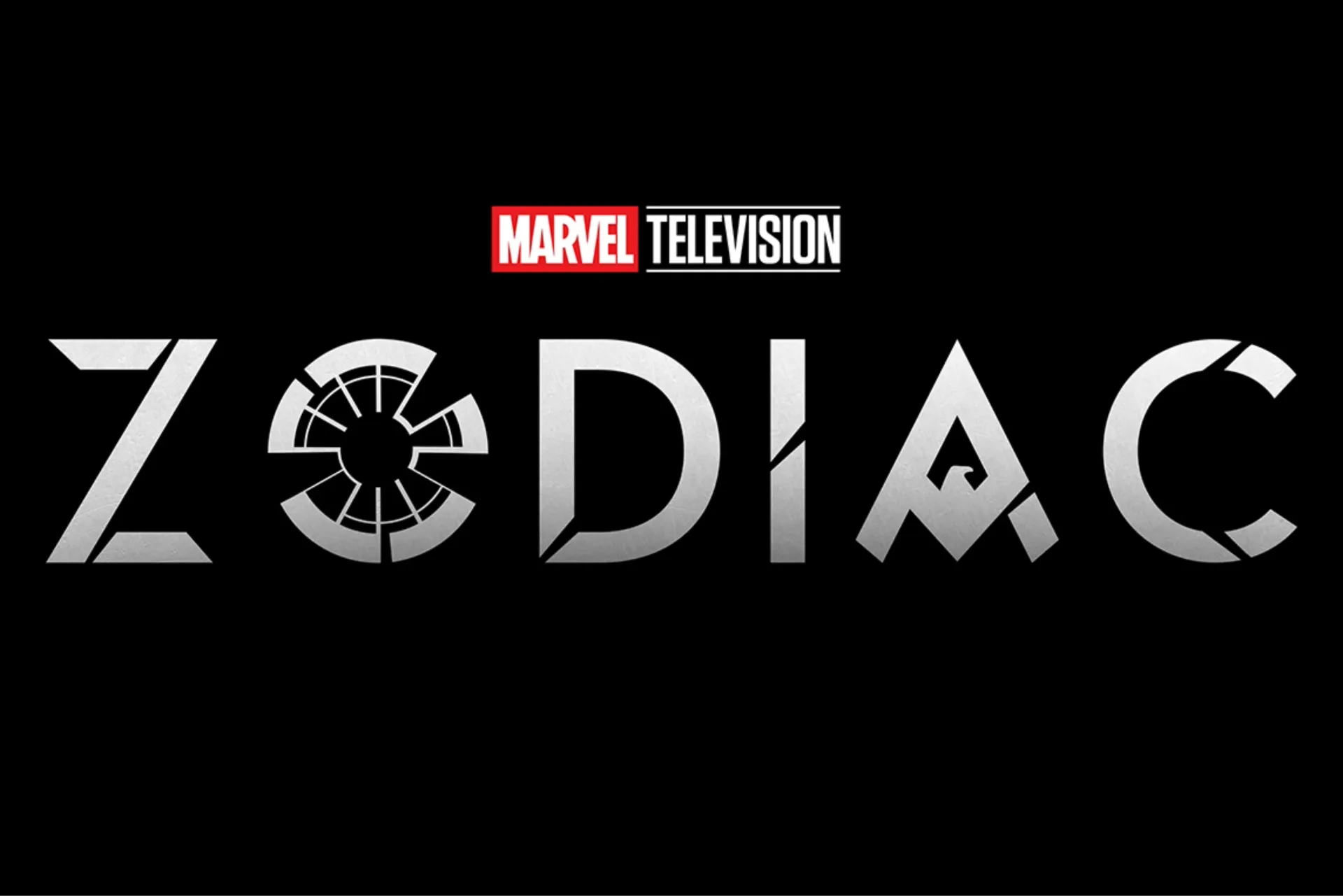
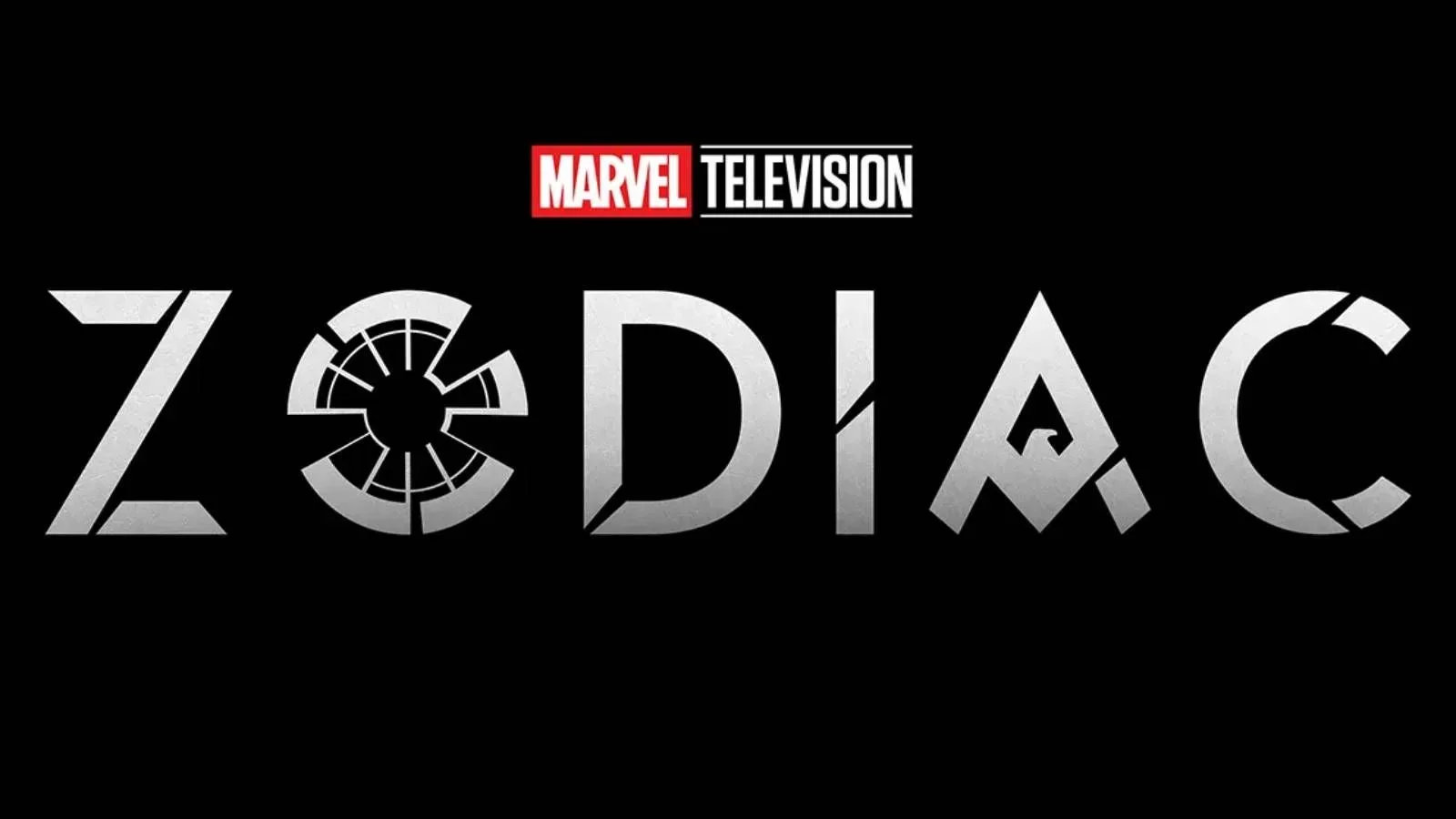
Winderbaum also said that comic readers can find a great deal “hidden” in the Zodiac logo. That makes the visual identity more than a placeholder. At least two details stand out: the letter A appears to contain the S.H.I.E.L.D. emblem, while the O has been noticed for its resemblance to elements of Tony Stark’s arc reactor.
Both marks are loaded with Marvel associations. S.H.I.E.L.D. is the acronym associated with Marvel’s long-running espionage organization, making its apparent inclusion a natural match for a series called a spy thriller. The arc reactor, meanwhile, is the compact power technology closely associated with Tony Stark. A circular visual echo is not confirmation that Stark, an Iron Man successor, or a particular piece of technology will appear. It is simply the kind of detail that can suggest a thematic or story connection without spelling out the answer.
That distinction is important. A logo can function as a teaser, a reference, or a design flourish; it is not the same thing as a casting announcement or a plot disclosure. For now, the most responsible reading is that Marvel wants audiences to notice these shapes and remember them. Whether they are direct clues will only become clear later.
There is also an appropriate irony to the approach. Spy stories often make viewers parse symbols, codes, files, and incomplete intelligence. Zodiac’s earliest piece of marketing is asking fans to do a version of that before a trailer, cast list, or detailed premise exists.
The comic-book Zodiac connection, explained
The name has a notable comic-book precedent. The most prominent Marvel version of Zodiac is a masked villain introduced during the 2009 Dark Reign event. That character created trouble for Norman Osborn and later confronted Moon Knight.
There is one particularly relevant element in that history: Zodiac used extensive surveillance against Moon Knight, also known as the Fist of Khonshu. Surveillance means the collection and observation of information about people, movements, communications, or locations. In a spy-thriller framework, it is an especially natural story tool. It can create pressure without requiring an open fight: a character may be watched, tracked, manipulated with selectively revealed information, or forced to question who has access to their private life.
That overlap makes the comic villain a plausible reference point for speculation, but it does not prove the television project will adapt him. The available details do not confirm that the masked Zodiac is the series’ antagonist, whether Moon Knight is involved, or whether the show uses that exact comic storyline. Marvel adaptations routinely take ideas, imagery, names, and character relationships in different directions. At this stage, the shared name and surveillance angle are connections worth noting, not settled answers.
Similarly, Norman Osborn’s history with the comic-book character should not be treated as a sign that he will factor into the show. It is background for the Zodiac name, not announced television casting or plot.
Why the spy-thriller label changes the conversation
Genre can shape expectations even when the narrative remains secret. A spy thriller generally places a premium on uncertainty: people may not be who they claim to be, operations can have consequences beyond a single fight, and knowing the truth can be as valuable as possessing a weapon. In an espionage story, the central dramatic question is often not only “Can the heroes win?” but “What is really happening, and who benefits from keeping it hidden?”
For Zodiac, that could make the S.H.I.E.L.D.-like shape in the logo particularly relevant as an idea even if its precise meaning remains undisclosed. Espionage institutions, surveillance systems, and sophisticated technology all belong naturally in this sort of story. The apparent arc-reactor detail offers another potential route into that territory, since advanced technology can be a source of leverage, vulnerability, or conflict.
None of that requires Zodiac to abandon the wider Marvel tradition of larger-than-life stakes. Rather, a spy framework can make those stakes feel personal and procedural. A threat may emerge through an intercepted message, compromised operation, hidden camera, false identity, or a system built to observe someone who does not know they are being observed. The supplied comic context makes this more than generic genre talk: surveillance is specifically part of the most visible Zodiac character’s history.
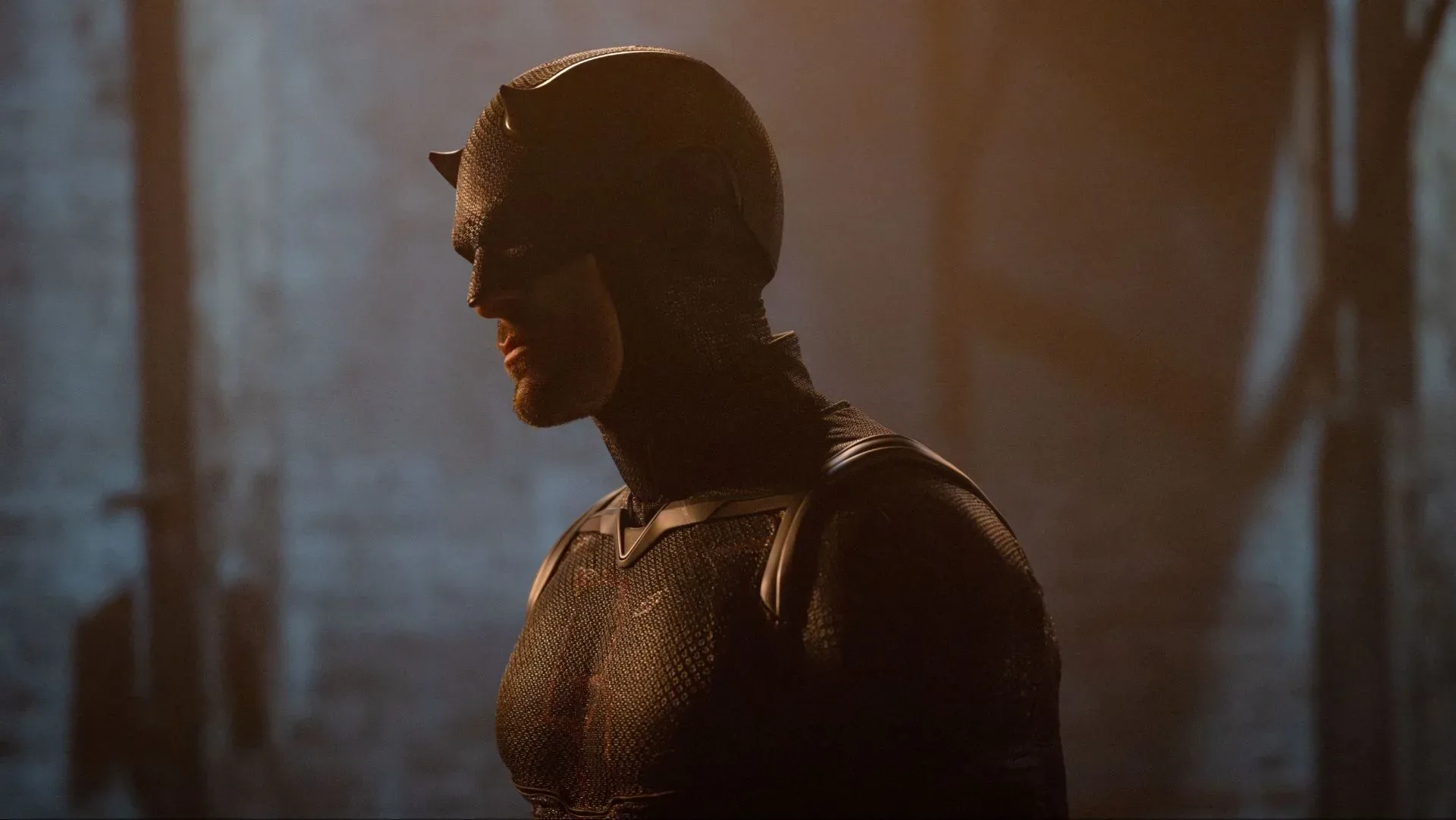
There is also room for the series to stand apart through its focus. The project has been announced at a time when other Marvel television developments continue to draw attention, including the planned final season of Daredevil: Born Again. Zodiac’s stated espionage angle gives it a distinct identity before its cast or premise has been disclosed.
What fans should watch next
The next few weeks may answer some basic questions, since casting is expected to get underway. The first announced performers could quickly clarify the project’s scale and direction. A cast disclosure may identify a lead investigator, operative, target, adversary, or a returning character—though it may also preserve the secrecy by withholding role details.
Until then, the most useful checklist is narrow:
- Cast announcements: These are the likeliest near-term source of concrete character information.
- Further logo interpretation: Marvel has expressly signaled that the design includes comic-oriented details, so later promotional material may make their meaning clearer.
- Production updates from London: Filming is planned there for the spring, but no story locations or scene details have been confirmed.
- Any explanation of the title: It remains unknown whether Zodiac identifies the comic villain, a group, an operation, or something else.
Just as important is what not to assume. There is no confirmed release date, no announced cast, no disclosed platform information, no verified character list, and no declaration that the 2009 comic-book villain is coming directly to the screen. The S.H.I.E.L.D. and arc-reactor imagery is intriguing, but it remains visual evidence open to interpretation.
A promising premise, with the mystery still intact
Zodiac’s announcement has accomplished the first job of a good espionage tease: it has offered a visible trail without revealing where it ends. The series has a defined genre, a production plan in London, imminent casting activity, and visual hints that point toward well-known corners of Marvel lore. Its comic-book namesake also brings a surveillance-driven history that could align cleanly with a story about covert work and hidden observation.
For now, though, Marvel is keeping the central file classified. The most interesting question is not whether every mark in the logo is a clue; it is how those clues eventually connect to the show’s identity. As casting begins and production approaches, Zodiac should move from a carefully coded title treatment to a clearer picture of who is being watched, who is doing the watching, and what the name ultimately means.