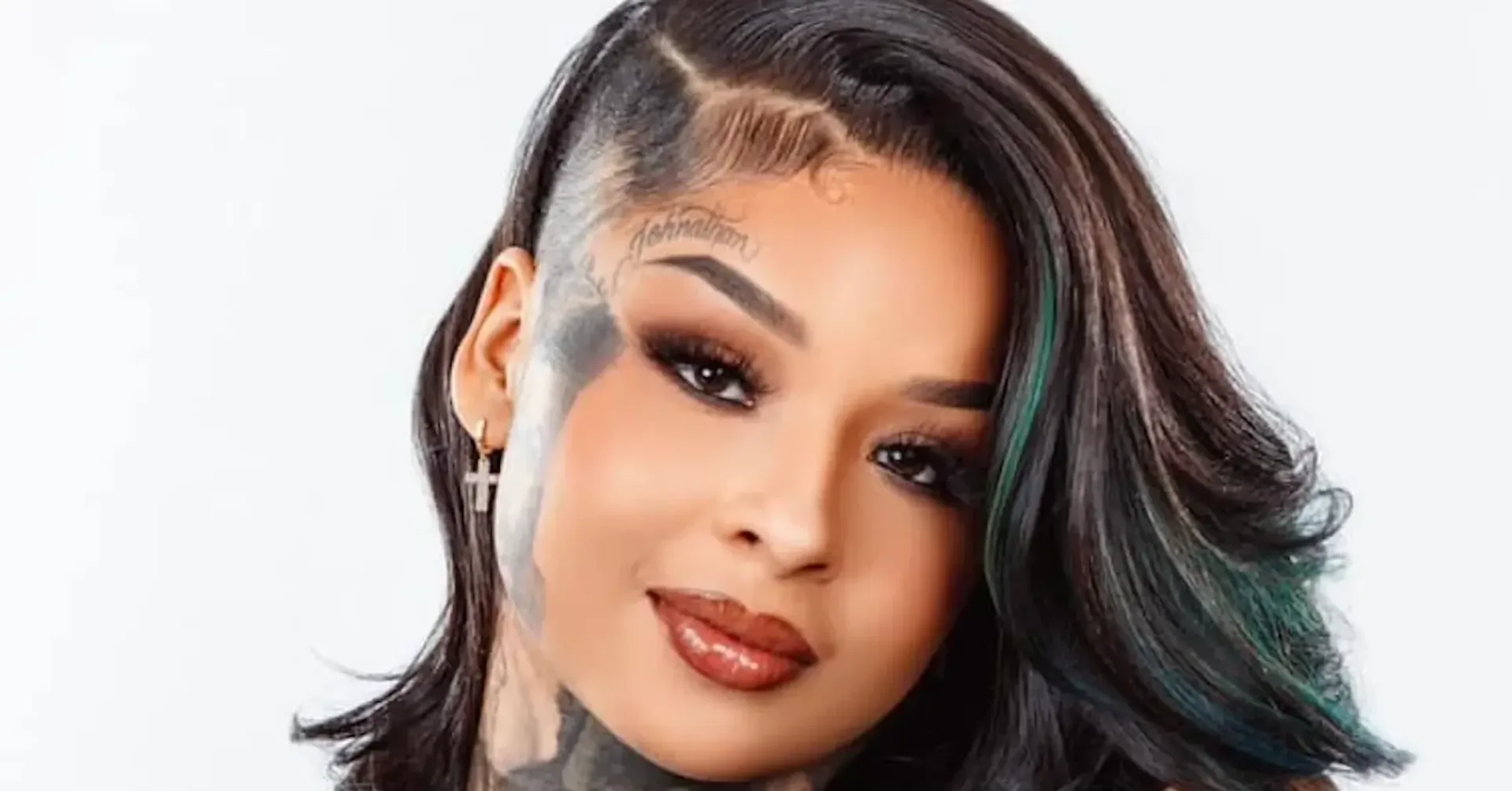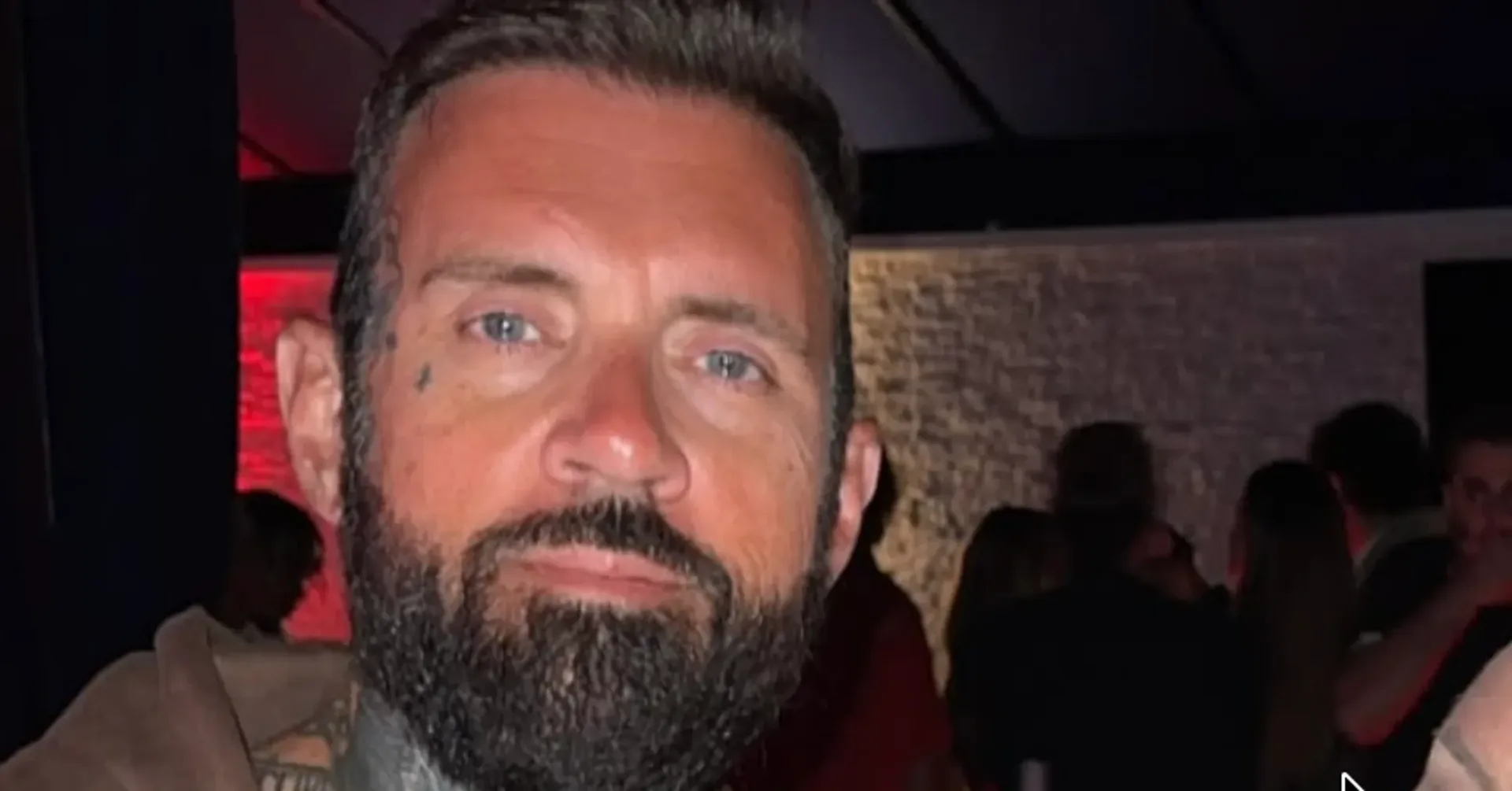
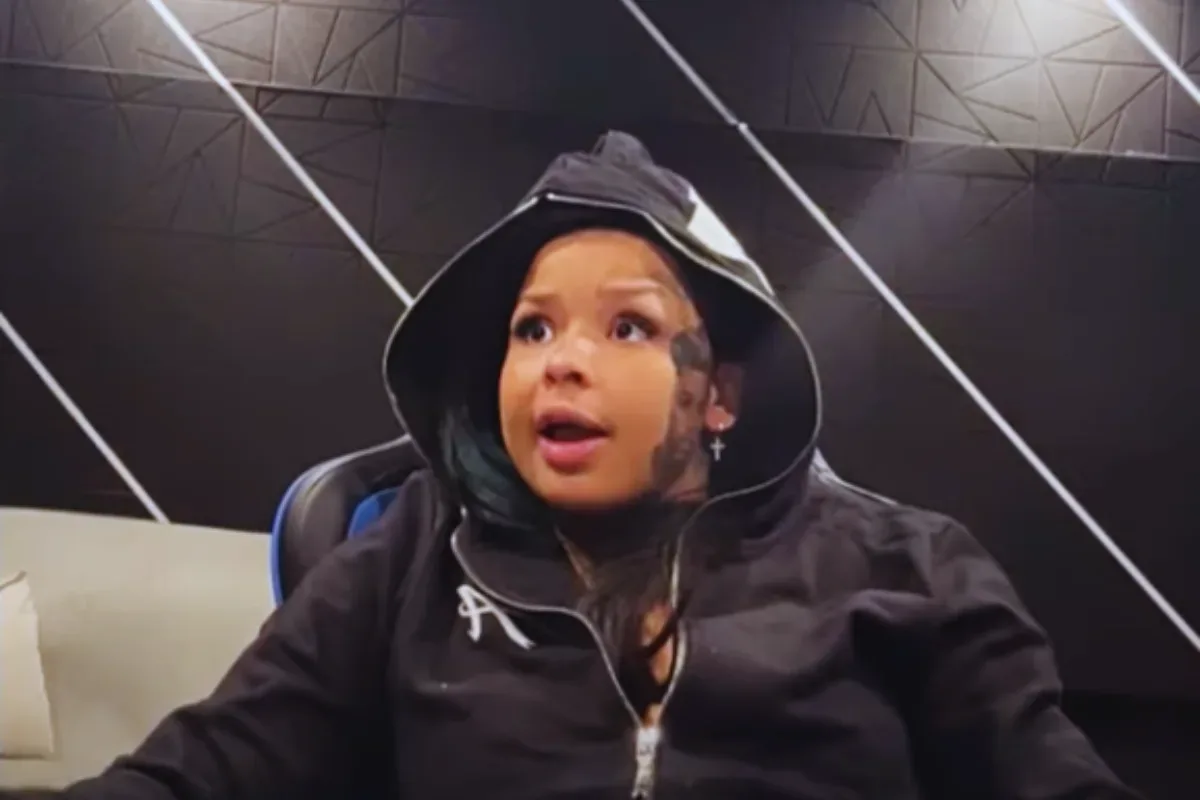
Chrisean Rock has offered her own account of the confrontation with Adam22 at Wild ’N Out Live, framing the incident as the result of what she says was a long-running pattern of disrespect rather than a reaction to one remark alone.
Speaking during a Kick stream, Rock said she viewed comments directed at her by Adam22 as bullying. Her central argument was that she had previously opted not to publicly respond to those remarks, but that the situation changed once she was confronted in person.
“Somebody try to bully me…you know what I’m going to do, I’m going to fight back,” Rock said. “You can’t bully me.”
She also warned Adam22 that he “should be scared,” saying people should not assume comments made about someone will have no in-person response. That is Rock’s stated explanation for her conduct; it is not a legal finding, and it does not settle the questions raised by Adam22’s stated intention to involve police.
What happened at Wild ’N Out Live
The incident occurred on November 12 during Wild ’N Out Live at Intuit Dome in Inglewood, California. Adam22 mocked Rock’s parenting during the show, and Rock struck him.
Adam22 has characterized the setting as a comedy battle where personal insults were being exchanged. Rock, meanwhile, has distinguished the encounter from the idea of a single joke landing badly. Her stream comments present the dispute as one with prior history: she says she had endured remarks about her without publicly answering them, and considered the face-to-face nature of this exchange a turning point.
That difference in framing matters. A comedy battle can involve intentionally provocative material, but neither the label nor the event format automatically answers how a participant experiences a particular comment, whether there was an ongoing feud, or what response is appropriate. The available accounts establish that an altercation occurred after a remark about Rock’s parenting; they do not independently resolve every part of the disagreement surrounding it.
Rock’s explanation focuses on a pattern, not an isolated exchange
Rock’s use of the word bullying is important to understanding her position. In everyday conversation, people use the term to describe repeated humiliation, antagonism or targeting—not necessarily a formal determination by an institution. Here, Rock is saying she perceived Adam22’s behavior as part of a sustained pattern of disrespect.
Related coverage includes Chrisean Rock Explains Adam22 Confrontation After Police Claim.
Her account also separates two choices: declining to reply publicly in the past and deciding to react during an in-person encounter. That distinction does not establish the accuracy of every claimed prior slight, nor does it establish a legal justification for striking someone. It does make clear that Rock does not see the incident as beginning and ending with the comment delivered at the live event.
Public disputes often compress complicated histories into a short clip, a headline or a single viral moment. Rock’s stream has expanded the record of public statements, but it is still one participant’s version. Adam22’s description of an insult-driven comedy format is another. The shared facts supplied here are narrower: the event took place in Inglewood, the remarks touched on Rock’s parenting, Rock struck Adam22, and the two sides have sharply different interpretations of why it happened.
Adam22 says he visited police, but the next step is not established
After the confrontation, Adam22 said he planned to report Rock and later said he had visited the Inglewood Police Department. He also predicted that Rock would be arrested.
That prediction should be treated carefully. Saying one has gone to a police department or wants to make a report is not the same as proof that an arrest will occur. The available information did not include an arrest warrant or a police report. It also did not establish that police had made a charging decision, that a prosecutor had reviewed a case, or that an arrest had taken place.
Those distinctions are practical rather than semantic. A complaint is an allegation brought to law enforcement; it is not, by itself, a court ruling or a guaranteed arrest. An arrest warrant, in broad terms, is a judicial authorization connected to taking someone into custody. Neither is documented in the material available here. As a result, firm claims about what police will do next go beyond the established record.
Adam22 also mentioned the possibility of a lawsuit. That too remains unconfirmed as an actual filing. Discussing a potential civil claim is different from filing one. The information available does not show a lawsuit, a case number, or a filed civil complaint.
The work-impact claim is also a personal description, not a documented loss figure
Before discussing his reported police visit, Adam22 spoke about swelling in his jaw and why it could affect his work. He said his job involves talking on camera for extended stretches, including recording sessions that can last several hours, and suggested the injury might interfere with that schedule.
That describes his concern about the practical fallout, particularly given a camera-facing role where speech is a central part of the work. But it should not be inflated into a documented calculation of lost income. No medical assessment, confirmed production cancellation, or verified earnings loss was included in the available material.
The distinction is especially relevant in a dispute that is unfolding through public posts and streams. An individual can describe pain, swelling and anticipated professional disruption honestly from their perspective, while the underlying financial effect remains unmeasured or unresolved. Readers should keep the description of discomfort separate from claims of proven damages.
Why the public framing is likely to remain contested
There are several overlapping stories here: a live-event confrontation, a pre-existing public disagreement, Rock’s claim that she was fighting back against bullying, and Adam22’s stated effort to bring the matter to police. None of those elements erases the others.
Rock’s comments explain her motive as she sees it. Adam22’s public statements explain his concerns about injury and his desire to report the incident. What has not been established is how police will respond, whether any civil action will be filed, or whether any future legal process will reach a conclusion.
That uncertainty is the most important guardrail around the story. It is easy for a prediction of an arrest, a mention of police, or discussion of a possible lawsuit to become treated online as though it were a completed legal outcome. At this point, it is not. The confirmed public record described here consists of the confrontation and the competing explanations that followed.
Rock’s stream makes her position unmistakable: she believes Adam22’s remarks crossed from commentary into bullying and says she would not accept that treatment in person. Adam22, for his part, has described the show as a venue for exchanged personal insults and has said he sought police involvement after being struck. The unanswered question is not what either participant says they believe; it is what, if anything, happens next through official channels.
For a separate look at the broader rap conversation, see Lil Baby’s recent chart performance and the rise of “Dead Fresh”.