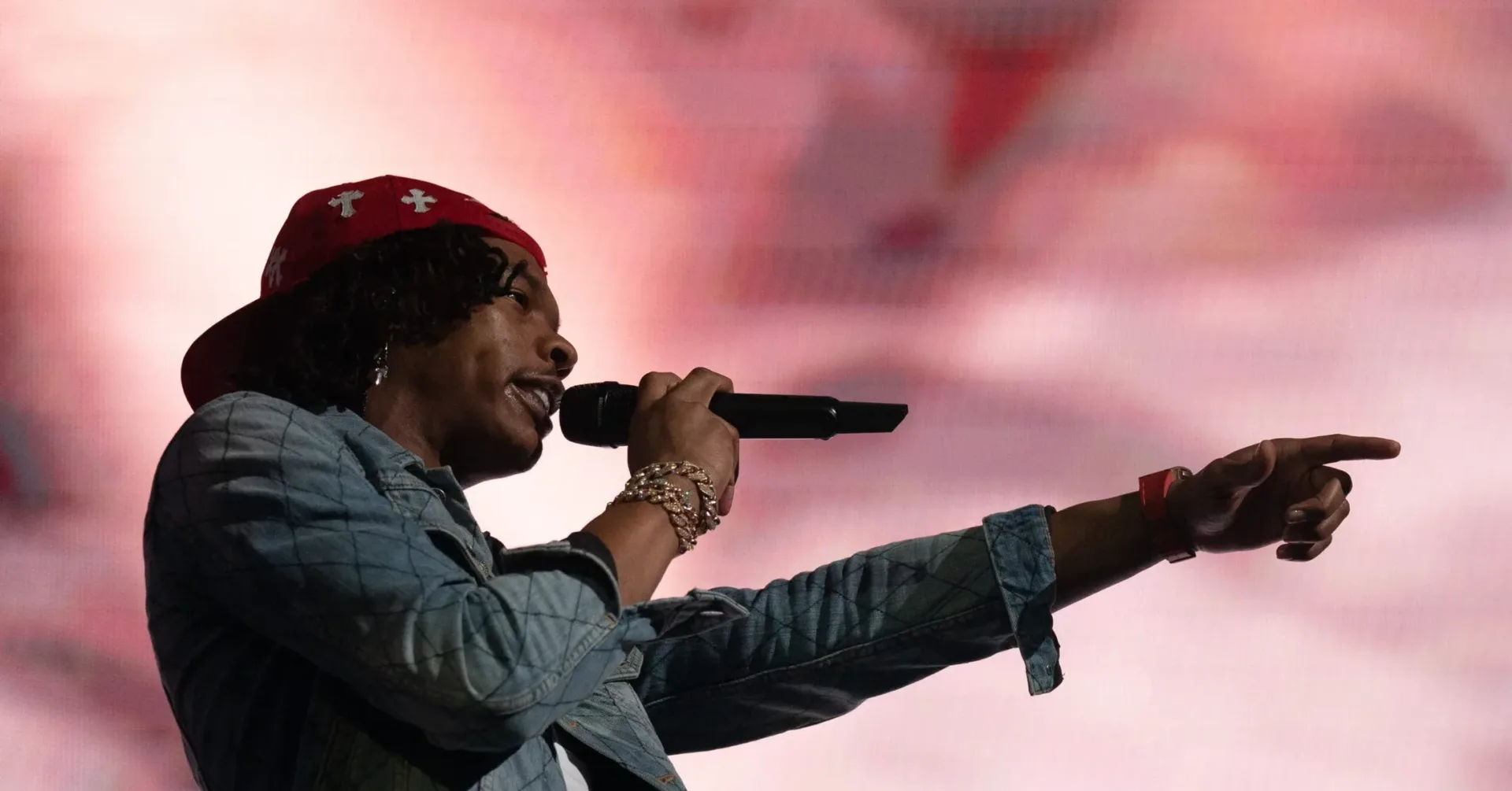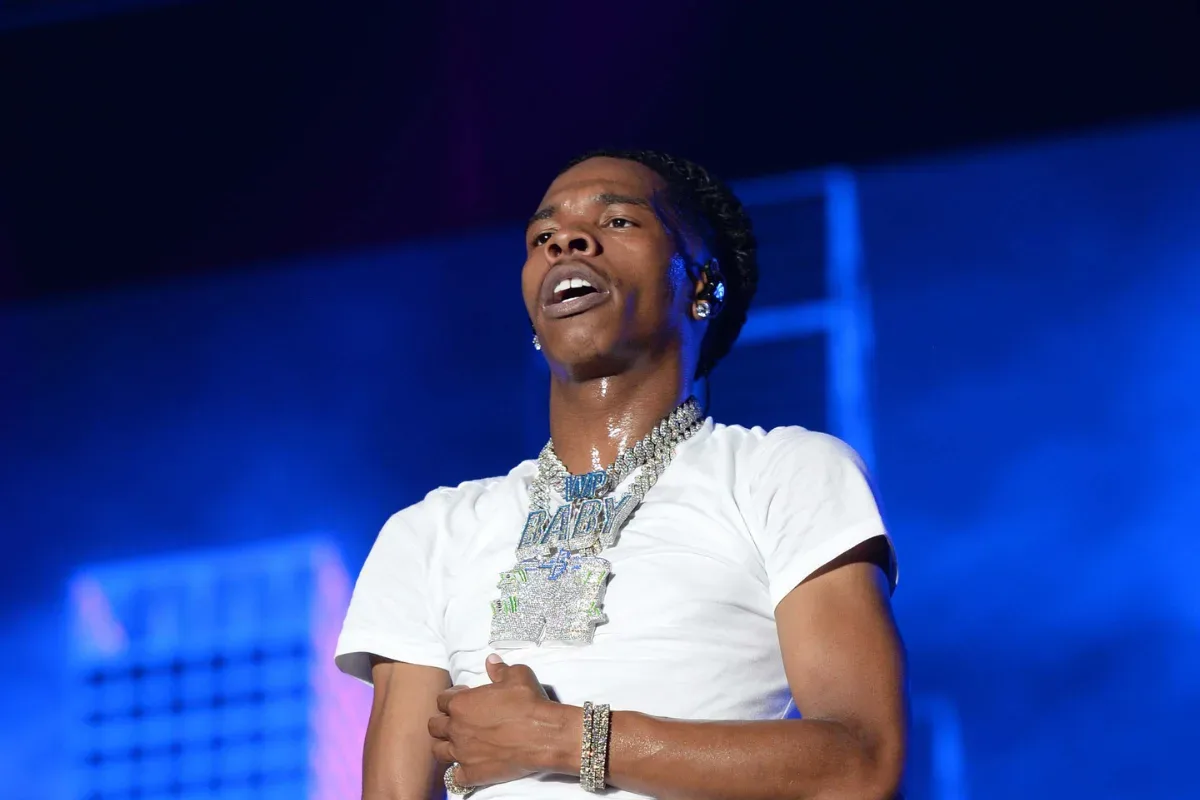
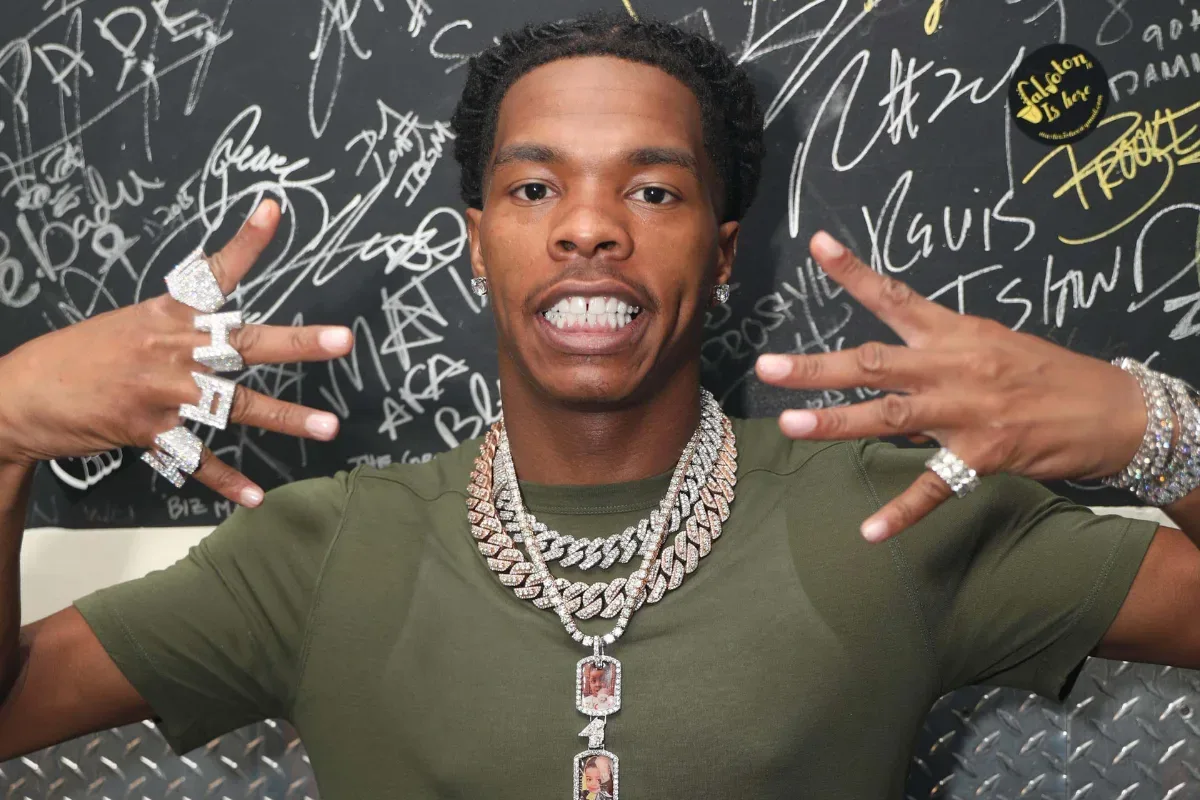
Lil Baby’s FRESH has arrived with a split-result chart week that is more substantial than a simple “No. 2 debut” label suggests. The 17-track album opens at No. 2 on the all-genre Billboard 200 with 59,000 equivalent album units from U.S. activity measured between November 6 and November 12. At the same time, it gives the rapper his fifth No. 1 on Top R&B/Hip-Hop Albums.
There is a second victory attached to the release cycle: “Dead Fresh” has climbed to No. 1 on Hot Rap Songs in its 17th week. The Pharrell Williams-produced song had spent 14 nonconsecutive weeks at No. 2, held out of the lead by Drake’s “Janice STFU,” before finally moving up.
Those outcomes tell two related but different stories. FRESH made a large enough opening-week impact to lead its genre chart, while “Dead Fresh” demonstrated an unusually patient chart run. One is an album-level result gathered across the project; the other is a song-level payoff after months in circulation. Together, they make the rollout look less like a one-week event and more like a campaign with a late-arriving single milestone.
What 59,000 equivalent album units means here
The 59,000-unit opening is not a count of 59,000 people buying a full album. Equivalent album units are a combined chart measurement, and the reported total incorporates U.S. streaming activity as well as album sales during the tracking window.
Streaming supplied 55,000 of FRESH’s units, while album sales supplied 4,000. Its songs generated 56.8 million official on-demand streams in the same opening week. Put plainly, the debut was overwhelmingly driven by listeners playing the record’s tracks rather than purchasing the album outright.
That distinction matters when discussing what an opening total represents. A strong streaming-first start indicates broad consumption across the tracklist, but it is not interchangeable with an opening powered by full-album purchases. Both contribute to the overall result, yet the mix gives a more precise view of how the number was assembled.
The early estimate for FRESH had put the album above 60,000 units and left room for a potential all-genre No. 1. The completed result lands just below that preliminary threshold at 59,000 and at No. 2 on the Billboard 200. Forecasts are inherently provisional while a tracking period remains open; the finalized figures are the meaningful benchmark for the debut.
A fifth Top R&B/Hip-Hop Albums leader
With FRESH, Lil Baby now has five No. 1 albums on Top R&B/Hip-Hop Albums. The previous leaders were My Turn, the Lil Durk collaboration The Voice Of The Heroes, It’s Only Me, and WHAM.
Related coverage includes Lil Baby’s FRESH Opens at No. 2 as “Dead Fresh” Hits No. 1.
That genre-chart streak provides important context for the No. 2 overall finish. It is not an all-genre chart-topper, but it still extends a consistent run of leading results in the R&B/hip-hop album category. The distinction is worth keeping intact: the Billboard 200 measures releases across genres, while Top R&B/Hip-Hop Albums is a genre-specific ranking. A record can lead one without leading the other.
For music fans tracking the commercial arc rather than treating charts as a win-or-loss scoreboard, the two positions answer separate questions. No. 2 shows where FRESH stood among all albums that week. No. 1 on Top R&B/Hip-Hop Albums shows that it led its designated genre field. Neither fact cancels the other.
Why comparisons with WHAM need their full context
WHAM opened with 140,000 equivalent album units in 2025, which puts FRESH 81,000 units behind that earlier launch. The difference is clear, but the composition of the two debuts is just as important as the headline totals.
WHAM included 50,000 album sales in its first week, compared with 4,000 for FRESH. That 46,000-unit difference in full-album sales accounts for more than half of the total 81,000-unit gap. In other words, the comparison is not solely about a decline in listening volume: purchases were a major separating factor.
The earlier release also had a rollout element that should not be overlooked. WHAM launched with a paid expanded edition containing four extra songs, and those tracks did not reach streaming services until the following week. That setup is materially different from the available information around FRESH, so a straight line between the two opening numbers would leave out a key variable.
This does not make the figures incomparable; it makes careful comparison necessary. WHAM had a much larger first week, especially in album sales. But its paid expanded edition also means its release configuration played a part in how audiences could engage with the project at launch. The clearest conclusion supported by the numbers is that FRESH opened as a streaming-led release, whereas WHAM paired its larger overall total with a far larger sales component.
“Dead Fresh” turns longevity into a No. 1
“Dead Fresh” reaching the top of Hot Rap Songs after 17 weeks is the other headline from the campaign. The song was introduced months before the album release, first appearing during Louis Vuitton’s menswear show in Paris in June before becoming part of the FRESH rollout. Pharrell Williams produced the track.
Its eventual ascent follows a long period immediately outside the peak position. Fourteen nonconsecutive weeks at No. 2 is a notable pattern because it shows the track remained in close contention over time rather than making one brief attempt at the top. Its No. 1 arrives in the same period that the album has opened, connecting the single’s gradual build to the record’s release-week attention.
It is also a reminder that album campaigns do not always move in a neat sequence where a song peaks before the parent project appears. Here, “Dead Fresh” was in circulation first, spent months near the summit, and reached No. 1 only after FRESH had been released. The delayed peak makes the song’s trajectory a distinct achievement rather than merely another line inside the album’s debut statistics.
The collaborators behind a mostly solo record
FRESH is mostly a solo Lil Baby album, although its guest and production credits include familiar names. Future and Young Thug appear alongside Rylo Rodriguez on “All My Partnas.” Rylo Rodriguez returns on “In Your Head.”
Behind the boards, the listed collaborators include Metro Boomin, London on Da Track, and Pharrell Williams. Their presence gives the record several established creative connections while keeping the vocal feature list relatively compact across 17 tracks. “Dead Fresh,” in particular, links Pharrell’s production work to the release’s most visible single-chart result.
The album’s performance is one part of a broader hip-hop news cycle in which release strategy, ownership questions, and long-tail song success can intersect. For another recent music-industry development, see the unresolved details around Quavo’s “Bubble Gum” copyright case.
What comes next for the FRESH campaign
The reported first-week period ends on November 12, so these figures describe the opening snapshot rather than the album’s full commercial life. The most immediate scheduled event is Lil Baby’s Fresh Prince Of Atlanta birthday concert, set for December 5 at State Farm Arena.
For now, the clearest reading of FRESH is specific rather than absolute. It is a No. 2 Billboard 200 debut with 59,000 equivalent album units, a fifth No. 1 for Lil Baby on Top R&B/Hip-Hop Albums, and a release whose opening activity came primarily from streaming. Alongside it, “Dead Fresh” has converted 17 weeks of persistence—and 14 separate weeks at No. 2—into the Hot Rap Songs lead.
That pairing gives the era two legitimate chart landmarks: one for the complete project and one for the single that took the longer route to the summit.