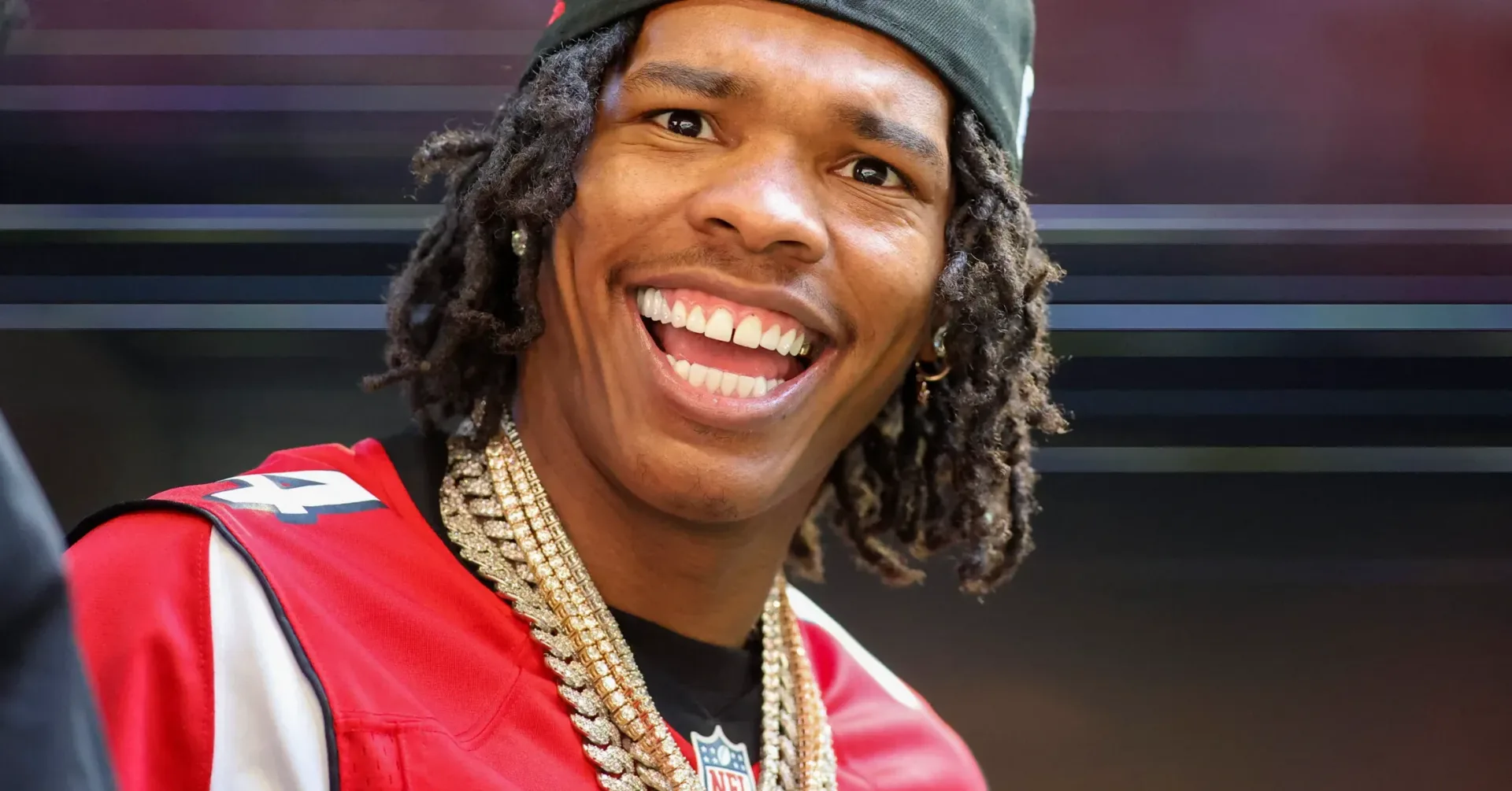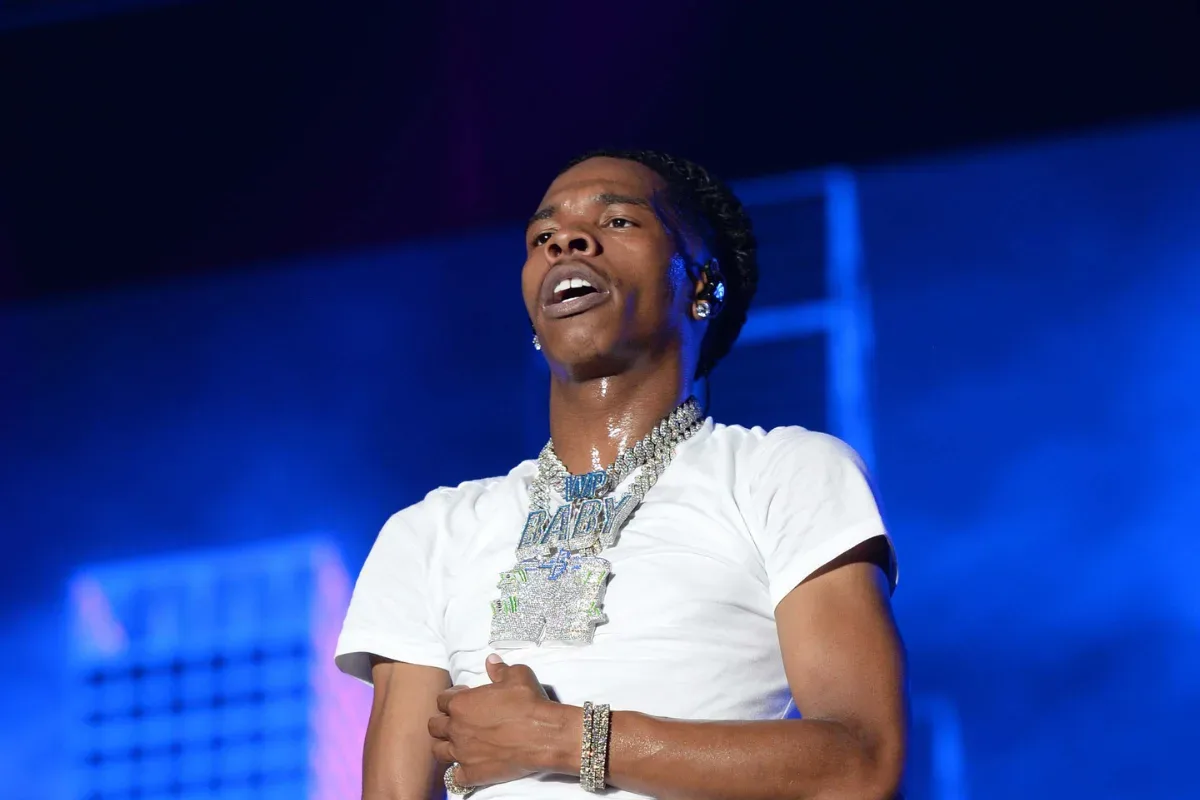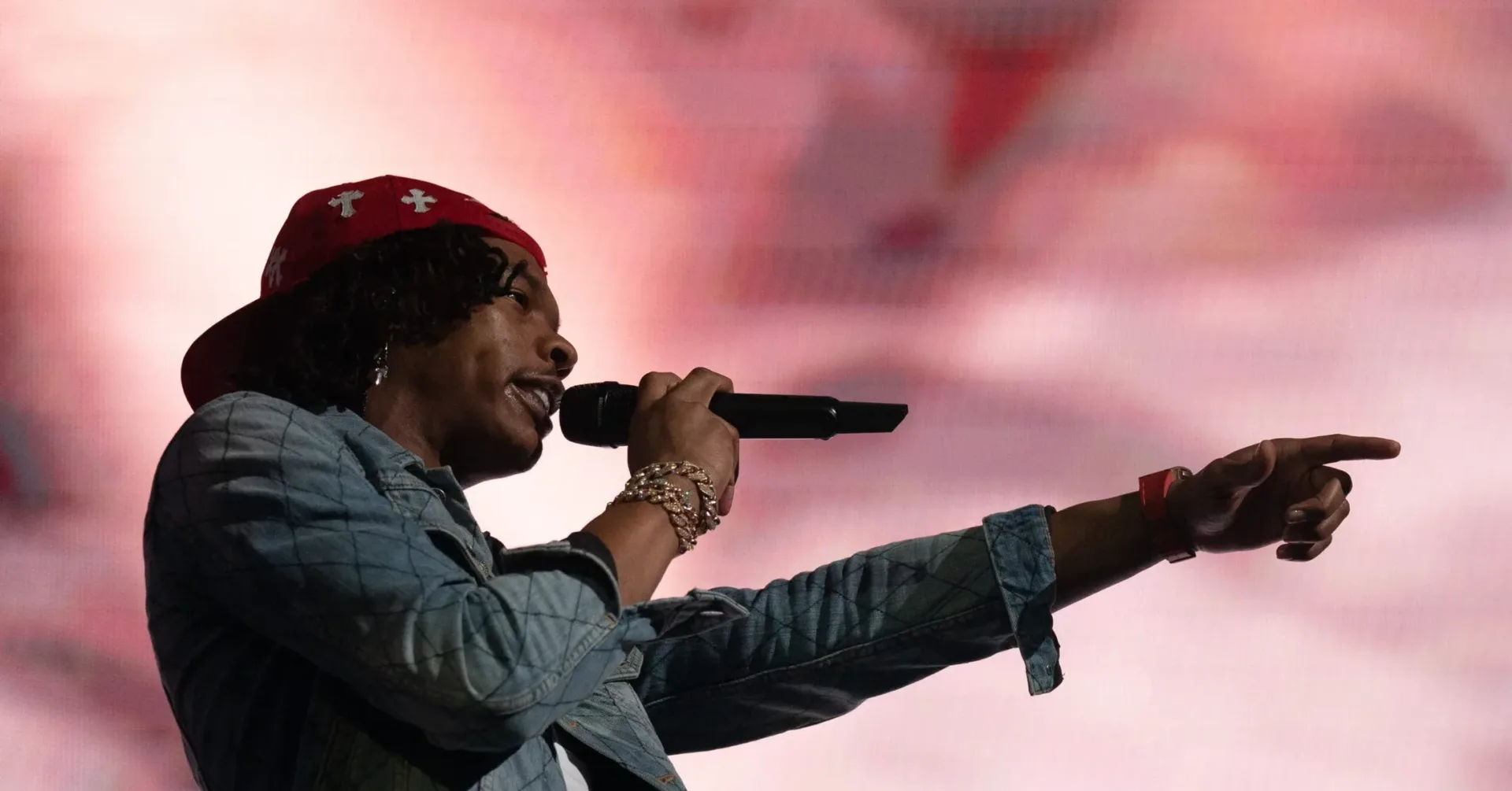
Lil Baby’s Fresh has reportedly opened at No. 2 on the Billboard 200 with 59,000 first-week units. Of that total, 4,000 were described as pure sales. It is a substantial chart debut in placement, but the opening-week total sits well below the recent benchmarks attached to the rapper’s previous releases.
The comparison is stark: My Turn is cited at 197,000 first-week units, while Lil Baby’s more recent WHAM opened with 140,000. Against those figures, Fresh begins 81,000 units below WHAM and 138,000 below My Turn. That makes the No. 2 bow a more complicated result than the chart position alone suggests.
There is an important distinction in the numbers. First-week units are the industry’s combined measure used for album-chart performance, while pure sales refer to direct purchases of the album. The reported 4,000 pure-sales figure means direct purchases were only one component of the 59,000-unit opening. The supplied information does not break down the remaining total into further categories, so it would be inaccurate to assign it to any particular format or listener behavior.
A high chart position, but a lower commercial starting point
A No. 2 debut is still a prominent position on a major album chart. It shows that Fresh entered the week as one of the market’s most significant new releases. But chart rank and opening volume answer different questions. Rank describes where an album finished relative to other releases in a given week; units show the scale of its measured opening activity.
That difference is the center of the conversation around Fresh. The reported figure does not erase its No. 2 finish, nor does the No. 2 finish make its gap from Lil Baby’s earlier openings disappear. Both facts can be true at once: the album made a strong chart entrance, and it did so with a notably smaller first-week total than the two comparison points provided.
For fans looking at career momentum, the more useful comparison is therefore not just “Did the album reach the top tier of the chart?” It is also “How did this opening compare with the artist’s own recent history?” On that narrower measure, Fresh falls short of the cited launches for both WHAM and My Turn.
Reception became part of the rollout story
The commercial discussion has unfolded alongside criticism of the album itself. Some listeners have characterized Fresh as derivative and less passionate than My Turn. Others have framed the release as evidence of a broader decline in Lil Baby’s output. Those are reactions and opinions, not measurements of quality, but they matter because public sentiment can shape the way an album rollout is received.
The discourse was not limited to ordinary fan debate. Commentary from DJ Akademiks was highlighted as notably blunt, and the wider online conversation repeatedly returned to the question of whether Lil Baby had lost momentum. When that becomes the dominant framing around a release, the artist is contending with a narrative beyond the music: every song, single, and sales update is treated as proof for or against that narrative.
Related coverage includes Lil Baby’s ‘Fresh’ Opens at No. 2 With 59,000 Units.
That does not establish a single cause for the reported 59,000-unit start. The available information does not provide a complete release strategy, track-level consumption data, audience demographics, or a week-by-week comparison with competing albums. It does, however, show that the response to Fresh was already divided before the first-week figure arrived.
“Dead Fresh” had visibility, not unanimous approval
“Dead Fresh” was presented as a successful single, receiving radio play and attracting plenty of attention. Yet visibility did not translate into uniformly positive conversation. The song also became a social-media meme, turning a portion of its online reach into a joke rather than straightforward endorsement.
That distinction is increasingly important in music culture. A meme can expand awareness quickly, but awareness is not the same as durable support for an entire album. A track can circulate widely because people enjoy it, because they are debating it, or because its hook has become an easy vehicle for parody. The supplied information establishes that “Dead Fresh” had radio presence and internet traction, but it also indicates that the tone of the conversation was not wholly favorable.
In practical terms, this meant the single could not fully quiet the skepticism surrounding the album. Instead of functioning only as a promotional win, it became part of an argument about Lil Baby’s current creative standing. That is a difficult environment for a project whose reception was already being judged against a career high point such as My Turn.
What the numbers can and cannot say
The reported result supports a few clear conclusions. Fresh debuted at No. 2, posted 59,000 first-week units, and recorded 4,000 pure sales. Its opening is lower than the 140,000 cited for WHAM and the 197,000 cited for My Turn. Those comparisons are numerical and direct.
They do not, on their own, settle broader claims about Lil Baby’s career, the quality of the album, or the health of hip-hop. The suggestion that hip-hop’s overall popularity has declined has been raised in the public discussion, with Lil Baby pointing to that larger trend as part of the explanation for the discourse around him. But the available figures concern one album’s first week and cannot independently prove why listeners did or did not engage at a certain level.
Likewise, comparisons to Drake’s ICEMAN have been used in conversation to argue that audiences will show up when they strongly connect with a release. That is an argument about audience response, not a controlled explanation of Fresh’s performance. Different projects can have different timing, competition, promotion, and fan expectations. The supplied data is enough to identify a lower opening for Lil Baby, but not enough to isolate one definitive reason.
Why the response matters beyond opening week
First-week performance is an immediate snapshot, not a complete commercial lifespan. An album can continue to find listeners after its debut, and a No. 2 start gives Fresh a visible foundation from which to do that. At the same time, the opening-week conversation will likely remain influential because it arrived with an unusually easy set of comparisons: 59,000 versus 140,000 versus 197,000.
For Lil Baby, the next phase is less about explaining a single statistic than shifting attention back to the music. The criticism described around Fresh centers on originality and passion, which are creative concerns rather than merely promotional ones. If listeners remain unconvinced, further radio exposure or online attention may not change the core reaction. If songs from the album develop a stronger connection over time, the opening-week narrative could become less central.
The situation also illustrates why album rollouts now face two separate tests. One is measurable: chart placement, unit totals, and direct purchases. The other is cultural: whether the songs generate excitement, respect, amusement, criticism, or indifference. Fresh has a strong placement on the first measure, but its lower unit total and divided reception have made the second measure impossible to ignore.
The business side of music is also shifting in visible ways, including the people and services that connect artists with audiences; see our coverage of Jesús López’s move to chairman emeritus at UMG’s Global Talent Services. For Fresh, though, the immediate takeaway remains simple: Lil Baby has secured a No. 2 debut, but the reported 59,000-unit opening has intensified questions about how his latest album is landing with the public.