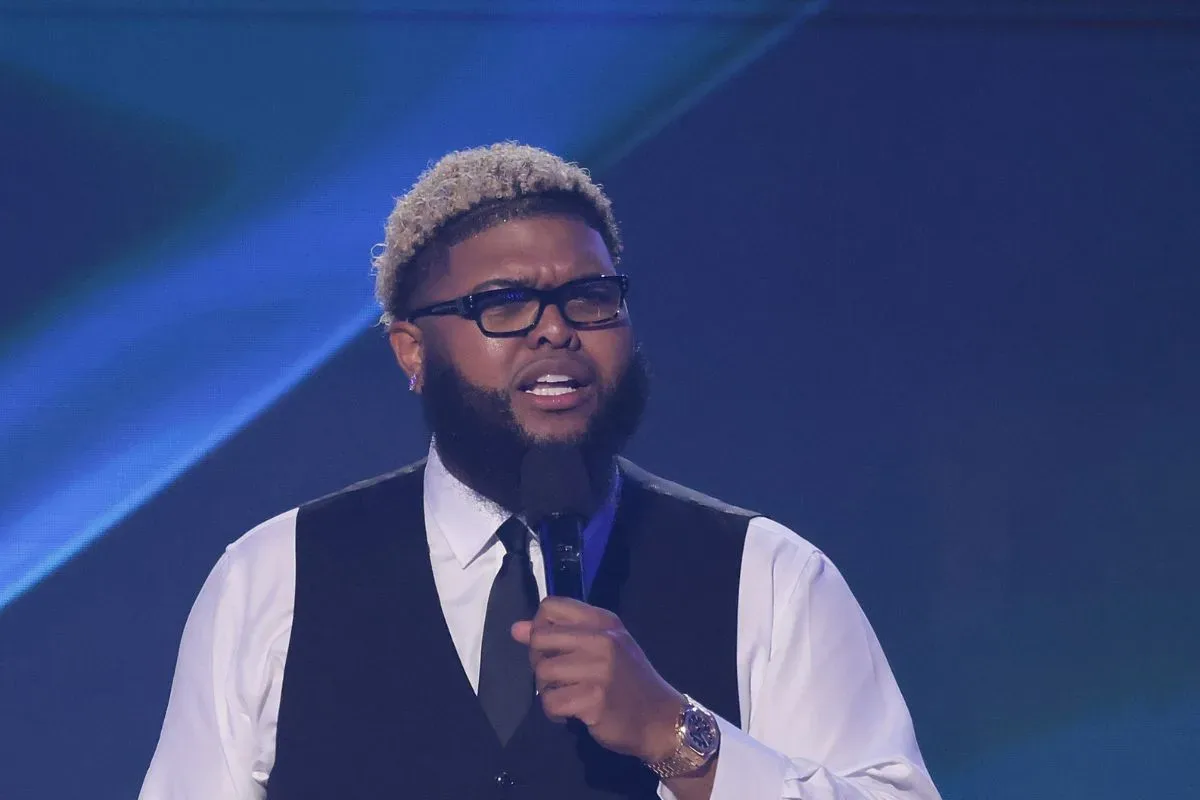

Chris Rock has offered unusually high praise for Druski’s Saturday Night Live hosting debut, framing the younger comedian’s steadiness on the live sketch show through a comparison to Eddie Murphy.
Speaking with Ben Stiller on The A24 Podcast, Rock called Druski “the most confident, well-adjusted, young comedian I’ve ever seen” and described that quality as “so healthy.” He then named Murphy as the only comedian he had seen with similar confidence at a young age.
It is a striking comparison precisely because Rock was not only assessing whether a joke worked. He was talking about composure: the ability to remain assured and flexible in a setting where a host must move rapidly between an opening monologue, filmed material, sketches and multiple characters in front of a live audience.
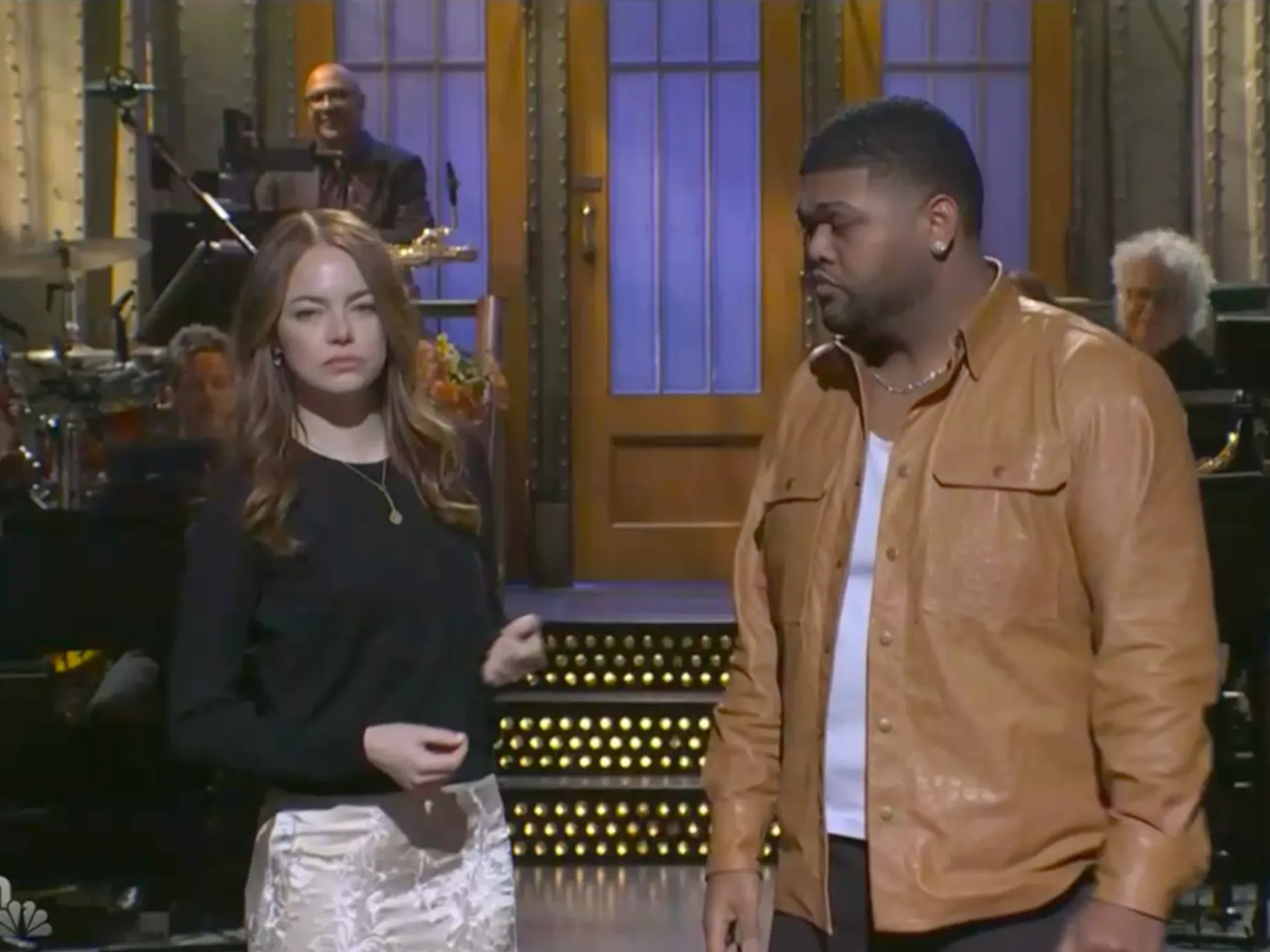
Druski’s November 7 episode drew 5.6 million television viewers, the biggest audience for the program in two years. Rock attended the show at Studio 8H and appeared in the closing goodnights with Dave Chappelle, Michael B. Jordan and Austin Butler. Emma Stone, Druski’s co-star in the baseball comedy The Catch, appeared during his monologue, while The Strokes served as musical guests.
Why Rock’s Murphy comparison carries weight
Rock and Stiller also discussed how Murphy had seemed to come from an earlier generation despite being only around four years older than either of them. Rock said that sense of awe remained with him decades later, recalling a visit to Murphy’s home to watch a Michael Jackson movie together.
That personal history explains why Rock chose his words carefully. This was not a claim that Druski has duplicated Murphy’s career, body of work or comic style. Nothing in the discussion suggests that. Rather, Rock used Murphy as the clearest reference point he had for a young performer appearing unusually secure in a highly visible comedy environment.
Confidence can be an imprecise word in comedy coverage, so it is useful to separate it from volume or bravado. In this context, Rock’s point was about a performer looking comfortable under the distinct pressure of live television. A sketch-show host has to be responsive to timing, scene partners and abrupt changes in tone, while also making a series of short appearances feel connected by a recognizable comic presence.
Rock specifically pointed to Druski’s Joe Jackson parody during the conversation and was eager to show it to Stiller. The choice is notable because a character spoof needs more than a recognizable surface impression. It has to establish a point of view quickly enough that viewers understand the joke before the sketch moves on. Rock’s praise indicates that he saw Druski’s performance as part of a broader command of the episode, rather than as one isolated viral-ready moment.
Related coverage includes Chris Rock Says Druski’s SNL Confidence Reminded Him of Eddie Murphy.
An online creator arrives on a traditional national stage
Before the NBC booking, Druski had already spent years making comedy online. His work included mock auditions tied to the fictional label Coulda Been Records. That background became central to Rock and Stiller’s discussion, which considered whether comedians who build their own audiences before reaching a legacy platform arrive better prepared for a large national stage.
The idea is not that online popularity automatically translates into live sketch skills. Rock made a clear distinction: he agreed that younger comics can appear more secure, but cautioned that some may bring ease to stand-up without putting in enough work to make the joke land. Put plainly, comfort in front of a camera is not the same skill as joke construction, escalation, character work or delivery.
Still, independently producing material can require a performer to make repeated decisions about premise, persona, pacing and audience expectations. The experience also means the comedian is used to being the person who must carry the viewer’s attention, instead of entering the public eye solely through an established television pipeline.
That does not eliminate the risks of an SNL-sized assignment. Live television offers limited room to recover from a missed line, a technical issue or a sketch that does not immediately find its rhythm. It also asks a host to serve the ensemble and the format, rather than simply present the version of their work that has already succeeded online. Rock’s response suggests that Druski handled that transition with a level of calm he rarely sees.
The discussion also lands amid wider questions about how creators cultivate audiences before moving into bigger media roles. Similar tensions appear in debates around what platforms and performers owe viewers when content spreads through streams and clips; game creators are wrestling with the reach and limits of streaming too. The formats differ, but the underlying issue is familiar: a direct relationship with an audience can create opportunities while changing the expectations placed on the creator.
What the audience figure does—and does not—say
The 5.6 million television viewers for Druski’s episode provide a concrete marker for the scale of the night. It was the show’s largest TV audience in two years, an outcome that underlines the visibility of a hosting turn even for a comedian who already has a sizable online following.
That number should not be treated as proof that one performer alone produced the result. The episode also had a guest lineup that included Stone and The Strokes, and SNL viewership reflects many factors beyond a host’s performance. What it does establish is that Druski’s move to the broadcast stage happened in front of an especially large television audience, making Rock’s focus on his composure all the more meaningful.
For viewers, the useful takeaway is less about crowning a successor to anybody and more about recognizing a shift in the route performers can take. A comedian can now develop recurring ideas and characters online, cultivate an audience in public and then face a traditional live-TV test with more reps as a producer and on-camera presence than previous generations could realistically accumulate.
Rock’s caveat remains important. Exposure and self-assurance are not substitutes for the hard, less visible mechanics of comedy. A punchline has to be clear. A scene has to build. A character has to earn the reaction it seeks. The most durable performers combine confidence with those fundamentals, rather than mistaking audience familiarity for craft.
Druski’s next project extends the move beyond short-form comedy
Druski is set to star alongside Mike Epps in Collect & Praise, a series included in his multiyear Netflix deal. The project gives his post-SNL trajectory a clear next marker, moving from creator-led online work and a one-night live hosting showcase into a series format with another established comedian.
That makes Rock’s assessment timely. The praise is not merely retrospective celebration of a successful television appearance; it speaks to whether Druski can carry confidence and character-based instincts across formats with different demands. An online comedy clip, a live sketch and a serialized project each ask for a different kind of pacing and collaboration.
There is no need to turn the Murphy comparison into a prediction that Druski must follow anyone else’s path. Rock’s actual point was more focused, and arguably more valuable: he saw a young comedian navigate an intimidating live-TV opportunity without looking overwhelmed. In an industry that often confuses visibility with readiness, that is a meaningful distinction.