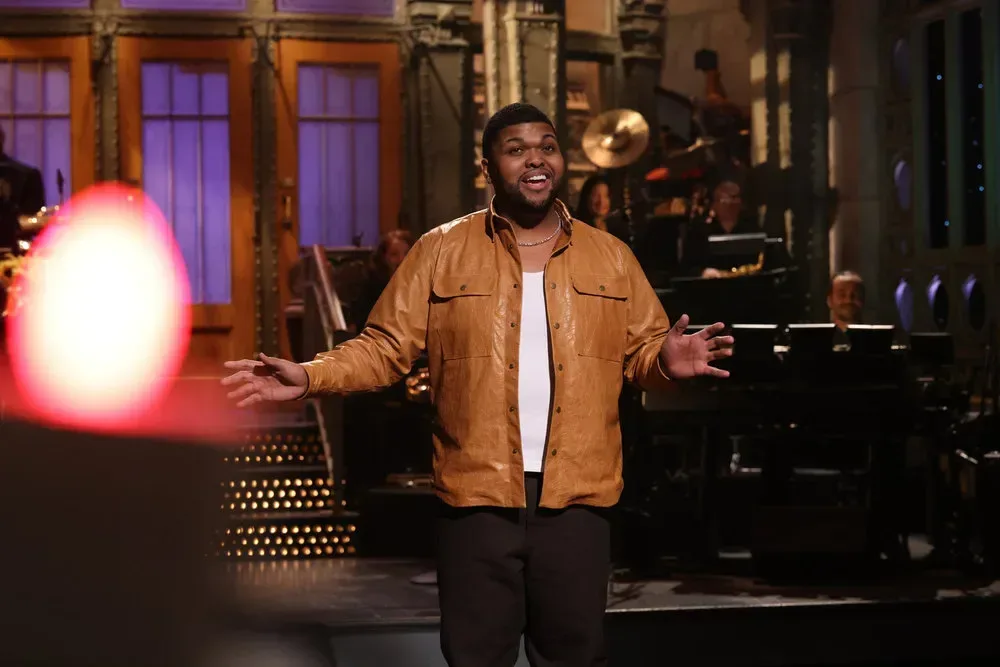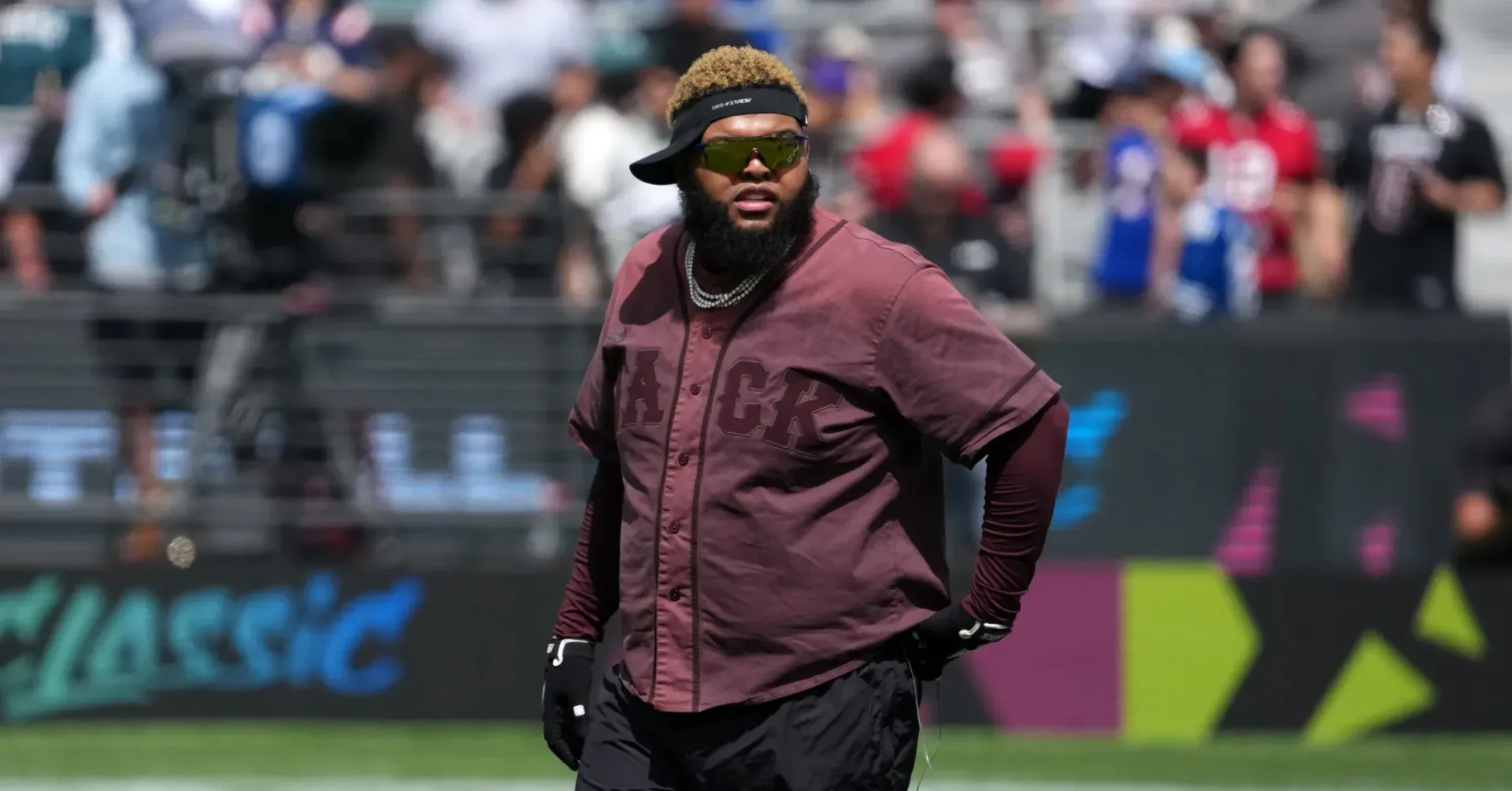
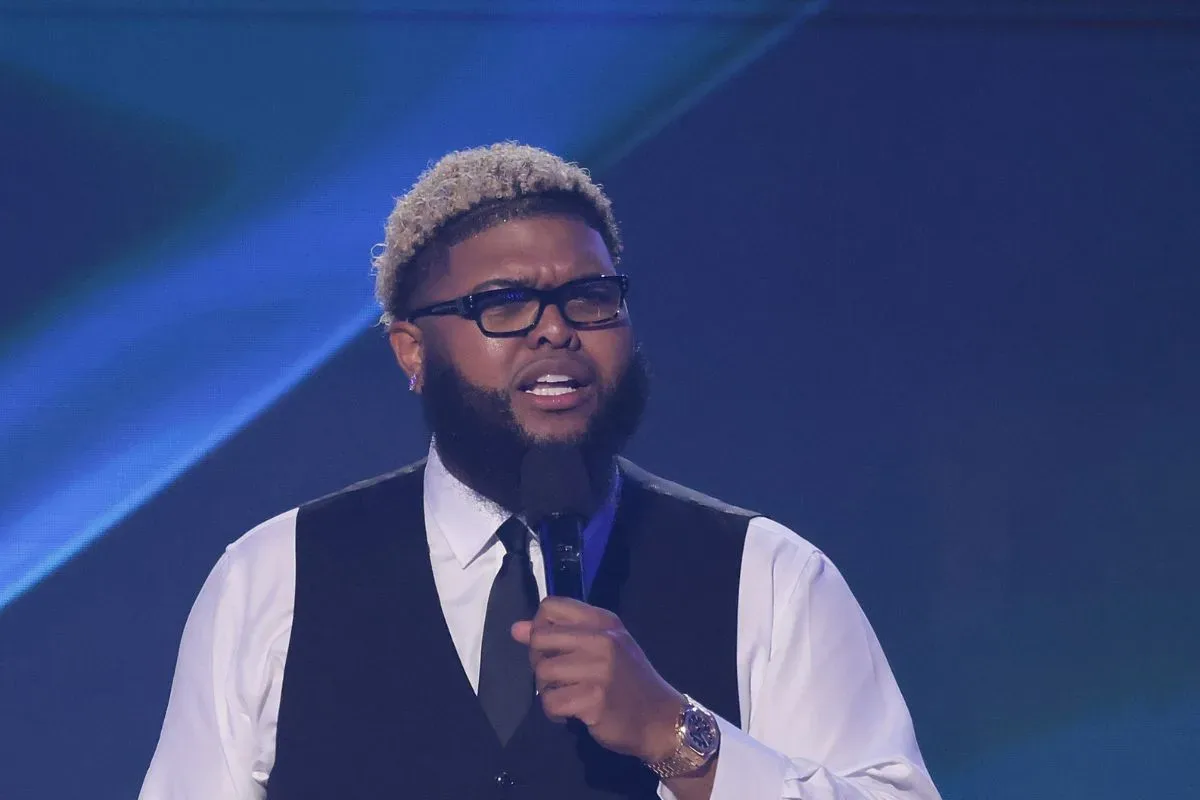
Druski’s first turn as Saturday Night Live host delivered 5.6 million television viewers on November 7, representing the sketch show’s largest television audience in two years. The episode paired the comedian and creator with musical guest The Strokes, and its initial Nielsen Live+Same Day results also showed meaningful growth over the prior week’s broadcast.
The number is substantial, but it needs to be read precisely. It is a television-only measurement, not a full accounting of every way viewers may have watched or encountered the show. Live Peacock streams, social-media traffic and delayed-viewing results were not included in the reported total. Still, for the traditional TV audience captured in the initial window, Druski’s debut was a clear step up.
What the initial ratings say
The episode drew about 1.5 million adults between 18 and 49, a demographic that remains a major benchmark for television advertising. Total viewership was up 8% from the previous week, while the adults 18–49 figure rose 18%.
The prior broadcast featured host Inde Navarrette and musical guest Gracie Abrams. That makes the week-over-week comparison straightforward: Druski’s installment improved in both the broad audience total and the advertising-focused adult demographic.
Live+Same Day refers to viewing measured live during the broadcast and through the same calendar day. It is an early snapshot rather than a final audience tally. A viewer who watched later through a delayed recording or another eligible delayed window may be reflected in later ratings reports, but those figures were not yet available here.
Equally important, the 5.6 million figure should not be treated as a total count of everyone who watched Druski material connected to the episode. It excludes live Peacock viewing and social traffic, two areas that matter especially for a performer whose comedy career was built online. The available result is best understood as a strong conventional-TV performance, not an all-platform measurement.
A two-year milestone, not an all-time claim
Druski’s episode was the show’s biggest television audience since November 2, 2024. That earlier broadcast, hosted by John Mulaney with Chappell Roan as musical guest, reached 6.8 million viewers and also included a surprise appearance by Kamala Harris.
That context places the new figure accurately. Druski’s 5.6 million did not exceed the Mulaney episode’s 6.8 million, but it became the highest result in the two-year span since then. The difference matters because ratings headlines can easily turn a defined benchmark into a broader claim than the data supports.
Related coverage includes Druski’s SNL Debut Draws 5.6 Million Viewers, Its Biggest Audience in Two Years.
There are also several reasons not to reduce the result to one simple explanation. A weekly live sketch show’s audience can be shaped by the host, musical guest, the competition on a given night, publicity around individual sketches and the habits of viewers who choose to watch live. The supplied figures establish the size of the audience and the change from the previous week; they do not prove precisely which factor drove it.
Why Druski fits the live-sketch format
The episode gave a wider television audience a look at the character-driven approach that has defined Druski’s work. His debut included the “Dru Can See Everything” sketch involving Elizabeth Holmes, while Emma Stone appeared during his opening monologue.
That emphasis on playing a role is central to the larger business around Druski’s comedy. His existing franchises include Coulda Been Love, Coulda Been Daddy and Coulda Been Records Auditions. Rather than being presented solely as a stand-up performer moving into one isolated television project, he is bringing multiple established comedy formats into a new distribution arrangement.
The distinction is practical. Character comedy can move across short sketches, audition-style premises, scripted series and live television appearances while retaining a recognizable creator at the center. A successful high-profile hosting slot does not automatically establish what a streaming project will do, but it can introduce the performer’s on-screen persona to viewers who have not followed the internet-first series.
That crossover is also worth watching through the wider lens of pop-culture coverage, where performance work increasingly travels between social platforms, broadcast television and streaming services. For another example of how acting projects are framed beyond their original format, see this look at Jonathan Lipnicki discussing the emotional stakes of a “Primetime” role.
The Netflix deal expands the audience path
The ratings result arrives during an expansion period for Druski and his company, 4Lifers. The company recently secured a multiyear Netflix agreement that will bring existing comedy franchises to the service while making room for new original projects.
The existing series and sketches covered by the arrangement have generated more than one billion combined YouTube views. That total demonstrates the scale of the online audience that preceded the streaming agreement, though it should not be confused with the 5.6 million television viewers for one SNL episode. They are separate measures covering different bodies of work, platforms and periods of time.
The deal’s listed titles make clear that Netflix is receiving a wider slate than a single stand-up special or one newly commissioned series. Coulda Been Love, Coulda Been Daddy and Coulda Been Records Auditions are part of the arrangement. For viewers, that means the streaming push is built around formats already associated with Druski, alongside future material.
A notable upcoming project is Collect & Praise, a comedy in which Druski plays a money-hungry pastor. Mike Epps co-stars as a deacon. The premise continues the character-based direction visible in the online franchises and the SNL appearance, although it places that work within a dedicated Netflix project rather than a short-form sketch environment.
Collect & Praise is slated to arrive on Netflix on December 1. No additional details about its format, episode count or release strategy were provided with the available information, so those particulars remain unconfirmed.
What this result means—and what it does not
The immediate takeaway is that Druski’s hosting debut delivered a measurable win for Saturday Night Live in the initial television ratings. It was up 8% in overall viewers and 18% among adults 18–49 from the previous week, and it produced the show’s best television total in two years.
For NBC, the improvement among adults 18–49 is especially notable because that group is routinely used to assess a program’s appeal to advertisers. For Druski, the episode supplied a large mainstream television showcase while his company is moving established internet comedy properties to Netflix.
But the data does not settle the full size of the audience. Peacock livestreams and social engagement are outside the 5.6 million figure, and later delayed-viewing data had not yet been reported. It also does not establish whether viewers will carry over directly to Netflix or to any individual Druski project.
What it does show is a creator with a large online footprint reaching a strong broadcast-TV audience at a useful moment. The host debut, the rise in the key adult demographic and the approaching release of Collect & Praise together mark a visible next phase for a comedy business built around recurring characters and adaptable sketch concepts.