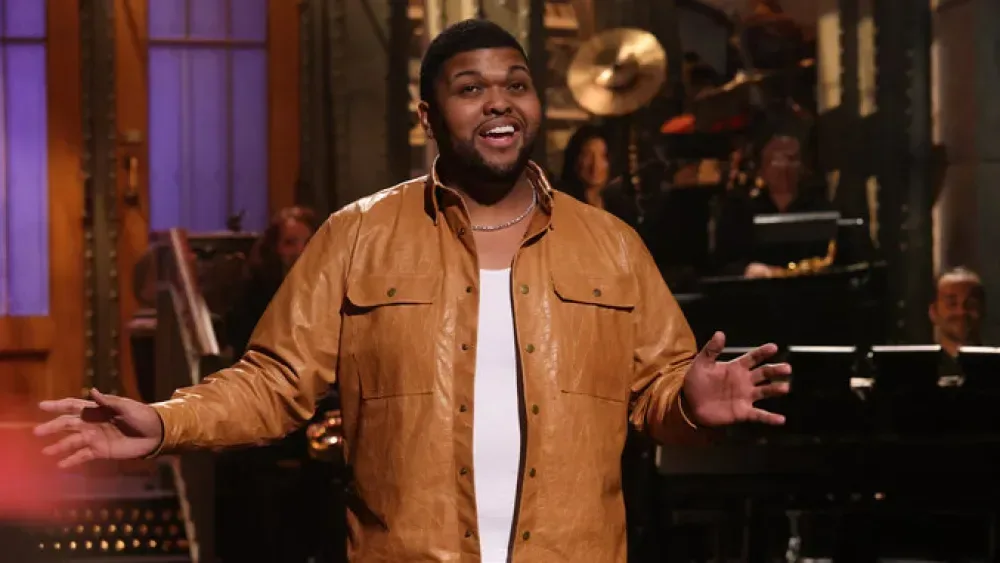

Saturday Night Live’s Nov. 7 episode, hosted by Druski and featuring the Strokes as musical guest, drew 5.6 million viewers. That total sets a new audience high for Season 52, passing the 5.2 million viewers recorded for the Halloween episode hosted by Inde Navarrette with Gracie Abrams as musical guest. It is also the sketch show’s largest reported audience in two years.
A new Season 52 benchmark
The difference between the two Season 52 highs is 400,000 viewers. That is a meaningful move for a program whose weekly audience can shift with its host, musical guest, calendar placement and the broader competition for viewers’ time.
For this specific episode, the basic headline is straightforward: Druski’s hosting turn delivered the season’s strongest reported audience so far. The 5.6 million figure is not simply above the prior record; it places the broadcast at a level the show had not reached in two years.
That does not, on its own, prove why viewers tuned in. The supplied viewing result establishes the size of the audience, the host, the musical guest and its place within the season and recent history. It does not provide a demographic breakdown, streaming figures, a sketch-by-sketch performance report, or evidence that any one creative segment caused the increase. Those are separate questions, and it is worth keeping the distinction clear.
What the number does—and does not—tell us
“Viewers” is an audience measurement describing how many people watched the episode under the reporting method used for the figure. It is a useful headline metric because it offers an immediately understandable comparison between broadcasts. In this case, it allows two supported comparisons: 5.6 million is greater than 5.2 million, and the Nov. 7 show represents a two-year high for SNL.
It is not a complete measurement of cultural impact. A television episode can prompt clips, discussion and repeat viewing that are not represented by a single viewer total. Conversely, a large viewing total alone does not identify which sketches landed most effectively or how the audience felt about the episode. Audience scale and audience reaction can overlap, but they are not interchangeable.
The current report also does not state whether the total combines every way people might watch SNL. As a result, the safest reading is the narrow one: the episode’s reported audience was 5.6 million viewers. It should not be expanded into claims about total cross-platform reach, younger viewers, online video consumption, ratings share, or ad performance without additional data.
Why the host-and-musical-guest pairing matters
SNL is built around a weekly event format. The host typically anchors the comedy sketches and monologue, while the musical guest contributes performances that give each episode its own identity. Druski and the Strokes therefore served different but complementary roles in the Nov. 7 lineup: one as the episode’s host, the other as its music act.
Related coverage includes Druski’s ‘SNL’ Episode Draws 5.6 Million Viewers.
That structure makes weekly comparisons interesting without making them simple. Different lineups can attract different pockets of viewers, and seasonal records can move as attention changes from one broadcast to the next. The previous Season 52 high belonged to the Halloween episode featuring Inde Navarrette and Gracie Abrams, which drew 5.2 million. Druski’s episode now takes that position at 5.6 million.
The result is especially notable because the margin is not merely symbolic. Four hundred thousand viewers separates the two broadcasts. Still, a season-high ranking is a statement about reported audience totals, not a scorecard for the creative quality of either episode. There is no need to turn one measurement into a verdict on performers or sketches.
The practical significance of a two-year high
A two-year high provides more context than a simple “season best” label. A season record can be surpassed later in the same run with a relatively modest change. A two-year high instead says the Nov. 7 broadcast exceeded every reported SNL audience from the preceding two years.
For viewers, this makes the episode a clear point of reference in the current season. For the show, it demonstrates that a live, weekly comedy format can still produce a notably large single-night audience. For entertainment coverage, it also creates a clean benchmark for future episodes: subsequent broadcasts can be measured against 5.6 million, while the earlier 5.2 million result remains an important marker of where Season 52 had stood before Nov. 7.
It is important not to read beyond that benchmark. The available information does not establish a continuing upward trend, nor does it say whether later broadcasts will maintain the same level. One high-performing episode is an achievement and a data point; a trend requires more than one data point.
How to read SNL audience headlines responsibly
Weekly television figures are often presented as a race for the biggest number. That framing is understandable, but it can flatten the details that make a comparison meaningful. A more careful reading begins with the measurement itself, then limits the claim to what the number supports.
- Supported: Druski’s Nov. 7 episode had a reported audience of 5.6 million viewers.
- Supported: It exceeded the 5.2 million audience for the Inde Navarrette and Gracie Abrams Halloween episode.
- Supported: It is SNL’s most-watched reported episode in two years.
- Not established here: why the audience rose, which part of the program drove interest, or how viewers responded to individual sketches.
- Not established here: streaming totals, social-video performance, demographics, ratings share, or revenue implications.
That approach does not diminish the 5.6 million result. It gives the number its proper weight. The episode has moved to the top of Season 52’s reported audience standings and delivered a two-year peak, both of which are significant accomplishments on their own terms.
A useful moment for pop-culture programming
The Nov. 7 broadcast’s performance arrives in a period when large entertainment franchises and established formats continue to compete for attention across many kinds of screens. For another example of how legacy properties remain active in the current pop-culture cycle, see the update on the planned Avengers: Endgame encore additions.
SNL’s result is distinct from a franchise release, however. Its appeal is tied to a single live-show lineup and the expectation that the host, cast and musical guest will create something specific to that night. The 5.6 million-viewer total makes clear that the Druski-and-Strokes edition became a particularly prominent installment of that weekly formula.
As Season 52 continues, the figure to watch is now 5.6 million. The next major audience story will be whether another episode beats it, or whether the Nov. 7 broadcast remains the season’s high-water mark. At present, its status is clear: Druski’s episode leads the season, surpasses the prior Halloween record, and represents SNL’s best reported audience in two years.