Game streaming is now inseparable from how many players discover games. A broadcast can introduce a setting, demonstrate a tricky system, turn a strange moment into a shareable clip and keep a title visible long after its launch window. For a mystery game, though, that same broadcast can reveal the one thing its creators may most want a new player to encounter unspoiled: the answer.
That tension was at the center of a CEDEC+Kyushu discussion between Danganronpa producer Shohei Sakakibara and Paranormasight producer Kazuma Oushu. Both work in a part of gaming where revelations matter, yet they arrived at sharply different conclusions about streaming restrictions. Sakakibara’s position is rooted in protecting the player’s first solution to a murder mystery. Oushu’s is rooted in the possibility that streaming can create awareness, including awareness that eventually becomes a sale.
Neither perspective is frivolous. A spoiler is not simply a piece of incidental information when a game’s structure asks the player to suspect characters, connect clues and identify a culprit. But visibility is especially valuable to niche games that may not have the marketing reach of the industry’s largest releases. The real question is not whether streams are good or bad in the abstract. It is what a publisher should permit when discovery and preservation of surprise pull in opposite directions.
Why a mystery game treats spoilers differently
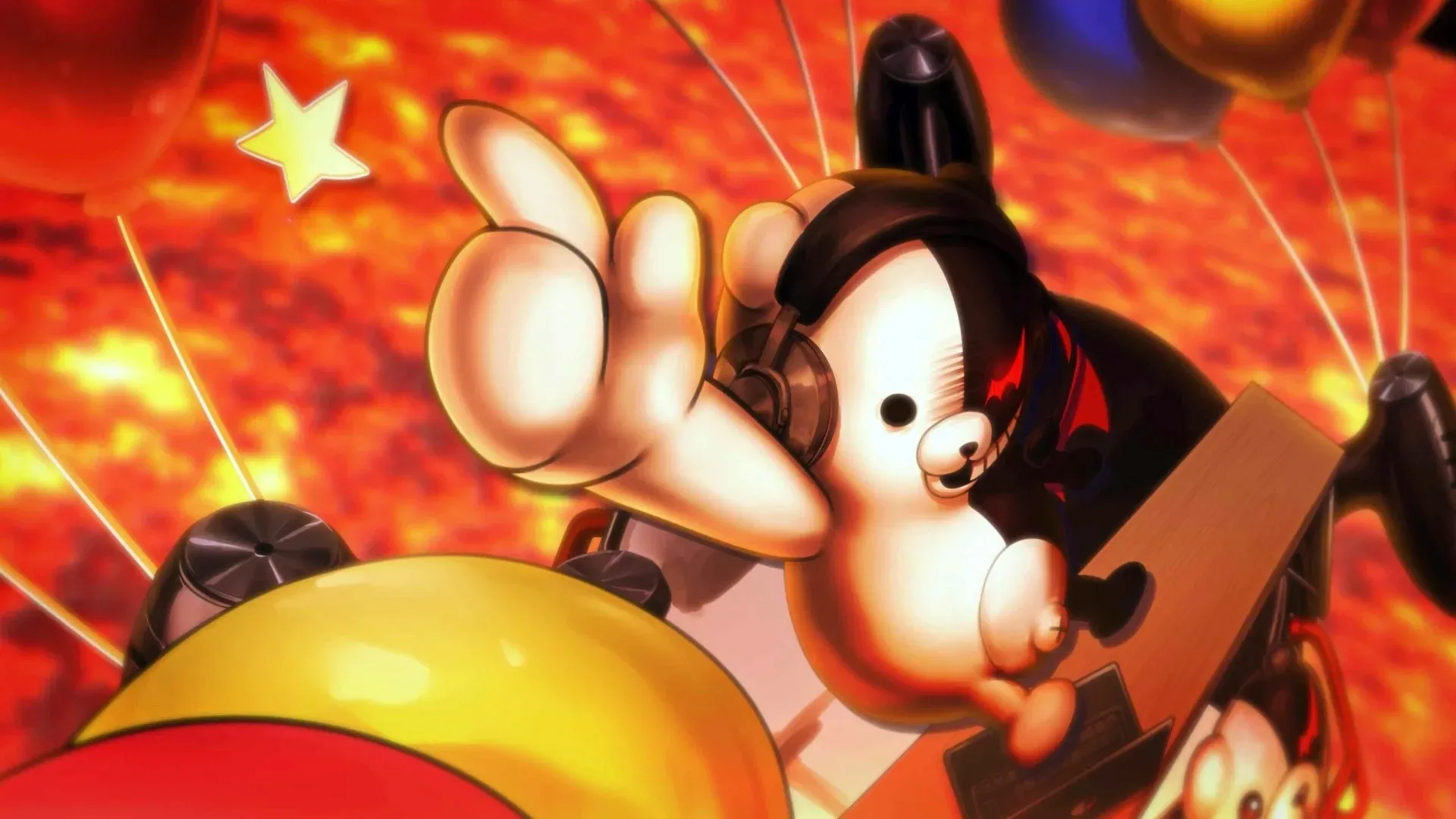
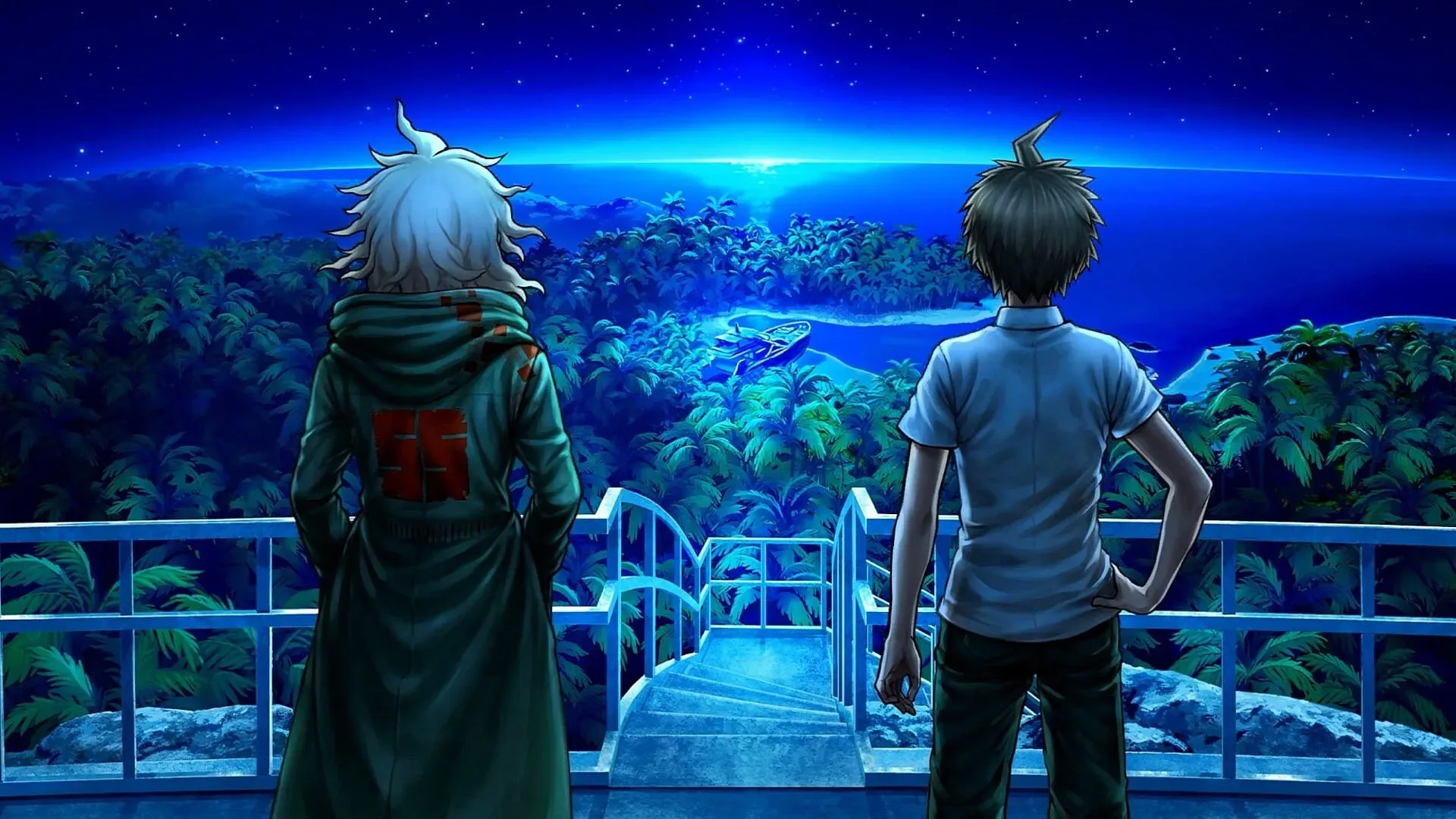
Sakakibara framed the issue in direct terms: learning the culprit beforehand can remove half the enjoyment of a mystery. That is an understandable concern for Danganronpa, where the identity of the guilty party is not merely background lore. It is central to the player’s progression through the story and to the emotional payoff of putting a case together.
In this context, a spoiler restriction means a rule from the rights holder limiting what a creator may broadcast, upload or archive. The rule may stop at a specific chapter, a date, a key story point or the ending. It is different from a viewer-side spoiler warning: rather than asking audiences to look away, it asks streamers not to show specified portions in the first place.
The argument for that approach is strongest when a game’s appeal depends on uncertainty. A game can contain excellent art, characters, music and writing, but its mystery structure still relies on the player not knowing the solution. If a widely circulated stream supplies the answer before someone plays, the developer cannot restore that first encounter. For Sakakibara, restrictions are therefore less about hostility to creators than about safeguarding the experience sold to prospective players.
“If you find out who the culprit is beforehand, half the fun is gone,” Sakakibara said during the discussion.
That concern has practical consequences for creators, too. A stream that ends at an approved stopping point can be less satisfying as a self-contained video, particularly when viewers want resolution. Yet a chapter cutoff communicates a clear expectation: enjoy the permitted material, but leave the decisive reveal for players. It is an attempt to preserve a boundary between demonstrating a game and replacing its central surprise.
Related coverage includes What the Danganronpa streaming debate means for Xbox creators.
Paranormasight offers a more permissive counterexample
Oushu presented a different reading of the relationship between streaming and story games. Paranormasight, Square Enix’s 2023 mystery visual novel, initially prevented streams from covering its final chapter. The limitation lasted less than a month before it was lifted. That is still a spoiler-protection measure, but a notably narrower and shorter one than an indefinite ban on late-game material.
Oushu argued that streams helped people become aware of the game. His view is that people who are inclined to purchase a game may do so even after its tricks are shown in a video. In other words, seeing a solution does not necessarily cancel all reasons to play. A viewer may be drawn by the game’s presentation, its setting or the desire to make decisions and progress through the story personally.
That distinction matters because a stream is not always a substitute for play. For some viewers it is exactly that: they are content to watch an entire story. For others it functions more like a trailer with far more context, providing enough of a look at the game’s identity to make a later purchase plausible. Oushu suggested that viewers can forget detailed plot information while retaining an impression that a game’s world and visuals were compelling. If the game later appears in a sale, that memory may be what brings them back.
His case is also about the long tail. Long-tail sales are purchases that continue beyond the initial release period, rather than being concentrated only at launch. Streaming can potentially extend a game’s public life by producing clips, archives and conversations that remain discoverable. Oushu also noted a possible sequel effect: people who watched the first game might decide to play a later entry themselves without watching streams of it beforehand.
That does not prove that unrestricted broadcasts are universally beneficial. It does, however, challenge the assumption that a complete plot reveal automatically destroys demand. The supplied examples do not establish a broad causal measure of sales impact, and the producers themselves acknowledged that their games’ comparatively lower prices were factors in their success. Price, genre, timing, platform reach and the individual streamer’s audience can all affect whether curiosity turns into a purchase.
Japan’s creator guidelines are more than etiquette
The debate takes place within a more formal rights environment than many viewers may realize. In Japan, story-driven releases can arrive with streaming guidelines that permit some coverage while forbidding material beyond a designated chapter. Those restrictions can last for a limited period or remain in place. Ignoring them can lead to takedowns and, in Japan, potentially legal consequences.
A streaming guideline is the set of permissions and limits a game’s rights holder gives to video creators. It can specify which platforms are allowed, whether monetization is acceptable, what sections are off limits, and how a title must be credited. These guidelines matter because gameplay broadcasts involve copyrighted material. Around the world, streaming has become widely tolerated and frequently embraced by publishers, but that practical acceptance is not the same as a blanket right to use every game in every way.
This helps explain why creators associated with agencies such as Hololive may arrange licenses before broadcasting certain games. A license, in this setting, is authorization from the rights holder to use the game in a stated manner. It gives creators and their agencies more certainty than simply assuming that an upload will be accepted. It also allows a publisher to set terms that account for story spoilers, monetization or other concerns.
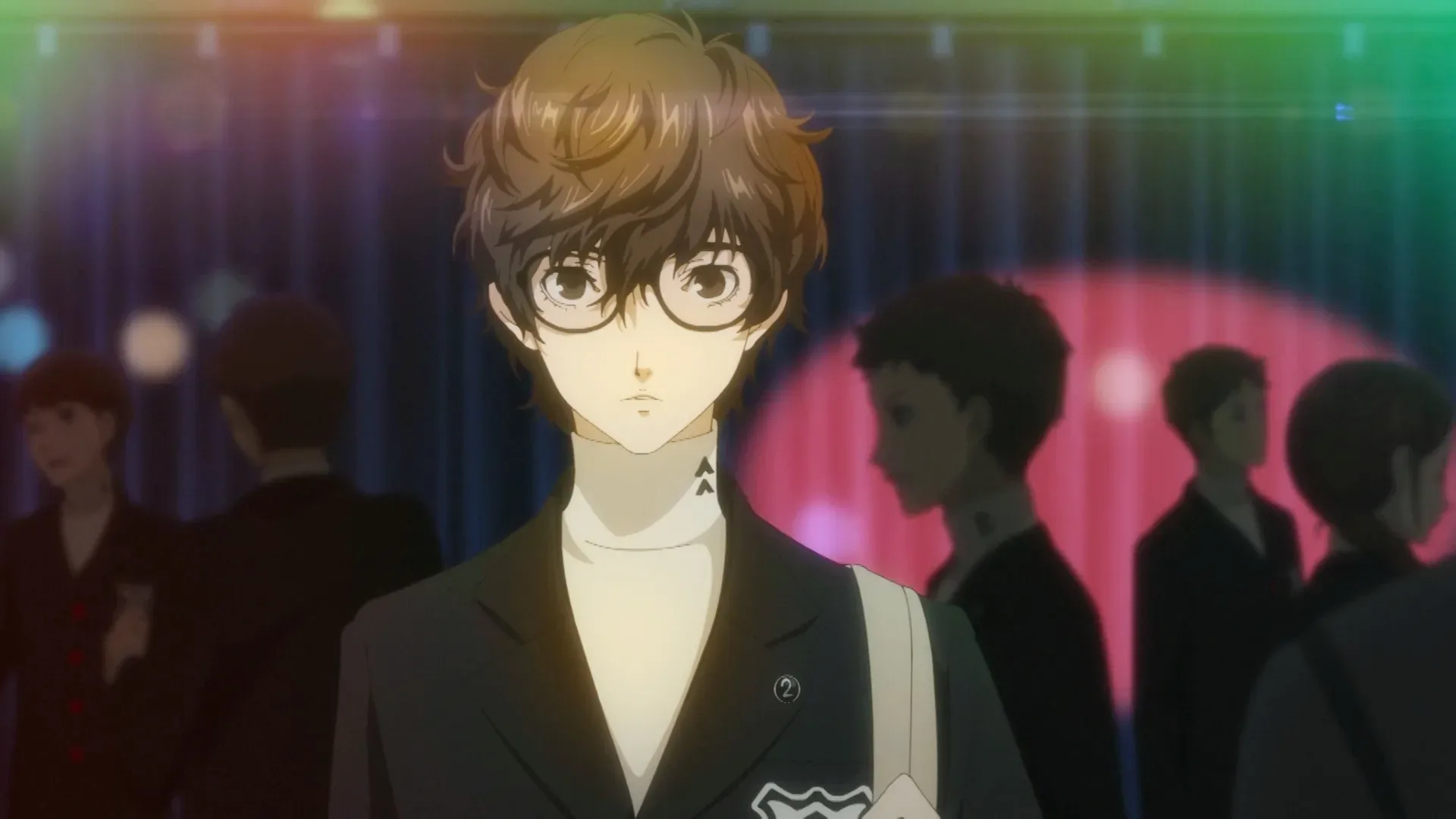
Such rules are not unique to one series. Danganronpa has had chapter-based restrictions, while Atlus has used comparable limits around the Persona games. Restrictions tied to Persona 5 Royal, released in 2019, were lifted in 2023. For more on that publisher’s next major series plans, see Atlus’ comments on the work toward Persona 6.
The difficult middle ground: targeted restrictions
The contrast between Sakakibara and Oushu does not have to result in an all-or-nothing policy. Paranormasight’s temporary final-chapter limit illustrates a middle path: protect the portion believed to be most vulnerable to spoilers, then open the game up once the immediate launch period has passed. It seeks to preserve early players’ first-time discoveries without treating the entire game as permanently unsuitable for broadcasting.
For a publisher, the benefit of a targeted rule is clarity. A creator can plan a stream around a stated boundary, viewers know why an episode ends where it does, and the game still receives exposure from its opening hours. The drawback is that the stopping point can feel arbitrary or can prompt viewers to seek the conclusion elsewhere. A publisher must also communicate the rules clearly enough that creators across platforms, languages and agency structures can follow them.
Heavier limits take a different bet. They prioritize the integrity of the original experience, particularly for mysteries whose final answer recontextualizes everything that came before. This may appeal to creators who believe an interactive story should retain its own surprises rather than be consumed principally through videos. But extensive limits also reduce the material through which smaller games can reach people who might never otherwise encounter them.
Oushu’s point is particularly relevant to games that need to communicate an unusual premise quickly. A distinct visual style or setting can be difficult to capture in a short conventional advertisement. A stream can show how a game feels, how it unfolds and why people react to it. The risk, naturally, is that the same stream demonstrates too much. The producer’s answer is that interest in the world can outlast recollection of individual twists. Sakakibara’s answer is that the twist is too important to gamble with.
What players and streamers can take from the disagreement
For players, the most useful practice is simple: treat a game’s published streaming rules as part of the release, not as an optional courtesy. If avoiding spoilers matters, checking whether a game has a chapter cutoff before searching videos can prevent an accidental reveal. A title that is safe to stream in its opening hours may not be safe to browse freely near its conclusion.
For streamers, the central practical issue is verification. Guidelines may differ by game and can change over time, as Paranormasight’s final-chapter rule did. A creator should identify the current policy before scheduling a broadcast, especially for narrative titles, rather than relying on how another publisher handled a different game. Agency affiliation and a platform’s general rules do not replace the individual rights holder’s permissions.
For developers and publishers, this exchange is a reminder that “streaming” is not one use case. A multiplayer game, an open-ended sandbox and a tightly plotted murder mystery offer audiences different reasons to watch and play. The explosive visibility of major games such as Grand Theft Auto V and Grand Theft Auto VI may make streaming look like an obvious promotional win, but that model does not automatically answer how a shorter, story-led title should handle its ending.
The discussion remains valuable precisely because both producers are protecting something real. Sakakibara is defending the unrepeatable moment when a player solves a mystery without outside knowledge. Oushu is defending the chance for an overlooked game to find its audience through the places people already watch games. The most effective policies may be the ones specific enough to recognize both values: clear limits where revelations are most fragile, and enough room for creators to let a game be discovered.