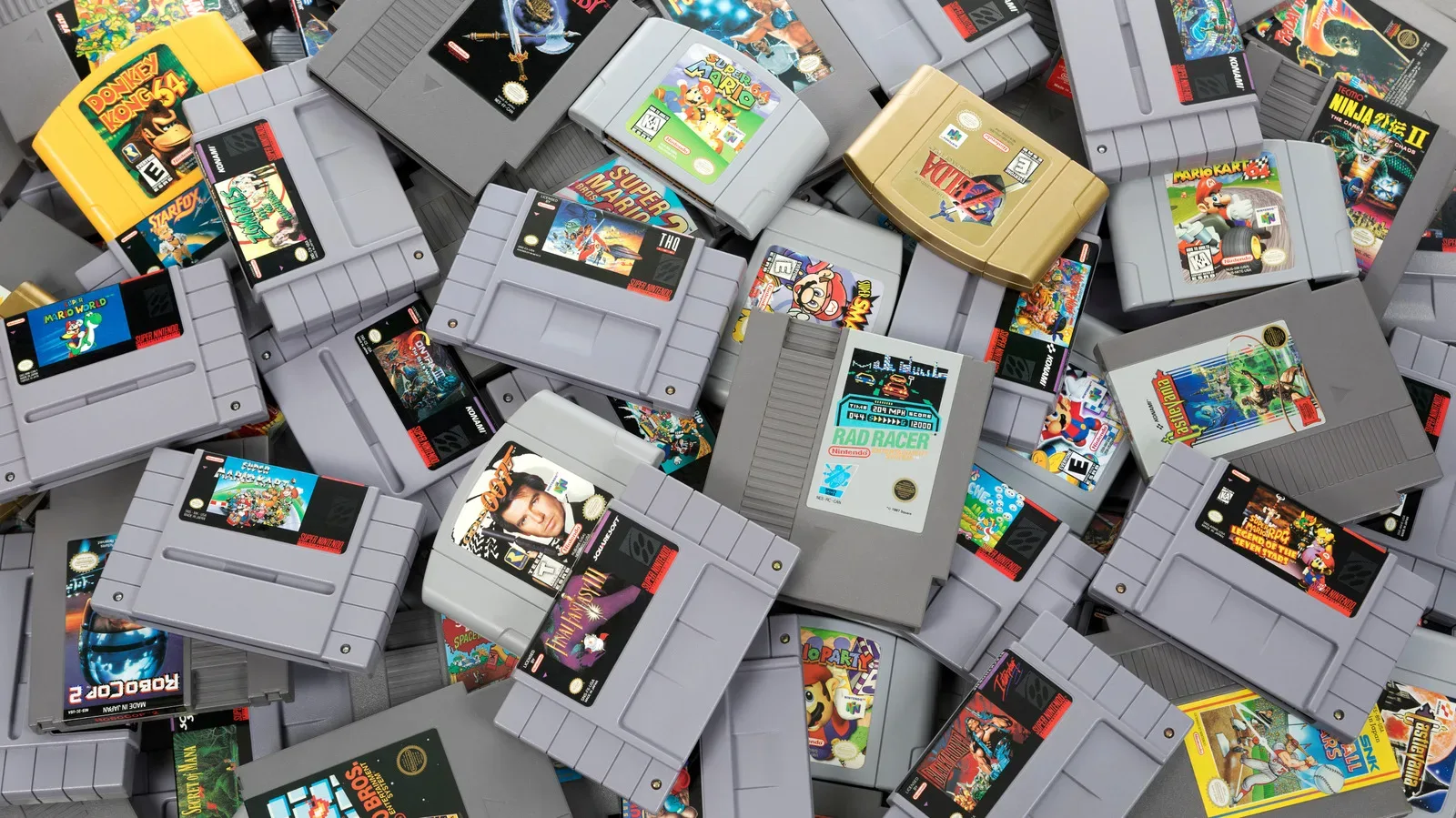
Physical games are often framed as the straightforward alternative to an all-digital future: a disc or cartridge to keep, lend, display, resell, and—crucially—play without depending on a storefront remaining online. But Kazutaka Kodaka, CEO of Too Kyo Games and a key creative name behind Danganronpa, has offered a blunt reminder that the game pressed to physical media may not always be the version a development team wants people to experience.
During a console-development roundtable at SKY31 Convention Seoul, Kodaka discussed the way physical editions, especially elaborate collector’s packages, impose much earlier deadlines than digital releases. His central point was not that physical releases are unimportant. In fact, he said physical copies are Too Kyo Games’ biggest focus because they account for much of the company’s sales in Japan. Rather, he described a production reality in which the ability to send a day-one patch can make a physical release possible on time.
“Honestly, we approach it with the mindset of finalizing the master via patches,” Kodaka said. “Collector’s editions in North America or Europe take an enormous amount of time to pack with figures, so the master submission deadline is absurdly early.”
He went further, saying that teams may submit a build while feeling that it is not a version anyone should play, then continue working toward the intended launch experience through an update. Former Sony Interactive Entertainment president Shuhei Yoshida summarized the uncomfortable implication: teams release while hoping players download the day-one patch rather than use the version already on the disc.
What a “master build” means—and why physical editions change the schedule
In this context, a master build is the version of a game delivered for physical production. A digital game can remain in active development much closer to its public launch because its files are distributed online. A disc or cartridge, however, needs a completed build early enough for manufacturing and distribution to take place before release day.
That gap grows still larger for collector’s editions. Kodaka specifically pointed to packages for North America and Europe that include figures. Producing a physical game is only one part of getting such an edition ready; items need to be assembled into the final package as well. The supplied master therefore has to be ready on a timetable determined not just by developers, but by manufacturing and packing logistics.
Platform certification is another part of that process. Kodaka said some builds barely meet platform certification requirements. Certification should not be confused with a developer declaring that every part of a game is fully polished or final in its ideal form. In the situation Kodaka described, it is the threshold needed for release on a platform, while the studio continues work that will arrive via a patch.
A day-one patch is an update made available at or around a game’s release date. It can correct issues, make adjustments, or deliver improvements completed after the physical master was locked. The important distinction is simple: the disc is a fixed snapshot, while an update can change the playable game after that snapshot has gone into production.
Related coverage includes Kazutaka Kodaka Says Day-One Patches Help Physical Games Reach Store Shelves.
Physical media remains a priority, not an afterthought
Kodaka’s comments are striking precisely because they come from a developer whose company still places substantial importance on boxed games. Physical copies are meaningful in Japan for Too Kyo Games, and the company’s emphasis on them runs counter to any easy claim that patches are merely a way to leave discs behind.
The more complicated reading is that updates can help studios meet the physical market where it is. Without the option to keep improving a game after the manufacturing master is submitted, developers would have to lock everything earlier, potentially pushing the production schedule further forward or making the release pipeline harder to manage. Under Kodaka’s account, patches are part of the mechanism that lets physical products be manufactured and packed in time while the software work continues.
That does not erase the value players attach to a complete on-disc release. A physical copy can be a tangible object for a shelf, a retail product that supports stores and community events, and an option for people whose connections are slow or unreliable. It can also retain significance long after launch, when players and collectors care about what the original media actually contains.
But the convenience of a launch update has shifted the practical meaning of “day-one.” For an internet-connected player, inserting a disc may begin with a download before the game is played. For an offline player, the build on that same disc may be the only available version—and, based on Kodaka’s comments, may differ meaningfully from the version the team considers complete.
The preservation problem is also a player-access problem
The concern here is not merely archival. It affects the person who brings home a boxed game on release day and cannot download the patch. If the launch update is expected rather than optional, that player is being asked to use a version the developer may regard as temporary.
Kodaka said he has begun operating with the assumption that everyone has an internet connection. That assumption is operationally understandable in a development environment built around patches, but it has an obvious limitation: not every player can obtain a large update quickly, consistently, or at all. The source material notes that physical releases have particular value in areas with poor internet speeds. The day-one patch model puts those players in the most difficult position, even as it helps keep a physical edition on the release schedule.
It also complicates the idea of a physical release as a wholly self-contained product. Ownership of the disc still matters, but it may not provide ownership of the version developers intended players to have at launch. The physical item and the completed software experience can become partly separate things.
This is distinct from debates about games being sold only digitally. A boxed release can still offer a real object, a local installation path, and a retail presence. Yet Kodaka’s remarks show why a physical-versus-digital discussion cannot stop at whether a disc exists. A useful follow-up question is what version is on it, and whether the version players are expected to play is available without a network connection.
Why Kodaka’s candor matters
There is no indication in the discussion that every physical release works this way, or that any particular Too Kyo Games title shipped in an unusable condition. Kodaka’s remarks describe the pressure created by early master deadlines and the planning assumptions that can follow from them. His “no one should ever play it in this state” line was unusually direct, and he later joked about whether such an admission was wise to make publicly.
Still, it is valuable as a clear articulation of a tension often hidden behind the term “day-one patch.” Updates are easy to describe as fixes or polish, but they can also be a scheduling tool. They allow a publisher to start the physical pipeline before development has reached the point the team would otherwise want to lock permanently into a disc or cartridge.
That reality does not make physical media meaningless. If anything, it explains why its modern value needs to be discussed more precisely. There is a difference between a physical product that contains a playable build and one that contains the definitive launch build. There is also a difference between an update that is a welcome refinement and one that a developer assumes virtually everyone must install.
For readers weighing the broader software-access question, the technical distinction between a native release, compatibility approach, and the software version actually delivered to a player is worth keeping in mind; our look at gaming translation layers, native ports and compatibility explores why those details can shape the long-term experience of playing games.
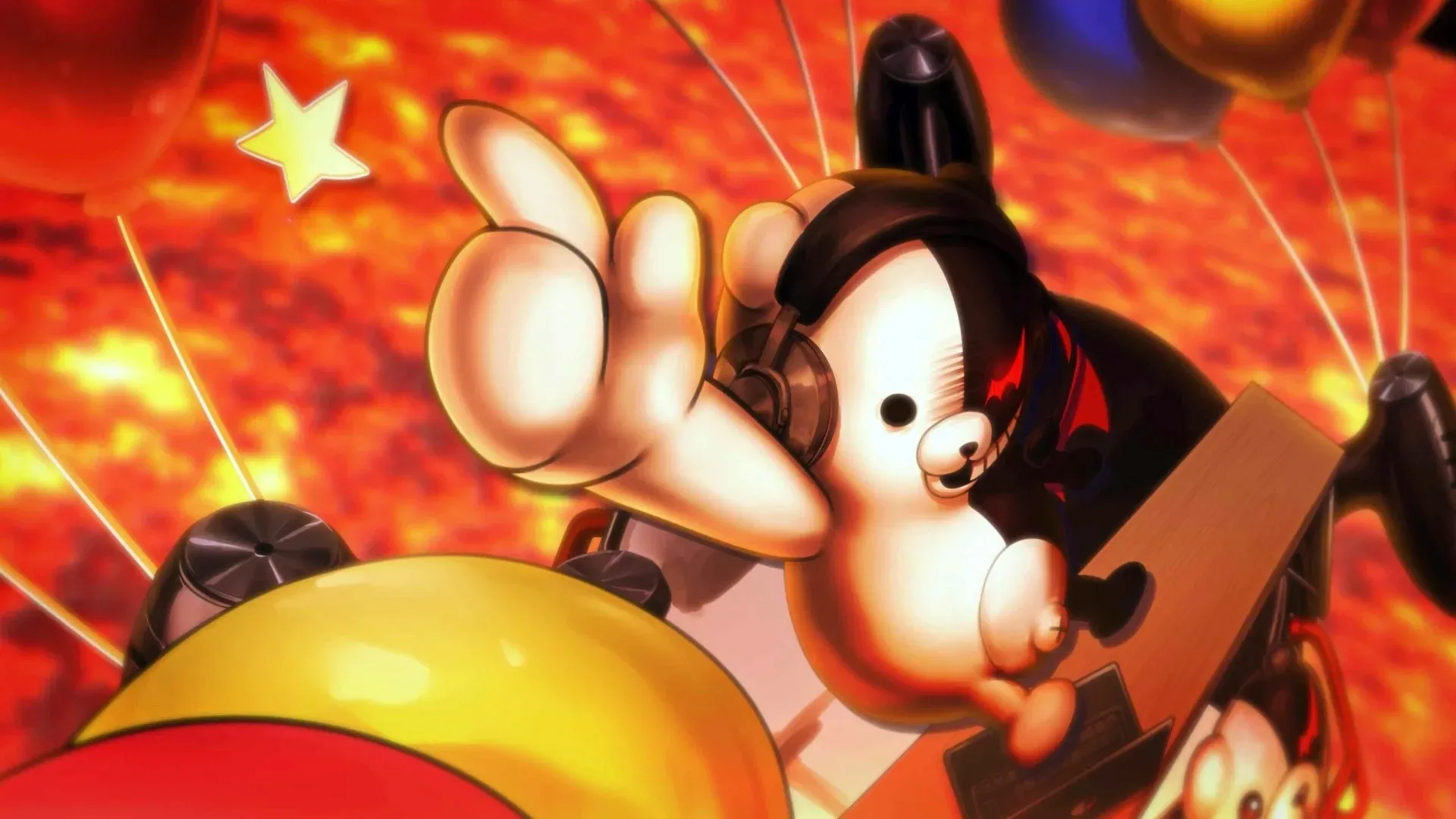
Danganronpa 2×2 is next for Kodaka
Kodaka’s next project is Danganronpa 2×2, a remake of the second murder-mystery visual novel. It will add an alternate route called “Slayhem,” featuring different victims and culprits from the original game.
For now, the larger takeaway from his roundtable comments is less about one forthcoming title than the modern production compromise he laid out: physical editions remain commercially important, manufacturing requires early commitments, and day-one patches give developers room to keep finishing the game after the physical master has left their hands. That compromise can benefit release schedules and physical availability, but it also asks players to remain connected if they want the build the creators ultimately meant them to play.