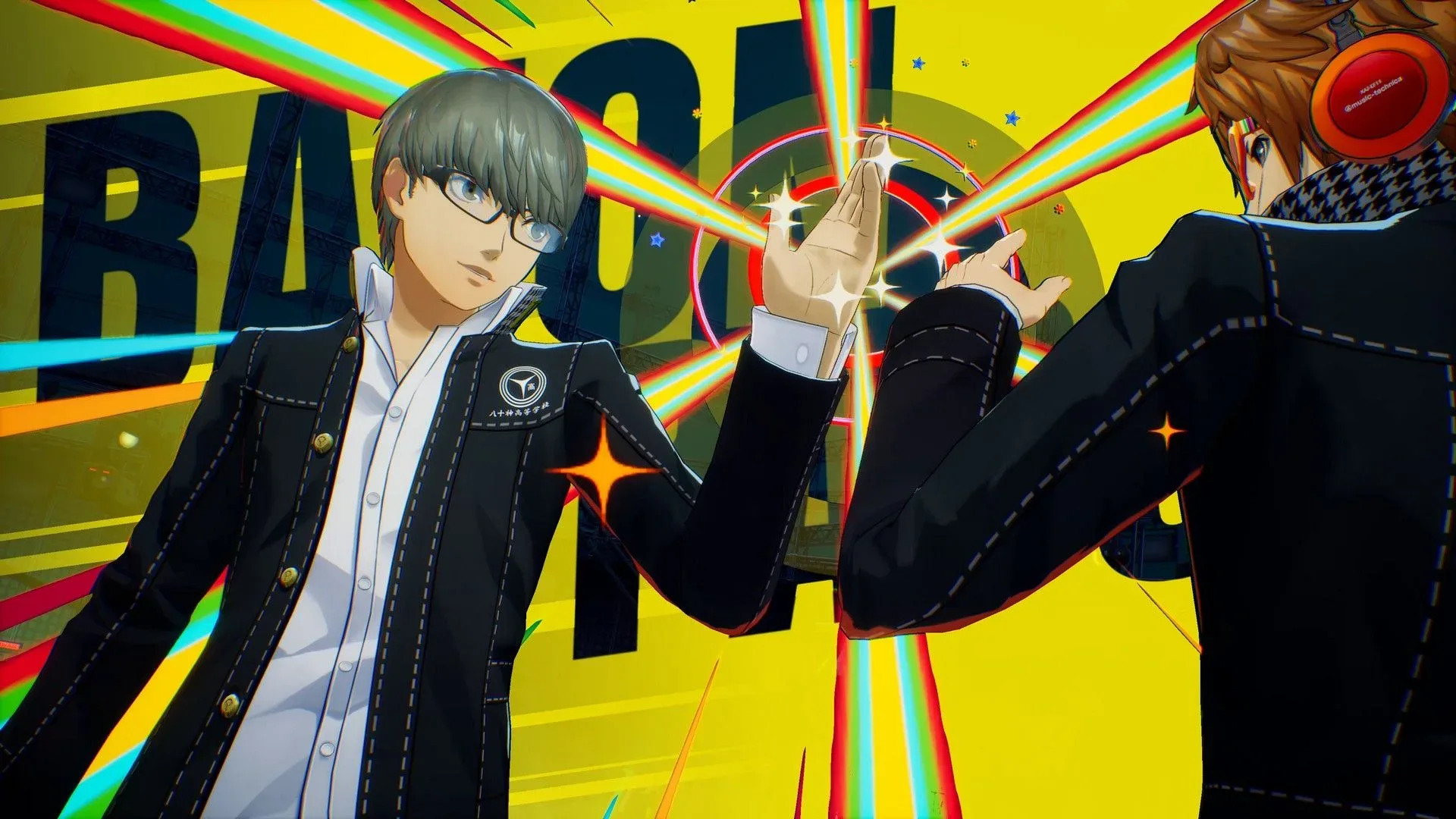
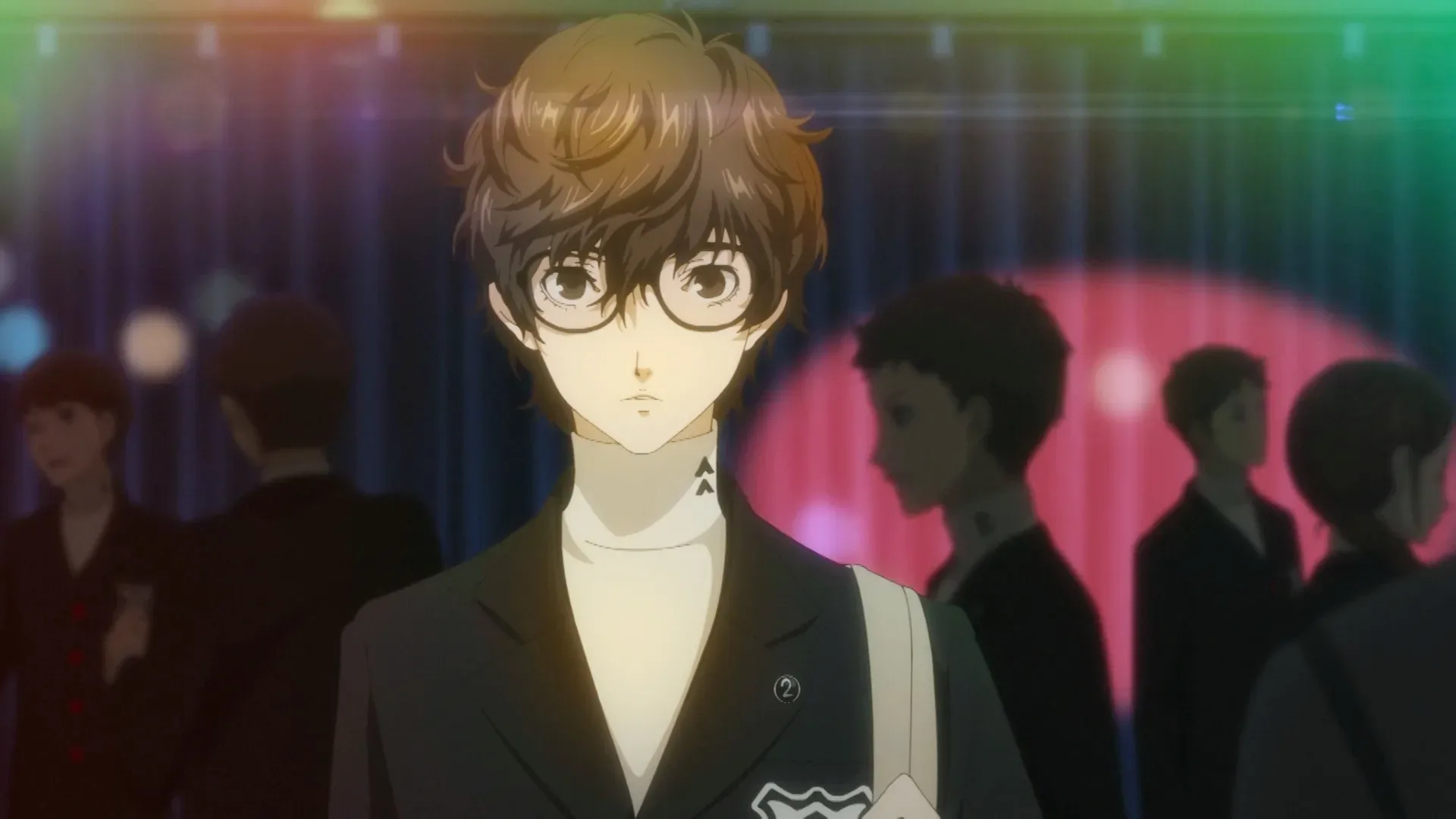
Persona fans have spent a long time measuring the distance between numbered entries. Persona 5 first arrived in 2016, and while the years since have included remakes, spin-offs, concerts and the separate release of Metaphor: ReFantazio, the wait for a wholly new core Persona has remained unusually conspicuous. Now, Waku Wada has offered the clearest indication yet that Persona Studio does not want that same lengthy rhythm to define the series after Persona 6.
In comments published through SEGA Sammy’s corporate channels, Wada said that Persona 6 is not the end goal. The studio is working toward a future in which the installment that follows does not require fans to endure another wait comparable to the one separating Persona 5 from its successor. That is an ambition rather than a release commitment: no date, schedule, or development timeline for Persona 6 or Persona 7 was supplied. Still, the comments explain the practical work the studio believes can make faster follow-up possible.
What Persona Studio says it is changing
Wada identified three connected areas: closer cooperation between teams, systems that can be reused, and better retention of the accumulated knowledge behind the franchise. Taken together, that is less a promise to rush Persona than a plan to reduce work that has historically needed to be rebuilt, rediscovered or re-explained from one project to the next.
“Reusable systems” can sound abstract, but in game development it generally means technical and production foundations designed to carry forward rather than being constructed again from scratch. The comments do not specify which Persona systems would be reused, nor do they confirm particular gameplay features. The important distinction is that the goal is efficiency in how games are made, not necessarily a claim that future Persona entries will become interchangeable.
Persona’s appeal has been built around preserving recognisable core qualities while changing the setting, cast and central ideas from game to game. A reuse strategy, as described here, could allow the studio to retain more of the underlying development framework while reserving its creative energy for the parts that need to feel specific to each installment. That is an inference from Wada’s explanation, not a confirmation of Persona 6’s design.
The knowledge-sharing element may matter just as much. Wada said the team is trying to combine veteran experience with information about the series that even internal staff may have forgotten, but which fans still remember. Long-running franchises collect a formidable amount of institutional knowledge: why a past system worked, what was altered, which decisions were tied to a particular game’s concept, and where players found friction or attachment. Preserving that information makes it less likely that teams must recreate old research before they can begin new work.
That approach also acknowledges a useful reality: a series with Persona’s history cannot be treated as if each new installment exists in isolation. Fans remember details, patterns and changes over time. Developers do not need to replicate everything that came before, but they do benefit from understanding what they are revisiting and why.
A series that grew by widening its appeal
Wada’s remarks placed the present-day plan in the context of Persona’s evolution, particularly the shift around Persona 3 in 2006. He described a difficult period in which Atlus was under financial strain and the wider industry was declining. The development team felt that the stakes were existential: if the game did not sell, continued game development could be in jeopardy.
Related coverage includes Atlus Wants a Shorter Wait Between Persona 6 and the Next Persona.
“Unless we reached a wider audience, those efforts would be over.”
That pressure helped produce a change in outlook. Wada described earlier work as edgy titles made for a dedicated audience, but said the team needed to reach further without abandoning the series’ defining identity. Persona 3 became central to that transition by moving away from the prevailing push toward realism and leaning into anime-styled expression and psychological themes in a setting with broader appeal.
Persona 4 built on that foundation, and Persona 5, followed by its Royal expansion, took the series further still. The lesson in Wada’s account is not simply that wider audiences are desirable. It is that growth came from pairing accessibility with a clear creative personality. For Persona, being more broadly appealing did not mean discarding the stylised presentation and ideas that made it distinct.
That balance is relevant to the discussion of shorter waits. A reduced development gap can be valuable, but only if it does not erase what differentiates each numbered entry. Wada’s reference to concepts and story ideas that will meet expectations suggests the studio is treating the future of the series as both a production problem and a creative one. Systems can be carried forward; a new Persona still needs a compelling reason to exist.
PC releases helped reshape the franchise’s reach
Wada also pointed to digital distribution as a major turning point. Persona 4 Golden launched on Steam worldwide in 2020 with support for multiple languages and exceeded one million copies sold within a year. That result encouraged the company to move forward with Persona 5 on Steam and pursue more worldwide simultaneous releases.
This is significant because a simultaneous global release changes more than the number of storefronts carrying a game. It gives audiences in different regions access at the same moment, allowing interest and discussion to build together rather than in staggered waves. Language support is part of that accessibility equation, too. Wada’s account frames the Steam launch of Persona 4 Golden as proof that an older entry could find a substantial new audience when made available globally through a major online store.
The franchise’s broader presence now extends beyond numbered games. Wada cited remakes and concerts as part of Persona’s multimedia success around the world. Those projects can keep a series visible during the long stretch between major installments, but they are not a substitute for the next core game. The acknowledgment that fans should not face another protracted wait after Persona 6 is therefore meaningful precisely because it addresses the numbered series directly.
It also arrives at a time when publishers across the industry are paying closer attention to how projects are organized and sustained. The broader challenge of balancing creative scale, development time and internal coordination has become impossible to ignore, as reflected in other recent industry discussion around canceled projects and uncertain revivals. Persona Studio’s stated answer is not to announce a cadence; it is to improve the groundwork that makes a more reliable cadence possible.
What fans should—and should not—take from this
The strongest confirmed takeaway is straightforward: Persona Studio wants the interval between Persona 6 and the following numbered game to be shorter than the gap that has followed Persona 5. Wada’s comments point to deliberate internal preparation rather than a vague wish. Team collaboration, reusable development systems and documented franchise knowledge are all concrete areas of effort.
There are, however, major unknowns. The remarks do not announce Persona 6, give it a release window, name platforms, confirm its setting or characters, or establish a date for Persona 7. They likewise do not guarantee a particular number of years between releases. Development plans can change, and a desire to reduce turnaround is not the same thing as an obligation to release on a fixed timetable.
There is also no official confirmation in these comments of a Persona 1 remake. Speculation about such a project should remain separate from the studio’s stated plan. Remakes and spin-offs may continue to be part of the wider Persona ecosystem, but Wada’s central message concerns how the team intends to support the mainline series over the long term.
For players, the practical implication is cautiously encouraging rather than immediately actionable. There is no new launch to plan around today. What has changed is the visibility of the studio’s thinking: it is explicitly preparing for Persona beyond its next numbered release, rather than treating Persona 6 as a finish line.
That is a sensible priority for a franchise whose modern growth came from marrying continuity with reinvention. If Persona Studio can carry forward the work that should be preserved while giving each new entry room for its own concept and story, it may be able to make the next wait feel less like an era in itself.