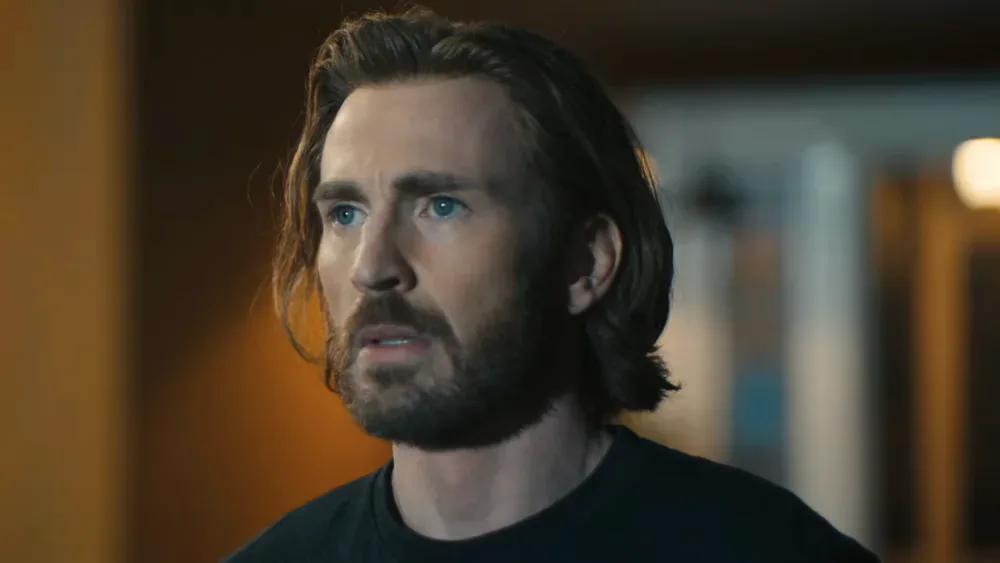
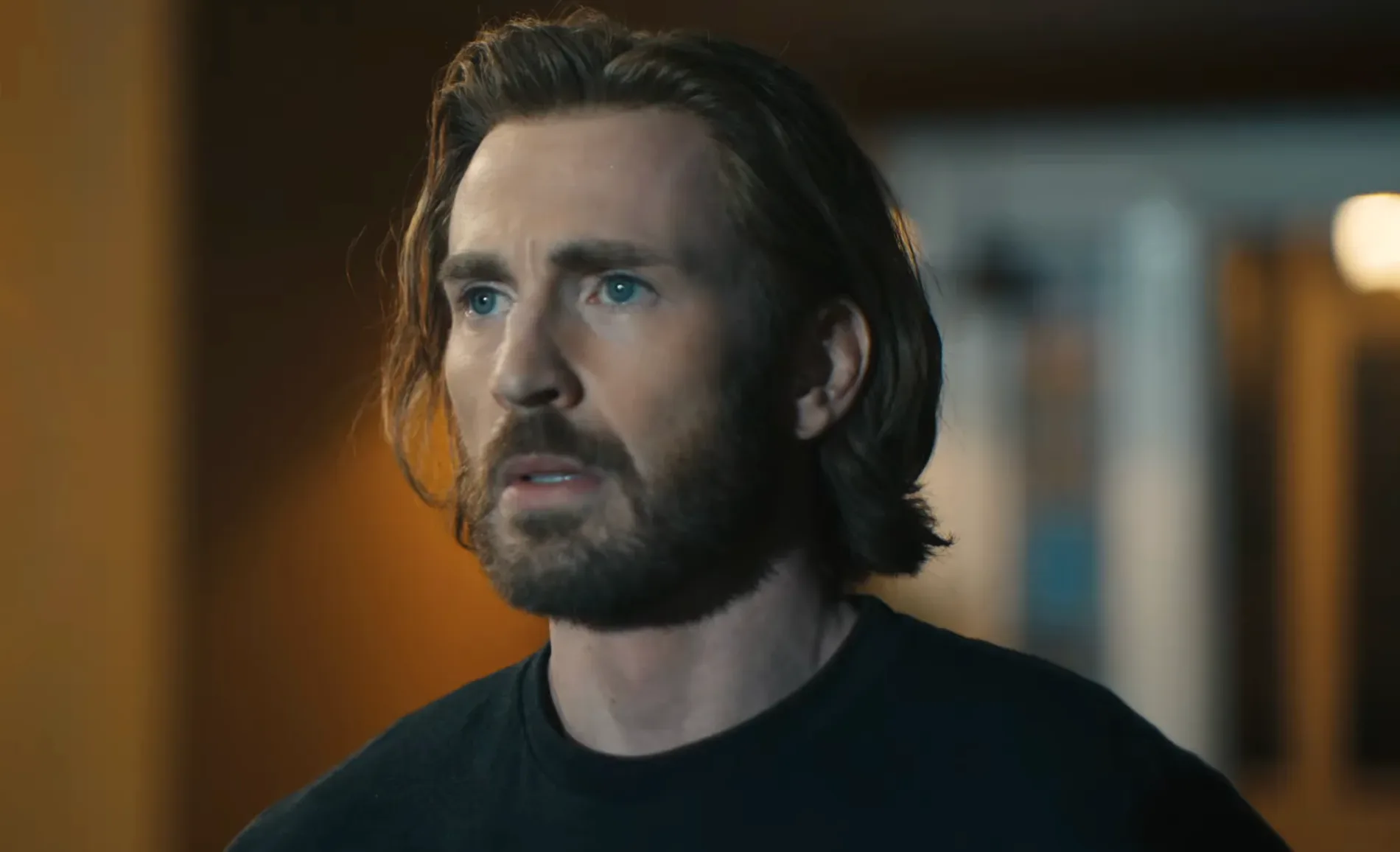
Chris Evans’ return as Steve Rogers in Avengers: Doomsday may be prominent in the film’s trailers, but the newly disclosed path back to the Marvel Cinematic Universe is more complicated than a sudden reversal of a clean farewell. Evans took several private meetings with Marvel after Avengers: Endgame, even while publicly describing himself as retired from the role.
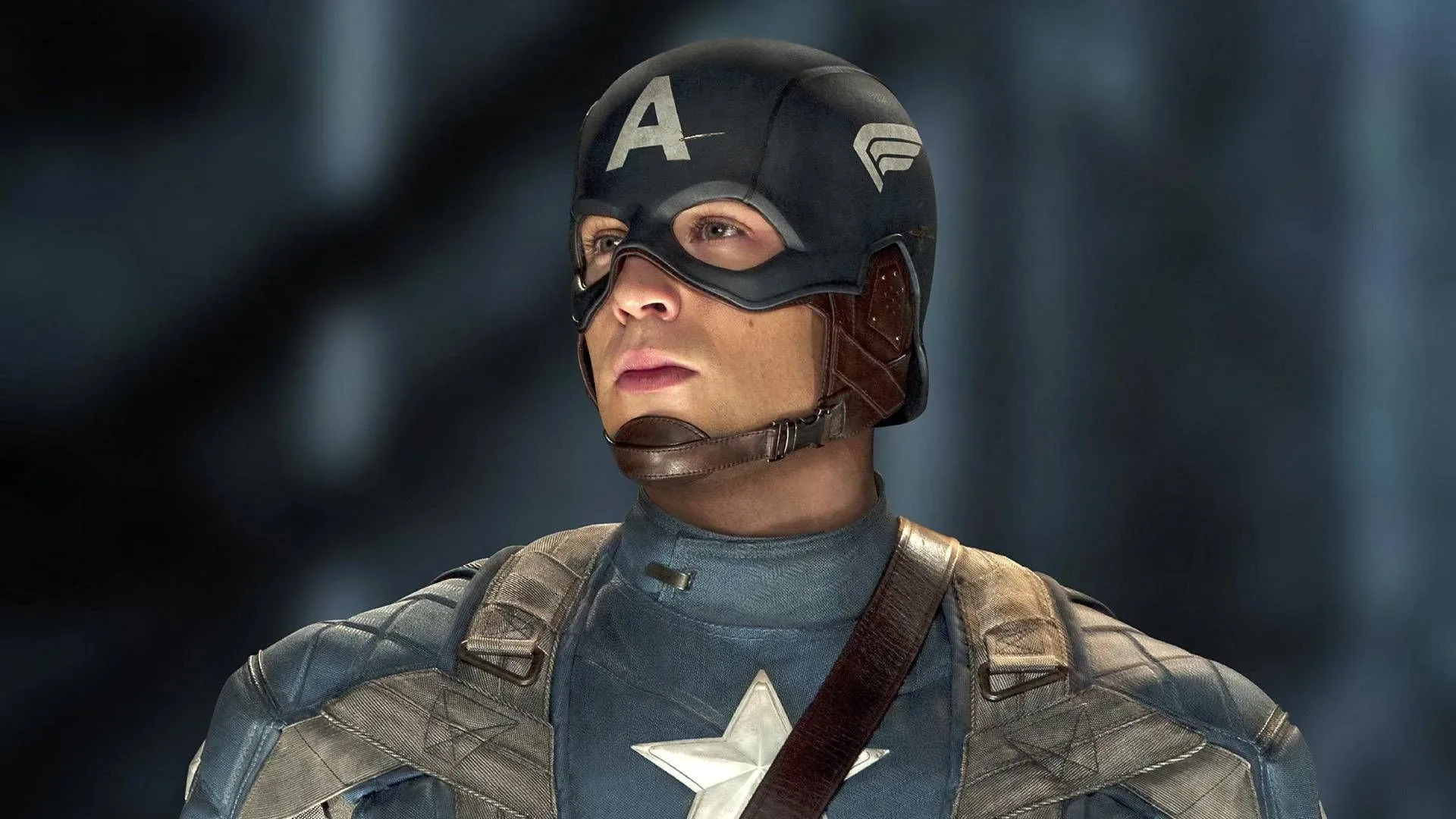
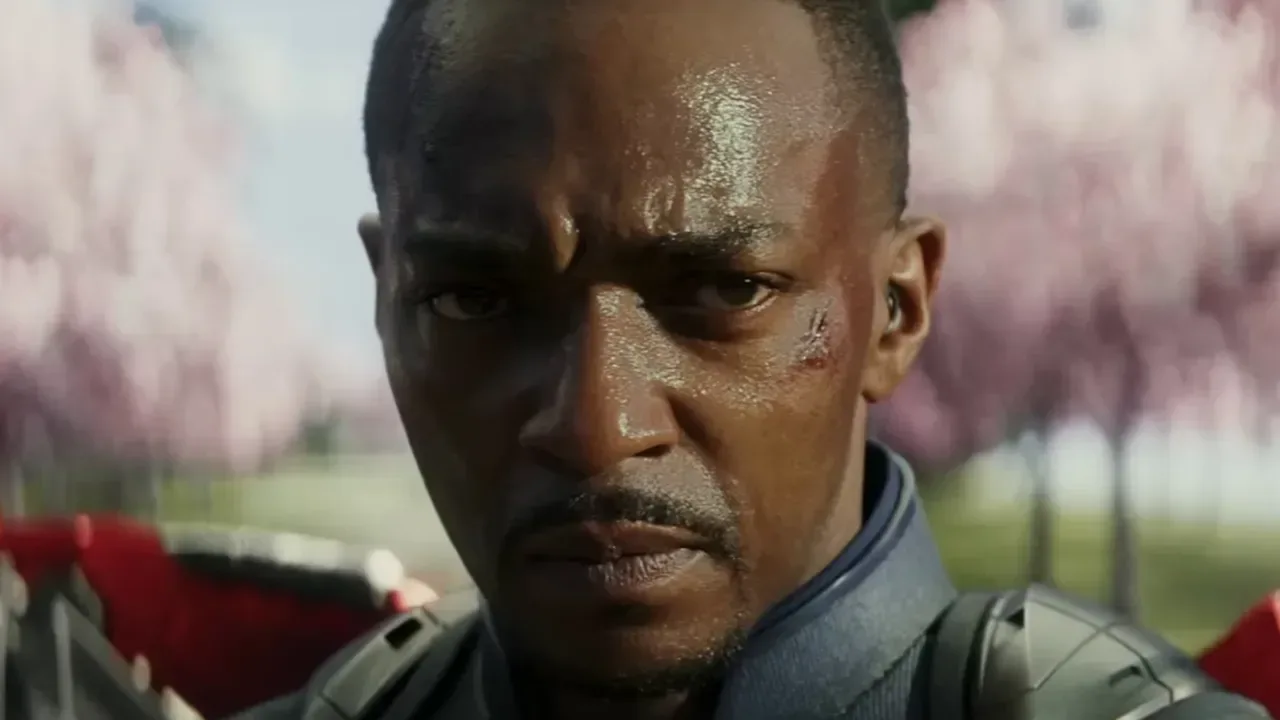
That distinction matters. Steve’s final scenes in the 2019 film were designed as an ending: after the Avengers’ mission, he traveled into the past and chose a life with Peggy Carter, played by Hayley Atwell. He subsequently appeared as an elderly man in the present and passed Captain America’s shield to Sam Wilson, played by Anthony Mackie. The shield transfer gave Sam a clear successor role, while Steve’s personal choice supplied emotional closure to a character defined for years by service and sacrifice.
Yet closure in a shared-universe franchise is not necessarily the same thing as permanent absence. The information now available indicates Marvel and Evans had discussed possible ways to continue Steve’s story for years. The question for viewers is no longer simply whether Steve is back. It is what version of Steve has returned, from which point in his life, and what that means for the ending audiences thought they understood.
The Nomad pitch reveals an earlier path not taken
Evans recalled a dinner with Marvel Studios president Kevin Feige and co-president Louis D’Esposito while Endgame was still filming. At that dinner, Marvel raised the prospect of continuing with Steve under the Nomad identity rather than as Captain America. Evans said he received a pitch he considered strong, but he did not feel it was the direction he wanted to pursue at the time because he was satisfied with how Steve’s story had wrapped.
For readers less familiar with the terminology, an alternate identity is a different superhero or civilian persona used by a character rather than a wholly new character. In this case, the proposed Nomad direction would have distinguished Steve from the Captain America mantle after he gave up the title. The reported discussion does not establish that a Nomad project entered production, nor does it confirm that the character will use that name in Doomsday. It does show, however, that Marvel had considered a continuation that did not simply erase Sam Wilson’s inheritance of the shield.
That is an important practical story issue. A Steve Rogers return can generate excitement without requiring the MCU to undo Sam’s position as Captain America. The earlier Nomad proposal suggests that the franchise had at least explored a structure in which both characters could remain meaningful at once: Steve could continue as a figure in the universe, while Sam retained the title Steve entrusted to him.
There is still a wide gap between an earlier creative conversation and a confirmed plot point. Audiences should resist treating the Nomad reference as a spoiler or a promise. What it reliably clarifies is the long-running nature of the discussions. Evans was not necessarily waiting outside the franchise for one last-minute phone call; Marvel and the actor had considered potential futures after Endgame, even if the first idea was not the one that ultimately led to his return.
Public retirement talk served the theatrical experience
After Endgame, Evans had made comments suggesting he was happily retired and missed being part of the group. Those remarks understandably encouraged viewers to regard Steve’s exit as final. Anthony Russo, who co-directs Avengers: Doomsday, has now framed Evans’ guarded public approach as part of protecting a theatrical experience.
That language is revealing because secrecy is not only a production concern for a large franchise; it is part of how its audience encounters the story. Keeping a character’s status uncertain lets a return land inside the movie rather than being entirely consumed by an advance interview cycle. That said, trailers for Doomsday have placed Steve front and center, so the strategy appears to have changed from concealing his involvement to withholding the explanation for it.
The difference between those two approaches is substantial. “Chris Evans is in the movie” is now part of the public conversation. “How Steve Rogers is young again, why Peggy is there, and where their child fits in” remains the actual narrative mystery. For a franchise with established time travel in Endgame, that mystery is naturally drawing attention to chronology rather than merely to casting.
Young Steve, Peggy and a child make time the central question
Footage for Avengers: Doomsday shows Steve and Peggy young again and includes a child. The images are striking because the last onscreen version of Steve was an old man who had already lived the life he chose with Peggy. The available footage provides no definitive explanation, but it makes clear that the film is revisiting a period or version of Steve that looks very different from the elderly Steve seen at the end of Endgame.
Time travel is a storytelling device in which characters move between different points in time; it can raise questions about whether events are being revisited, altered or viewed from another perspective. The footage makes time-based complications a reasonable subject for speculation, but it does not confirm a specific mechanism. It would be premature to claim that Steve and Peggy have been pulled from the past, that events have changed, or that the child has a defined role in the plot. All three ideas go beyond what has been established.
What can be said is that Steve’s return is built around more than nostalgia. Peggy’s presence ties the new material directly to the personal decision that concluded Steve’s previous arc. A child further shifts the image away from the battlefield and toward the family life Steve sought. If Doomsday is going to disturb that life, revisit it or place it alongside the Avengers’ present, the film has selected a very personal route back into Steve Rogers’ world.
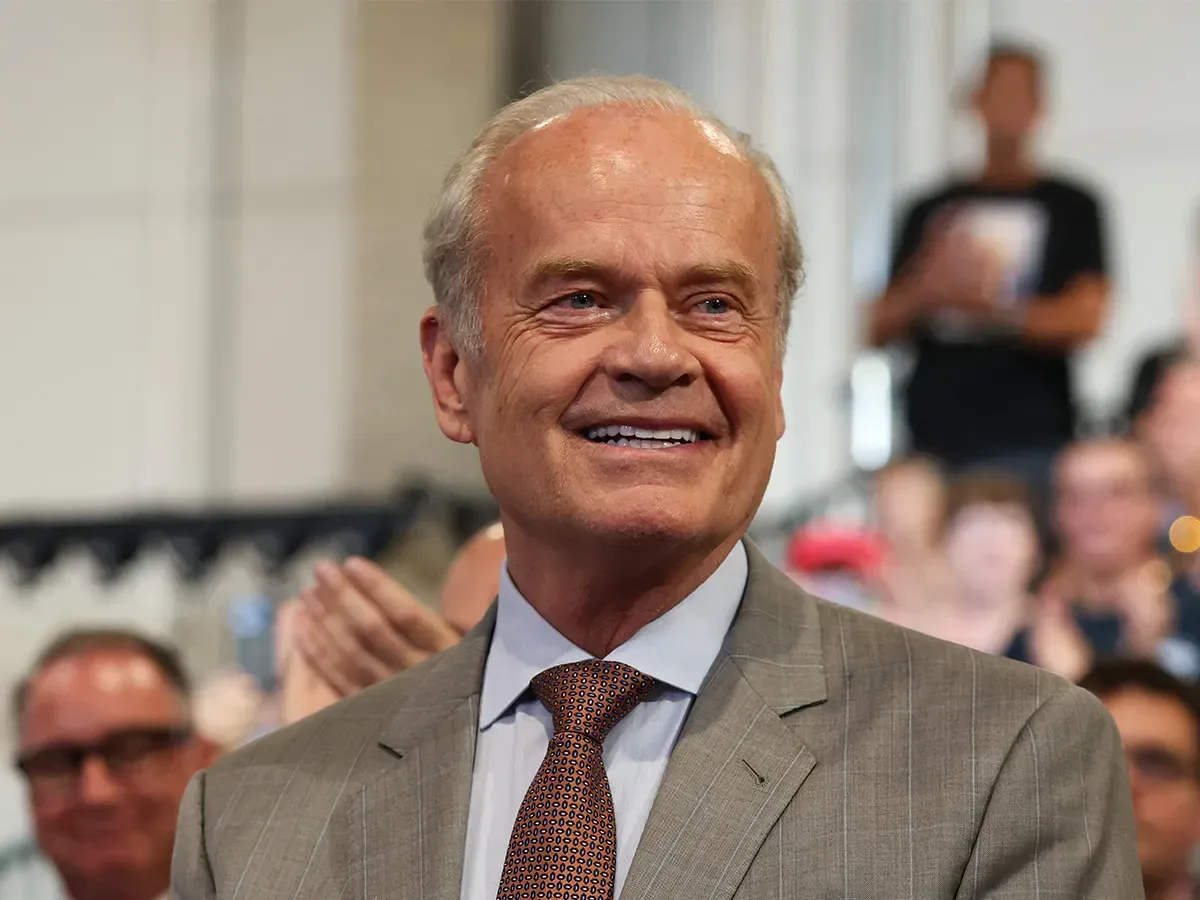
The MCU’s wider cast may also make this return especially notable. A previously revealed first look at Kelsey Grammer’s Beast has already emphasized how many familiar Marvel faces and eras appear to be converging around Doomsday. In that setting, Steve’s reappearance need not function only as a sequel to his own ending; it could also be a way of connecting different corners of the broader Marvel screen universe. The specifics, however, remain undisclosed.
What Steve’s return does—and does not—confirm
- Confirmed: Evans is returning as Steve Rogers in Avengers: Doomsday.
- Confirmed: Marvel and Evans held multiple private meetings in the years after Endgame.
- Confirmed: Marvel once pitched a continuation in which Steve would be Nomad rather than Captain America, and Evans declined it at that time.
- Confirmed: Trailer footage includes young Steve, Peggy Carter and a child.
- Not confirmed: That Steve will be called Nomad in the new film.
- Not confirmed: The child’s identity, age, importance or relationship to events beyond the imagery shown.
- Not confirmed: The precise explanation for Steve and Peggy appearing young, including any time-travel rules involved.
That boundary between evidence and inference is worth preserving. Big franchise trailers are designed to give audiences enough material to debate possibilities, but an image is not a full plot explanation. In this case, the confirmed details already provide plenty to consider: an actor who initially declined a continuation pitch, years of quiet conversations, a return that was kept under wraps, and footage that appears to reopen the final chapter of one of the MCU’s foundational characters.
For Sam Wilson, the key unresolved issue is thematic rather than procedural. Steve handing him the shield was a declaration of confidence. A return by Steve could deepen that relationship, test it, or simply place it in a new context—but it should not automatically be read as a revocation of the choice made in Endgame. The earlier Nomad conversation is useful precisely because it demonstrates that a post-Captain America Steve was an idea Marvel had already entertained.
Avengers: Doomsday is scheduled to open in theaters on December 18. Until more is revealed, the most grounded reading is also the most intriguing: Steve Rogers’ comeback has been in discussion for a long time, but the movie’s trailers are preserving the far more consequential secret of how his apparently completed life with Peggy intersects with the Avengers’ next crisis.