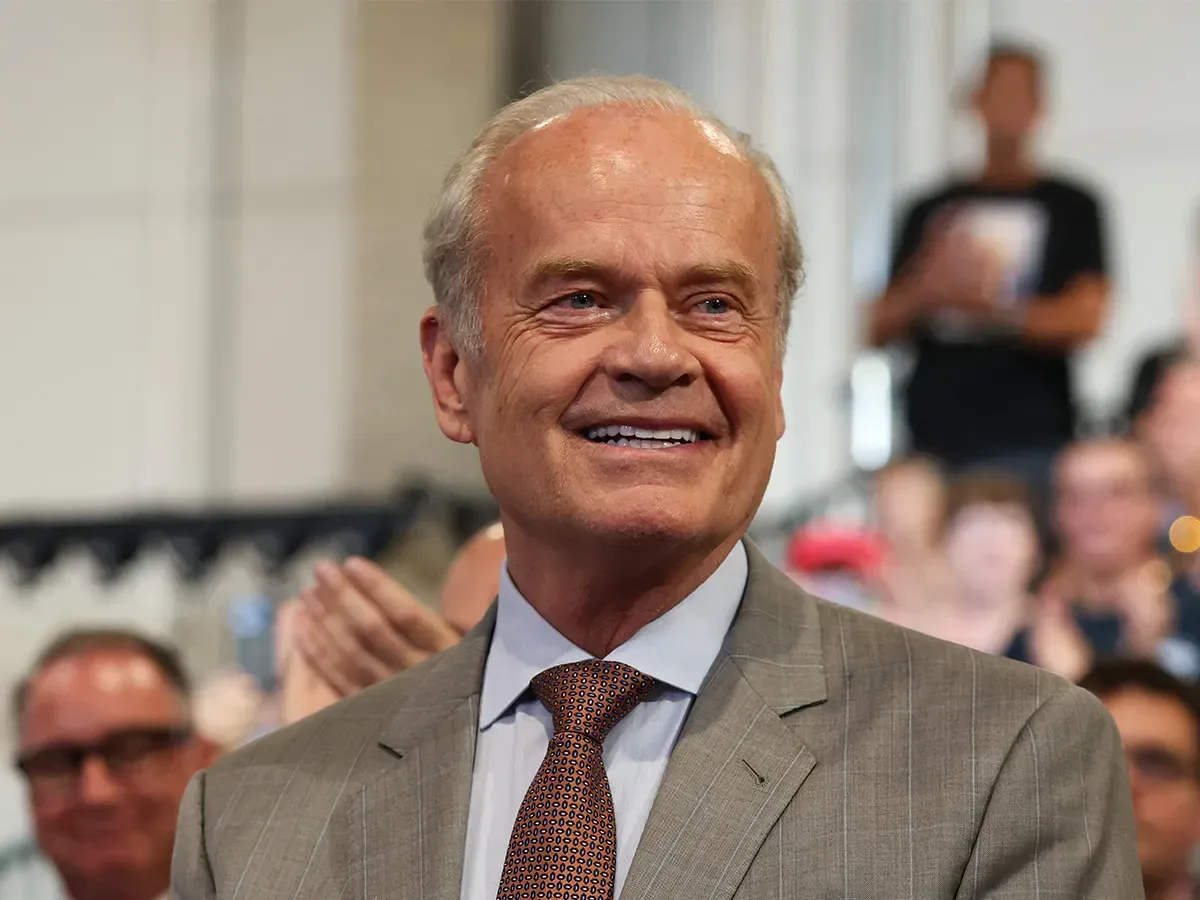
Kelsey Grammer’s return as Beast is no longer confined to a quick post-credits surprise. A newly released high-resolution image from Avengers: Doomsday gives viewers a proper look at the blue-furred X-Man ahead of the film, showing the character with a notably puzzled expression and putting a fresh spotlight on a design that has already sparked plenty of debate.
The immediate response is a familiar one for superhero costuming: people are looking at the details. Some viewers feel the newly seen Beast looks better than the version that appeared at the end of 2023’s The Marvels. Others prefer that earlier appearance. A third, louder group seems most confused that the character was not shown clearly sooner, especially now that the fuller look has landed reasonably well with many fans.
It is a small but telling discussion. Beast is not simply another new face arriving in a giant crossover; Grammer has played Hank McCoy across multiple eras of Marvel films. The Doomsday appearance will be his fourth time in the role, following X-Men: The Last Stand in 2006, X-Men: Days of Future Past in 2014, and the The Marvels post-credits scene in 2023.
A first look that invites close comparison
The image’s significance is less about revealing an unfamiliar character than establishing what this particular returning Beast will look like in a much larger production. The The Marvels cameo had already confirmed Grammer’s voice and physical presence were back in play, but its short running time limited how much audiences could assess about the character’s new presentation. A still image gives people time to examine the fur, facial proportions, color, and overall texture—exactly the visual components that tend to dominate online reactions.
That explains why the reaction is divided without being uniformly negative. One side sees an upgrade and asks why the production was hesitant to reveal Beast more fully. Another thinks the earlier version was stronger. These are subjective assessments, but they also reflect the unusually high standard placed on characters who must feel continuous with both a long-running screen legacy and a new story.
What “design” means here: in this context, it is not only the costume. Beast’s design includes the digital and practical-looking elements that create his blue fur, his silhouette, facial performance, and the balance between a recognizable human actor and an overtly non-human mutant. Because audiences remember Grammer’s earlier portrayals, even minor apparent changes can become a major point of comparison.
Why Grammer’s Beast matters to the X-Men presence
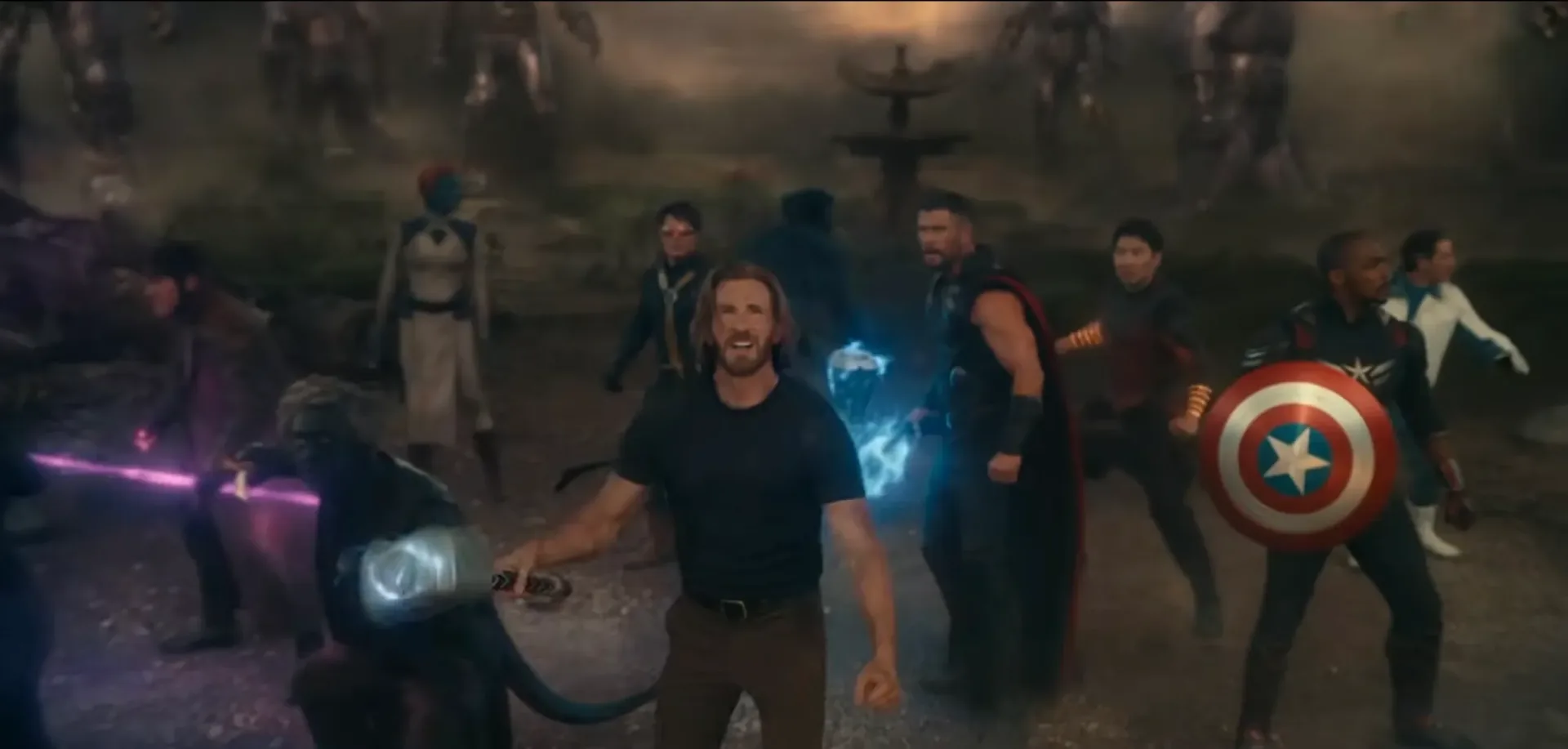
Avengers: Doomsday has already indicated that the X-Men will be among the teams involved. Grammer’s participation therefore carries more weight than a nostalgia-driven cameo alone. Beast is traditionally a figure who can bridge several tones within an X-Men ensemble: physically formidable in appearance while also associated with intellect and scientific curiosity. The new image’s mystified expression does not explain what he is reacting to, nor does it reveal his role in the plot, but it does foreground a character whose presence could work in more than one mode.
There is also a clear through-line in Grammer’s own relationship with the part. After Days of Future Past, he said he would love to make another X-Men film and described playing Beast as a joy. He even referred to the character affectionately as “the Blue Guy.” That enthusiasm makes the return feel less like an entirely detached archival appearance and more like a performer revisiting a role he has openly valued.
Still, viewers should be careful not to infer too much from one promotional image. A first look can establish appearance and mood, but it cannot confirm how much screen time Beast receives, what version of the character’s history applies, or how the X-Men fit alongside the Avengers and Doctor Doom. The confirmed presence of a team is not, by itself, a map of the story.
The cameo that became a comeback
Grammer’s reappearance in The Marvels arrived in a post-credits scene. A post-credits scene is an extra sequence placed during or after a film’s end credits, often used to introduce a future narrative possibility, tease another character, or leave audiences with a surprise. Such scenes can range from a quick joke to a meaningful setup, and Beast’s was clearly significant enough to renew attention around the actor’s version of the character.
Feedback to that cameo was reportedly strong, and Grammer was told it had received a great response. The move to include him in Avengers: Doomsday suggests that the brief return resonated beyond a momentary novelty. It also turns the 2023 appearance into a more consequential connective beat: rather than functioning only as a wink toward past X-Men movies, it precedes another confirmed outing for the character.
That does not mean the new film is obligated to recreate the earlier X-Men movies’ exact atmosphere or continuity. A returning actor can preserve a familiar performance while appearing within a different story framework. For audiences, the interesting question is not merely whether Beast looks identical to a past version. It is whether the character feels like a purposeful participant in the new ensemble once the film provides context.
Why the timing of reveals becomes part of the conversation
The prominent “why hide him?” response is also understandable. Studios often withhold character reveals to preserve surprises, control the pace of a marketing campaign, or keep attention centered on a smaller selection of leads. But a strategy designed to create anticipation can lead viewers to assume there is a problem when a recognizable character is kept obscured for too long.
In Beast’s case, the eventual image has changed the nature of the conversation. Instead of only asking whether Grammer would truly be part of the movie, audiences can now argue about a concrete visual. That is a more useful discussion, even if no consensus emerges. The positive reactions suggest that a delayed reveal does not automatically hurt a design; the split opinions simply show how differently people read the same character model.
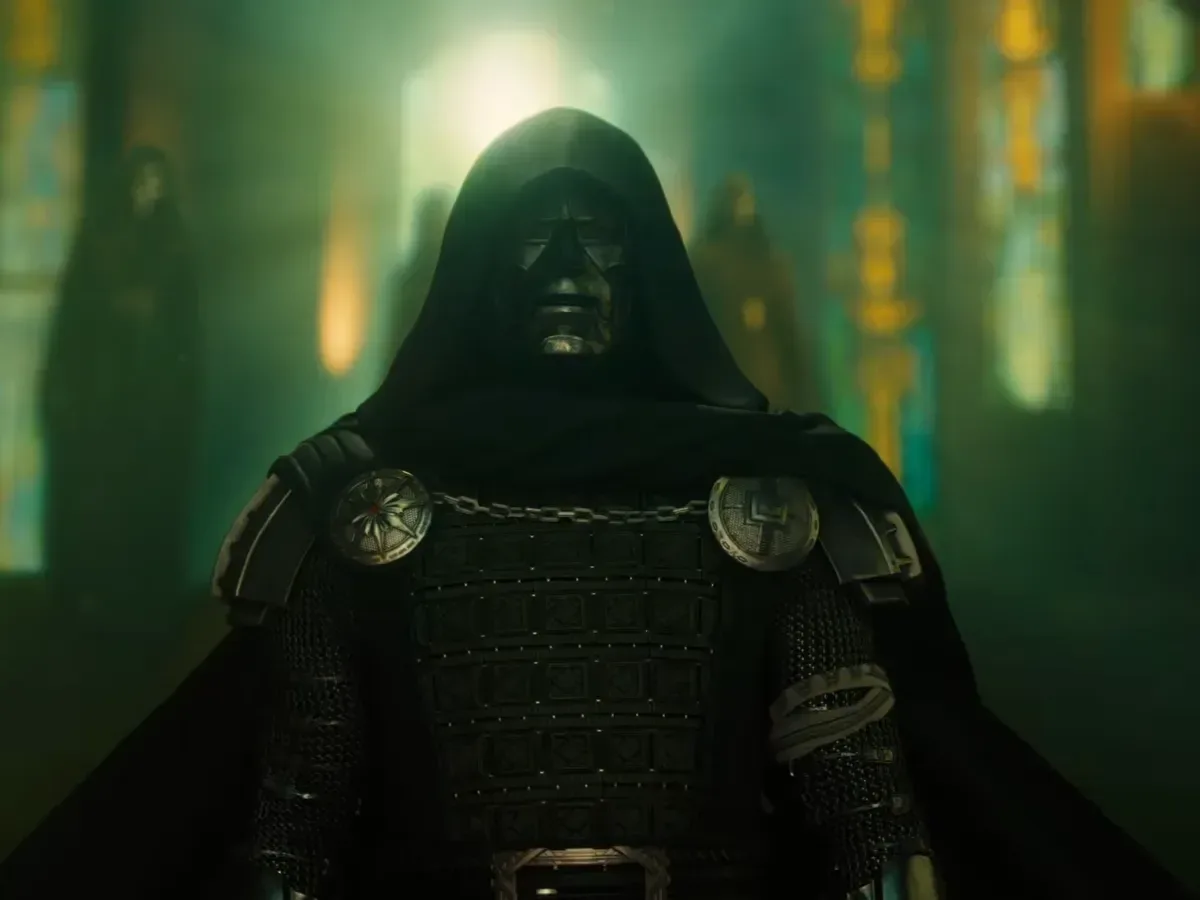
Doctor Doom has generated a parallel stream of visual attention. A new poster offers a close view of the villain’s metal mask, which some viewers have compared with imagery from an Iron Man poster. Together, the Beast image and Doom poster demonstrate how much promotional art can become its own arena for analysis before a movie arrives. Fans scrutinize shape, material, lighting, resemblance, and apparent intent long before they know the plot surrounding those elements.
What is confirmed—and what remains unknown
- Confirmed: Kelsey Grammer is playing Beast again in Avengers: Doomsday.
- Confirmed: This will be Grammer’s fourth screen appearance as Beast after roles in 2006, 2014, and 2023.
- Confirmed: The film includes the X-Men among the teams shown in recent promotional material.
- Confirmed: A newly released image provides a clearer look at Beast’s furred blue appearance.
- Not established by the image: Beast’s screen time, his specific plot function, or the exact explanation for differences viewers perceive between this design and the The Marvels cameo.
For now, the image has accomplished its basic job: Beast is back in the discussion. Whether viewers think the current version is an improvement, a step down, or simply a different interpretation, it has restored the character’s visibility ahead of a film built around numerous returning and newly assembled Marvel figures.
It also arrives at a moment when Disney-related entertainment options are receiving holiday attention; readers weighing streaming plans can find details on the Disney+ and Hulu Black Friday bundle for eligible subscribers.
Grammer’s Beast has traveled from an X-Men supporting role in 2006 to a brief 2023 tag and now into a major Avengers event. The new image does not settle the debate over the fur, but it does make one thing clear: the Blue Guy is no longer being kept entirely offscreen.