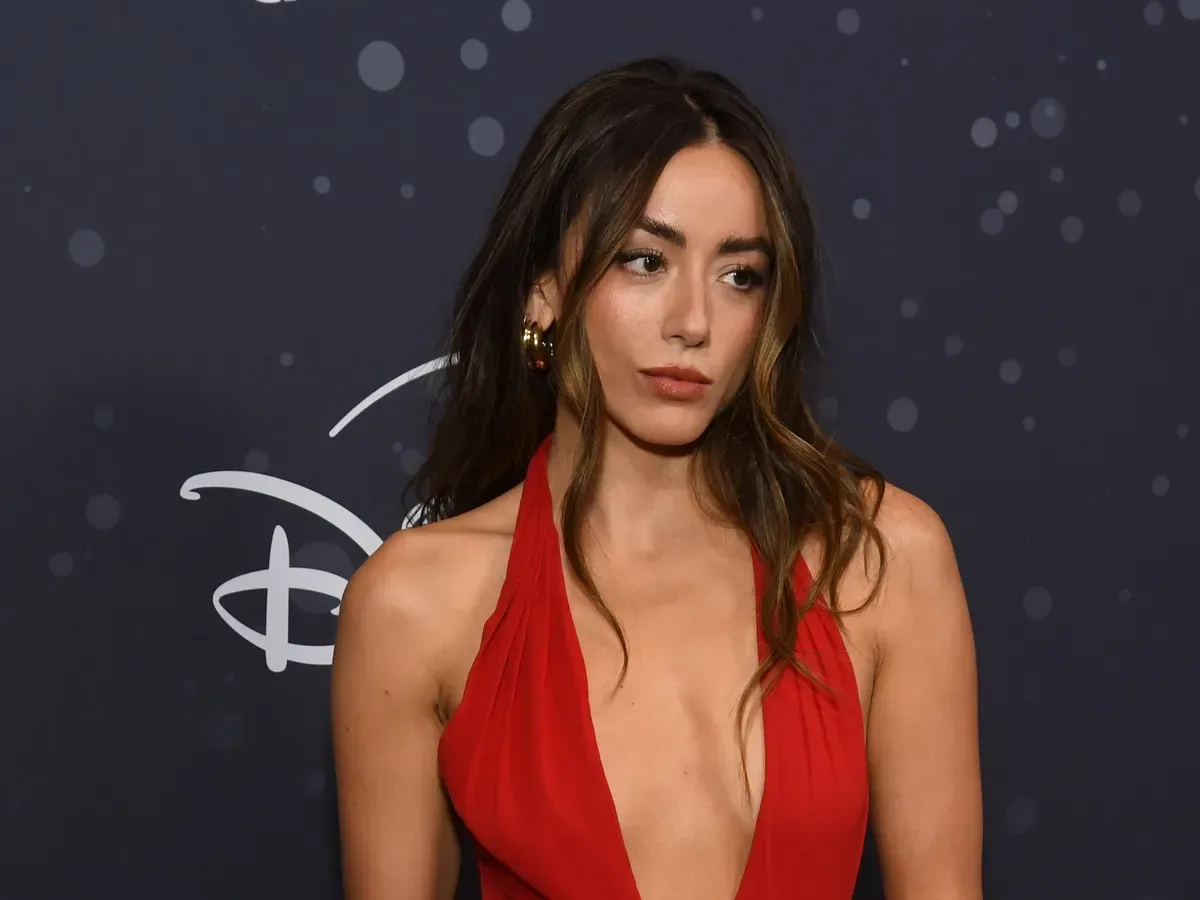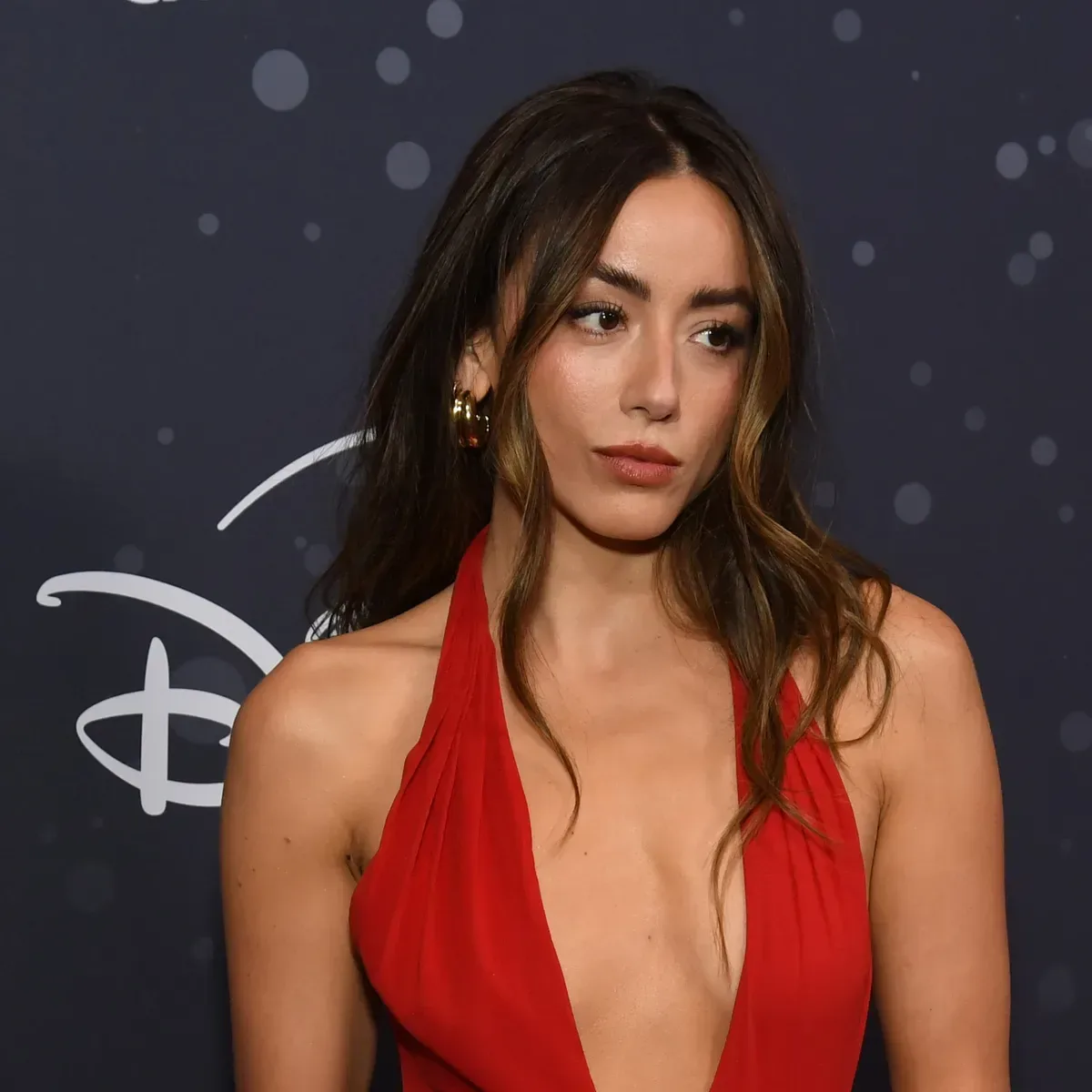
Chloe Bennet has made it clear that Marvel’s Agents of SHIELD still matters deeply to her—and that the show’s unresolved relationship with official MCU continuity remains a sore point. Bennet played Daisy Johnson across the series’ seven-season run, first known as Skye and later as the super-powered Quake. She says she remains “low-key angry” that the series has not been fully acknowledged as MCU canon, while also leaving no doubt that she would return if Marvel ever invited Daisy back.
For viewers who followed the show from its beginning, that feeling is easy to understand. Agents of SHIELD was built around the promise that television could occupy the same world as Marvel’s blockbuster movies. It began in 2013 as a spinoff connected to The Avengers, with Clark Gregg returning as Agent Phil Coulson. Its early episodes included appearances by Samuel L. Jackson’s Nick Fury and Hayley Atwell’s Peggy Carter, tangible signals that the series was designed to be part of the larger Marvel machine rather than merely borrowing its logo.
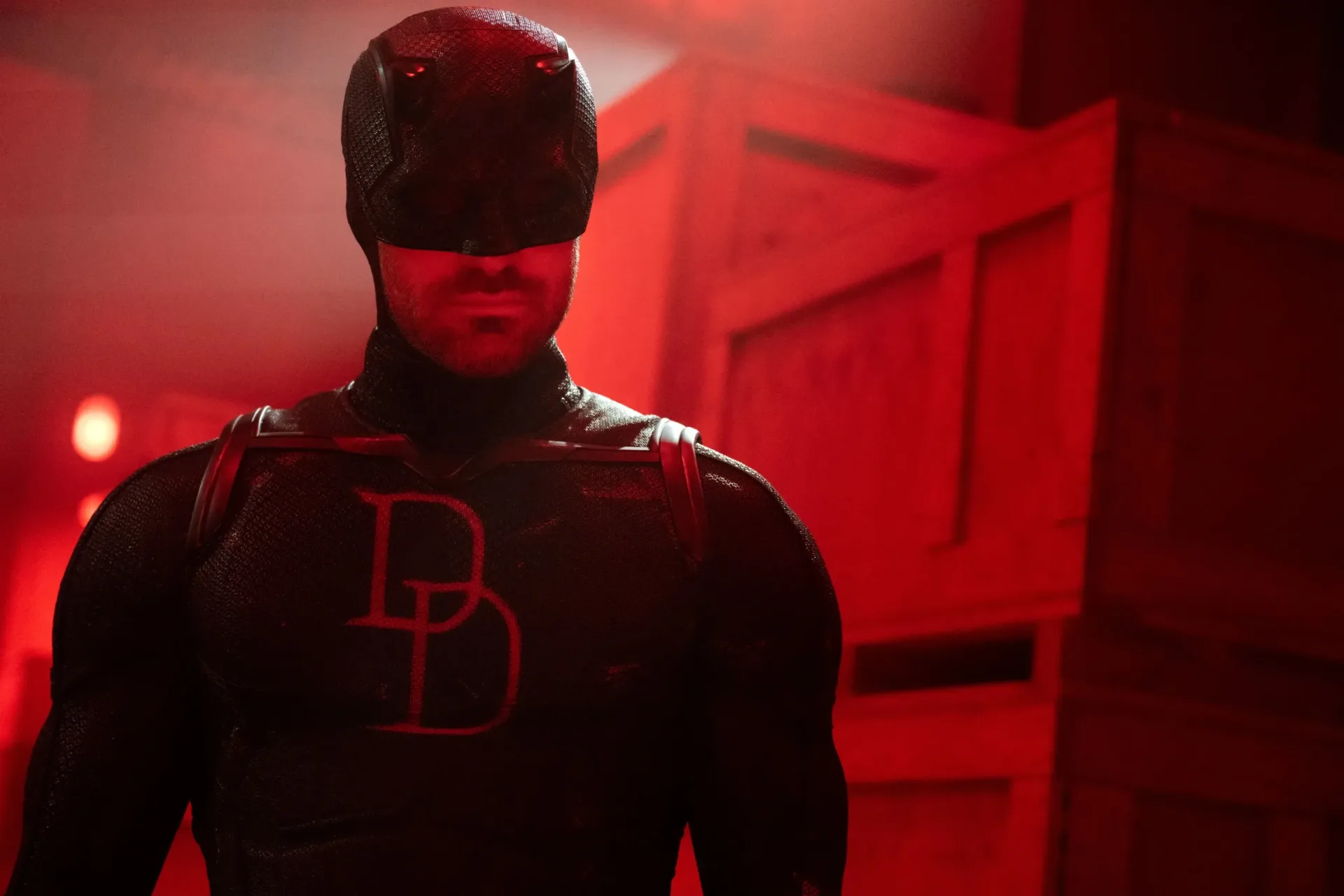
That promise became more complicated over time. The show developed its own plots, rules, characters and timelines, while the movies followed their own increasingly dense path. Today, Agents of SHIELD is absent from the Disney+ “MCU Complete Timeline,” even as some Marvel television productions from the Netflix era—including 2015’s Daredevil—have been retroactively folded into official continuity.
A canon question with a very human dimension
“Canon” is fandom shorthand for the stories a franchise treats as officially part of its continuing fictional history. It is not simply a quality judgment. A series can be beloved, influential to its audience and internally consistent without receiving the formal stamp that says its events must be remembered by every future film or television project.
That distinction is central to Bennet’s frustration. Her comments are not just an argument over a timeline graphic. She spent seven seasons playing a character who evolves from Skye, a young woman searching for belonging and answers about her past, into Daisy Johnson, an agent and hero who comes into her own power. Bennet described the character’s growth as personally meaningful, noting the symbolism she sees in looking back at the years she spent portraying Daisy.
Agents of SHIELD also lasted for more than 130 hour-long episodes. That scale matters. Viewers did not merely see a brief guest character who could be quietly written around later; they spent years with Daisy, Coulson and the team. For an actor, an extended television role means building a character gradually through changing circumstances, relationships and versions of the self. For an audience, it creates an attachment that is not erased simply because a later corporate timeline declines to list the program.
In that sense, Bennet’s reaction speaks for a familiar corner of superhero fandom: people who do not necessarily need every old story to dictate the next one, but who want the work and the investment behind it to be acknowledged.
Why Agents of SHIELD drifted from the movies
The show’s place in the MCU was never a simple yes-or-no question on screen. In its earlier period, the links were overt. Coulson himself was a direct bridge to the movies, and the appearances from Fury and Carter reinforced the connection. The premise positioned the series alongside a universe whose major events could reshape the world around its characters.
As its run continued, however, Agents of SHIELD increasingly moved into standalone territory. The later seasons used alternate timelines and alternate versions of Coulson, choices that allowed the series to explore bigger science-fiction ideas on its own terms. An alternate timeline is a branch of events that differs from another established sequence of events; it can let writers tell stories without being locked to every development occurring elsewhere in a franchise. That creative freedom can be useful, but it also makes a strict, single continuity harder to maintain.
The show’s relationship to the movies was further complicated by its lack of acknowledgment of the Snap/Blip. Those terms refer to the enormous population-altering event and its reversal in the MCU films. When a television story set in the same apparent world does not visibly address an event of that magnitude, it gives future Marvel projects a practical reason to treat the shows as separate, ambiguous or selectively compatible.
None of that means the series has no claim to the MCU’s wider legacy. Rather, it explains why the debate persists. Agents of SHIELD began with direct connective tissue, then gained enough narrative independence that later attempts to put every Marvel project in one neat order became difficult. The result is a frustrating middle ground: close enough to the MCU that the question never goes away, but not currently granted the straightforward official placement fans have sought.
Daisy Johnson remains the clearest route back
Bennet’s willingness to reprise the role gives Marvel an uncomplicated starting point should it ever choose to revisit this part of its television history. She said she is “obsessed” with Daisy and would be protective of the character, while also wanting to play her with the perspective she has gained since stepping away from the role.
That is a meaningful distinction from a vague expression of nostalgia. Bennet is not simply saying she remembers the job fondly. She is describing an enduring connection to the person Daisy became over the course of the show and a desire to continue that evolution. If a return were ever to happen, the question would not only be whether Daisy appears; it would be what Marvel recognizes from her past and how much of the original series is allowed to inform her present.
There are several ways a shared-universe franchise can handle a legacy character without making a definitive statement on every disputed episode. It can acknowledge a character’s identity and relationships while leaving certain historical details unstated. It can bring back an actor in a new continuity. Or it can explicitly affirm past stories. Those are general storytelling options, not indications of any announced Marvel plan. At present, Bennet’s comments establish enthusiasm, not a confirmed project, appearance or timeline decision.
For fans, that uncertainty is exactly why a possible return carries so much weight. Daisy is not an obscure name with a single unfinished plot thread. She is a lead character attached to a long-running show whose official status has been debated for years. Her presence in a future Marvel production could prompt immediate questions: Is this the same Daisy? Did the events of Agents of SHIELD happen in this continuity? Does the wider universe now recognize Coulson and the rest of the team?
Marvel would not have to answer every one of those questions at once. But even a small reference could change the tone of the discussion from “will this ever be acknowledged?” to “what does this acknowledgment mean?”
Recognition is not the same as erasing creative differences
There is a temptation in canon debates to treat an official answer as a winner-take-all verdict. In practice, the value of Agents of SHIELD to its viewers is not contingent on a streaming category. The series’ seven seasons, its character journeys and its increasingly ambitious departures into alternate timelines all exist as the work audiences watched. Bennet’s comments underline that the emotional record is real, even if the administrative record remains unsettled.
Still, formal recognition has practical and symbolic value. It makes references more likely, preserves the possibility of returning characters and tells fans that their investment belongs to the franchise’s visible history. The contrast with Daredevil is what keeps the subject active: Marvel has shown that previous television material can be incorporated later, so omission feels less like an inevitable technicality and more like a choice.
For the moment, there is no confirmation that Daisy Johnson will appear again, no confirmation that Agents of SHIELD will join the Disney+ MCU timeline, and no stated plan to settle every continuity wrinkle. What is clear is that Bennet would welcome the call. Her stance also offers a sharp reminder that canon labels affect more than fan wikis: they shape whether performers’ long-running characters are treated as part of an ongoing cultural story.
Marvel fans tracking how older screen stories are carried forward may also be interested in how new projects keep building around familiar heroes, including Your Friendly Neighborhood Spider-Man #1 and its connection to the wait for season two. The larger lesson is that continuity is rarely static. It is managed, revised and debated—and in the case of Agents of SHIELD, the people who made the show and loved it are still asking Marvel not to leave it behind.