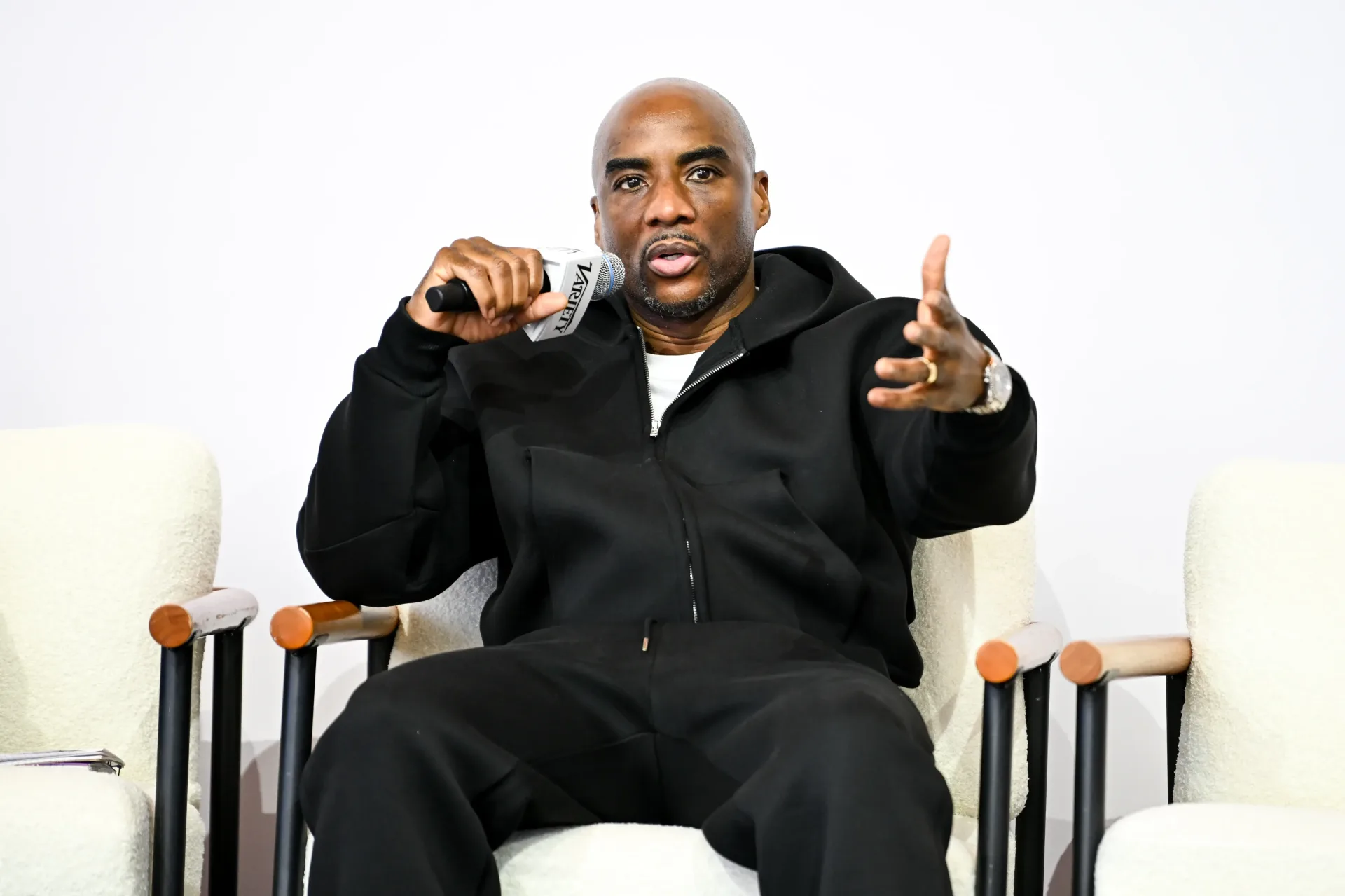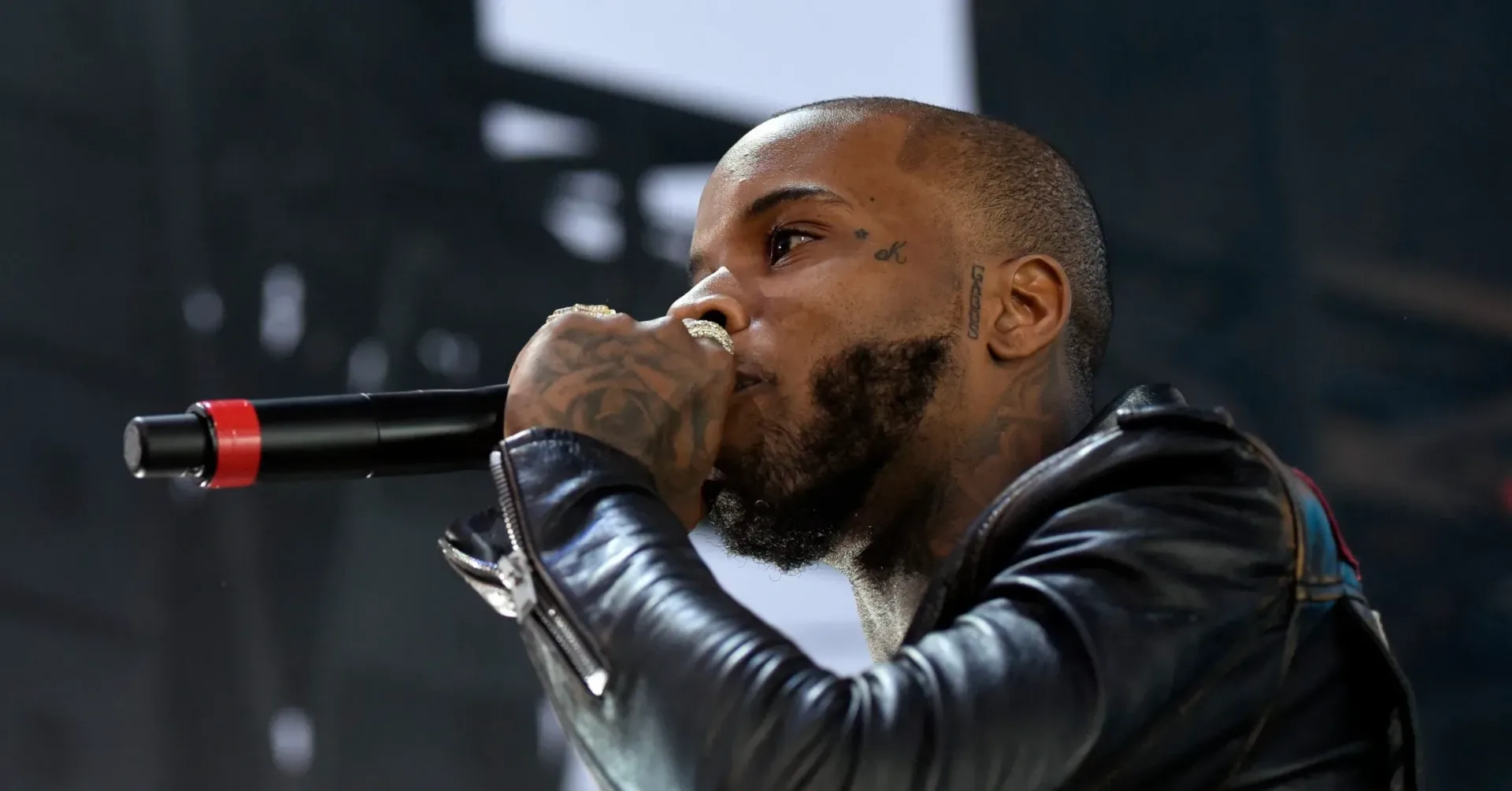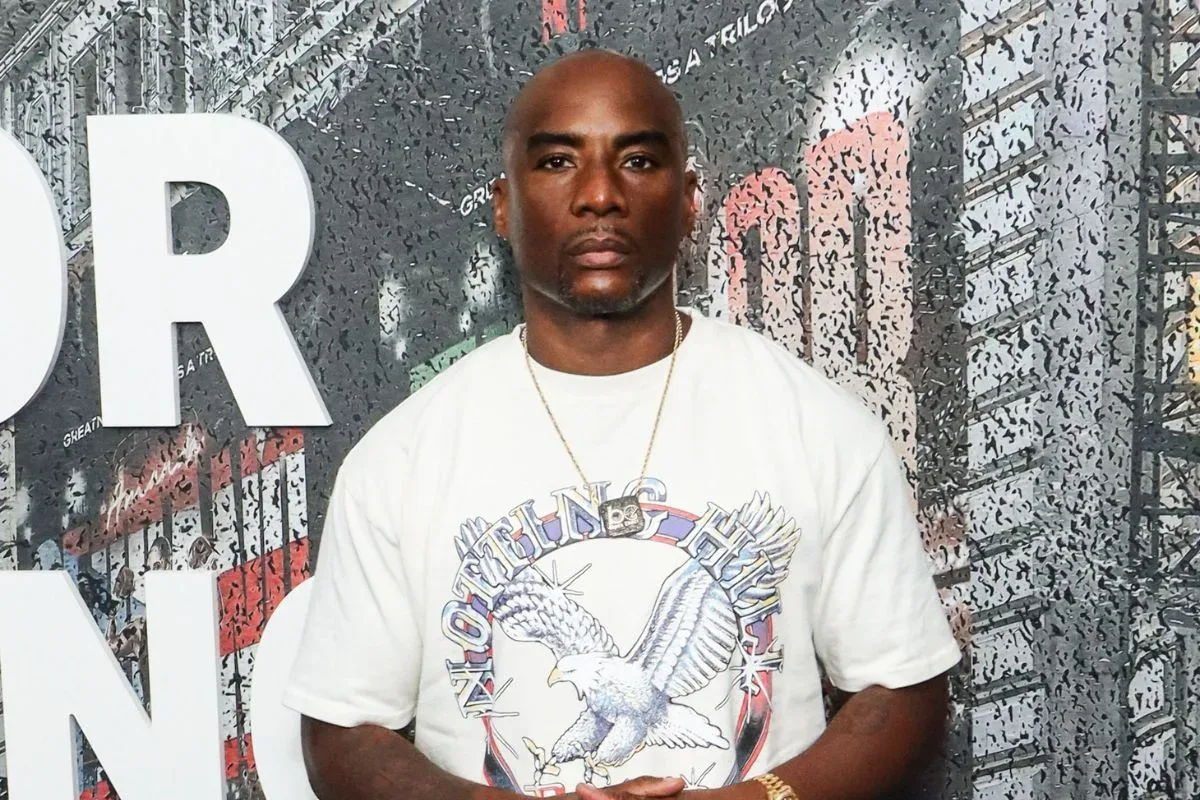
Charlamagne Tha God and Wallo are among the confirmed participants for the fourth United Justice Coalition Summit, a free public event set for October 17 at The Shed in New York City. Doors are scheduled to open at 10 a.m. Eastern.
The gathering brings mental-health advocates, justice-reform figures and community organizations into the same space to address policing, prison conditions and the obstacles that can follow a person’s release from prison. It is structured as more than a speaker program: organizers also plan an exhibition area where attendees can meet organizations working in legal assistance, education and reentry.
More than 40 groups are expected to take part, including the Innocence Project, REFORM Alliance and the National Alliance on Mental Illness. Registration is available through the coalition’s event site, while additional speakers and the complete program have yet to be announced.
Mental health is central to Charlamagne’s involvement
Charlamagne’s appearance continues a public-facing mental-health advocacy effort that extends beyond his work in radio and entertainment. His book Shook One: Anxiety Playing Tricks on Me put his experiences with anxiety at the center of that conversation, while his Mental Wealth Alliance focuses on improving access to care for Black communities, supporting education and helping develop more Black mental-health professionals.
That background makes his role at the summit particularly relevant to its wider agenda. Mental health is often discussed as an isolated wellness issue, but the summit’s program places it alongside questions about crisis response, public safety, incarceration and support after release. The practical point is not that every justice issue has one clinical solution. Rather, the event’s approach recognizes that a crisis involving mental distress may call for care, assessment and support in addition to—or instead of—a response centered on arrest or force.
Charlamagne addressed that connection at the 2025 United Justice Coalition gathering, when he moderated a discussion about deploying mental-health teams in crisis calls. That earlier conversation considered approaches meant to provide treatment while reducing arrests and use of force.
The language surrounding mental health matters in this setting. Being able to identify symptoms and describe them can make it easier for someone to seek help, communicate their needs and understand that their experience is not unusual. Charlamagne has previously discussed how learning the language to name his own symptoms changed his understanding of mental health and helped make the subject feel more normalized.
A summit built around access as well as discussion
The confirmed speaker list spans several perspectives on the justice system and behavioral health. Psychiatrist Dr. Jessica Clemons is slated to participate, as is Judge Ginger Lerner-Wren, founder of Broward County’s mental health court in Florida. Jessica Jackson, the CEO of REFORM Alliance, is also confirmed.
A mental health court is a court model focused on cases involving people with mental-health needs. In the context of the summit, Lerner-Wren’s participation adds a judicial perspective to a program that also includes advocates, clinicians and cultural figures. That mix is important because the issues on the agenda do not stop at a single point of contact with the system. They can involve a crisis call, a courtroom, a period of incarceration and the work of returning to daily life afterward.
Reentry refers to the process of returning to a community after incarceration. The term can cover practical needs such as legal guidance, education and connection to local services. The summit’s exhibition space is designed to give attendees direct contact with organizations doing work in those areas, rather than limiting participation to listening to onstage conversations.
That distinction may be the event’s most useful feature for people deciding whether to attend. Panels can frame a problem, introduce experts and give advocates a public platform. Direct access to participating organizations can offer a clearer starting point for people looking for community resources or ways to get involved. Organizers describe that connection as central to the coalition’s goal of helping people act on justice issues locally.
Why Wallo’s participation fits the program
Wallo’s inclusion places a Hip-Hop voice within a program otherwise defined by advocacy, health and legal-system discussions. Alongside Charlamagne, he represents a public-facing cultural presence in a summit that is attempting to make difficult policy and community topics accessible to a broad audience.
That does not turn the event into an entertainment program. Its stated focus remains justice reform and community engagement. But recognizable participants can help draw attention to subject matter that is sometimes treated as too technical or too distant from ordinary life. In this case, the announced lineup ties conversations about mental-health care and justice reform to people whose audiences may already be familiar with candid public discussions of anxiety, therapy, incarceration and second chances.
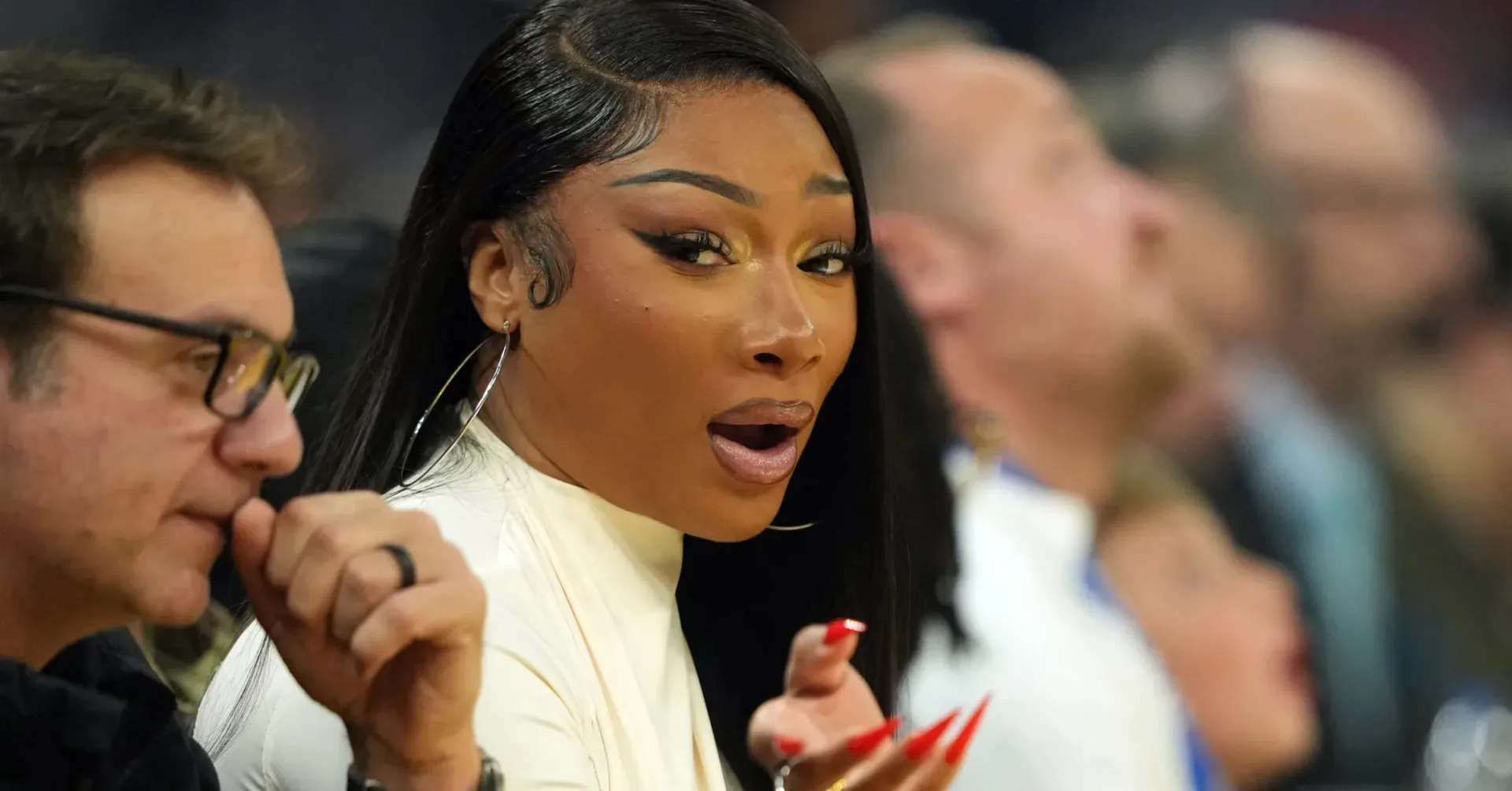
For readers following the overlap between Hip-Hop culture and live public events, the summit arrives shortly after another major culture-facing event on the calendar: Megan Thee Stallion’s Hottieween plans in Las Vegas. The two events have very different purposes, but together they underline the range of spaces in which prominent music and media figures are building public-facing gatherings.
What attendees can expect on October 17
The supplied program details establish several key points: admission is free, the event is open to the public, doors open at 10 a.m. Eastern, and The Shed in New York City is the venue. Organizers expect representation from more than 40 organizations, with legal help, education and reentry among the areas highlighted for the exhibition space.
There are also limits to what has been confirmed so far. A complete schedule and full speaker roster are still forthcoming. Attendees should therefore avoid assuming exact panel times, formats or every participating organization until organizers publish the final program.
Charlamagne also has a separate free Mental Wealth Expo planned for October 10 at the New Jersey Institute of Technology in Newark. While it is distinct from the United Justice Coalition Summit, its timing further emphasizes the Mental Wealth Alliance founder’s continuing focus on mental-health access and education in the region.
The broader idea behind the gathering
The summit’s program links topics that are frequently discussed in separate rooms: mental-health care, public safety, prison conditions, legal advocacy and life after incarceration. Its format suggests that meaningful public engagement needs both conversation and routes to participation. A clinician may explain a health need; a judge can offer insight into court-based responses; an advocacy organization can identify policy priorities; and community groups can provide pathways for direct support.
For the public, the value of that model is in the connections it makes visible. A person interested in crisis-response reform may also need to understand access to treatment. Someone concerned about prison conditions may want to learn how reentry support affects people after release. Someone coming because of a familiar media or Hip-Hop figure may leave with contacts for an organization working in their community.
On October 17, the United Justice Coalition Summit will bring those threads together at The Shed with a free entry point for attendees. With Charlamagne Tha God, Wallo, Dr. Jessica Clemons, Judge Ginger Lerner-Wren and Jessica Jackson among the names already announced, the event is positioned as a day of discussion paired with opportunities to connect directly with organizations doing reform-oriented work.