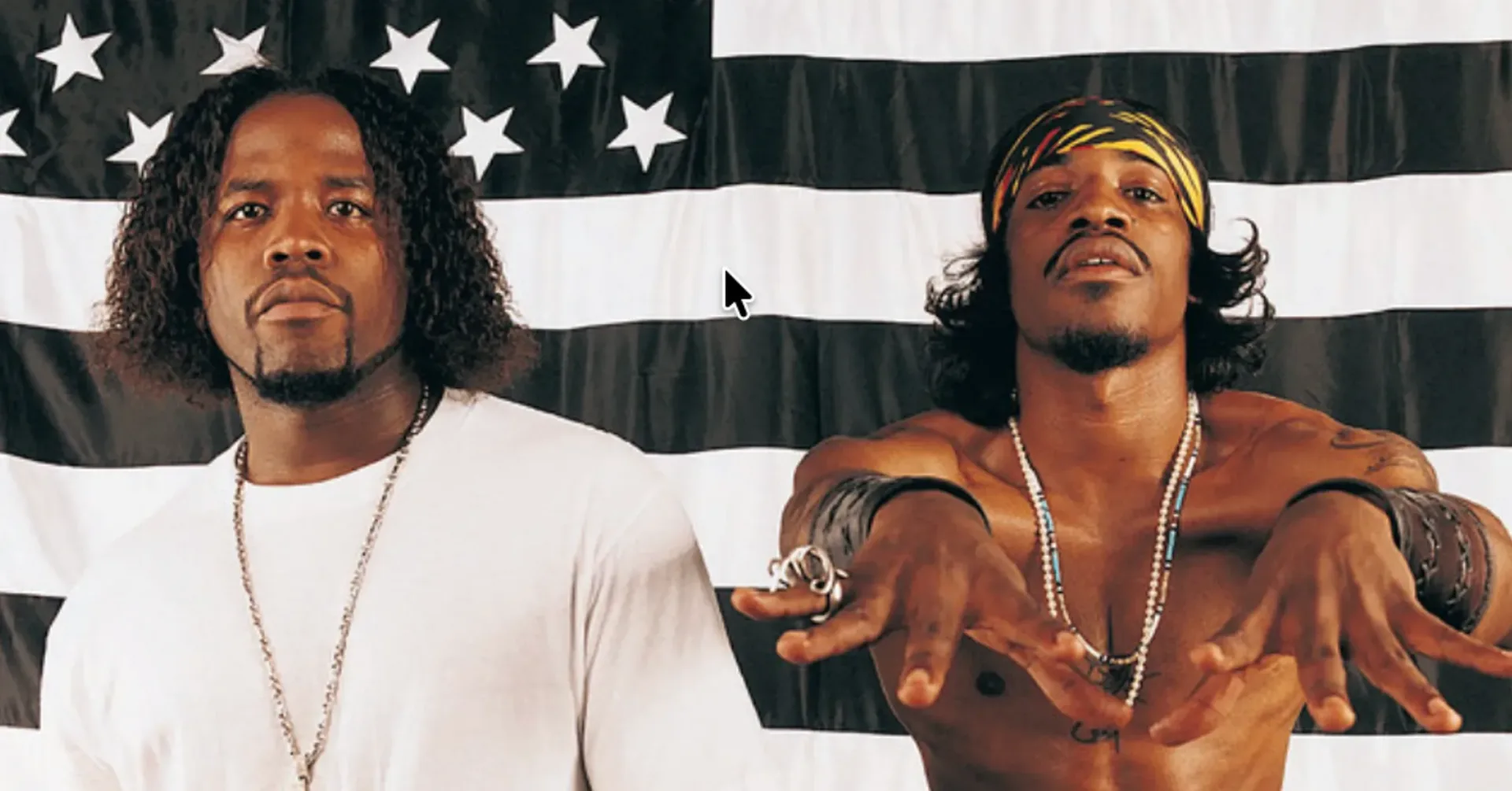
C.L. Smooth has filed a federal lawsuit alleging that $132,000 in performance royalties intended for him were redirected over many years through a SoundExchange account he says was created and controlled without his knowledge. The complaint names Nickolas Taylor, Nichelle Taylor, and businesses connected to them, and seeks the allegedly diverted money as well as unspecified punitive damages.
At the center of the dispute is not only a royalty account, but a long personal and professional relationship that allegedly began in New York’s music scene in 1989. C.L. Smooth says Taylor began booking his shows by 2001 under a handshake arrangement rather than a formal written contract. The suit portrays that informal setup as a key backdrop to a later conflict involving control of personal information, payment addresses, and royalty checks.
The claims have not been proven in court. They are allegations in a civil suit, and the Taylors’ responses to those allegations are not included in the material provided. Still, the case lays out a pointed warning for performers: an informal business relationship may be workable until questions arise over who has access to royalty portals, identity documents, payment records, and the underlying accounts that receive money.
What C.L. Smooth alleges happened
The lawsuit alleges that Nickolas and Nichelle Taylor arranged a SoundExchange account in C.L. Smooth’s name and routed its payments to addresses under their control. C.L. Smooth says he discovered the existing account only in March 2026, when he attempted to create an account himself.
The alleged trail reaches back to early 2006. Royalty checks were reportedly sent to the Taylors’ Elmsford home, as well as addresses in Pleasantville and Yonkers. Although the checks were made payable to C.L. Smooth, the suit alleges that Nichelle Taylor endorsed them and deposited them into accounts controlled by her and her husband.
The complaint also alleges that the working relationship had already deteriorated around 2007 amid financial disagreements. Taylor had formed St. Nick Entertainment Inc. in 2006, according to the filing described in the report. C.L. Smooth further says he had provided Taylor with sensitive personal materials, including his passport, in connection with international performances.
That detail matters because touring support can require a representative to handle highly sensitive logistics. But access for one purpose does not inherently establish authority over every revenue stream. The legal dispute will turn on what the parties agreed to, what information was used, who exercised control over the account and checks, and whether any authorization existed.
Why the SoundExchange account is central
SoundExchange is the payment system identified in the lawsuit. In this case, the practical issue is straightforward: C.L. Smooth alleges that an account bearing his name was already set up and that payments meant for him were directed elsewhere.
A royalty account is more than an inbox for money. It can establish where payments are sent, which contact details are on file, and who is positioned to receive notices and statements. If the allegations are substantiated, control of the account would have given the alleged recipients a way to collect royalties while preventing the artist from seeing the full payment path.
The complaint says C.L. Smooth has since taken control of his SoundExchange account. It also says he has recovered approximately $30,000 in royalties covering 2023 through 2026. That recovery is distinct from the approximately $132,000 he alleges was intercepted and remains at issue in the lawsuit.
Those figures should not be blended together. The $30,000 is described as royalties recovered after he took control of the account; the $132,000 is the amount he alleges was diverted. Whether the full amount can be traced, recovered, or supplemented by damages will be decided through the legal process, not by the complaint alone.
The legal claims, in plain English
C.L. Smooth’s suit asserts fraud, conversion, breach of fiduciary duty, and unjust enrichment. These are separate theories, even when they stem from the same alleged conduct.
- Fraud generally concerns intentional deception. Here, the allegation is that an account was fraudulently established in C.L. Smooth’s name and used to collect money belonging to him.
- Conversion is a civil claim alleging wrongful control over another person’s property. In this dispute, that property is the royalty money and, potentially, checks issued in C.L. Smooth’s name.
- Breach of fiduciary duty concerns an alleged violation of special duties of loyalty or care. The relevance of this claim may depend on whether the relationship between artist and representative created duties beyond an ordinary informal business arrangement.
- Unjust enrichment argues that a person or entity received a benefit that it would be unfair for them to retain. It can be important where the dispute focuses on money allegedly received without a valid right to it.
The suit seeks repayment and unspecified punitive damages. Repayment is intended to restore the alleged losses. Punitive damages, when available, are designed to punish particularly wrongful conduct and deter similar behavior; they are not automatic simply because a complaint requests them.
A handshake deal can leave critical questions unanswered
The report’s most durable lesson is not that every informal relationship is suspect. It is that a handshake agreement can leave vital operational details undocumented. C.L. Smooth and Taylor allegedly relied on trust built over years, with Taylor booking shows beginning in 2001 but no formal contract governing the relationship.
A written agreement cannot prevent every dispute, but it can identify who is allowed to do what. For an artist relationship involving booking, touring, or management, the most consequential questions often include who may receive payments, open accounts, access royalty databases, update addresses, endorse checks, and retain personal documents.
When those answers are only verbal, a dispute can become an argument about recollections and implied authority. When they are written down, the parties at least have a defined reference point for the scope and limits of the representative’s role.
This story also arrives amid other entertainment-business conflicts where names, commercial rights, and old agreements have become central points of litigation. For another recent example involving disputed music-related naming rights, see this report on the Outkast trademark holder’s suit involving Ovrkast.
Practical safeguards for artists and representatives
The C.L. Smooth case is unresolved, but the alleged facts highlight records that performers and their teams should keep close. These are practical safeguards, not claims about what occurred beyond the allegations in the lawsuit.
- Maintain direct account ownership. An artist should know which royalty accounts exist in their name, the email and mailing address attached to each one, and who has login access.
- Keep payment details current. A periodic review of payment addresses, bank destinations, and tax or identity information can reveal old or unfamiliar entries.
- Use written permissions. If a manager, agent, or business partner is authorized to collect money or administer an account, the authority and limits should be documented.
- Separate access from ownership. A representative may need administrative access without becoming the owner of an account or the recipient of funds.
- Preserve statements and check records. Payment histories, correspondence, contracts, and account-change notices can be essential if discrepancies emerge years later.
- Review sensitive documents. Passports and other identifying materials may be necessary for travel arrangements, but their handling and return should be carefully tracked.
None of those measures replaces professional legal or financial advice. They do, however, reduce the number of unanswered questions when revenue moves through several intermediaries.
What the lawsuit will need to establish
For C.L. Smooth to prevail on the allegations described, the dispute will likely require evidence connecting the account, mailing addresses, endorsed checks, deposits, and alleged losses. The existence of a royalty account in an artist’s name would not by itself answer every question. The key issues include whether it was authorized, who controlled it, what happened to the checks, and what duty—if any—the Taylors owed under their business relationship.
The timeline will also matter. The suit describes payments dating back to early 2006, disputes surfacing around 2007, and the purported discovery of the existing account in March 2026. Long timelines can make recordkeeping especially important, as memories fade and financial institutions or businesses may have different retention practices.
For now, the available account is a set of serious allegations over royalties, trust, and authority. C.L. Smooth says he regained control of his SoundExchange account and recovered about $30,000 in more recent royalties, but he is asking a federal court to address the substantially larger amount he says was diverted. The case will determine whether the alleged payment trail supports his fraud and related claims, and whether he is entitled to the money and additional damages he seeks.