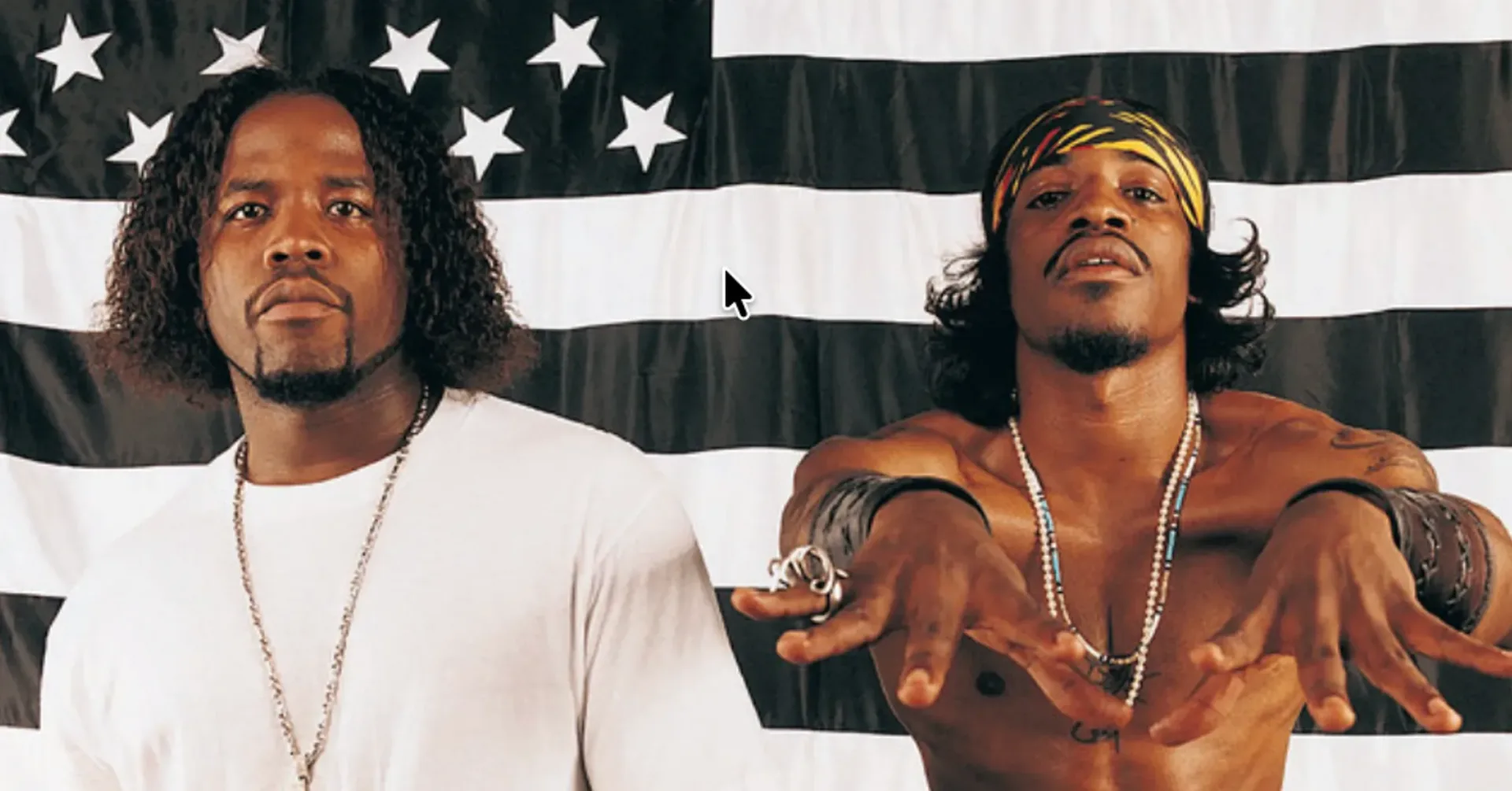
A dispute over a rap name that appeared set for a private fix is now in federal court. High Schoolers LLC, the company identified in the complaint as controlling Outkast’s trademarks, has sued Oakland rapper-producer Silas Wilson, who performs as Ovrkast. The central allegation is straightforward: Wilson agreed to stop using OVRKAST and adopt OVERKXST, but did not complete that switch by the agreed deadline.
The complaint was filed September 16 in the Northern District of Georgia. It remains pending before U.S. District Judge Eleanor L. Ross, and the plaintiff has requested a jury trial. High Schoolers is seeking to bar Wilson from using OVRKAST, or another name it considers confusingly similar to Outkast, along with damages connected to the alleged infringement.
It is important to separate the filed claims from established findings. These are allegations in an ongoing civil case, not a ruling that Wilson has infringed a trademark or breached an agreement. The court process will determine whether the asserted agreement, the claimed continuing use, and the alleged likelihood of listener confusion support the remedies Outkast’s trademark holder wants.
The alleged agreement and the claimed deadline
The underlying conflict reportedly began with a cease-and-desist sent in June 2025. The parties then reached an agreement under which Wilson would retire OVRKAST and begin using OVERKXST. The complaint says the change was to be completed by July 15, 2026.
High Schoolers alleges that deadline passed without a complete transition. It also says Wilson received a breach notice in August. A single titled “Knock”, released September 10, was still listed under Ovrkast, a point the complaint uses to argue that the older name remained in active commercial use after the purported cutoff.
For an artist, a stage name is not merely a label placed on new releases. It can connect catalog credits, search results, social accounts, promotional material, and recognition built across a career. That is why a proposed move from one spelling to another can be operationally complicated even when the replacement name is close enough for existing followers to recognize. But the practical difficulty of a rebrand and the legal obligations alleged in this lawsuit are different questions. The case concerns whether a promised change occurred on the stated terms, not whether changing a public-facing name is easy.
Why the spelling difference is at the center of the case
Outkast and Ovrkast are plainly not identical spellings. One uses the conventional “Out,” while the other begins with “Ov” and removes a vowel. The plaintiff’s argument, however, is that spoken pronunciation, quick reading, and the way names appear in music discovery spaces can make the distinction less decisive than it appears on paper.
The complaint cites Wilson’s own comments from a 2025 interview in which he acknowledged that people sometimes read Ovrkast as Outkast. The filing treats that statement as evidence that the possibility of confusion is not theoretical. In trademark disputes, this concept is often called likelihood of confusion: the question is not necessarily whether every listener believes two names are the same, but whether an appreciable risk exists that consumers could mistake the origin, connection, sponsorship, or affiliation of goods or services.
That framing matters in music, where listeners may encounter an artist name in an abbreviated text field, a recommendation feed, a playlist credit, or a spoken mention. A legal complaint can point to those real-world conditions while arguing that a similar name pulls attention or creates a mistaken association. Wilson may contest the plaintiff’s characterization, the significance of the cited comments, or the legal conclusion that the names are sufficiently similar. The supplied case information does not set out his formal legal response, so it would be premature to assume what defenses he will raise.
Trademark terms in plain language
- Trademark: a word, name, symbol, or other identifier used to distinguish the source of goods or services. In this dispute, the contested issue is tied to the Outkast name and related rights controlled by High Schoolers.
- Cease-and-desist: a demand that a person stop an alleged unlawful activity. It is not itself a court judgment.
- Injunction: a court order requiring a party to do something or refrain from doing something. Here, the requested relief includes stopping use of OVRKAST and allegedly confusingly similar alternatives.
- Damages: money a plaintiff seeks for alleged harm. Requesting damages does not establish the amount or guarantee an award.
- Breach notice: a notice claiming that the other side failed to meet obligations under an agreement. The lawsuit says one was sent in August.
Wilson’s public reaction
Wilson reacted publicly after news of the lawsuit emerged. He posted “Ouch” on X, then wrote on Instagram, “I thought it was love @andre3000 @bigboi (yes this is real).” The posts convey disappointment, but they are not a detailed response to the complaint’s factual and legal claims.
That distinction is worth keeping in view as the case progresses. Social posts can show an artist’s immediate reaction and explain why a lawsuit becomes a wider cultural conversation, especially when the opposing name is as recognizable as Outkast. They do not substitute for filings that address the alleged agreement, deadline, or continuing use. At this stage, the available facts establish that a lawsuit has been filed and that the named parties disagree over the Ovrkast name; they do not establish its final outcome.
A broader effort to police Outkast-related names
This is not the first recent intellectual-property dispute connected to Outkast. In 2024, the duo sued electronic act ATLiens over a name shared with Outkast’s 1996 album. That case settled in February 2026.
The two disputes are not interchangeable. A settlement in the ATLiens matter does not decide the Ovrkast case, and the supplied information does not provide settlement terms or a judicial determination in that earlier conflict. Still, together they show a willingness to challenge uses that the trademark holder believes draw on Outkast’s protected identity or associated catalog.
That catalog connection is especially relevant in the ATLiens situation because the disputed name was also the title of an Outkast album. The Ovrkast matter instead focuses on the claimed similarity between artist names, the alleged agreement to adopt OVERKXST, and asserted evidence of real listener mix-ups. Both are forms of brand protection, but their factual paths differ.
Hip-hop’s cultural reach also means names can travel far beyond a release credit. They can become shorthand in visual art, fashion, local identity, criticism, and fandom. That larger relationship between music and visual culture is visible in Shepard Fairey’s hip-hop and punk history-themed Packard art car. In a legal setting, though, recognition cuts in multiple directions: it can make a famous mark valuable to protect, while potentially making allegations of mistaken association more consequential if a similar name is used in the same broad entertainment marketplace.
What happens next—and what remains unknown
The immediate issue is not whether the court has ordered Wilson to rebrand. No such outcome is established by the information available. High Schoolers has asked for an injunction, damages, and a jury trial. The case is pending, and the record described here does not include a decision on liability, a damages amount, a trial date, or a final order.
Several practical questions remain unresolved. The court may need to assess the terms and enforceability of the alleged name-change agreement, what actions were required by the July 15 deadline, and whether releases or listings under Ovrkast after that date amount to the continued use claimed by the plaintiff. It may also consider the names’ appearance and sound, the relevant audience for the artists’ work, and the evidence offered to show—or rebut—consumer confusion.
There is a further wrinkle in the requested remedy. High Schoolers is not only asking to stop use of OVRKAST; it is also seeking to prevent names it considers confusingly similar. That kind of language can matter because it asks a court to address more than a single spelling. Yet the eventual scope, if any, would depend on the court’s analysis and any later agreement between the parties.
For now, the most concrete timeline is clear: a reported cease-and-desist in June 2025; an alleged agreement to move from OVRKAST to OVERKXST; a claimed July 15, 2026 transition deadline; an alleged August breach notice; a September 10 release still attributed to Ovrkast; and a September 16 federal filing. The rest will turn on what the parties can establish in court, rather than on the initial force of a complaint or a frustrated post online.