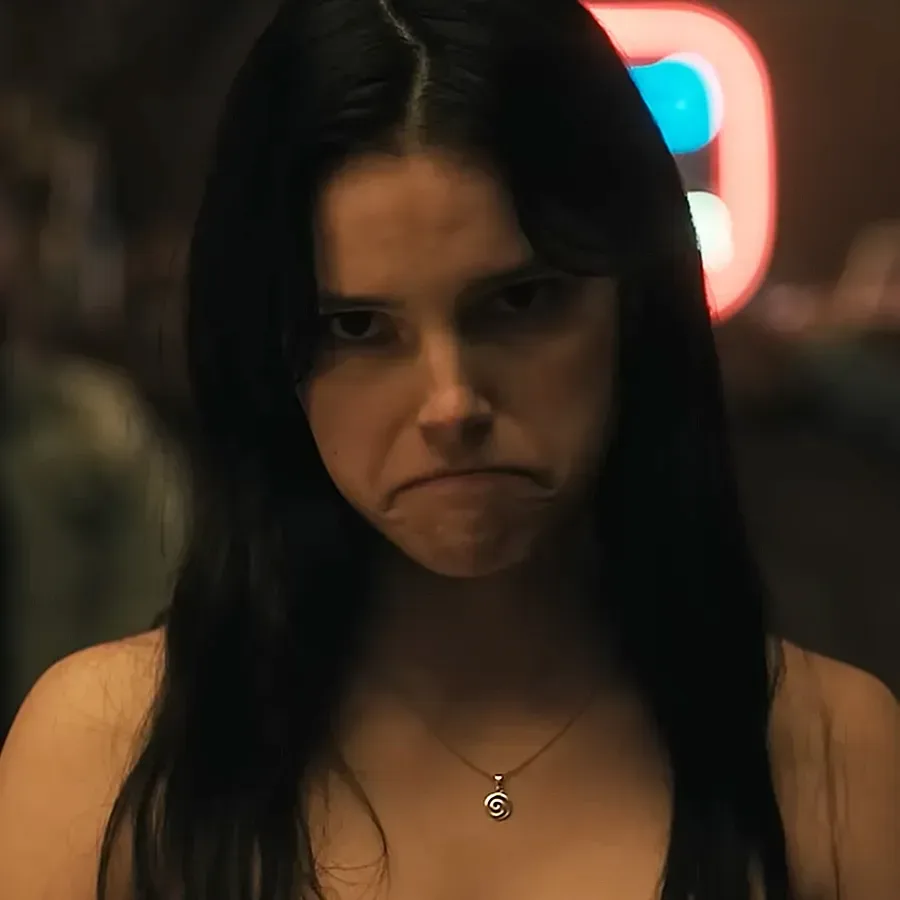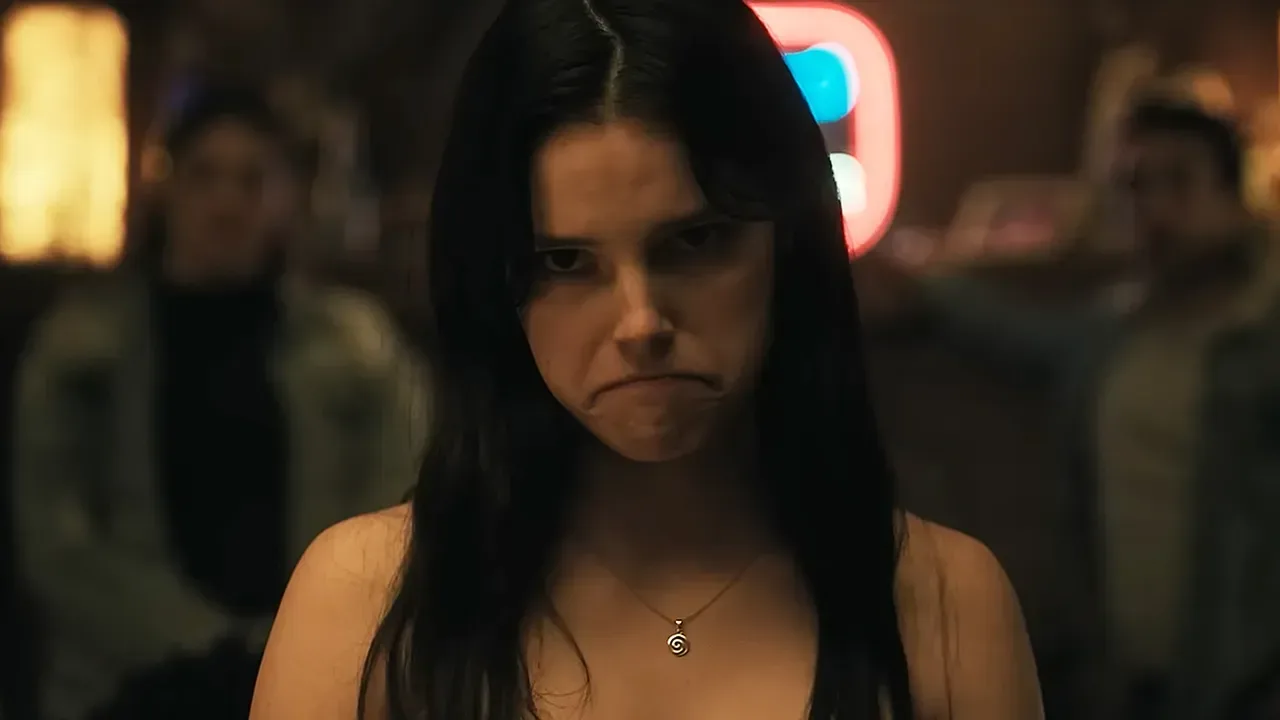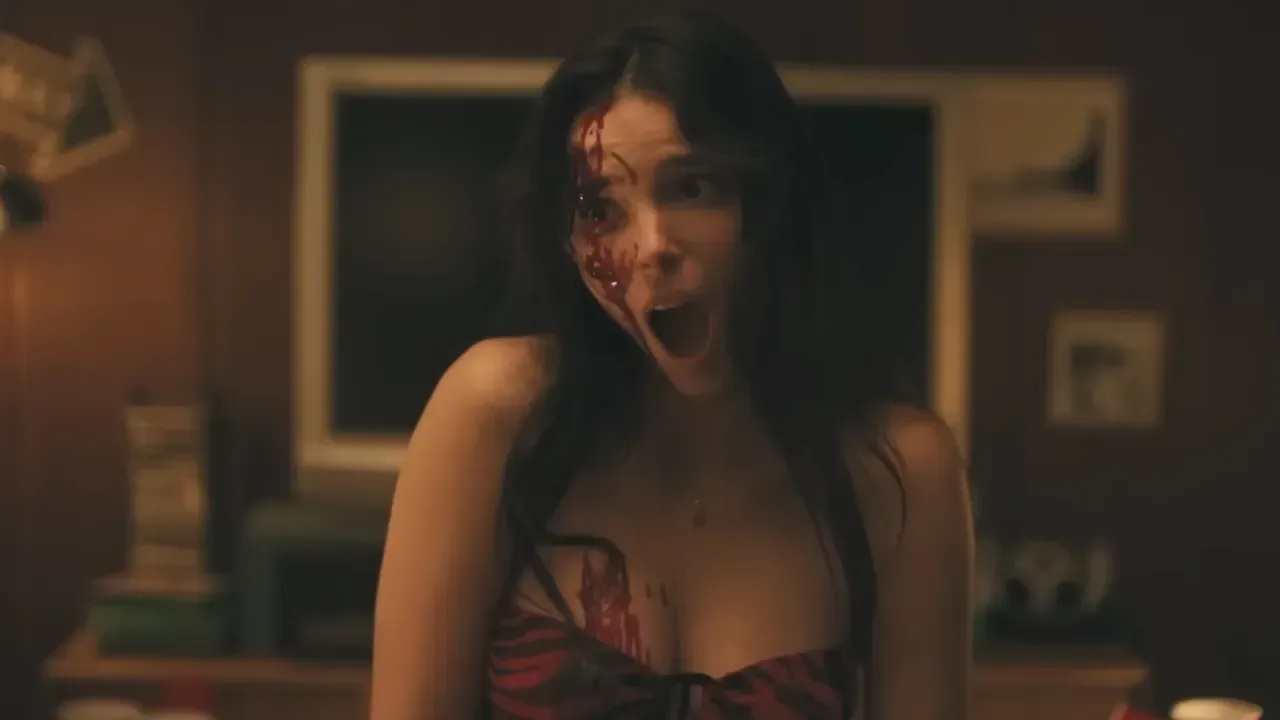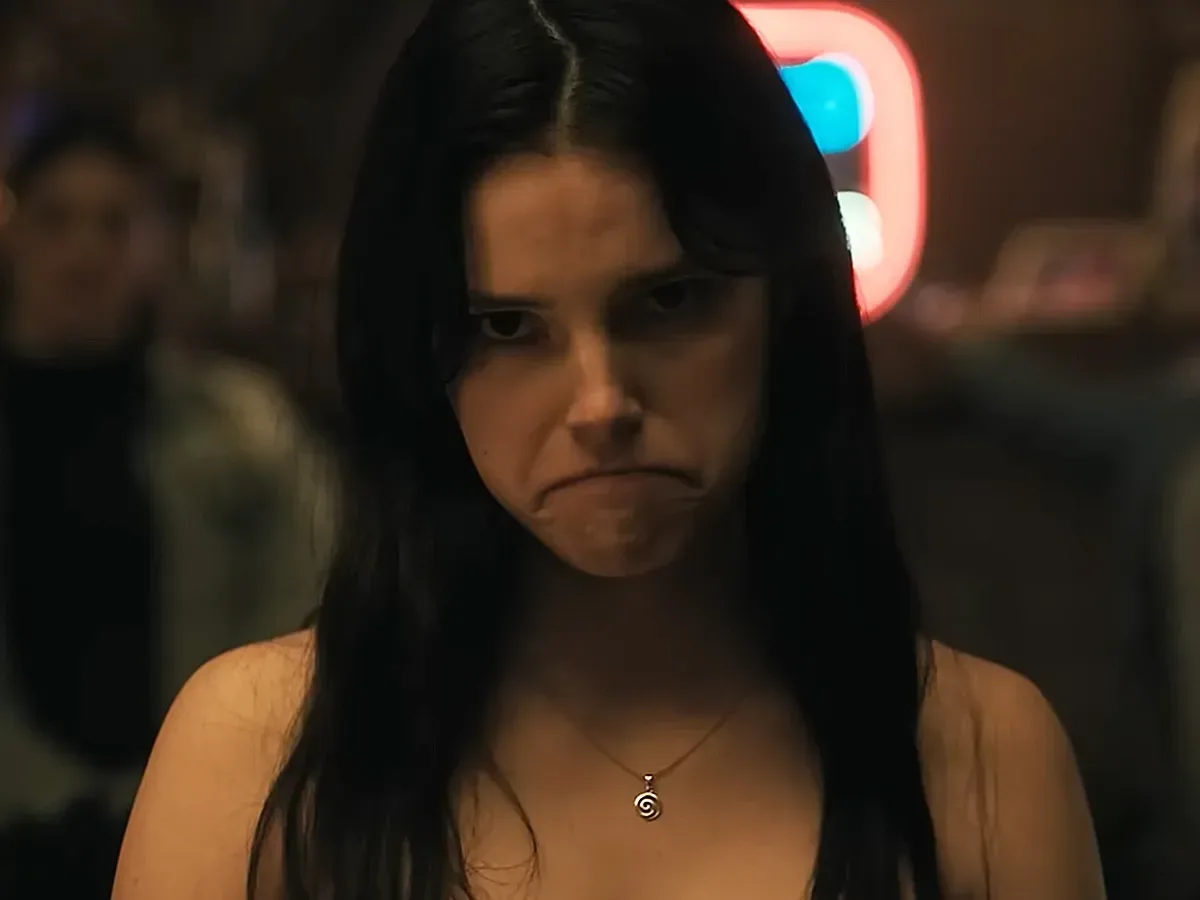
Halloween costume planning is increasingly a search-bar sport, and this year’s trend list has delivered a particularly eclectic podium: Buddy the Unicorn sits at No. 1, Needoh is No. 2, and Nikki Freeman from Obsession is No. 3 among Google’s most-searched costume ideas.
The rankings come from Google’s Frightgeist experience, which compiles seasonal search activity around Halloween categories including costumes, horror movies, couples’ outfits and pet costumes. That distinction matters. A Frightgeist placement reflects what people are looking up, rather than proving how many people will ultimately wear, buy or make a particular costume. Still, search interest is a useful early sign of which characters, props and recognizable looks have entered the wider Halloween conversation.
The full costume list is a collision of horror, games, toys, music, animated nostalgia and blockbuster-adjacent pop culture. Alongside Nikki, the top 10 includes Poppy Playtime character Lily Love Braids, Minecraft’s Verity, Carl from Dungeon Crawler Carl, Disco Scooby Doo, and Hazel Hook from Descendants. It is less a single dominant fandom than a demonstration of how many different communities now shape a mainstream costume season.
Google’s 10 most-searched Halloween costumes
- Buddy the Unicorn (Buddy)
- Needoh
- Nikki (Obsession)
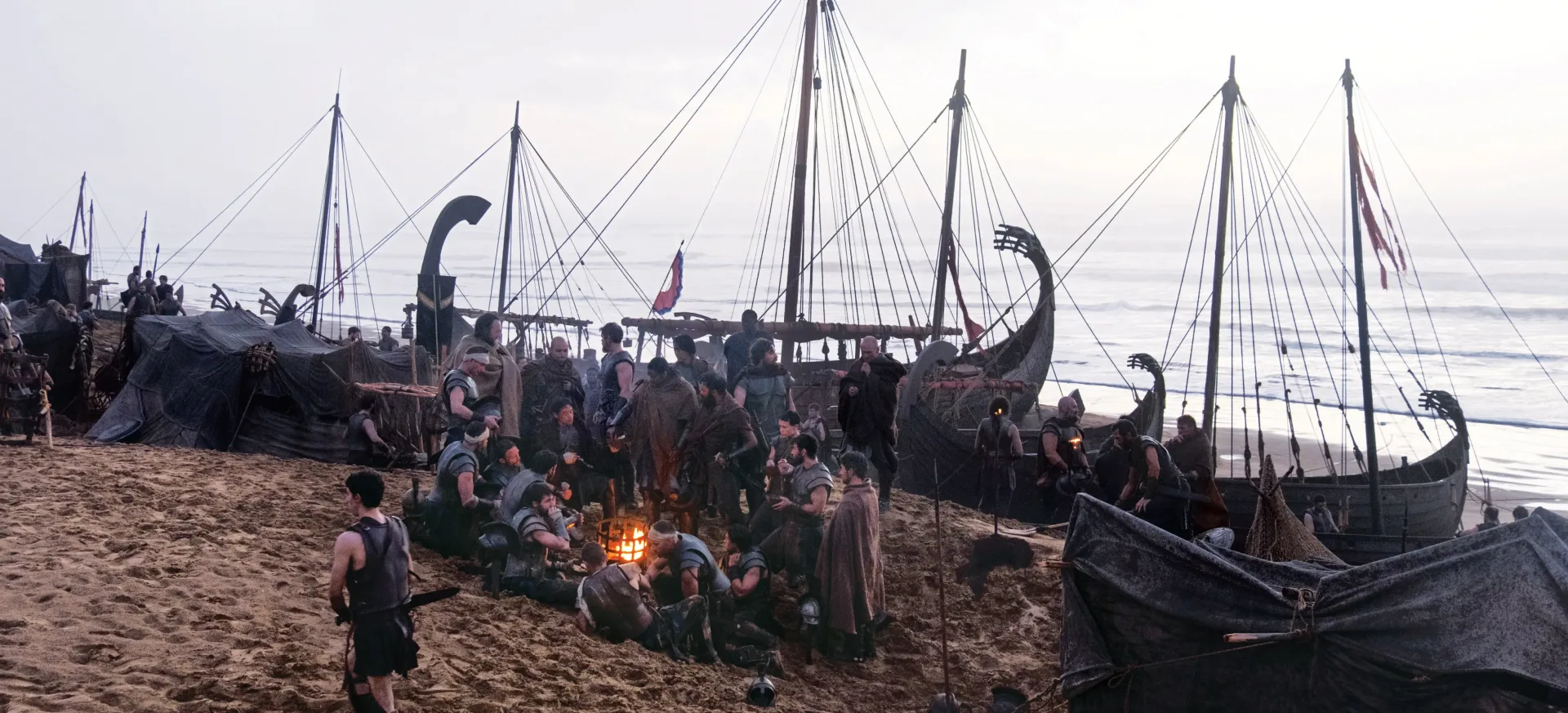
- Agamemnon (The Odyssey)
- Lily Love Braids (Poppy Playtime)
- Oliver Tree
- Verity (Minecraft)
- Carl (Dungeon Crawler Carl)
- Disco Scooby Doo
- Hazel Hook (Descendants)
Nikki Freeman’s costume appeal has a specific visual hook
Obsession has placed twice within the Frightgeist results: Nikki is third in the overall costume ranking, while Nikki and Bear are also listed among the leading couples’ costume searches. Nikki’s rise is tied to a very concrete wardrobe cue. Searches for “red zebra halter top” reportedly hit an all-time high after the film’s May release, pointing to the outfit worn in one of the character’s key scenes.
That is the sort of detail that helps turn a screen character into a Halloween option. A highly recognizable silhouette, color combination or garment can be more practical for costume-makers than a full replica that requires elaborate construction. It gives people a keyword to begin with, whether they intend to assemble an outfit from separate pieces, alter something they already own, or simply use the element as the visual center of a broader look.
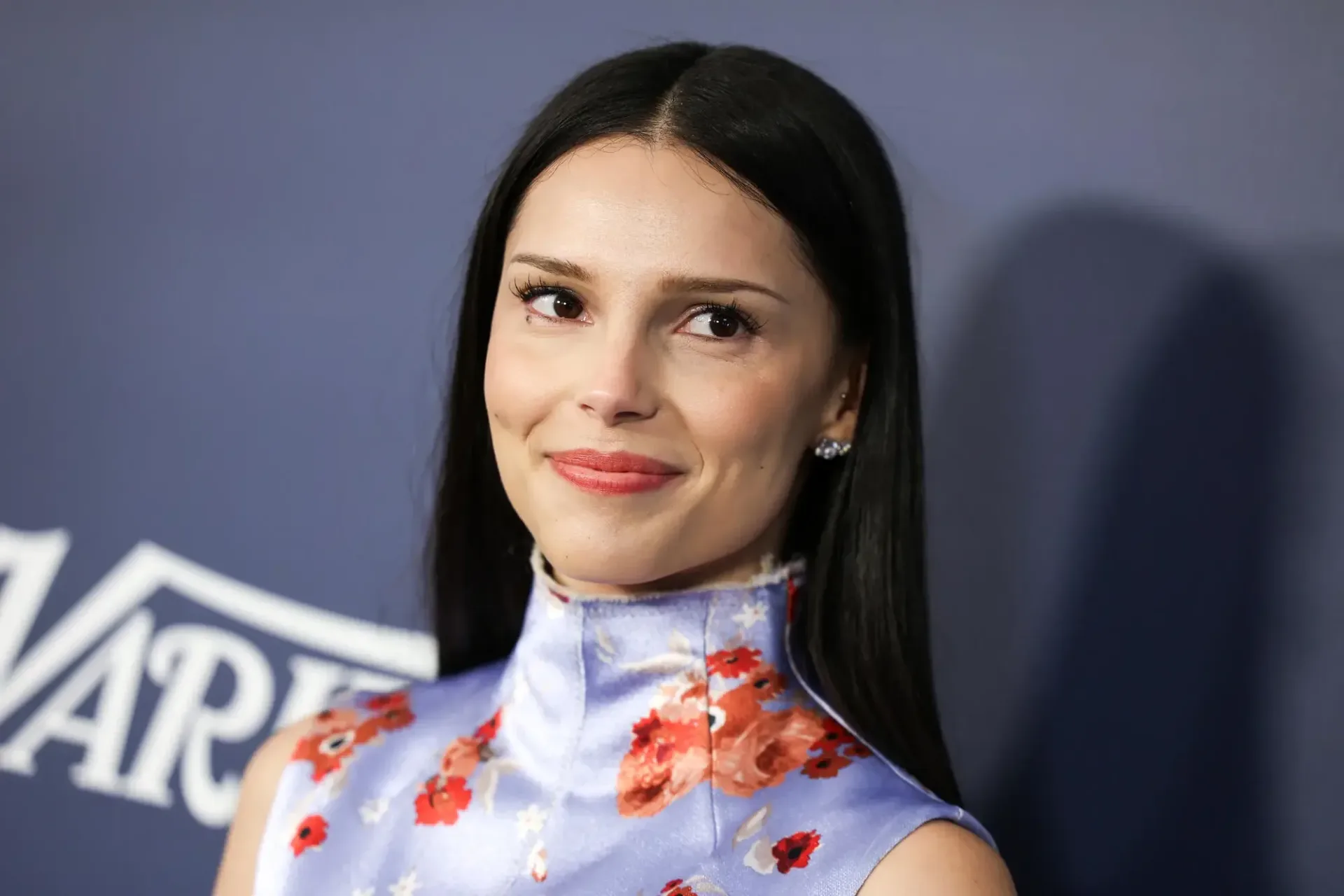
Nikki’s profile has also expanded beyond the film itself. The character became a roaming presence at Universal Studios’ Halloween Horror Nights, while actor Inde Navarrette’s post-film visibility includes being cast as Rogue in Marvel’s forthcoming X-Men reboot. Those facts do not establish why every individual search occurred, but they help explain why the character has remained visible through Halloween season.
For anyone reading trend data as a costume forecast, the useful takeaway is not that every Nikki outfit will look identical. It is that people appear to recognize an especially memorable visual reference. That is often the difference between a character who is popular to discuss and one who becomes popular to dress as.
A game-heavy list without a single-game takeover
Video game-related costumes have a meaningful presence in the top 10, but they represent several distinct kinds of gaming culture rather than one release monopolizing the list. Lily Love Braids brings Poppy Playtime into the rankings, Verity represents Minecraft, and Carl reflects Dungeon Crawler Carl. Each name has enough standalone recognition in search that people are looking for costume references rather than merely searching a franchise title.
That distinction is important when interpreting the results. “Trending costume” is a person- or character-level search category. It rewards names that offer an immediate identity people can imagine wearing. The game connection may attract the initial interest, but a costume still needs clear traits: a distinctive hairstyle, clothing shape, prop, color scheme, or an easy-to-explain character concept.
The list also underlines how porous the boundaries are between games, internet-driven horror and broader entertainment fandom. Buddy the Unicorn, Needoh and Disco Scooby Doo do not resemble a conventional “only movie characters” costume chart. The same page places tactile-toy interest next to a horror figure, an ancient ruler from The Odyssey, and videogame characters. This is a current snapshot of attention, not a curated canon of Halloween staples.
Agamemnon’s appearance is especially notable in that respect. The character is connected with The Odyssey, whose practical-effects and large-scale-production approach has been discussed in detail in our look at how The Odyssey built its epic world. The costume trend itself should not be read as evidence of one definitive Agamemnon design, but it does suggest that the name has broken through as a Halloween search term.
Couples searches show recognition works best in pairs
Frightgeist also tracks costumes intended for two people. Nikki and Bear are identified as the third top-trending couples’ costume, while Disco Scooby and Shaggy are named in first place. Cyclops and Jean Gray are also listed among the leading pair searches. The reported wording around those latter placements is not fully clear, but the broader point is: recognizable duos remain a major part of the season’s search behavior.
Couples costumes are their own category because the appeal is not merely two separate outfits. The pairing needs to communicate quickly. Scooby and Shaggy have decades of built-in recognition; Cyclops and Jean Gray offer a superhero pairing with strong visual identifiers; Nikki and Bear turn a single-film conversation into a shared costume concept. A successful duo lets each person be legible individually while making more sense together.
For people using the chart as inspiration, that makes the couples rankings most valuable as a starting point. Search popularity does not prescribe exact materials or versions. It indicates which pair names audiences expect other people to recognize, a practical consideration for party costumes, group photos and events where context may be limited.
Horror-movie searches tell a different story
Obsession performs strongly in costume interest, but it does not appear in Frightgeist’s top 10 horror-movie searches. That separation is a helpful reminder that costume momentum and horror-title momentum are not the same measure. A film can create a standout outfit or character without ranking at the top of movie searches, while a horror title can dominate curiosity without supplying the season’s most copied look.
The horror-movie search ranking is led by Buddy, followed by Other Mommy, The Whisper Man, Passenger, Brute, Insidious: Out of the Further, Resident Evil, Arachnaphobia, Hokum and The Backrooms.
Several of those titles point toward a year in which smaller-budget and independent horror projects have been especially visible. The Backrooms, associated with Kane Parsons, has also been cited as part of a wider movement toward film adaptations of creepypasta properties. Creepypasta is a term for internet-native horror stories and concepts that circulate online, often evolving through repeated sharing and reinterpretation. Future adaptations of Siren Head, The Mandela Catalogue and SCP Foundation material have been greenlit as part of that broader interest.
For Halloween, this matters because internet-native horror can produce fandom quickly. Its imagery and names often arrive with a built-in online audience, and search tools can capture the moment when that audience shifts from watching or discussing a property to figuring out how to represent it physically.
What Frightgeist can—and cannot—tell costume planners
Search charts are best treated as a cultural temperature check. They can reveal names that are rising rapidly, identify a specific clothing term tied to a character, and show whether a property is becoming relevant to solo, couples’ or horror-focused Halloween planning. They cannot verify costume quality, reveal the final number of people who wear an outfit, or guarantee that a result will be understandable without explanation.
This year’s results do, however, provide a useful map of the available options. Buddy the Unicorn holds the broadest search lead. Needoh shows toy-driven ideas can compete with character costumes. Nikki’s red zebra halter top offers a direct wardrobe reference for Obsession fans. Meanwhile, Poppy Playtime, Minecraft and Dungeon Crawler Carl give gaming communities clear entries on a list otherwise spread across many types of entertainment.
The larger pattern is variety, not uniformity. Halloween search culture is making room for a horror-film heroine, a unicorn, a tactile squish toy, Greek-epic royalty, game characters and a disco spin on Scooby Doo at the same time. The common factor is recognizability—and, for the people doing the searching, the belief that the idea can become a costume.