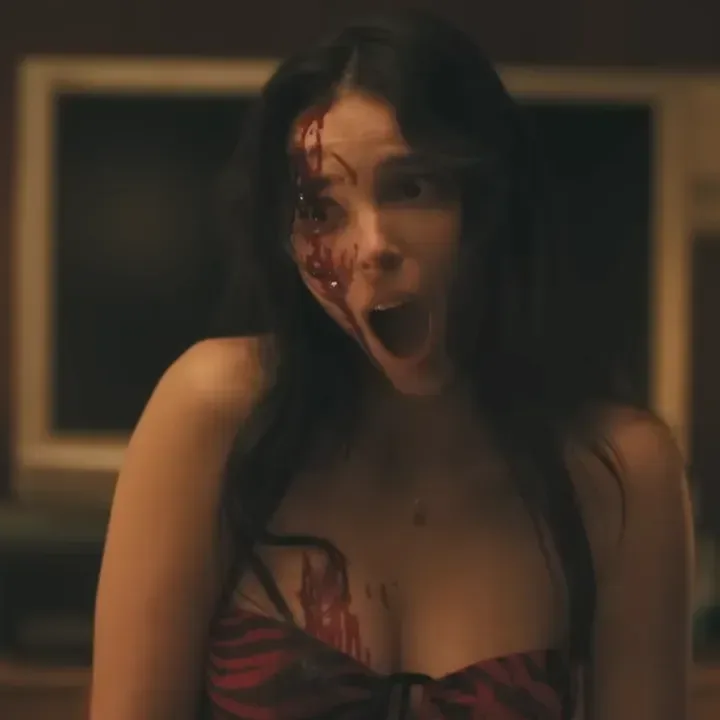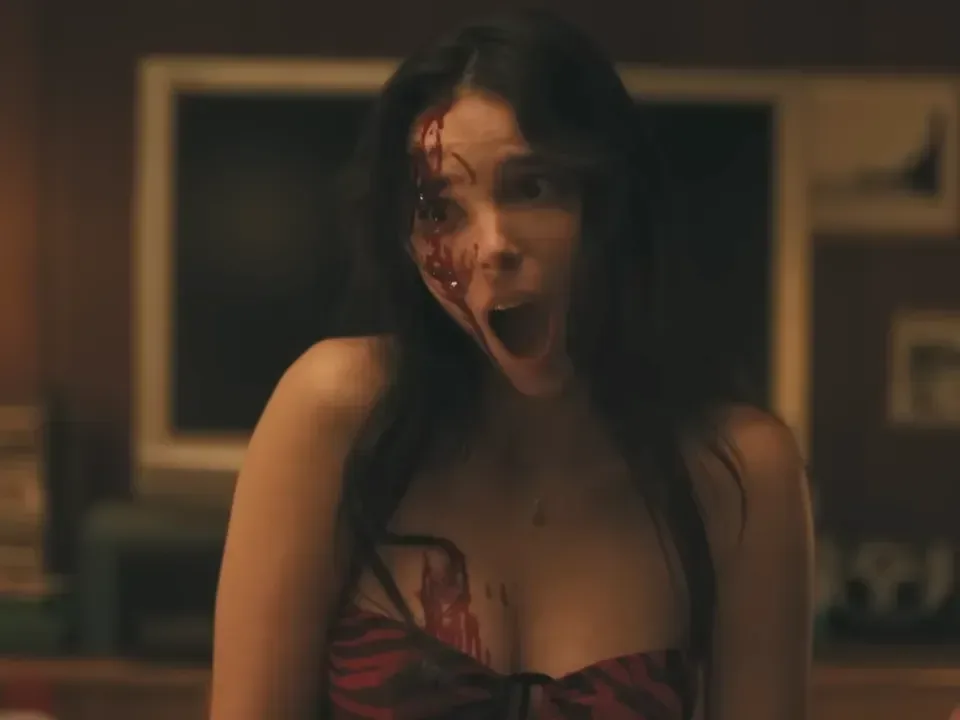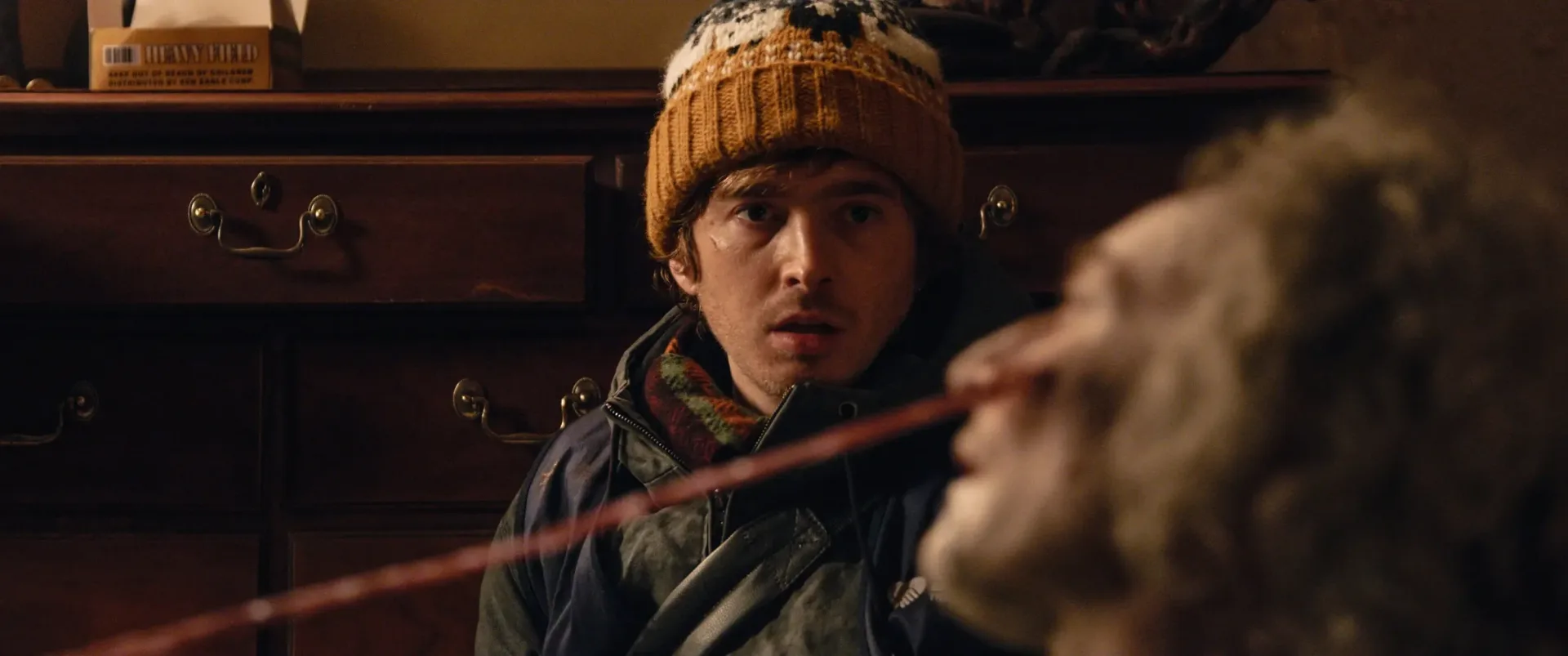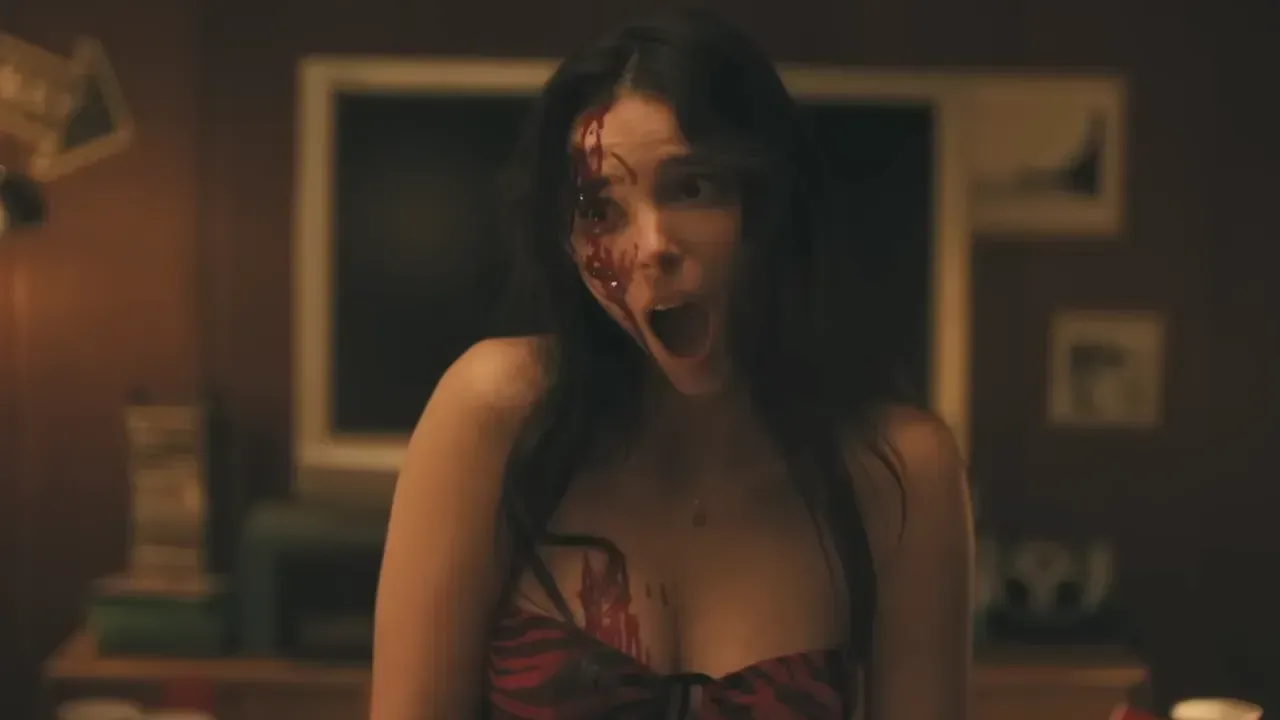
Obsession could have had a radically different first life. Director Curry Barker has said the low-budget horror film attracted aggressive interest after an early screening, including an offer that would have sent it directly to a streaming platform. Instead, Focus Features acquired the film and brought it to cinemas, where it grew into one of 2026’s most startling theatrical success stories.
The contrast is hard to ignore. Made for a reported $750,000, Obsession ultimately reached $519.4 million worldwide. That extraordinary result does not prove that a streaming launch would have failed; there is no way to measure the alternate version of events. It does, however, underline how much a theatrical campaign can matter for a horror movie built around surprise, conversation and the communal experience of watching something unsettling unfold with a crowd.
An early screening sparked a distributor scramble
Barker described a rapid wave of distributor interest following an early screening. Neon, Focus, A24 and other companies were among those pursuing the film. For a filmmaker at the start of a project’s commercial journey, that kind of attention creates opportunity but also a difficult set of questions: Who will release the movie? How widely? Will the finished work stay intact? And does a larger offer come with a distribution plan that actually suits the film?
Barker said he had initially been thinking in terms of a potentially small theatrical release. He also worried about whether an acquiring distributor might ask for changes to material he wanted to preserve. Those concerns are meaningful because acquisition is not simply a transaction in which a company receives a completed movie and presses play. A distributor shapes how a film meets the public, from release strategy and marketing to the scale and duration of its cinema run.
Netflix was part of those early conversations, and Barker said it made an offer to put Obsession directly on the service. Focus ultimately secured the film. The result was a months-long theatrical run that gave audiences time to discover it, react to it and bring more people into theaters.
What “straight to streaming” would have meant
A streaming-exclusive debut generally means viewers can watch at home as part of a subscription rather than needing to buy a ticket at a theater. It can provide immediate reach and remove barriers such as travel, showtimes and ticket cost. But it also changes the way a movie’s success is seen from the outside.
Box office is public and cumulative: ticket sales are reported over opening weekends and subsequent weeks, making momentum visible. Streaming performance is evaluated through a service’s own viewing data and rankings, which do not translate into a comparable worldwide ticket total. A streaming original can clearly become a major cultural hit, but its impact is measured differently and its theatrical grosses, by definition, cannot build into the kind of headline attached to Obsession.
For horror specifically, cinemas can be part of the appeal rather than merely a place to watch. A packed room makes silence more tense, a jump scare louder and a shocking reveal instantly social. Viewers leave with a shared reference point, then carry it into group chats, short-form clips and spoiler-filled conversations. That feedback loop can turn a modest release into an event.
None of that establishes that Obsession could not have worked at home. It means only that its eventual trajectory was built on a theatrical model: people kept buying tickets over time, and the movie’s public box-office run became part of the story around the film.
A remarkable return for a $750,000 film
The reported $519.4 million global total is especially notable beside the $750,000 production budget. Production budget and box-office gross are not the same thing as profit. Gross is the money generated through ticket sales, while a film’s final financial outcome can also involve marketing costs, exhibitor revenue shares and distribution arrangements. Still, the gap between the production figure and the reported worldwide gross illustrates the scale of Obsession’s theatrical breakthrough.
The movie’s success was not driven by a single performer in isolation. Inde Navarrette, Michael Johnston, Cooper Tomlinson and Megan Lawless starred in Barker’s twisted monkey’s-paw tale, helping bring the filmmaker’s vision to the screen. A monkey’s paw story is a form of cautionary wish narrative: a desire is granted, but the fulfillment carries a cruel or unforeseen cost. That structure is naturally suited to horror, since it begins with a tempting possibility and turns the consequences into the central source of dread.
The film also earned an 8/10 review score, adding critical recognition to its commercial rise. Reviews do not automatically create a hit, and high grosses do not automatically settle a film’s artistic standing. Together, however, a strong response and continued ticket sales can reinforce the impression that a smaller genre release is worth seeking out before its surprises are spoiled.
The release strategy became part of the movie’s identity
There is a useful distinction between a movie’s availability and its launch strategy. Availability answers where audiences can watch. Strategy answers how a distributor uses timing, publicity and access to build interest. Obsession was available in theaters, but it was also presented as something that audiences could discover together over a sustained period.
That process can be particularly important for an original horror title. A familiar franchise or a brand with decades of recognition arrives with a built-in audience. An original low-budget feature has to give people a reason to take a chance. Word of mouth can supply that reason, but it needs time and a clear public venue in which to operate. The theater run gave Obsession both.
Its performance also arrives amid a broader argument over what filmmakers want from their distributors. Netflix has often limited theatrical commitments, with exceptions, and its film chief Dan Lin said in June that the company would not work with filmmakers who insist on theatrical releases. That position does not make every streaming deal artistically restrictive or commercially unwise. It does clarify why Barker’s early decision carried so much weight: choosing a distributor could also mean choosing whether theaters were central to the film’s life.
For viewers, the practical implication is less about declaring one format universally better than the other. Streaming makes many films easier to access and can give unusual work an enormous potential audience. The Obsession story instead shows why a theatrical option can be important for films whose appeal grows through collective reactions and audience-to-audience recommendation.
There is no measurable alternate timeline
It is tempting to treat the streaming offer as a near-miss that obviously would have diminished Obsession. The facts support a more careful reading. The Netflix proposal happened; Focus released the movie theatrically; and the theatrical version of its path produced a $519.4 million global total. What cannot be known is how a streaming-exclusive release would have performed in viewership, cultural discussion or long-term reputation.
That uncertainty matters. Streaming success does not have a direct box-office equivalent, while a ticket-buying phenomenon depends on many variables beyond the distribution label: marketing, timing, reviews, audience enthusiasm and whether people persuade friends to see it. The stronger conclusion is simply that the Focus deal gave Obsession the conditions for an exceptional cinema run, and the audience responded at a scale few could have predicted.
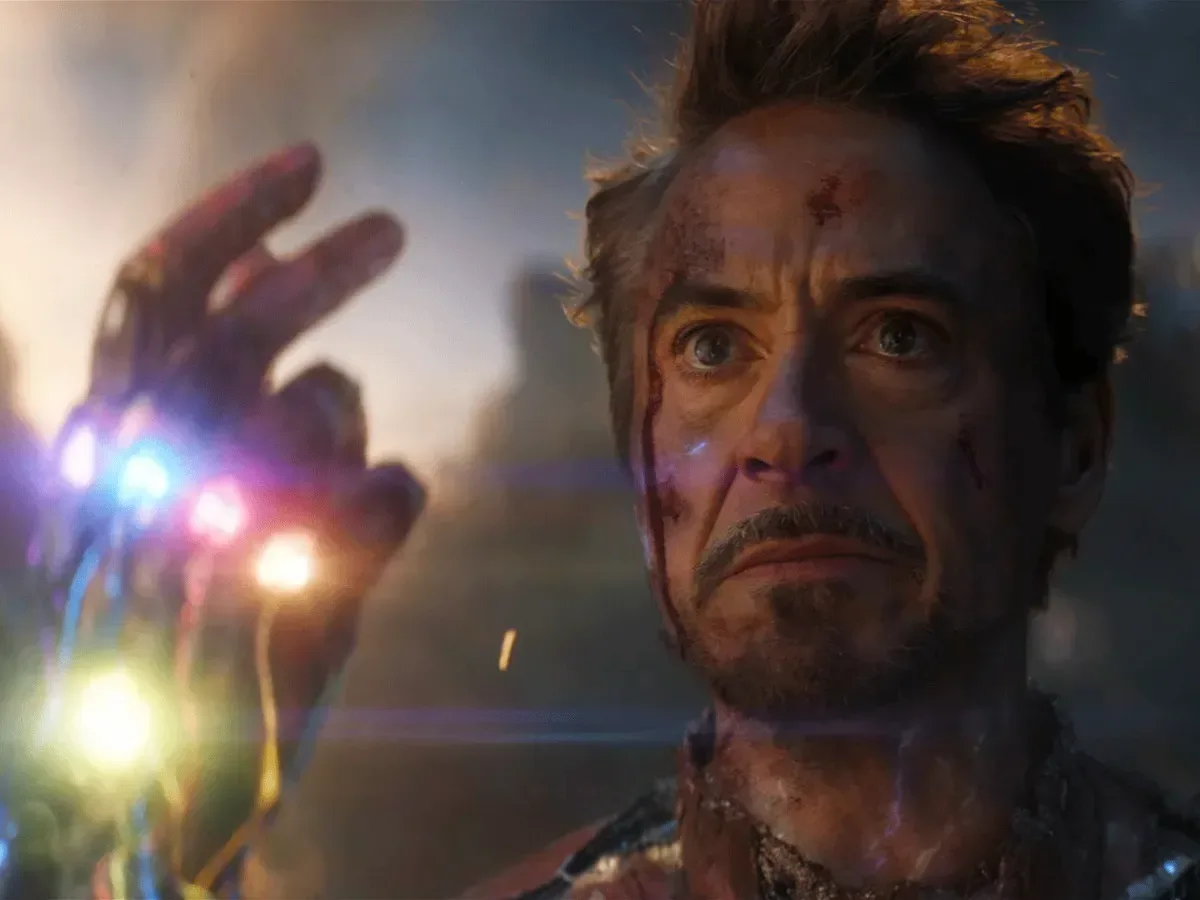
There is a recent example of how a theatrical event can turn a return visit into its own news cycle: an Avengers: Endgame encore drew audiences back to theaters. Obsession reached its moment from a very different starting point, without the advantage of an established blockbuster identity, making its climb from a $750,000 budget all the more striking.
Barker is looking ahead, but a sequel is not imminent
The success of Obsession naturally raises the prospect of a follow-up. Barker has ideas for an Obsession 2, though it is expected to be some time before that project moves forward. In the nearer term, Barker and Tomlinson are working to prepare their next feature, Anything But Ghosts, for release.
For now, the most revealing part of the story is not an imaginary version of the film that went elsewhere. It is the chain of real decisions and audience response that followed the Focus acquisition. An early screening led to competing offers. A streaming-exclusive option was genuinely on the table. The theatrical route won out. Then a small horror production became a global box-office outlier, demonstrating that a movie’s release plan can be nearly as consequential as the pitch that first got it made.