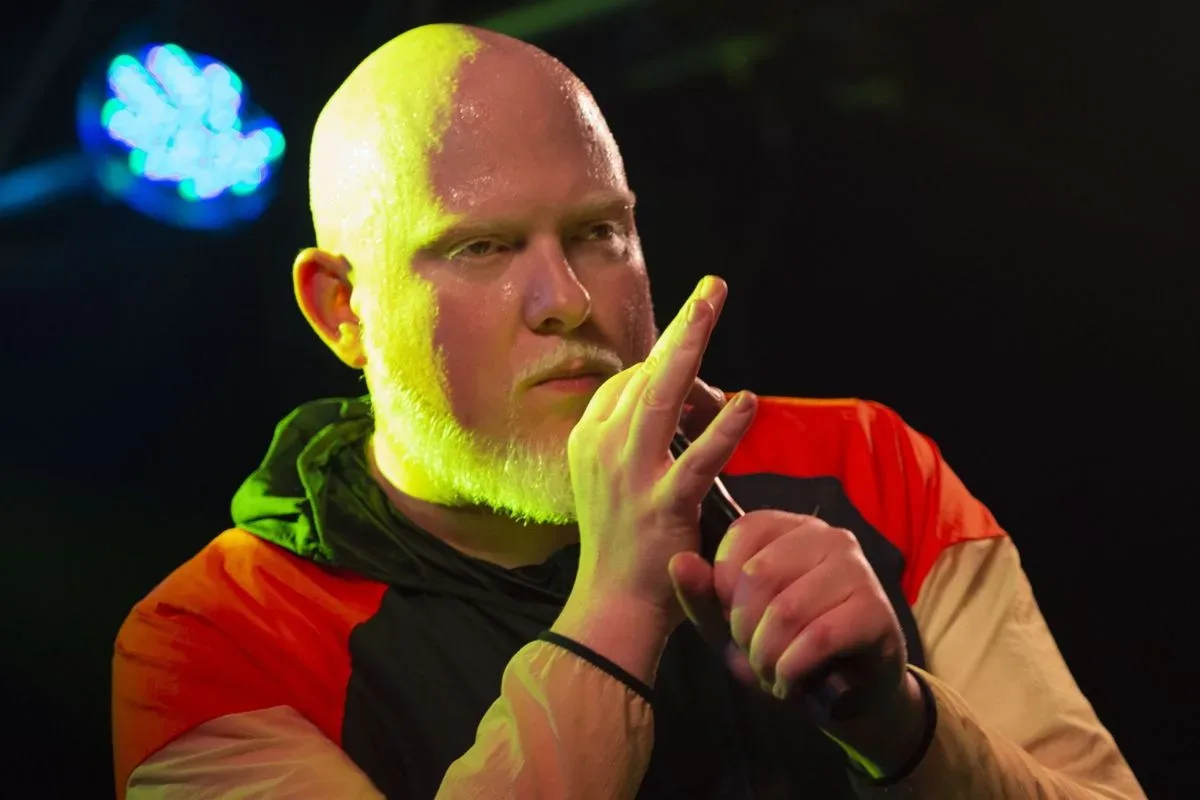
Brother Ali has shared that his adult son, Faheem, joined the U.S. Marines. It is a succinct personal update, but one that carries particular weight for listeners familiar with Ali’s work: Faheem is not simply a private figure newly mentioned in conversation. He has been part of the rapper’s musical record for years, including as the subject of “Faheem” on The Undisputed Truth.
Ali discussed his son while returning to Minneapolis for performances, joking about the apparent contrast between his own identity and Faheem’s decision. “How do you rebel against a rebel?” he said. “You join the military, I guess.” The remark frames the news with humor, though the account of the conversation also described Ali as visibly proud.
That mixture of affection, surprise and candor fits the way family has appeared in Ali’s catalog. His songs have often placed intimate experiences alongside large civic and social concerns rather than treating those subjects as separate lanes. Faheem joining the Marines is now another real-life development in a story that listeners first encountered through a deeply personal period of Ali’s music.
Why the name Faheem matters in Brother Ali’s catalog
The Undisputed Truth, released in 2007 and produced by Ant, arrived after an especially difficult stretch in Ali’s life. The album’s official description recounts the end of his decade-long marriage, homelessness and his effort to obtain custody of his son. Those circumstances matter because the record’s title list makes clear that it was designed to hold both public argument and private reckoning.
“Faheem” sits alongside titles such as “Letter From The Government,” “Walking Away” and “Uncle Sam Goddamn.” The juxtaposition is revealing without needing to flatten the album into a single message. A song named for Ali’s son exists in the same body of work as songs engaging institutions and political frustrations. Family life, personal instability and social criticism all occupy the same frame.
For a listener returning to the album after this news, “Faheem” has an unavoidable additional context. The son referenced in that chapter of Ali’s life is now an adult starting a military path of his own. That does not rewrite what the 2007 record meant when it was made, nor does it settle any broader question about its political material. It does, however, show how long a personal name can remain present in an artist’s work—and how the life behind that name continues well beyond a track listing.
Personal storytelling is not a side note here
In rap, autobiographical writing can function as documentation as much as confession. A listener may learn about a relationship, a place or a difficult decision years before any later update arrives. Ali’s music offers that kind of continuity. The earlier song made a father-and-son relationship part of the album’s emotional terrain; the new information makes the passage of time especially tangible.
It is also a reminder that audiences can know a portion of a musician’s family history without knowing the whole person. The available details establish that Faheem joined the Marines and that Ali responded with pride and a wry observation. They do not establish Faheem’s motives, role, location or plans. The most accurate reading stays with what Ali actually shared rather than projecting a larger narrative onto his son.
Minneapolis ties remain central to the story
Ali now lives in Istanbul, having moved there in 2021 to pursue deeper Muslim spiritual education. Yet Minneapolis remains an important working home for him. His longtime DJ and manager, BK-One, and producer Ant are still based there, and Ali continues to return frequently.
That geography helps explain why a Minneapolis appearance can become a setting for both performance news and a personal update. A musician may reside somewhere new while continuing to operate through relationships built over decades. In Ali’s case, the connections reach back to his work with Rhymesayers, which began with his self-produced 2000 album Rites of Passage.
Shadows on the Sun followed in 2003, then The Champion EP in 2004. Ant worked with Ali on the latter two releases before their full collaboration on The Undisputed Truth. Those dates outline a long-running creative relationship rather than a one-album pairing, and they make Ant’s role on the 2007 record especially significant.
The connection continued with Satisfied Soul, Ali’s debut album for Mello Music Group. The project has 17 tracks, with Ant credited as producer across the record. Its song titles include “Deep Cuts,” “Personal,” “Head Heart Hands” and “Sing Myself Whole,” reinforcing the thread between reflective, inward-facing material and broader questions that has characterized this stretch of Ali’s work.
Live-band shows mark the immediate return
Ali is set to play two live-band performances at the Dakota in Minneapolis on November 21, at 7 p.m. and 9:30 p.m. They will be his first shows at that venue. He had been preparing for a live-band tour after presenting comparable shows at Los Angeles’ Blue Note.
“Live-band” in this context means performances built around musicians playing onstage rather than a set relying solely on a DJ or prerecorded backing. The supplied details do not identify the musicians or set lists, so there is no basis to predict what material the Dakota audiences will hear. Still, the format places a catalog developed with close collaborators into a distinct concert setting.
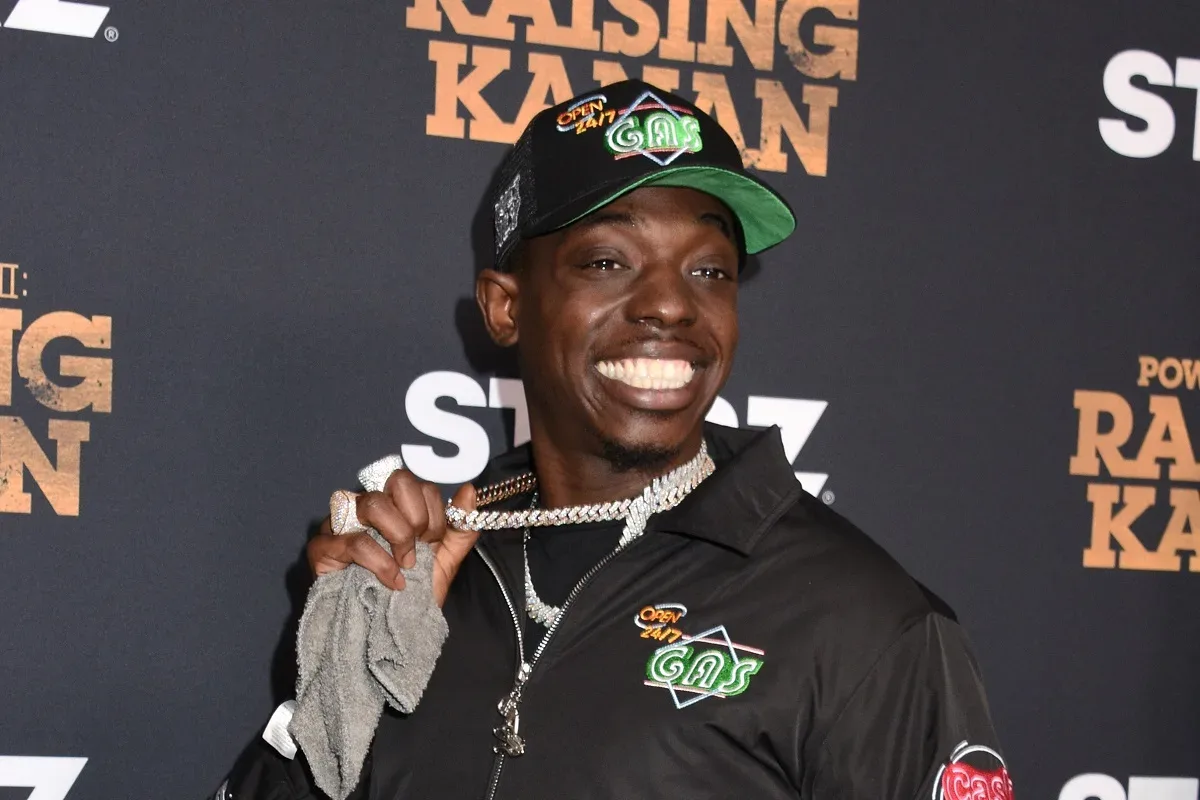
The timing gives the personal news a clear local backdrop: Ali is returning to a city that remains tied to his artistic infrastructure, his longtime collaborators and much of his recording history. It also arrives at a moment when music coverage continues to follow artists’ lives beyond releases and performance schedules; for another recent culture story involving a rap artist’s public recognition, see Bobby Shmurda becoming an honorary patron of Trinity College Dublin’s University Philosophical Society.
A new chapter, without an easy label
Ali’s line about rebellion is memorable because it resists an overly tidy interpretation. It recognizes that a child becoming an adult may choose a direction his parent would not have expected, even when the parent is known for an outspoken artistic and public identity. The humor does not erase the seriousness of military service, but it conveys the generational surprise of the moment.
For fans, the immediate point is straightforward: Faheem, whose name became part of a crucial Brother Ali album nearly two decades ago, has joined the Marines. For Ali, it is another passage in a family relationship that has informed some of his most personal work. And for the Minneapolis performances, it adds a human dimension to an artist returning to a city and collaborative community that have remained vital throughout changes in his life and home base.