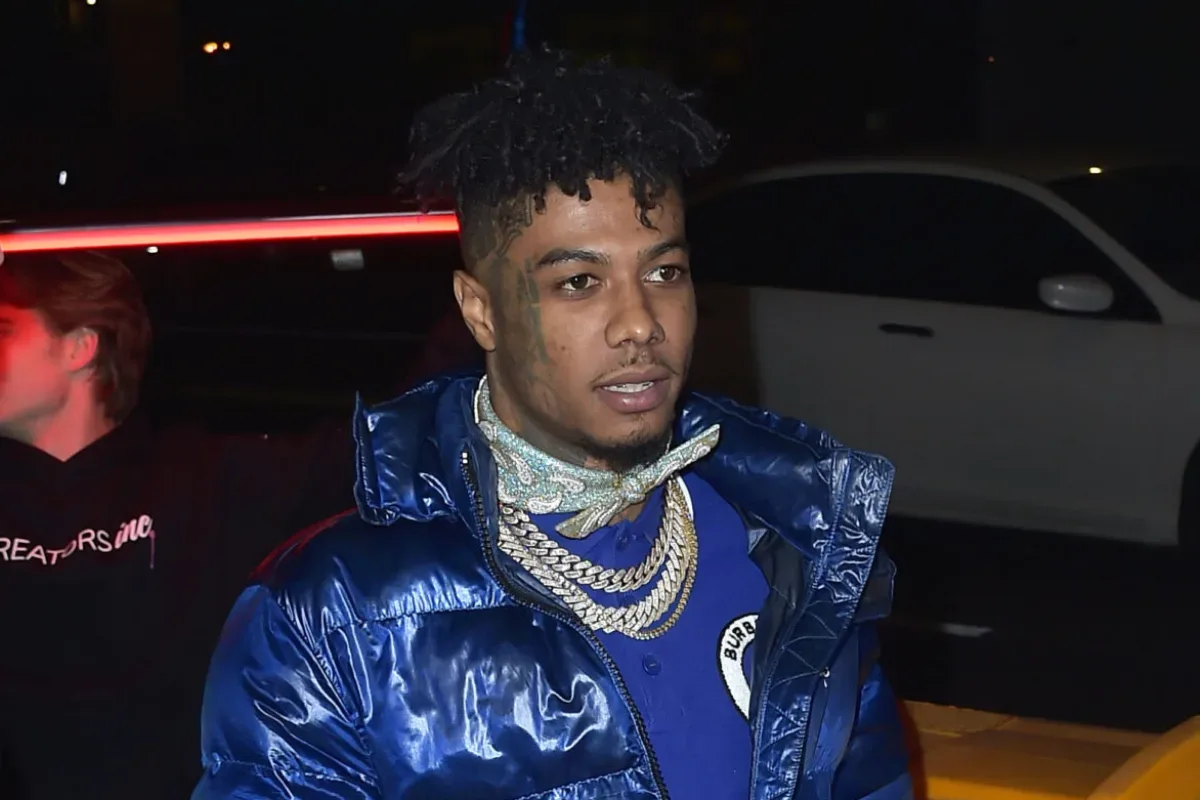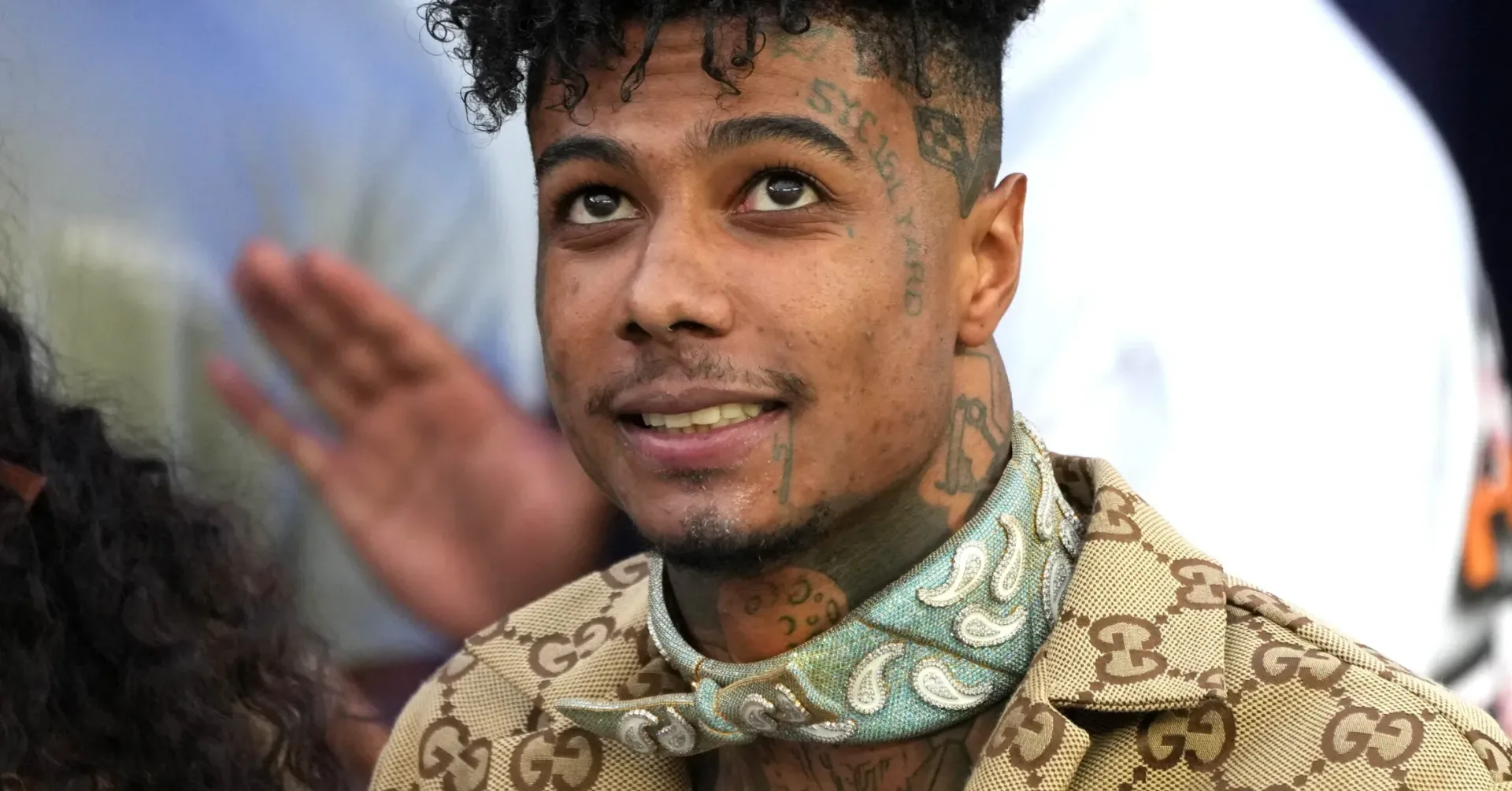
Blueface is reportedly in the process of removing the large “Chrisean” tattoo from his upper back, a strikingly permanent reminder of a relationship that has repeatedly shifted in public view. The tattoo was made during a reunion with Chrisean Rock, but the relationship has since changed again: after Rock moved in with Blueface and the pair became engaged, they split a few weeks later. Blueface then reunited with Nevaeh Akira.
The development is not simply a celebrity tattoo story. It is the latest visible turn in a relationship whose private choices have long become material for a highly online audience. Blueface’s move into streaming on Kick put that dynamic in an even more immediate setting, with collaborations involving Rock drawing attention as viewers followed the evolving situation.
The tattoo removal process makes the broader story unusually literal. A name once inked as a declaration is now being treated as something to undo, though laser removal is a process rather than an instant reset.
From reunion to removal
Blueface and Rock had an on-and-off relationship for years. Following Blueface’s time in jail, it appeared that the two would not reunite. That changed after he began streaming on Kick and discovered that audiences were especially invested in the drama surrounding their relationship.
They subsequently collaborated on streams, and Rock moved in with him. An engagement followed. Yet the engagement did not last long, with the pair breaking up a few weeks later. Blueface’s reconciliation with Nevaeh Akira followed that split.
It was during the renewed relationship with Rock that Blueface got the prominent tattoo bearing her name. Removing it now puts a physical punctuation mark on a period defined by abrupt shifts. The tattoo was not an incidental or easily hidden piece of ink; its size and upper-back placement made it a conspicuous public symbol tied to the couple’s latest chapter.
A related report described the removal as beginning after the relationship shift. That account aligns with the broader timeline: the tattoo’s meaning changed quickly because the relationship status changed quickly.
What laser tattoo removal means in this context
Laser tattoo removal is the process of using laser treatment to break up tattoo ink in the skin. It is generally understood as a multi-session process, not a one-visit eraser. That matters here because the tattoo has become shorthand for a highly public relationship history: its removal may be a definitive personal choice, but the process itself is gradual.
Commentary around the procedure often stresses discomfort, including claims that removal can feel worse than getting tattooed. Individual experience can differ, and no medical details about Blueface’s specific treatment have been shared here. The key practical point is less about ranking pain and more about the commitment involved. Getting a tattoo can be an impulsive-looking act from the outside; deciding to remove a large name tattoo requires returning to that decision over time.
For public figures, that distinction is amplified. A tattoo can be a personal mark, but once it appears in streams, posts, clips, and fan discussion, it can also become part of a public narrative. Its removal inevitably invites another round of interpretation—especially when the name belongs to someone with whom the subject has been publicly linked for years.
Streaming made the relationship story part of the product
The timing also illustrates how livestreaming can convert an ongoing personal story into a recurring audience hook. Blueface’s Kick activity was not merely a new distribution channel; it created an environment in which the relationship drama drew viewers and became central to the conversation around his content. The collaborations with Rock occurred in that setting, where developments can be reacted to in real time and then circulate as clips.
That does not mean viewers control the choices involved. A breakup, reunion, engagement, or tattoo decision remains personal. But a stream audience changes the incentives around visibility. The audience is no longer hearing about events only after they happen; it is tuned in for developments, interactions, and the possibility of a new twist.
That wider shift is also evident in the growing role of creator-led broadcasts in major public moments, as explored in a look at independent streamers competing for viewers beyond traditional television coverage. In Blueface’s case, the relevant point is not politics but attention: livestreaming rewards immediacy, participation, and an ongoing reason to return.
Rock’s presence, the engagement, the split, and now the tattoo removal each offer an easily recognizable marker in that running narrative. This is why a name tattoo can become bigger than a tabloid-style curiosity. It functions as a visual asset in a story that audiences already know how to track.
The money claim and the value of a captive audience
Blueface has described his streaming income in sizeable terms, saying he has made six figures per week and $1 million in 90 days. Those are his stated earnings figures, not independently detailed financial records. Still, they help explain why streaming has become so important to the current phase of his public career.
The significance is not that every creator can expect comparable money. Rather, it is that a creator with a recognizable persona, an established audience, and a fast-moving story can find a particularly direct route to attention on a live platform. The platform format creates repeat opportunities: a viewer can tune in for a collaboration, a response, a personal update, or simply the possibility that something unexpected will happen live.
For Blueface, the relationship storyline appears to have been a major component of that appeal. The tattoo removal therefore lands in a context where major life changes have also been part of the content ecosystem surrounding him. It may signal that he wants to separate himself from the previous relationship, but it also becomes another event that audiences discuss because of the visibility that streaming has provided.
Why the tattoo remains a talking point
Name tattoos are easy for audiences to read as declarations of permanence. Real life is less tidy. Relationships change, and the decision to remove a tattoo is not proof that every future possibility has been closed off. Given Blueface and Rock’s lengthy history of reconciliations and separations, there is no basis to predict what happens next between them.
What is clear is narrower: Blueface is taking steps to remove a large tattoo associated with Rock after their engagement ended and after he reunited with Nevaeh Akira. That action distinguishes the present moment from ordinary online speculation. It is a concrete, labor-intensive response to a symbol that once represented a reunion.
The situation also underlines a practical reality that often gets lost in viral discussion. A tattoo can become an enduring record of a particular time, even when the circumstances behind it last only briefly. Laser removal can change that record, but it asks for more time and effort than the original declaration appeared to require.
For fans who have followed every pivot, the removal will likely be read as a statement. For Blueface, it is also simply a personal change made visible because his relationships, streams, and choices have all unfolded under an unusually bright online spotlight.