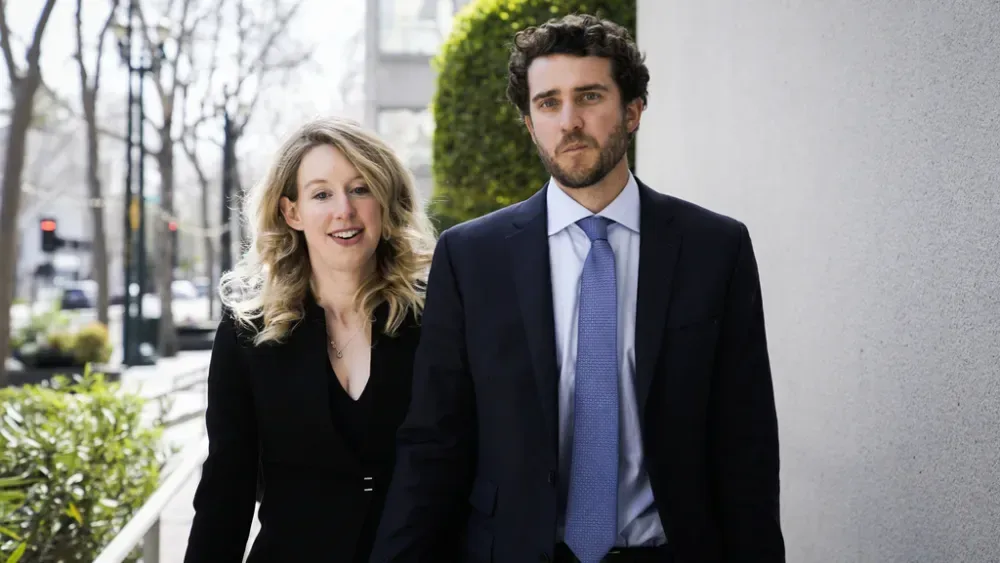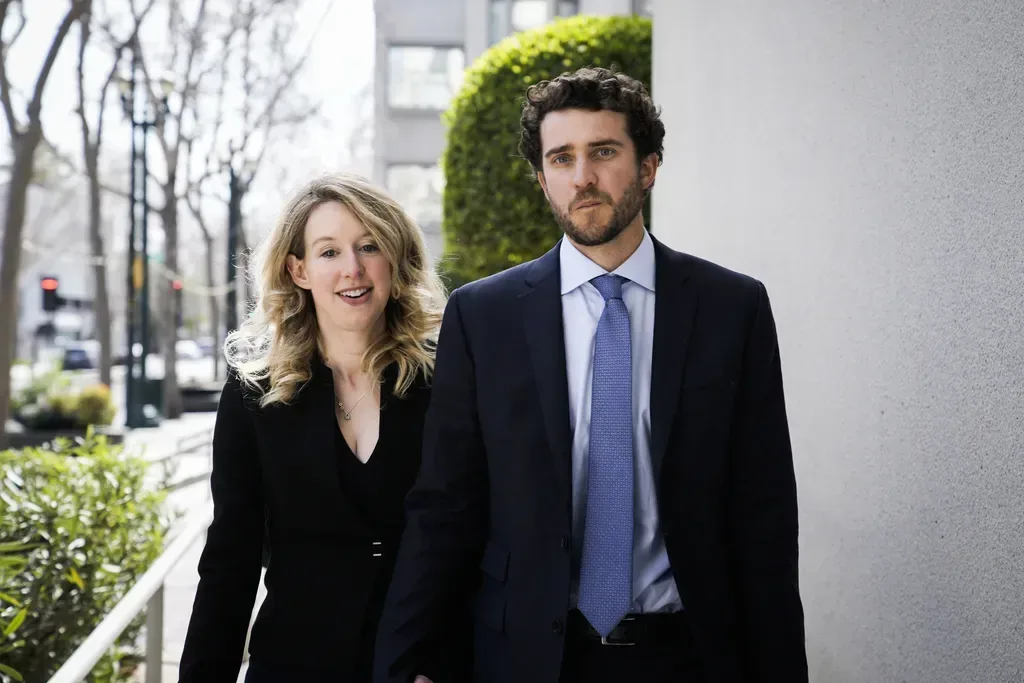
Billy Evans has explained why he and Elizabeth Holmes allowed filmmakers into their home in the period before Holmes went to prison, saying the goal was not to reopen the legal case against the former Theranos chief executive but to give viewers a chance to observe her as a person.
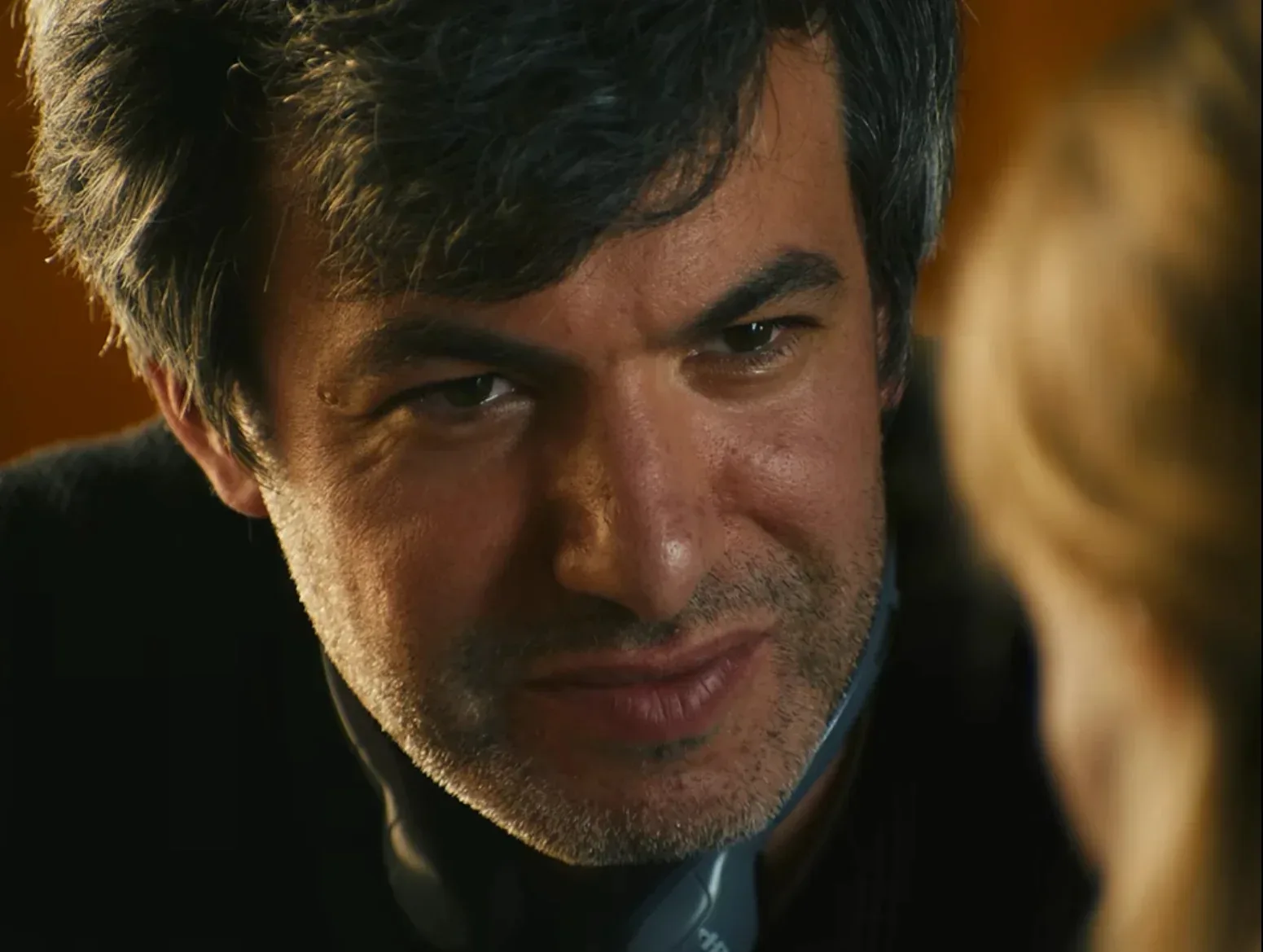
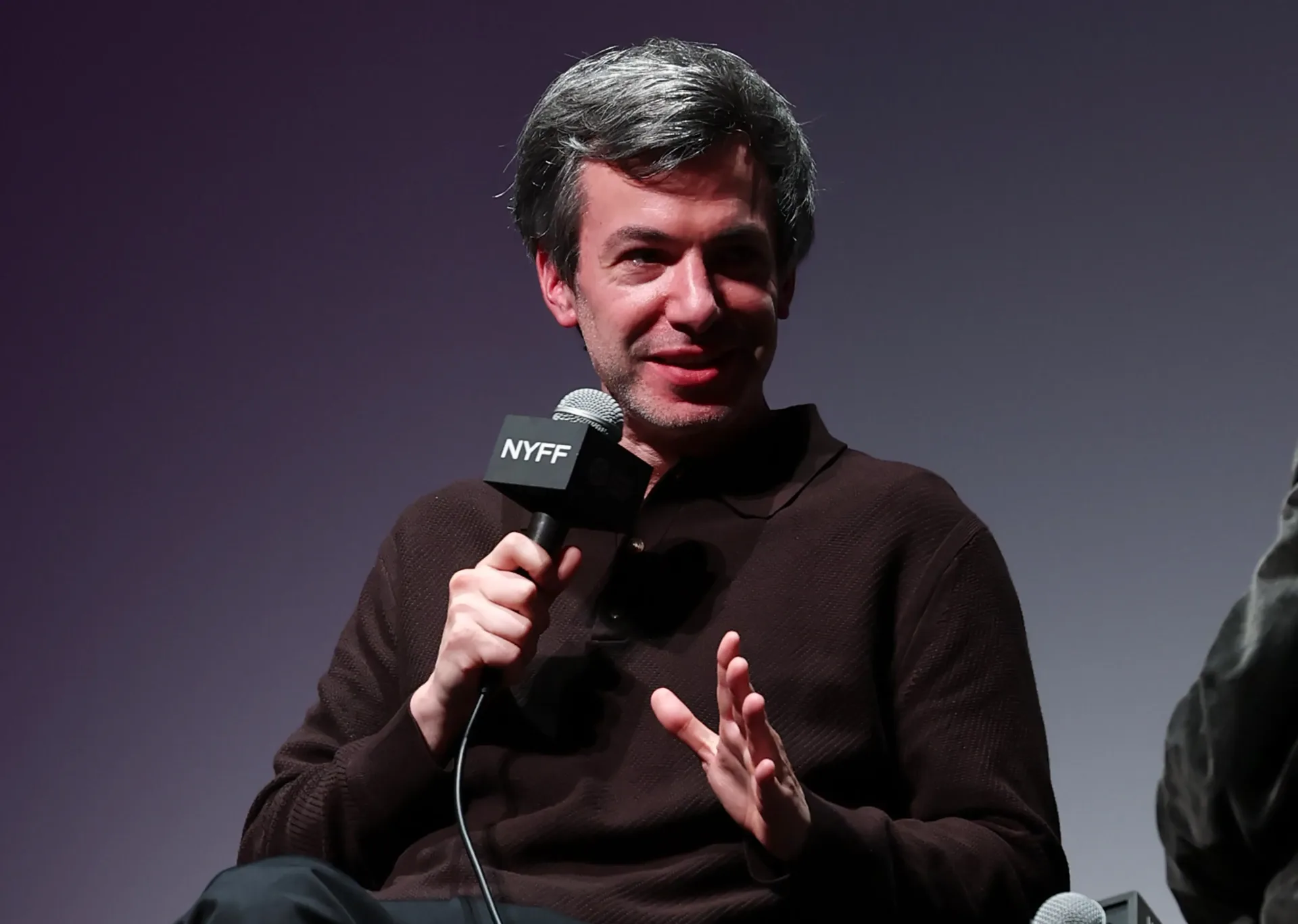
The resulting documentary, You Can See Everything, is directed by Nathan Fielder and Lance Oppenheim and has begun a theatrical run after premiering at the Telluride Film Festival last month. Evans discussed the project during an appearance on the All-In podcast, where he also made an unusually candid admission: he has not yet watched the completed film and may ultimately regret agreeing to participate.
“I might think this is the dumbest thing I have ever done,” Evans said. He also said that Holmes “looks insane” in the promotional trailer, particularly when combined with the clip’s music, which he felt pushes viewers toward an anti-Holmes reading.
The case for being filmed
Evans’s central argument is straightforward, if difficult to separate from the enormous public record surrounding Holmes. He said Holmes was facing an 11-year sentence and was not able to speak publicly at the time about the case. The documentary was intended to arrive after the period when she could speak, while still respecting the limits she faced during filming.
That distinction matters because Evans does not frame the production as a legal rebuttal. He said it was not designed to “re-litigate” the case. Rather, he described it as an attempt to present the domestic, day-to-day version of Holmes that he says people close to him encountered after getting past their initial shock at his relationship with her.
Evans said that relatives and friends initially questioned his decision to be with Holmes, especially as their relationship became serious and they prepared to have a child. In his telling, those reactions changed after people spent time with her in ordinary settings: hiking, helping a friend, or simply being around her outside the highly publicized Theranos story.
He said the filmmakers were allowed in because he wanted to extend that opportunity to a larger audience. His stated hope was that viewers would see Holmes, sit with what they saw, and decide for themselves.
A documentary cannot promise a neutral encounter
There is a major tension in that rationale. Being given access to a subject does not give that subject control over what the audience takes from the material. It may create intimacy, but intimacy is not the same thing as exoneration, agreement, or even sympathy.
That is especially true with a documentary built around a figure whose public image is already intensely defined. Evans acknowledged that plenty of coverage has already told Holmes’s story and that he sees the established narrative as hardened. Yet a film’s job is not necessarily to dissolve a public narrative just because its subject or participants feel it has become fixed. A documentary can add private images, family scenes, contradictions, silences, and self-presentation to the record without arriving at the conclusion a participant hoped for.
The title, You Can See Everything, also suggests the basic challenge facing everyone involved. Complete access is impossible. Cameras select moments. Editors organize them. Music affects mood. Viewers bring their own prior knowledge and assumptions. Even a film that offers remarkable access remains a constructed account, not an unfiltered window into a person’s life.
Evans’s concern about the trailer shows he understands that problem. A teaser has an even narrower function than a feature documentary: it uses a small number of images and sounds to establish a powerful first impression. Evans said the trailer’s music gave it an anti-Holmes bent. That is an interpretation of the marketing, not a description of the full film, and Evans has said he has not seen the movie itself. Still, it highlights why participation can be such a gamble. Once intimate footage is placed in a documentary framework, its emotional meaning belongs as much to the finished work and its audience as it does to the people on camera.
What Evans appears to be asking audiences to do
Evans is not asking the public to ignore Holmes’s history. His comments instead make a more limited appeal: distinguish a person’s private life from the public case that made them famous, and do not assume the latter supplies the entirety of the former.
That does not require viewers to treat personal warmth, parenthood, friendship, or ordinary domestic behavior as evidence about matters outside the film’s stated scope. Those things can be meaningful elements of a portrait while remaining separate from legal responsibility. Evans himself said the project was not supposed to revisit the case. In practical terms, that means the documentary’s personal material and the public’s larger judgment may coexist without either automatically settling the other.
It also explains the seemingly conflicting positions in Evans’s comments. He believes that people who meet Holmes in natural settings often change their opinions of her. At the same time, he recognizes that a trailer has unsettled viewers rather than winning them over. Both can be true: in-person relationships create a specific kind of context, while filmed images circulate to an audience that sees them through a different set of experiences and expectations.
Why the film’s reception matters
You Can See Everything has drawn strong early notices and awards-season discussion following its Telluride premiere. But praise for the filmmaking does not necessarily mean that audiences will adopt Evans’s view of Holmes, nor does it establish that the film has one uncomplicated message about her.
The available response described around the trailer points in the opposite direction from the effect Evans says he hoped to achieve. Before press screenings, viewers were disturbed by Holmes’s demeanor and by claims in the teaser that she did nothing wrong at Theranos. That reaction is precisely why Evans now sounds uneasy about a project he says was their own choice.
His phrasing is important here. He did not say he was unaware of the risk. He said there was “certainly concern,” but emphasized that allowing access was ultimately a decision made by him and Holmes. It is a candid acknowledgement of the trade involved in documentary participation: access can complicate an audience’s perception, but it can also intensify distrust if the footage feels defensive, unsettling, or at odds with what viewers already believe.
Family life is part of the film’s context, not a verdict
Evans and Holmes met in 2017. They had a son, William, in 2021, and a daughter, Invicta, in 2023. Those details help explain why Evans speaks about the movie in terms of a household and family rather than solely as a media strategy. His account is personal: he is describing the woman he knows, the reactions he encountered from people around him, and a choice he says the couple made together.
For viewers, though, the documentary may function on more than one level. It is likely to be watched as a portrait of a family, a study of public image, and a film about the distance between public notoriety and private life. Those are not easy subjects to control, particularly when the featured person remains so polarizing.
Evans’s remarks therefore do not resolve the debate around the film; they clarify the intention he says was behind its access. He wanted the public to see Holmes beyond an already established account of her. The early reaction he describes suggests that letting people see more can just as easily sharpen their existing conclusions.
That makes Evans’s decision not to view the finished work, at least so far, all the more striking. He has argued for audiences having the freedom to make up their own minds. Now the same principle applies to him: the completed film will present its own perspective, and his response to it may not be the one he expected when the cameras first entered the home.
Podcasts are increasingly where public figures try to frame those complicated media narratives in their own words; a recent Street Fighter podcast appearance by 50 Cent offers another example of how the format can turn a conversational appearance into a news-making moment.