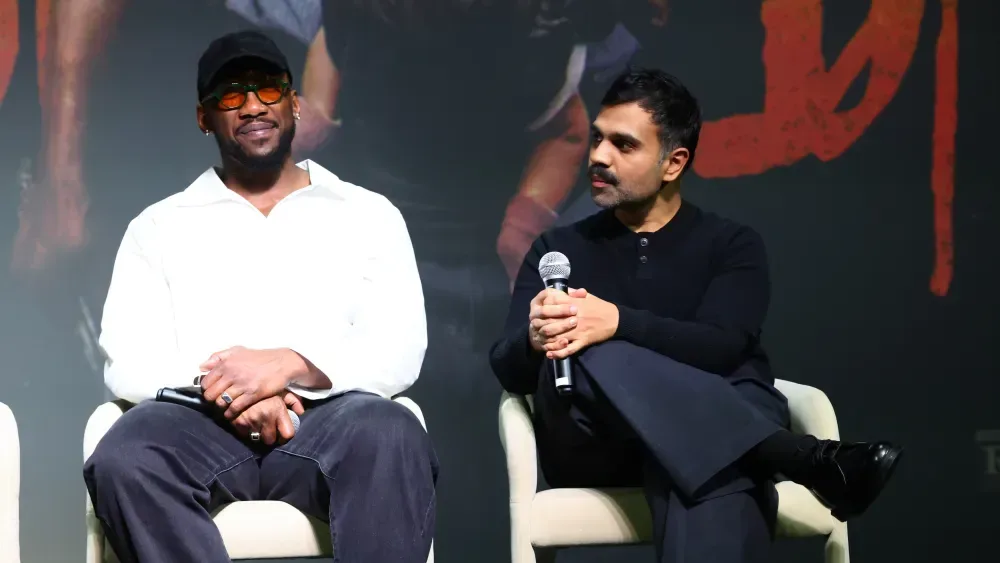
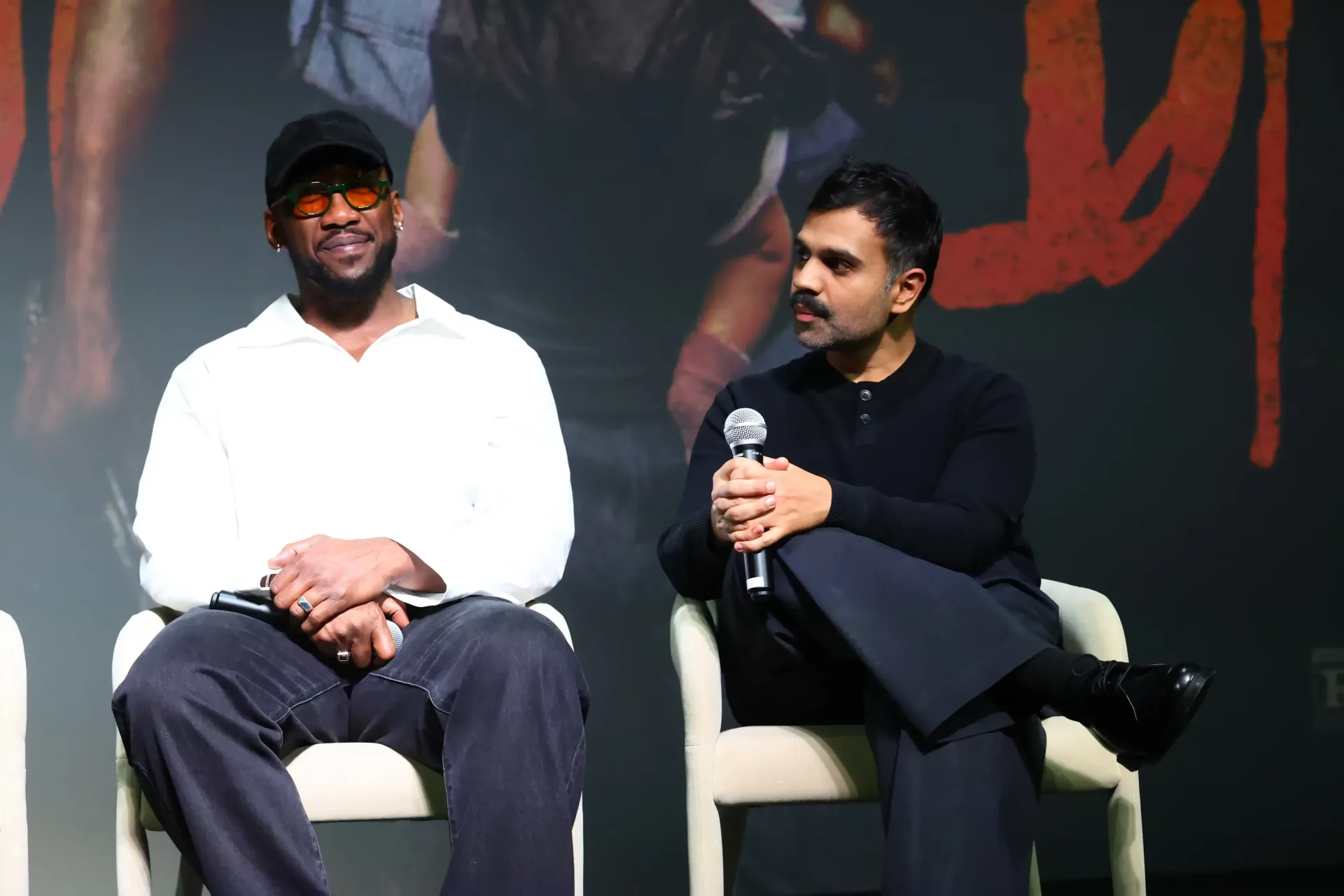
Marvel’s long-unmade Blade has gained a clearer explanation for one of its earliest major setbacks. Bassam Tariq, the first filmmaker attached to direct the Mahershala Ali-led project, says the absence of a properly finished screenplay put him in an untenable position: he was being asked to cast and plan a movie while unable to give performers a dependable account of the characters they would be playing.
For Tariq, that was not simply an inconvenient stage of studio development. It was a question of professional trust. Speaking about the experience, he said the fundamental lesson was that life is too short to make bad films. His concern was that he had to explain roles to actors before the text existed in a sufficiently complete form to support those explanations. If a later script did not match the version he had described, he believed his credibility with the cast would be damaged.
That distinction matters. A screenplay can evolve during a production, and filmmaking is inherently collaborative. But Tariq’s account describes a much earlier and more precarious situation: work on casting and building was underway without a settled dramatic foundation. In practical terms, casting means more than finding recognizable names. Actors and their representatives need to understand the character’s function, emotional arc, tone and relationship to the wider story. A director also needs that information to make coherent decisions about performance, visual design and the film’s overall approach.
Why an unfinished script changes the director’s job
A screenplay is both the blueprint for a movie and the shared reference point for the people making it. It does not need to be immutable, but it gives each department a common version of what is being attempted. When that reference point is unstable, a director can become the person delivering changes they did not decide upon and cannot fully explain.
Tariq said that was the pressure he felt on Blade. He described being the bearer of unwelcome news to actors even though key decisions were coming from a corporate structure rather than from him. His objection was not that a director can never work inside a large studio system; rather, he concluded that this arrangement was not healthy for his ability to lead the project. He felt he was losing credibility with the people he had asked to trust his vision.
His comments put authorship and accountability at the center of the story. Tariq said he needs full control over the script in the sense that, when there is a disagreement, it should be a direct creative dispute between him and the relevant decision-makers. That is a more workable structure than asking a director to sell a creative plan whose essential details may subsequently be rewritten elsewhere.
“All I have is my integrity,” Tariq said while reflecting on the problem of speaking to actors before there was a proper script.
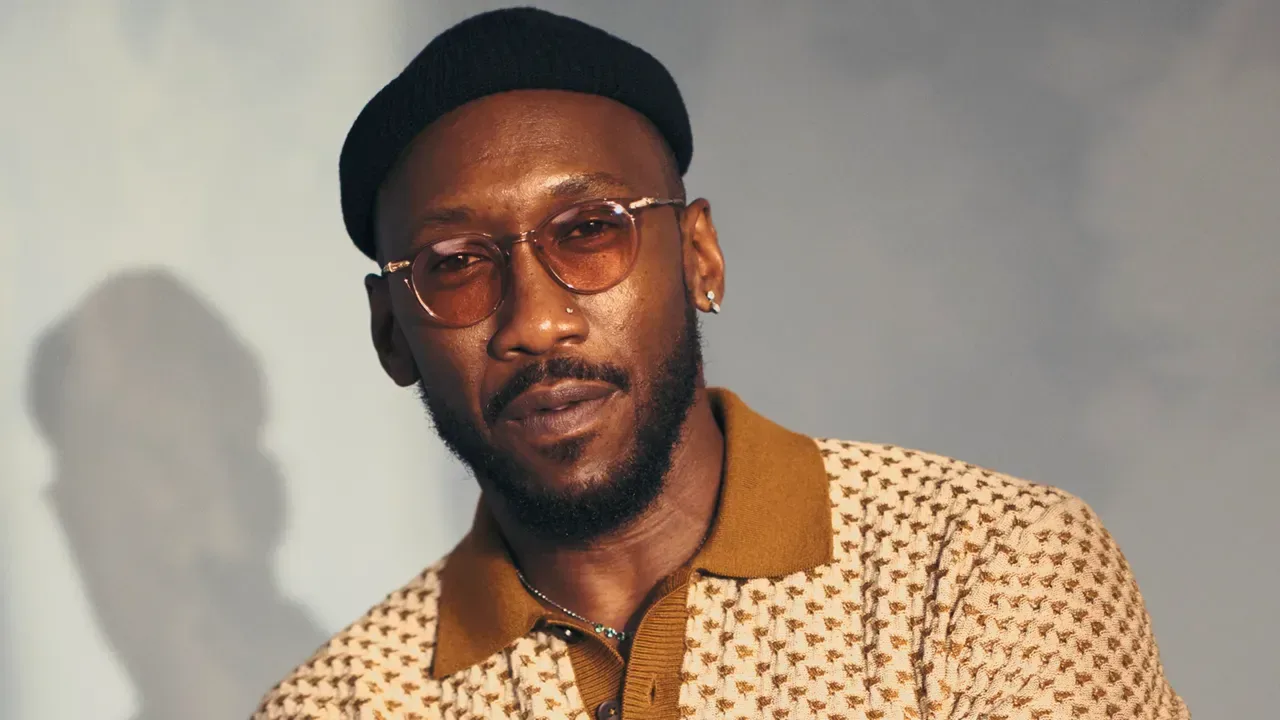
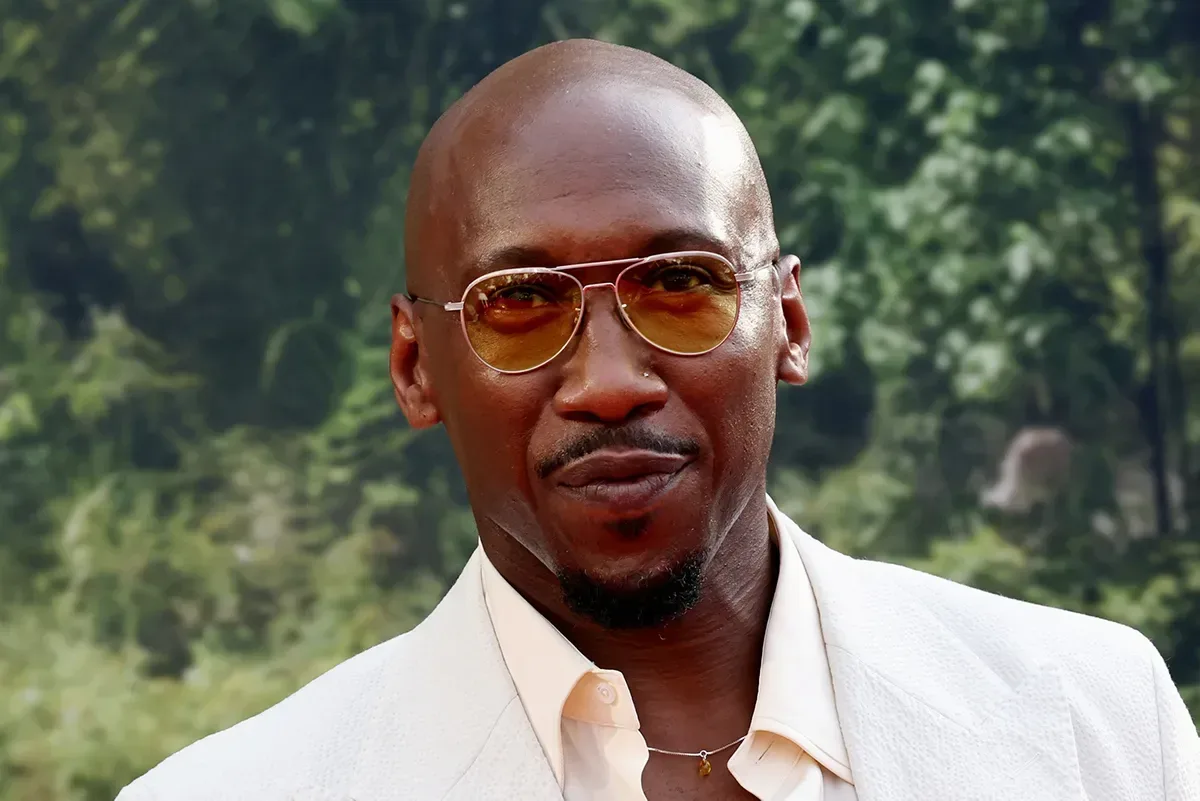
The stakes were especially high because Blade was not an unknown property being developed quietly. Marvel announced the movie in July 2019, with two-time Academy Award winner Mahershala Ali set to play the title character. Ali’s casting made the project a prominent part of the studio’s future plans, while the character’s return invited expectations about a distinctive vampire-hunting corner of the Marvel universe.
Related coverage includes Bassam Tariq Explains Why Marvel’s Blade Never Reached Production.
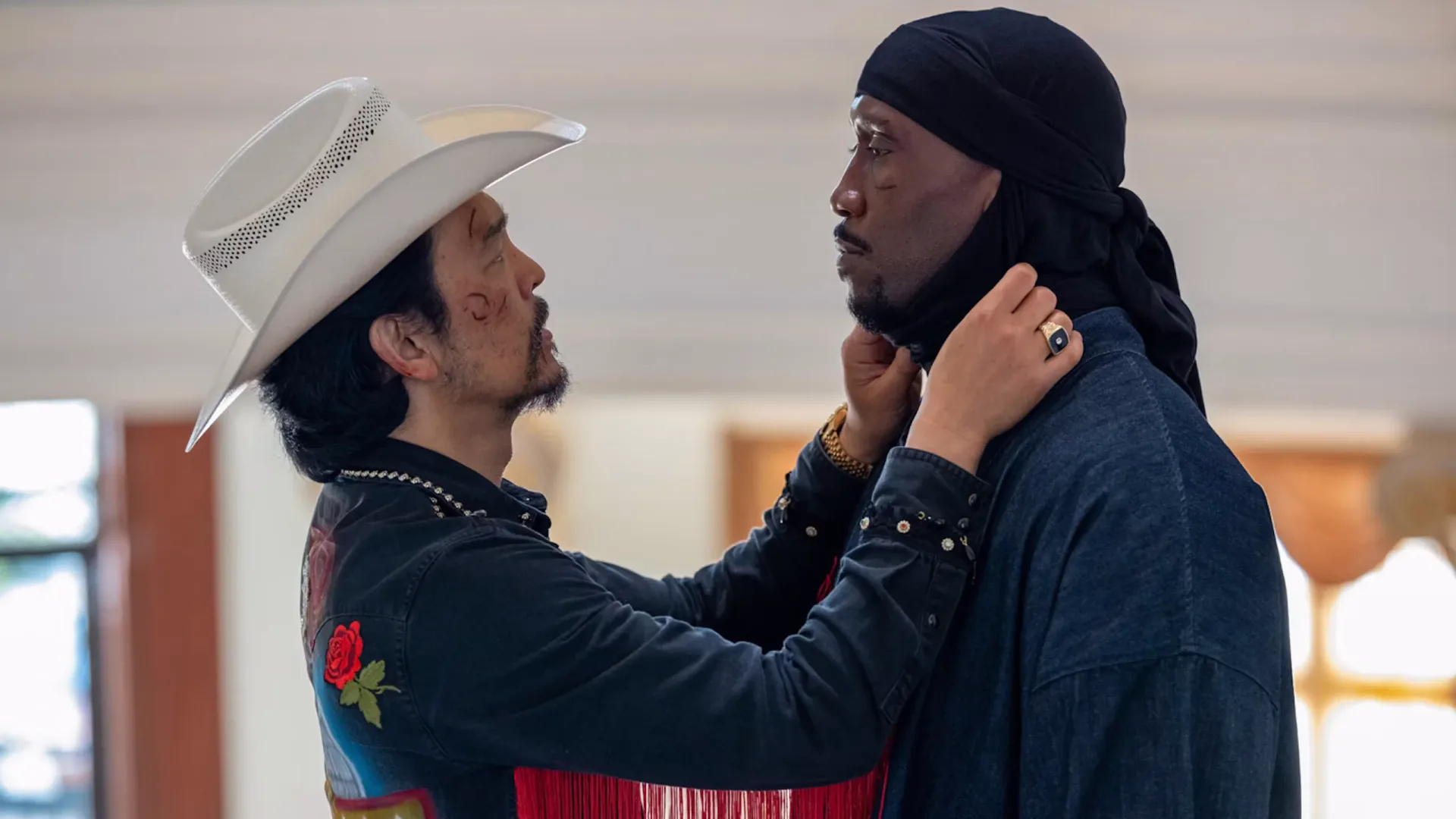
Tariq was the first director to join the film, and he later directed Ali in the action drama Your Mother Your Mother Your Mother. That subsequent collaboration underlines that Tariq’s exit from Blade should not be read as a general reluctance to work with Ali. His stated issue was the production’s creative process and the missing certainty of the screenplay.
A project that kept changing shape
Tariq left Blade in September 2022, around two months before it was expected to begin shooting. Yann Demange later took over as director, but he also departed in June 2024. The project went through at least five writers during its development, including Stacy Osei-Kuffour and Michael Starrbury, before Marvel ultimately scrapped the film without it ever entering production.
That run of changes helps clarify why Tariq’s concern cannot be reduced to one abandoned draft. In studio development, writers may be brought in for a variety of reasons: a new take on the premise, revisions to structure, changes to character work, or an effort to solve practical production questions. The supplied record does not specify what each writer contributed or why each transition happened, so it would be wrong to assign blame to any individual. What it does establish is a prolonged inability to settle on a version of Blade that moved from development into cameras rolling.
“Development” is the industry term for the phase in which a film’s creative and practical parts are assembled before principal photography. It can involve scripts, casting, budgeting, scheduling and early design work. It is a necessary process, but it becomes costly in creative terms when those parts cannot lock together. A performer can be under contract and a director can be attached, yet neither fact guarantees that a production has reached the point where it is ready to shoot.
Blade illustrates that gap starkly. Ali remained publicly ready to play the role even as the movie stalled. He has said that the question of why it failed to enter production belongs with Marvel’s leadership, noting that the studio had both a two-time Oscar-winning actor under contract and the resources to make the picture. He also agreed with Marvel Studios president Kevin Feige’s assessment that the failure to make Ali’s Blade was the biggest failure of Feige’s career.
Marvel’s own explanation: expansion and quality control
Feige had already connected the extended delay to a broader company problem. In July 2025, he said Marvel’s expansion into Disney+ streaming meant that quantity overtook quality for the first time. As Marvel reconsidered its development process, Blade was among the projects that stopped moving forward.
That explanation is broader than Tariq’s account, but the two fit together without being identical. Feige described a systemic problem of over-expansion and a need to reevaluate how projects were developed. Tariq described the immediate, human consequence of an unfinished script: a director’s inability to give actors reliable answers and maintain their confidence. One is a statement about the organization’s slate; the other is a statement about what it felt like to work inside one troubled production.
There is also an important limit to what these comments prove. They do not reveal a definitive screenplay, a secret completed cut, or a near-finished production that might someday emerge. The film never went into production. The fact that a major star, multiple directors and several writers were involved demonstrates the scale of the attempt, not the existence of a version that was ready for audiences.
What the scrapped film means for Blade fans
For fans, the most concrete takeaway is disappointing but simple: this particular Mahershala Ali-led Blade movie is no longer an upcoming release. The announcement in 2019, the director changes and Ali’s continued willingness to play the role did not culminate in a production. Nothing in the available information confirms a replacement film, revised release plan, new director or new script.
It is understandable to focus on the character, Ali’s casting or the wider Marvel slate. Tariq’s comments, however, point to an equally important lesson about the craft behind the headlines. A polished genre movie needs a workable chain of trust: the writer’s pages give the director something to stage; the director gives actors a clear dramatic frame; and departments build toward the same film. When the script remains unresolved while commitments are being sought, every part of that chain is placed under strain.
Tariq’s regret is not framed as a complaint that the job demanded too much work. It is about being asked to represent choices he did not control. His conclusion is unusually direct: future projects need a script he can genuinely stand behind, with disagreements handled openly between the creative parties involved. For a movie that had such high-profile talent and such high expectations, that may be the most revealing detail of all. Blade did not fail merely because it changed directors or writers; it never found the stable creative foundation needed to turn intention into a film.