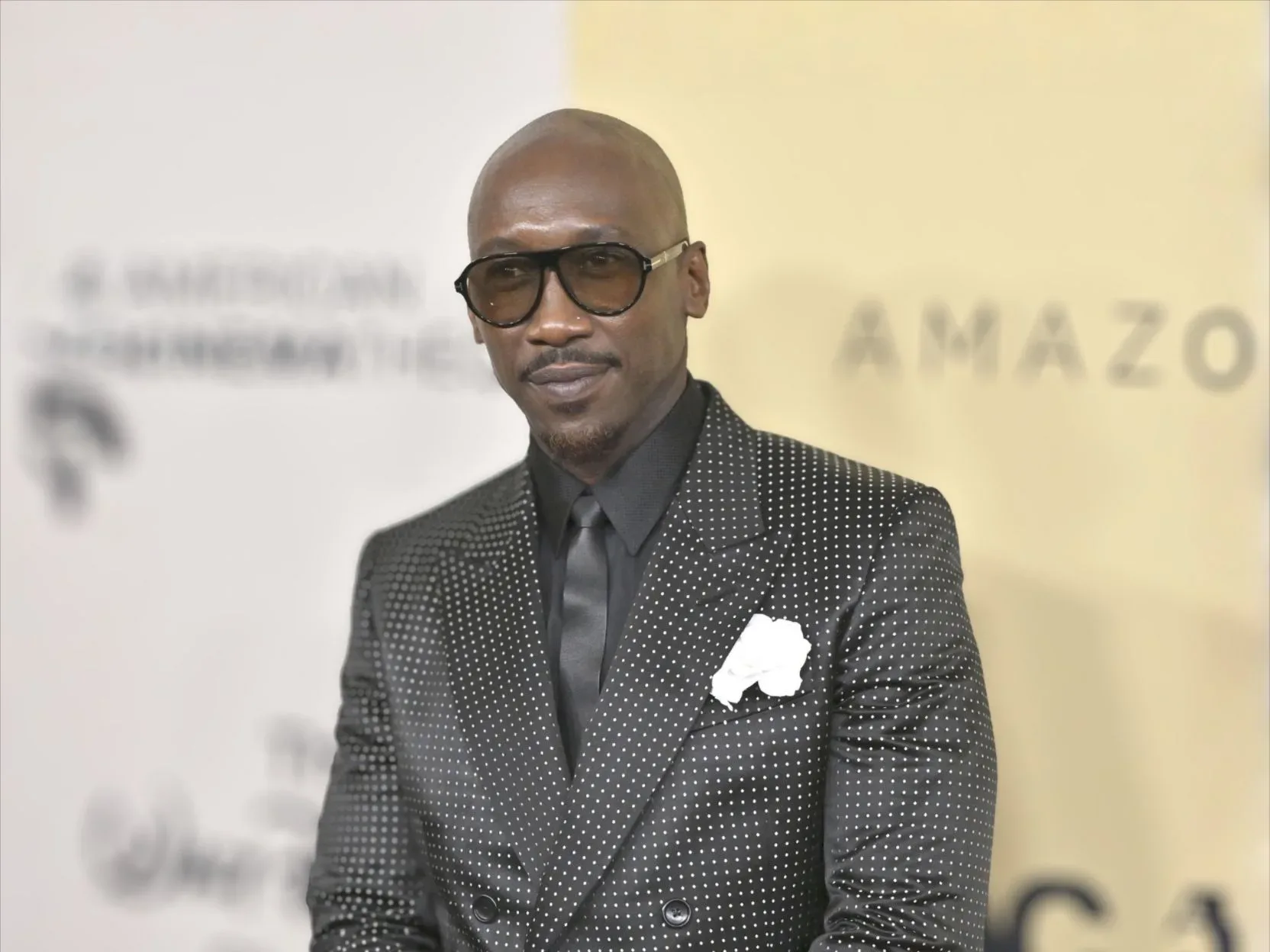

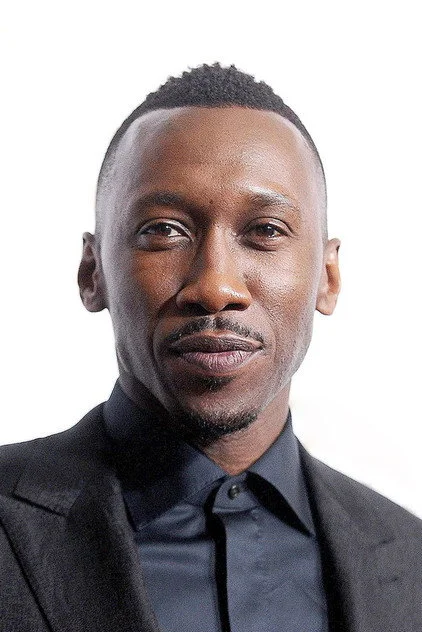
 Mahershala AliLatif
 John ChoPastor Kwan
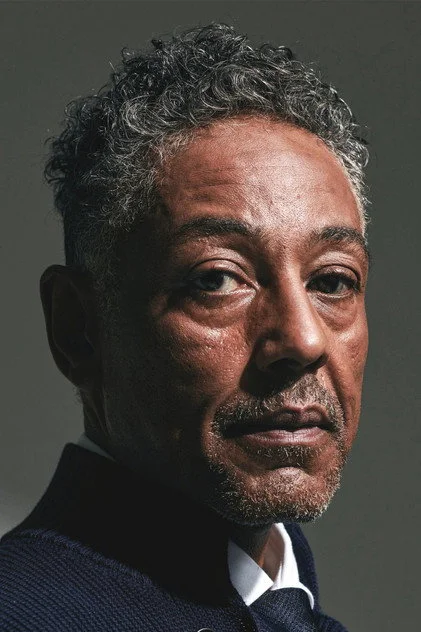 Giancarlo EspositoAbdul Malik
 Abubakr AliHatty
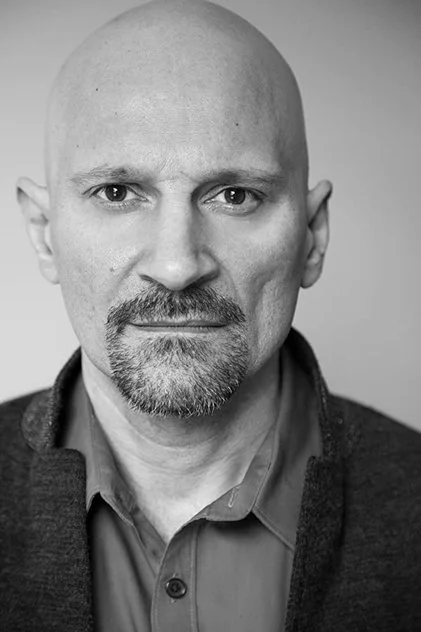 Laith NakliMike Mahmoudi
 AdiaFatiha
 Jahleel KamaraQadir
 Tiffany BooneFugazi
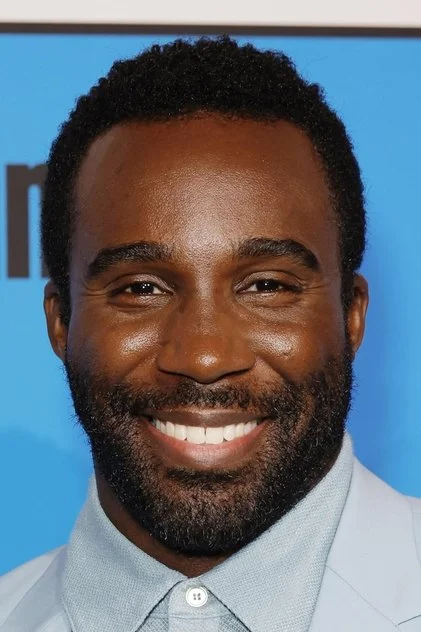 Tramell TillmanTalib
 John Henry WardElder Wade
 Alyssa KimTara
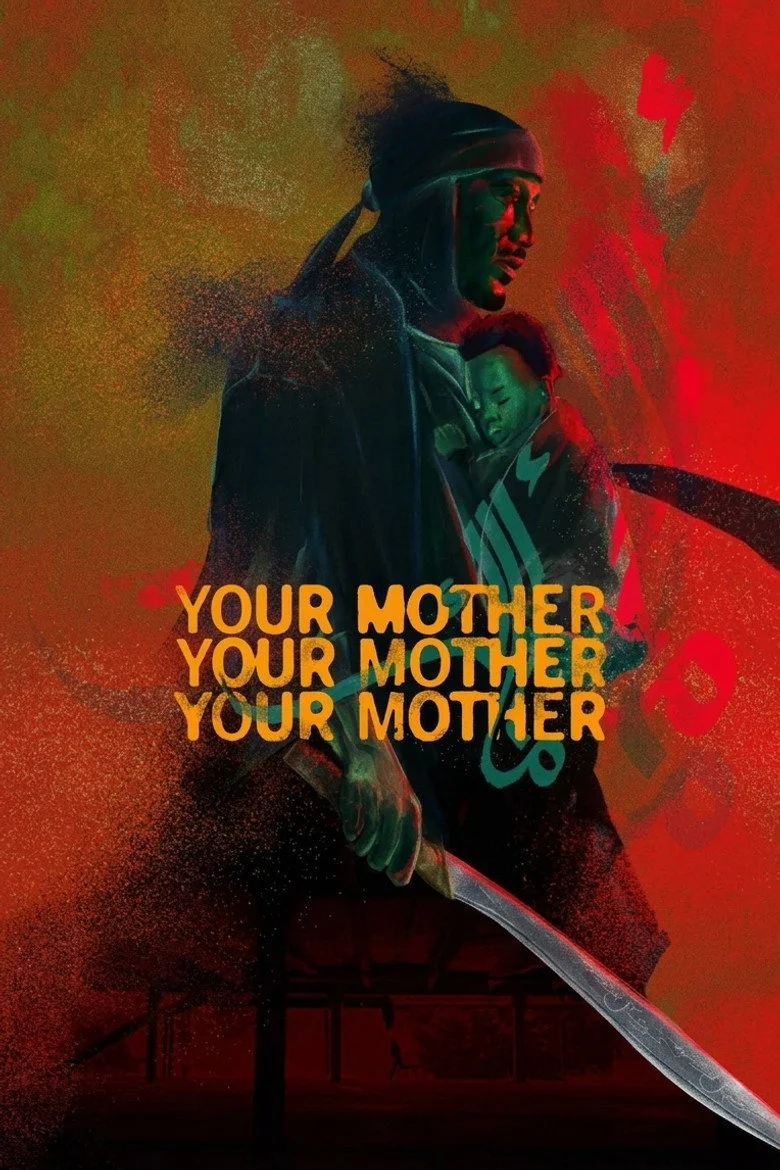
Your Mother Your Mother Your Mother has an intentionally startling engine: a katana-wielding assassin takes on one more criminal assignment not to settle a score, but to secure breast milk for his formula-intolerant infant daughter. That premise could easily be treated as a lurid gag or an excuse for empty provocation. Instead, the film is described as an action drama that places its violence inside a family crisis, a working-class Texas setting and a thorny argument about faith, grief and the uses people make of scripture.
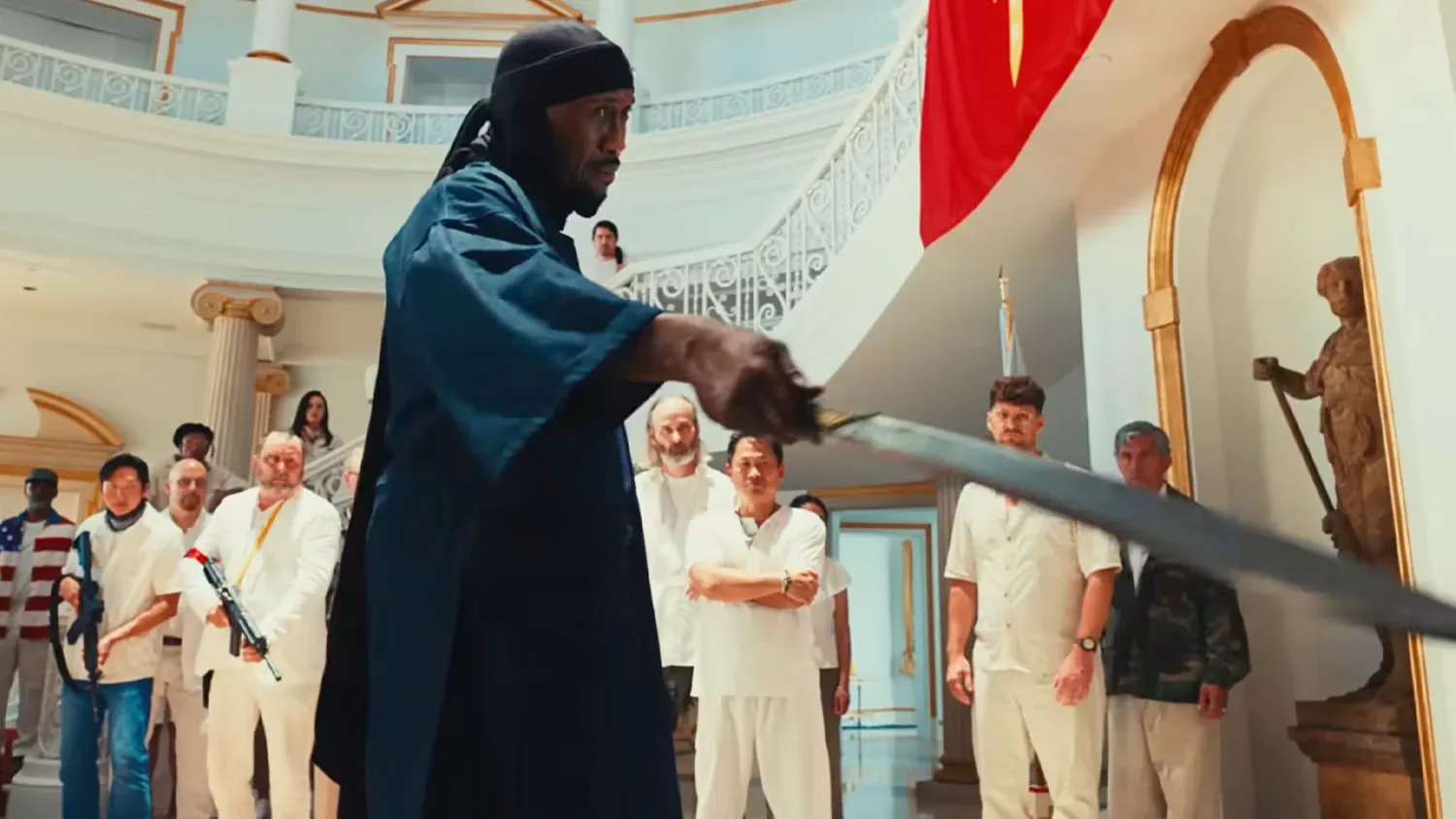
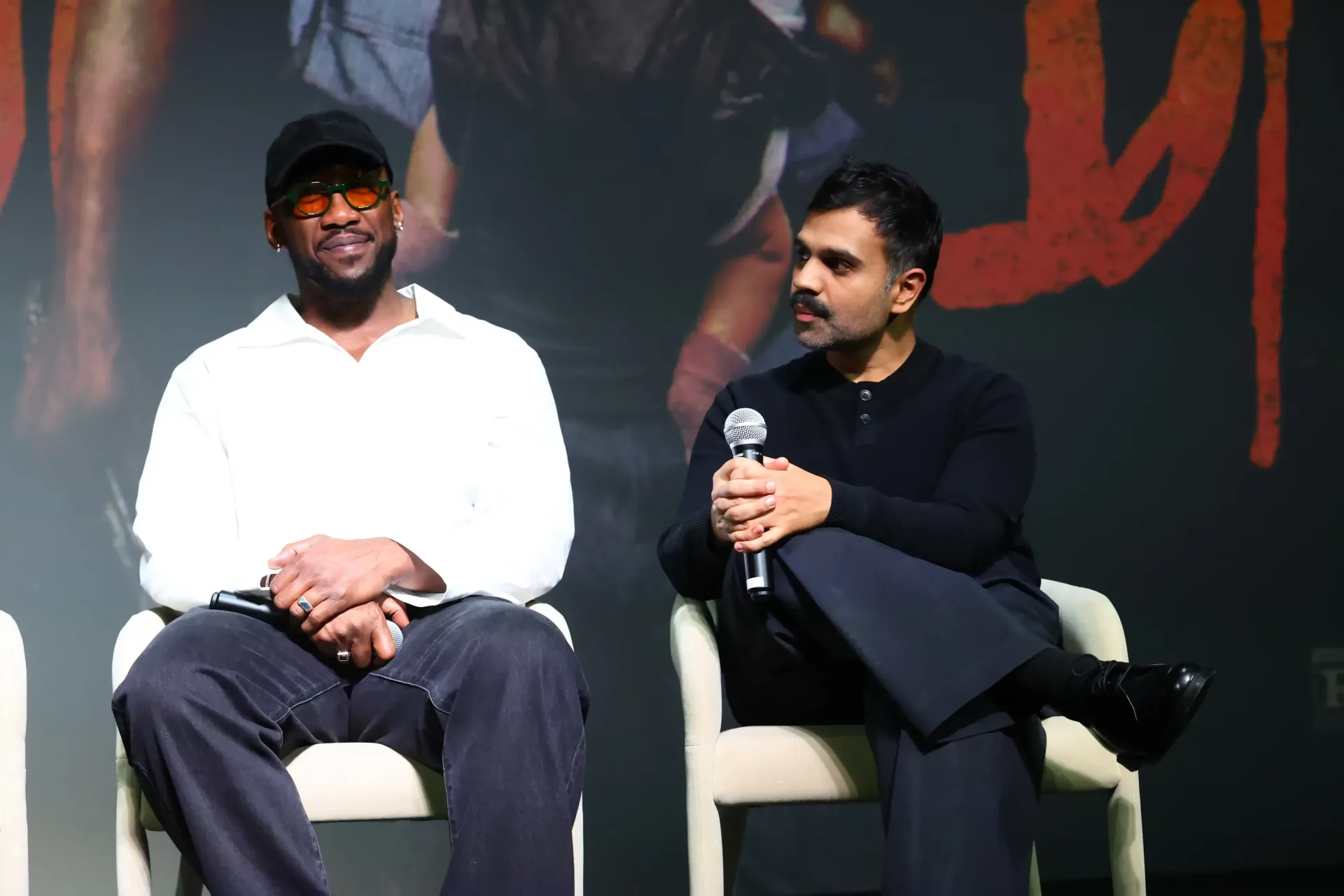
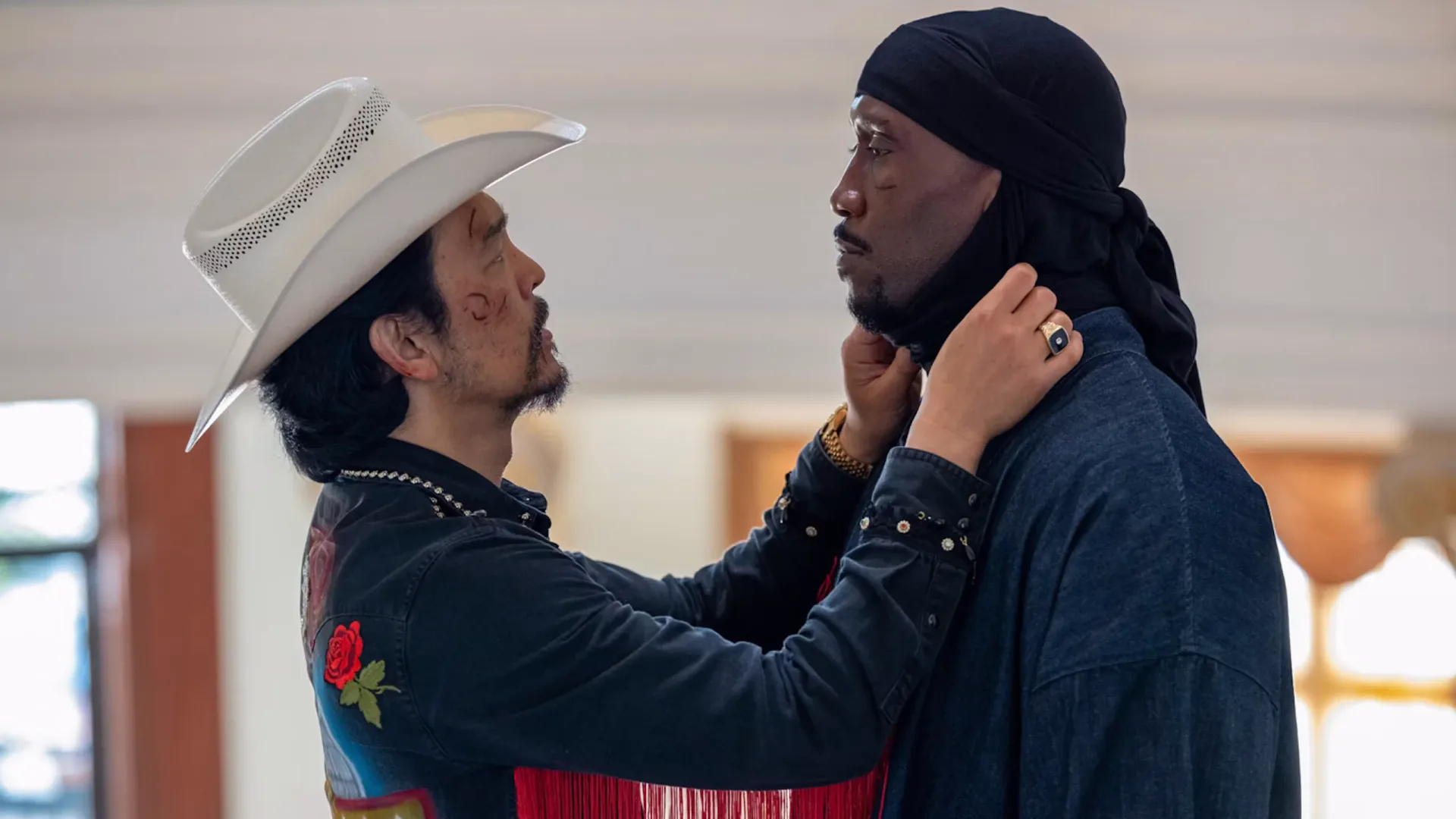
Writer-director Bassam Tariq reunites with Mahershala Ali for a story centred on Latif, a practising Muslim father living in a cramped condo with his teenage daughter Fatiha, young son Qadir and baby Aziza. Following the death of his wife, Latif is struggling financially and returns to violence by accepting work from crime boss Mike. His assignment is to protect Mike’s nephew Hatty, a porn producer threatened by Pastor Hwan, an ex-Marine who leads an armed Christian fundamentalist cult.
Those facts establish a deliberately combustible framework, but the more distinctive element is where the film appears to locate its pressure. Latif’s mission is not presented as detached professional business. His grief, responsibility for three children and immediate need to feed Aziza turn a familiar final-job setup into something more intimate and anxious. The premise may sound outlandish on paper; the evidence suggests that the film makes room for its desperation as well as its absurdity.
An action premise with domestic stakes
Ali’s Latif is characterised as a killer governed by a code and burdened by guilt and grief. That is a useful tension for this kind of story: the character’s capacity for violence is not separate from the family life that makes the assignment necessary. The film’s setup asks an old genre question—can someone leave violence behind?—but gives it a specifically domestic urgency. Latif is not merely trying to survive a criminal job; he is navigating bereavement, poverty and parenthood while a baby’s needs cannot wait for a clean moral resolution.
The available details also point to a family drama that does not treat the children as abstract motivation. Fatiha, Qadir and Aziza are explicitly part of Latif’s cramped home life, and their presence clarifies the practical stakes behind his return to work. This does not prove that every family relationship receives equal development, but it does make the central conflict more than a revenge mechanism. Latif’s goal is materially specific, vulnerable to dark comedy and rooted in care rather than macho self-mythology.
That specificity is likely why the potentially wild breast-milk plot device can carry more than shock value. Latif befriends a lactating sex worker, played by Tiffany Boone, in order to feed Aziza. The situation has inherently darkly comic potential, particularly against a backdrop of criminal danger and spilled blood. The film is described as finding humour there without abandoning the desperation of Latif’s circumstances. Interpreted from that balance, the comedy functions less as a release from the story’s pressures than as a reminder of how strange, undignified and immediate survival can become.
Violence built for impact rather than excess
The action is a major attraction, and the supporting description is unusually clear about its form: the fights are brutal, close-quarters, brief and savage. The emphasis is not on long, elaborate showcases but on compact confrontations with a sharp physical charge. That approach suits a story about a man under pressure. Rather than promising endless displays of sword work, the action is framed as concentrated and rewarding, with each burst of combat serving the film’s muscular genre identity.
Ali’s martial-arts and sword training is part of the production context: the project emerged after the work undertaken for an unrealised vampire-hunter role was not used. That background helps explain the katana premise, but the stated case for the film is that its ideas and storytelling matter more than the training’s visible payoff. In other words, the blade work is a foundation, not the whole argument. The fights may bring the immediate jolt, while the surrounding drama gives that violence thematic stakes.
There is blood, including the sort of spurting gore that signals an unapologetically hard-edged action picture. Yet the supplied evidence does not position gore as the film’s sole personality. Its violence sits beside mourning, parenthood, economic hardship and religious conviction. For viewers seeking action with a clear emotional and social frame, that combination is the draw. For viewers who prefer their Friday-night action uncomplicated, the premise’s grief and theological conflict may sound demanding, though the dark humour is presented as a meaningful counterweight.
Faith without an easy binary
The strongest material appears to be the film’s refusal to turn its religious conflict into a simple Muslim-versus-Christian contest. Latif is a practising Muslim. His antagonist is Pastor Hwan, whose armed Christian fundamentalist group brings explicit religious extremism into the story. A less considered version of this premise might convert those affiliations into a blunt collision of symbols. Instead, the film is described as examining the way scriptures can be reinterpreted in service of personal desires.
That is a more challenging and potentially more revealing focus. The issue is not faith as a decorative trait attached to rival action figures, but interpretation, power and self-justification. Latif’s own code, guilt and grief complicate any assumption that one side owns moral certainty. Likewise, Hwan’s role as a cult leader makes him a specific figure of weaponised belief rather than a stand-in for Christianity as a whole. The finale’s clash of bodies and beliefs is said to remain messy, refusing a clean good-guy/bad-guy or Muslim/Christian division.
That messiness is a strength because it preserves the discomfort built into the premise. The film can stage a confrontation between armed ideologies without claiming that violence clarifies theology. This is an interpretation of the described approach, rather than a claim that every question receives a final answer: the material points toward complication and resistance to simplification, not toward a tidy thesis. For an action drama, that is an ambitious tonal and thematic lane.
Texas atmosphere and an ensemble of strong contrasts
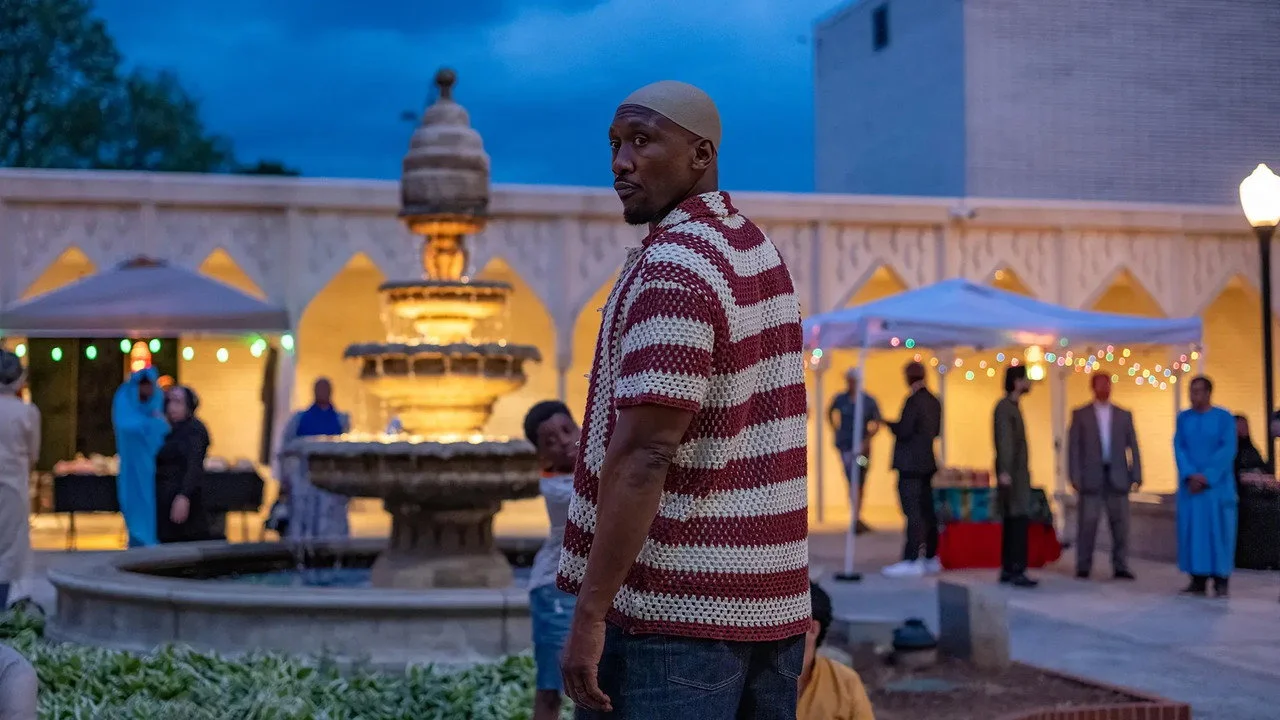
Tariq’s direction is credited with creating a firm sense of cultural community and a distinctive atmosphere through grainy, film-like imagery and a saturated colour palette. Those visual choices are described, not merely implied by the Texas setting. They suggest a film looking for texture and locality rather than a generic crime-thriller backdrop. The cramped condo, family routines, criminal assignment and religious conflict all belong to a world that seems designed to feel socially connected, not isolated into action-movie abstraction.
Ali has the central dramatic burden as Latif, whose role requires the collision of lethal skill, paternal care, mourning and religious conviction. The source material supports the character’s complexity; it does not supply enough detail to make broader claims about individual scenes or the full arc of his performance. Still, the role itself gives Ali a substantial dramatic framework beyond action-star physicality.
John Cho’s Pastor Hwan is described in more flamboyant terms, complete with a Stetson and gold dental grill, and Cho is presented as embracing that heightened villainous presentation. This offers a vivid contrast to Latif’s grief-heavy seriousness. Laith Nakli’s Mike, Abubakr Ali’s imperilled Hatty, Tiffany Boone’s lactating sex worker, Adia’s Fatiha and Jahleel Kamara’s Qadir each occupy defined places in the premise, although the supplied evidence offers limited basis for judging the depth of their individual performances. What can be said is that the ensemble helps populate a story whose pressures extend across family, criminal networks, sex work and religious militancy.
A recommendation for viewers who want more than the blade
Your Mother Your Mother Your Mother is recommended as an action drama for audiences open to tonal collision: savage close-quarters fighting, family anguish, theological dispute and pitch-black humour. Its most persuasive quality is not simply that it has a memorable premise, but that the premise connects bodily danger to a father’s desperate obligation to his child. The genre elements are described as satisfying, while the cultural and religious material gives the story a more complicated set of concerns.
The principal viewing consideration is also its defining character. This is not presented as weightless escapism. Death, guilt, financial strain, armed fundamentalism and graphic violence are all part of the package. But neither is it described as solemn to the point of suffocation: the absurd logistics of keeping a baby fed provide dark humour amid the bloodshed. When its action, ideas and emotional stakes align, the film appears to offer the rare action picture whose force comes from both the strike of the sword and the human need behind it.