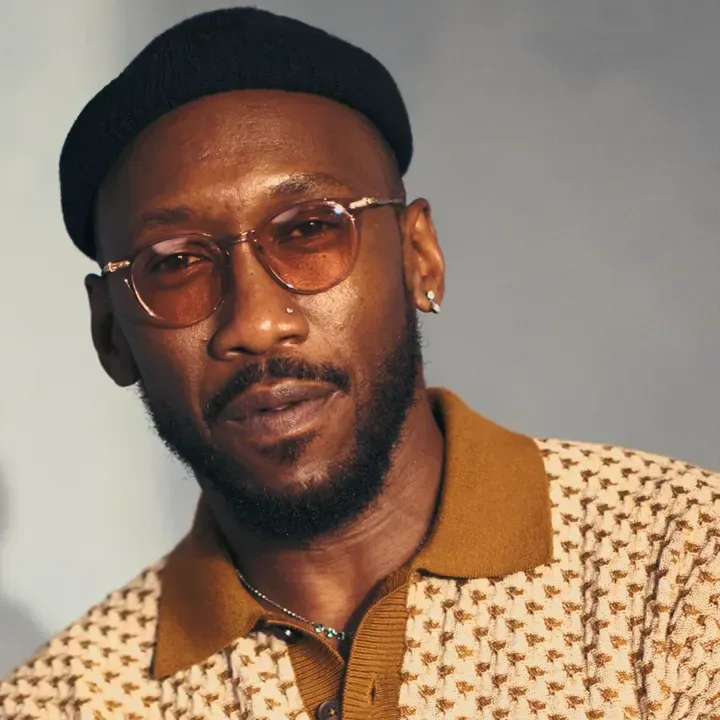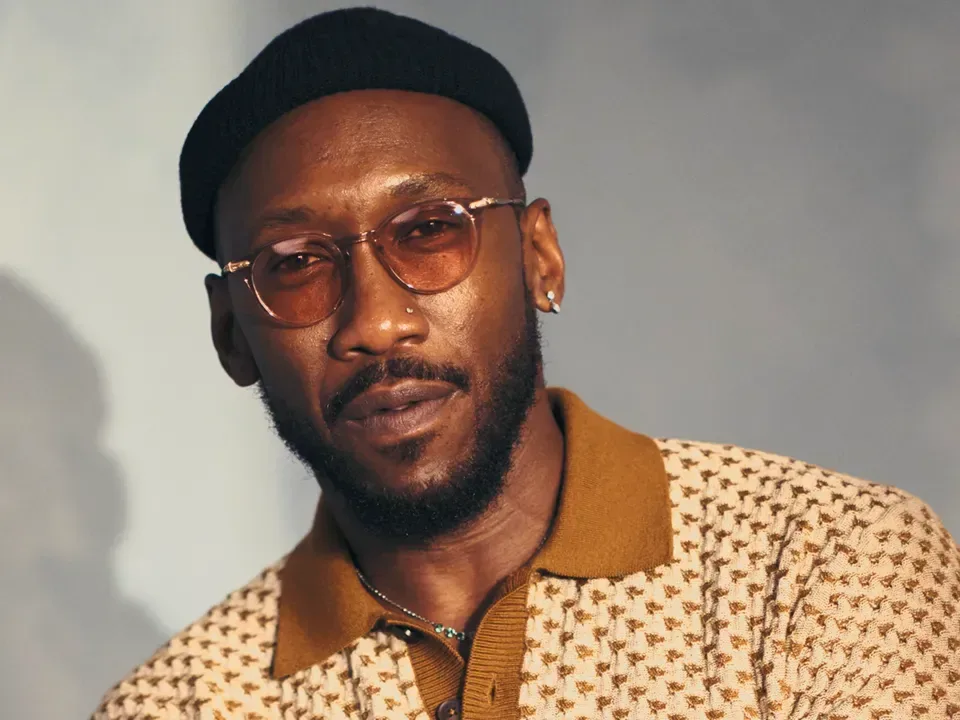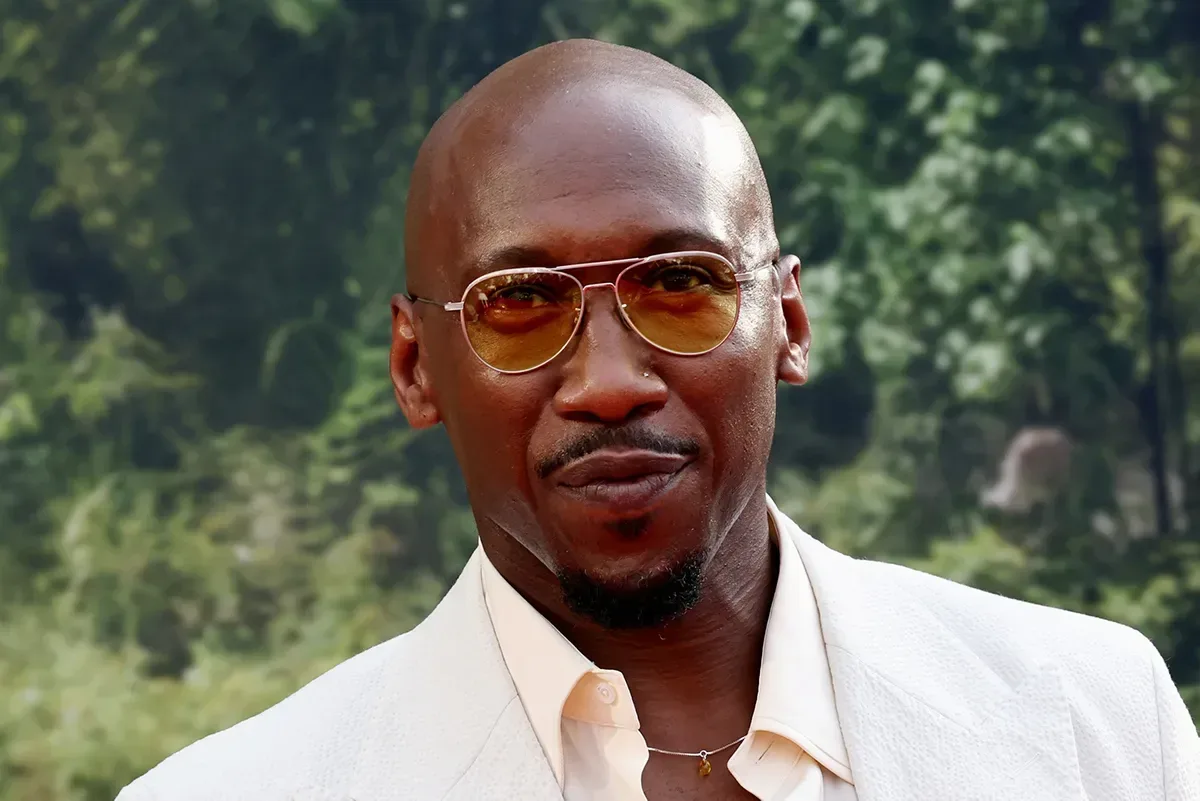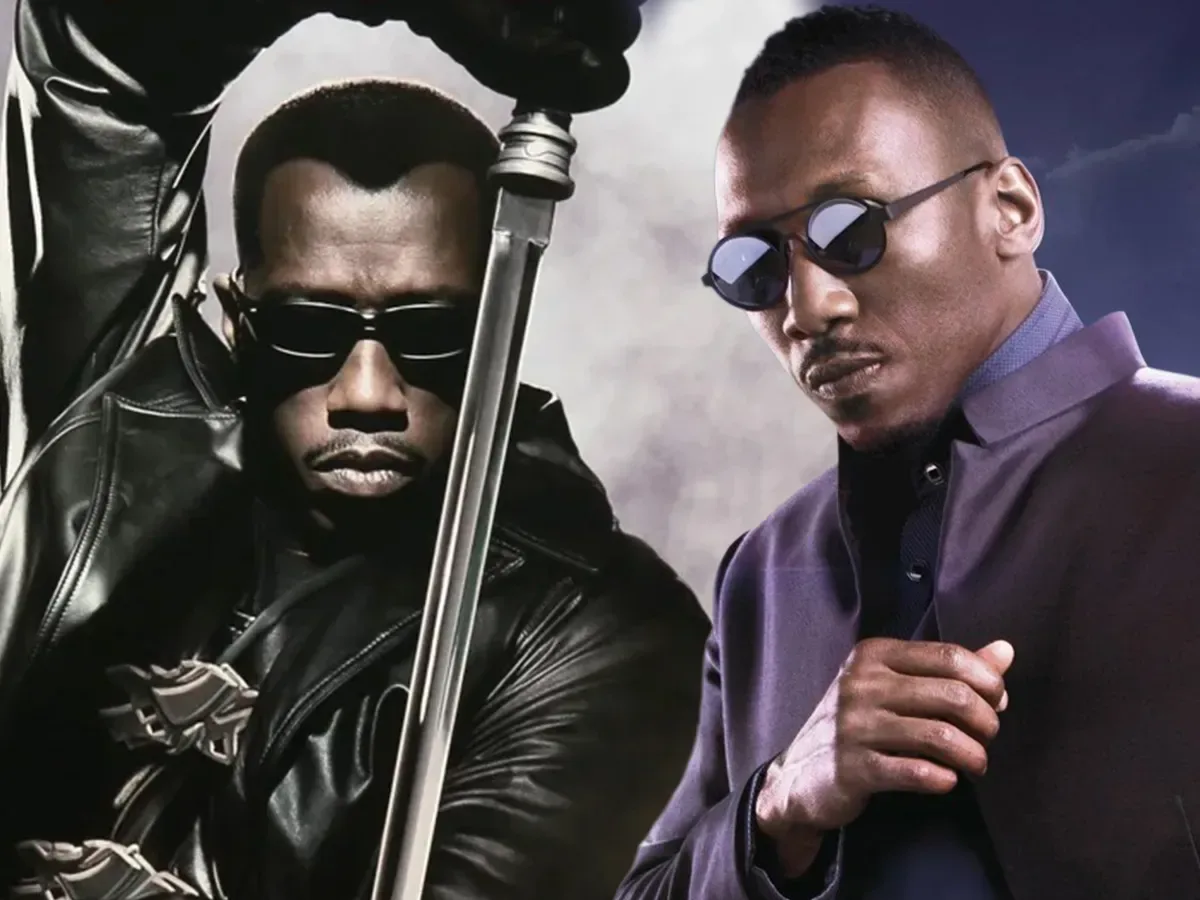
Bassam Tariq has offered a candid account of his time developing Marvel Studios’ ultimately canceled Blade, describing both the emotional cost of leaving and the striking film that might have been. His central point is not that one person sank the Mahershala Ali-led project. Rather, Tariq says the production never arrived at the screenplay foundation it needed, even as elaborate New Orleans sets and major creative work were already taking shape.
The filmmaker, who was the first of two directors publicly attached to the reboot, said his exit left him feeling profoundly unmoored. For Tariq, a director whose previous work includes These Birds Walk and Mogul Mowgli, the scale of the studio project made its failure to cohere especially difficult. He recalled having to step back from people and recalibrate after the departure, describing a personal sense that he had failed to make the film he wanted to make well.
That reaction matters because canceled blockbuster projects are often reduced to a tidy online narrative: a studio mishandled a property, a director departed, or a star was left waiting. Tariq’s account instead places the human impact at the center. He credited his wife, children, and Atlanta’s Muslim community with helping him regain perspective. Their ability to move on without continually revisiting the abandoned movie, he said, was a relief.
A 1920s Blade with a speakeasy and a horse chase
The clearest new creative detail is the setting. Tariq’s version of Blade was conceived as a 1920s vampire movie, a period frame that would have separated it from a contemporary superhero template. The planned action reportedly included a large horse chase through sets constructed in New Orleans. Its opening would have begun in a speakeasy, with Blade pretending to be drunk.
Those details suggest a film reaching for a specific atmosphere: prohibition-era nightlife, concealed danger, and a hero using performance or misdirection before the pursuit begins. But it is important to separate that premise from a finished story. Tariq did not disclose a full plot, antagonists, or the final shape of Ali’s Blade. The speakeasy scene and chase describe an abandoned direction, not a sequence audiences will eventually see.
The loss is also not limited to a hypothetical action scene. Tariq singled out the work of production designer Stefania Cella and her team, calling the discarded environments beautiful and exceptionally designed. Production design is the craft of establishing the physical visual world of a film: locations, sets, architecture, furnishings, texture, and the objects that make a setting feel inhabited. In a period vampire story, it would have been particularly important, because the film’s mood would depend on spaces that sell both the historical era and the supernatural threat.
That is why a cancellation can sting long before a camera captures a final scene. A set represents accumulated labor from craftspeople across construction, set decoration, art direction, props, and related departments. Tariq’s sadness is directed especially toward those workers whose contribution was real and substantial even though the film itself will not arrive.
The script issue was bigger than the spectacle
Tariq’s explanation for why he left is direct: he says he was not allowed to write the script, and he did not want to spend his time making something disastrous. He also says the production did not have all the parts necessary to become what it needed to be. Later, he summed up the problem more simply: “We just never really had a script.”
This is not a dismissal of the writers involved. Tariq explicitly said they were working hard. His point is about the state of the project, not an accusation that the people writing it lacked effort. In development terms, a script is more than dialogue or a document used to schedule a shoot. It is the blueprint connecting character motivation, narrative momentum, setting, tone, action, and theme. An expensive set piece can be thrilling, but without a clear dramatic reason for it to happen, it is difficult for the film around it to hold together.
That distinction is especially useful for understanding why the reported 1920s material is both exciting and bittersweet. A horse chase through a carefully built period environment sounds like spectacle. Tariq himself spoke enthusiastically about the ideas and visual work. Yet spectacle does not resolve the harder questions of why Blade is there, what he wants, whom he is pursuing, what is at stake, and how the sequence transforms the story. Tariq’s account argues that the script had not sufficiently united those pieces.
There is a practical lesson in that for audiences watching long-running franchise development from the outside. A marquee actor, an announced release plan, concept art-level promise, and even built sets are not guarantees that a movie has found its final identity. Film production is often presented publicly as a straight line from announcement to premiere. This account shows a much messier reality: creative development can overlap with expensive preparation, while the central story question remains unsettled.
Tariq does not put the blame on Kevin Feige
Despite speaking openly about the project’s breakdown, Tariq is emphatic that he does not blame Marvel Studios president Kevin Feige. He called Feige adaptable and said he listens and changes direction. Tariq pointed to Spider-Man: Brand New Day as an example of a Marvel production balancing large-scale spectacle with story-building, though he did not offer further details about that film’s development.
His defense also comes with an acknowledgement of the uneven power dynamics behind a major studio production. Tariq contrasted his own experience on a comparatively small-budget feature—he cited Mogul Mowgli at $1.2 million—with a vast studio machine and an enormous set that he said was equivalent in scale to roughly 10 of those films. In that context, he said it made sense for Feige to have the final call.
At the same time, Tariq’s remarks are not a claim that the process was ideal. He believes Feige had too much on his plate, and he believes Blade lacked the finished script needed to move forward. Those ideas can coexist. A producer can be experienced, successful, and trusted by a studio while a specific project still fails to find the necessary alignment of story, director, schedule, and production preparation.
Feige had already publicly criticized his own role in the film’s failure to launch before the official cancellation, describing himself in harsh terms. Ali later agreed with that self-assessment. Tariq, however, rejects the more personal backlash aimed at Feige. He says he likes him and calls him “a good dude,” while stressing that a single executive should not be treated as the sole explanation for a complicated failed production.
Why Blade was an unusually difficult reboot
Marvel announced Ali as its Blade in 2019. The project was formally canceled in July 2026 after years in which it became increasingly uncertain that it would come together. Tariq says the team also faced an “impossible” challenge: measuring a new version against Wesley Snipes’ iconic Blade.
That observation is less about declaring a new interpretation impossible than recognizing the unusual expectations attached to the character. A reboot must give viewers a reason to care about a different lead and a different creative approach, while living alongside the version many people already identify with the role. Tariq’s period setting appears to have been one possible answer: not merely repeating an established formula, but relocating the vampire hunter into a distinct cinematic world.
Still, changing the era alone would not settle the broader challenge. The new film would have needed a coherent version of Blade’s personality, a dramatic engine strong enough to support the horror-action concept, and a tone that could stand on its own rather than invite constant comparison. Tariq’s script concerns indicate that the production had not convincingly solved those essentials.
Ali and Tariq have moved on, but the lost work remains meaningful
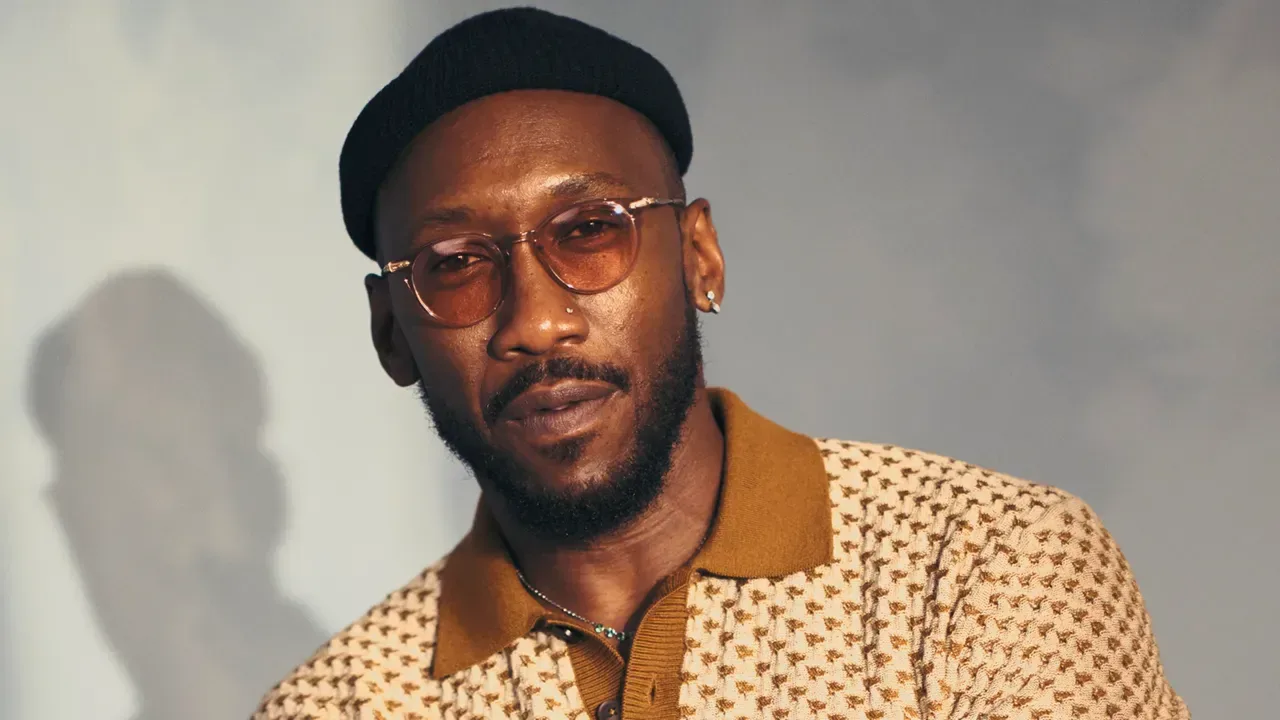
There is one notable post-Blade connection: Tariq’s newest film, Your Mother Your Mother Your Mother, stars Ali. The film is out now. Ali has also said that the abandoned superhero project effectively gave him a free year of training for this newer role.
That does not turn the cancellation into a simple success story. Tariq’s recollections make clear that the discarded sets, plans, and labor remain painful, particularly for the crew members whose work never reached an audience. But it does underline that neither the actor nor director has been defined entirely by the stalled Marvel project.
For Tariq, the lasting message is unusually measured for a high-profile cancellation. He is disappointed by a movie that never found its script, proud of the artists who built its world, and sympathetic toward a producer managing a vast franchise operation. The unused 1920s sets and speakeasy-to-horse-chase sequence will likely remain a tantalizing glimpse of an unrealized film—not evidence of a completed masterpiece, but evidence that there was a vivid idea waiting for a story strong enough to carry it.
For more entertainment-industry reading beyond franchise development, see our coverage of Peacock’s annual plan and Premium Plus trial options.